
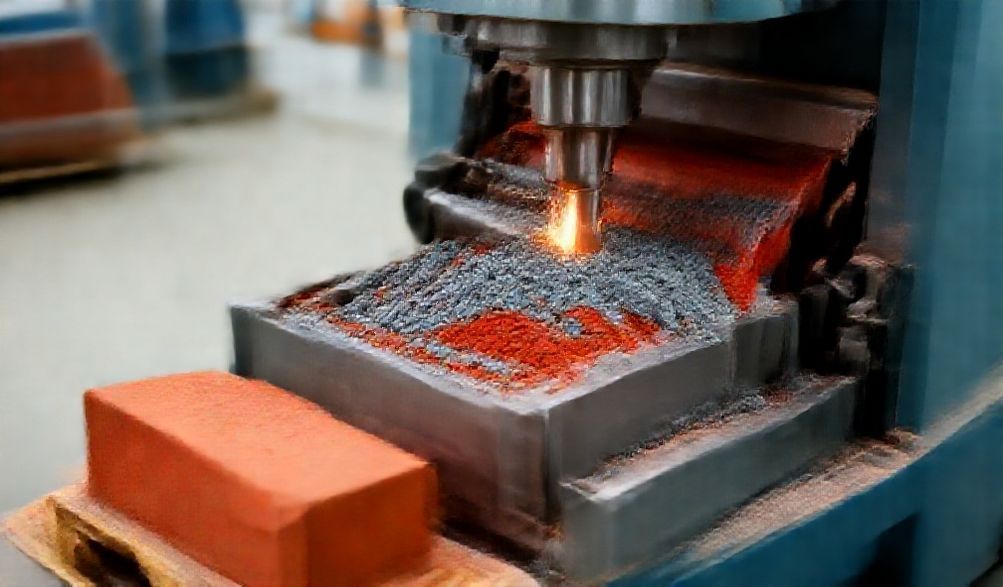
حافة البناء الحديثة: نظرة فنية متعمقة في آلات صنع الطوب من الطين والرماد المتطاير
في عصر تتصادم فيه متطلبات البناء مع المسؤولية البيئية، تقف الصناعة عند مفترق طرق حاسم. لم يعد السعي نحو مواد بناء متينة وبأسعار معقولة يمكنه تجاهل البصمة الهائلة للتصنيع التقليدي. وهنا يأتي الحل التحويلي: آلة صنع الطوب من الرماد الطيني. هذه ليست مجرد قطعة أخرى من معدات المصنع؛ بل هي محرك خيميائي متطور يحول موردين وفيرين - النفايات الصناعية والتربة - إلى أساس بيئتنا المبنية.
هذا الدليل وُلِدَ من خنادق مصانع التصنيع وورش الهندسة. نحن نتجاوز كتيبات المبيعات لنقدم دليلاً عملياً قائماً على أسس تقنية لرواد الأعمال والمهندسين المدنيين والبنائين ذوي الرؤية المستقبلية. سنقوم بتشريح التكنولوجيا التي تجعله ممكناً، وقياس مزاياه التي لا يمكن إنكارها، وتقديم إطار عمل واضح لاختيار الآلة المناسبة لمشروعك. اعتبر هذا مخططك الشامل لفهم ابتكار يعيد تشكيل البناء من القاعدة إلى القمة.
فهم الطوب الطيني الرملي المتطاير وتصنيعه
ما هي الطوب الطيني الرملي المتطاير؟
الطوب الطيني الرملي المتطاير هو بديل عالي الأداء للطوب الطيني المحروق التقليدي. يكمن جوهر ابتكاره في تركيبه: حيث يتم استبدال جزء كبير من الطين (عادة 20-40٪) بـرماد متطايرمسحوق ناعم وزجاجي يُلتقط من مداخن محطات الطاقة الحرارية التي تعمل بالفحم. هذا الرماد المتطاير، عند مزجه مع الطين والجير/الإسمنت والماء، يخضع لعمليةالتفاعل البوزولاني.
تخلق هذه العملية الكيميائية مركبات أسمنتية مستقرة، مما يؤدي إلى إنتاج طوب ليس مجرد منتج قائم على النفايات، بل غالباً ما يكون منتجاً متفوقاً. وتتميز الكتل الناتجة بقوة ضغط استثنائية، وتوحيد في الأبعاد، وخصائص حرارية محسنة.
التقنية الأساسية: كيف تعمل الآلة
سحر تحويل خليط من المسحوق والطين إلى لبنة بناء دقيقة هو معجزة في الهندسة الميكانيكية والهيدروليكية. العملية عبارة عن سلسلة محكمة التحكم:
- التغذية والتوزيع النسبي:يبدأ كل شيء بالاتساق. تقوم مغذيات الوزن الآلية أو القادوس الحجمي بتوزيع الرماد المتطاير والطين والعوامل الرابطة (مثل الجير أو الأسمنت)، وأحيانًا الجبس بدقة. وهذا يضمن تصميم الخلطة – وصفة القوة والجودة – يتم تكرارها بشكل مثالي لكل دفعة.
- الخلط والتجانس:يتم تغذية المكونات الجافة في خلاط، غالباً من نوع المقلاة أو المجداف، حيث يتم إضافة الماء. الهدف هو تحقيق خليط متجانس ومرن بمحتوى رطوبة مثالي (عادة بين 8-12%). هذه "القابلية للتشغيل" حاسمة للمرحلة التالية.
- الضغط والتشكيل:هذا هو قلب الآلة. يُغذى الخليط المحضر في صندوق القالب (القوالب). هنا، يتم تطبيق ضغط هائل. هناك طرق أساسية:
- الضغط الهيدروليكي:يُطبق المكبس الهيدروليكي ضغطًا ثابتًا وعاليًا (يتراوح بين 80 إلى أكثر من 300 طن)، مما يضغط الخليط إلى شكل كثيف وصلب.
- الدمك الاهتزازي:الاهتزاز عالي التردد، وأحياناً مقترناً بضغط أقل، يقوم بدمج الخليط.
This stage determines the brick’s density, strength, and surface finish.
- الطرد والمعالجة: The newly formed “green brick” is gently ejected from the mold onto a conveyor belt or pallet. Advanced systems use robotic arms or stackers to organize bricks for curing, minimizing handling damage.
- التداوي Unlike traditional bricks, these are not fired. Instead, they gain strength through curing:
- التصليب بالبخار: Bricks are placed in a curing chamber and exposed to saturated steam (60-80°C) for 8-12 hours. This accelerates the pozzolanic reaction, yielding high early strength within days.
- Water/Air Curing: A slower process where bricks are sprinkled with water and covered for 2-3 weeks. Suitable for smaller operations.
Key Advantages of Using a Clay Fly Ash Brick Making Machine
الفوائد البيئية والاستدامة
The environmental case for this technology is compelling and multifaceted.
- استخدام النفايات: Each brick produced consumes a substantial amount of fly ash, diverting this industrial byproduct from landfills and ash ponds, which are a significant source of air and water pollution.
- كفاءة الطاقة: The process eliminates the need for fossil fuel-fired kilns, which operate at over 1000°C. The energy savings are dramatic, often exceeding 70-80% compared to traditional brick manufacturing.
- الحفاظ على الموارد By reducing reliance on topsoil, it helps preserve fertile agricultural land and prevents topsoil degradation, a major ecological concern in many regions.
Economic and Performance Benefits
The sustainability benefits are powerfully complemented by strong economic and performance drivers.
- فعالية التكلفة: Fly ash is often a low-cost or even free raw material (with transport being the main cost). Combined with lower energy bills, this significantly reduces the cost per brick, boosting profit margins.
- Superior Brick Quality: These machines produce bricks that frequently outperform their fired counterparts.
- Higher compressive strength (often 10-15 MPa or more).
- Excellent dimensional consistency, reducing mortar use.
- Lower water absorption, leading to better damp resistance and durability.
- Improved thermal insulation, contributing to energy-efficient buildings.
- كفاءة الإنتاج Modern machines offer high levels of automation, enabling continuous, large-scale production with minimal manual labor. This leads to predictable output, consistent quality, and better scalability for growing businesses.
How to Choose the Right Clay Fly Ash Brick Making Machine
تقييم متطلبات الإنتاج
A misaligned machine is a costly mistake. Start by defining your needs:
- سعة الإخراج Be realistic. Are you supplying a specific project or establishing a commercial plant? Calculate your needed طوب في الساعةأوBricks Per Day (BPD). Machines range from 1,000 to 50,000+ BPD.
- نوع الطوب والحجم: Determine your market. Does it demand standard solid bricks, hollow blocks for insulation, or pavers? Ensure the machine’s mold and pressure system are designed for your desired product.
- درجة الأتمتة: Choose based on your labor availability and capital.
- شبه آلي Manual feeding and brick handling, lower cost, suitable for startups.
- أوتوماتيكي بالكامل: PLC-controlled with auto-feeders, conveyors, and stackers. Maximizes output and minimizes labor but requires higher investment.
المواصفات الفنية الحرجة للتقييم
Look beyond the brochure. Scrutinize these technical details:
- Pressure Type & Capacity: Hydraulic pressure (in tons) is key for dense, strong bricks. For high-quality solid bricks, a minimum of 150-200 tons is often recommended. Understand the difference between static compaction and impact/vibratory presses.
- متطلبات الطاقة: Check the total connected load (in kW). Ensure your facility’s electrical infrastructure can support it, including any necessary three-phase power.
- Machine Build & Durability: Inspect the quality of the steel frame, the brand and specification of hydraulic pumps and cylinders, and the hardness of the mold liners and wear plates. A heavier frame generally indicates better vibration absorption and longevity.
- دعم ما بعد البيع This is non-negotiable. Confirm the availability of installation supervision, operator training, a readily available spare parts inventory, and a responsive service team. A machine is a long-term partner.
Cost Analysis and ROI Considerations
View the purchase as an investment. Build a simple financial model:
1. Total Initial Investment: Machine cost + installation + foundation + initial raw material stock.
2. Operational Cost Per Brick: (Raw materials + electricity + labor + maintenance) / brick output.
3. Market Price Per Brick: Your selling price.
4. Gross Margin: Subtract #2 from #3.
5. فترة الاسترداد: Divide #1 by (Gross Margin x Monthly Brick Output).
A well-run plant with a good market can often see a payback period of 1.5 to 3 years.
Operational Best Practices and Maintenance
Setting Up for Optimal Production
A proper foundation is literal and figurative.
- Prepare a level, reinforced concrete foundation as per the manufacturer’s drawings to handle dynamic loads.
- Ensure reliable access to three-phase electricity and a clean water source.
- Implement raw material QC: sieve clay to remove stones, store fly ash under cover to prevent moisture variation, and test lime/cement for reactivity.
Routine Operation and Safety Protocols
Consistency and safety are paramount.
- Follow a strict startup sequence: check oil levels, warm up the hydraulic system, and test run without load.
- During operation, monitor pressure gauges, brick density, and the condition of ejected bricks.
- Enforce safety: use lock-out/tag-out during maintenance, ensure all guards are in place, and train operators on emergency stop procedures.
Preventive Maintenance Schedule
Preventative care prevents costly downtime.
- Daily: Check hydraulic oil level and for leaks, clean the mold and feed hopper, and tighten any visible loose bolts.
- Weekly: Lubricate all moving joints and bearings, inspect hydraulic hoses for wear, and clean oil filters.
- Monthly: Check and calibrate pressure settings, inspect the electrical panel for loose connections, and test safety interlocks.
الأسئلة الشائعة (FAQ)
Q1: What is the typical ratio of fly ash to clay in these bricks?
أ: A common and effective mix is 55-60% fly ash, 25-30% clay, 8-10% lime, and 2-5% gypsum, with water added for plasticity. The exact “perfect” ratio must be determined through lab tests using your local materials to achieve target strength and workability.
Q2: Do clay fly ash bricks require firing in a kiln?
أ: No, that’s a core advantage. They are non-fired bricks. Strength is developed through the pozzolanic reaction during curing (especially steam curing), which creates stable, cement-like bonds without the massive energy input of a kiln.
Q3: What is the production capacity range for these machines?
أ: Capacity spans a vast spectrum. A small semi-automatic machine might produce 2,000-4,000 bricks per 8-hour shift. A mid-range fully automatic line can produce 15,000-25,000. Large industrial plants with multiple machines can exceed 100,000 bricks per day.
Q4: Are bricks made with this method durable and weather-resistant?
أ: Absolutely. When produced with the correct mix design, compaction, and curing, they exhibit lower water absorptionوhigher frost resistance than many traditional clay bricks. Their superior compressive strength also makes them excellent for load-bearing walls in multi-story constructions.
Q5: What are the major challenges in operating such a plant?
أ: The primary challenges are sourcing consistent-quality fly ash, mastering the mix design for local materials, controlling the moisture content during mixing, and ensuring you have access to skilled technical support for machine maintenance and troubleshooting process hiccups.
خاتمة
Investing in a clay fly ash brick making machine is a strategic decision that aligns profitability with planetary stewardship. This technology masterfully solves a dual challenge: it provides an elegant outlet for industrial waste while manufacturing a construction material that is, by many metrics, superior to its centuries-old predecessor.
The journey from concept to production requires diligence. By leveraging the insights in this guide—from understanding the pozzolanic reaction to evaluating hydraulic tonnage—you are equipped to make an informed, confident investment. We urge you to take the next steps: conduct material tests with your local fly ash, visit operational plants to see machines in action, and engage with manufacturers who offer robust technical support. In doing so, you won’t just be buying a machine; you’ll be building a foundation for a more sustainable and resilient business in the new era of construction.
<