
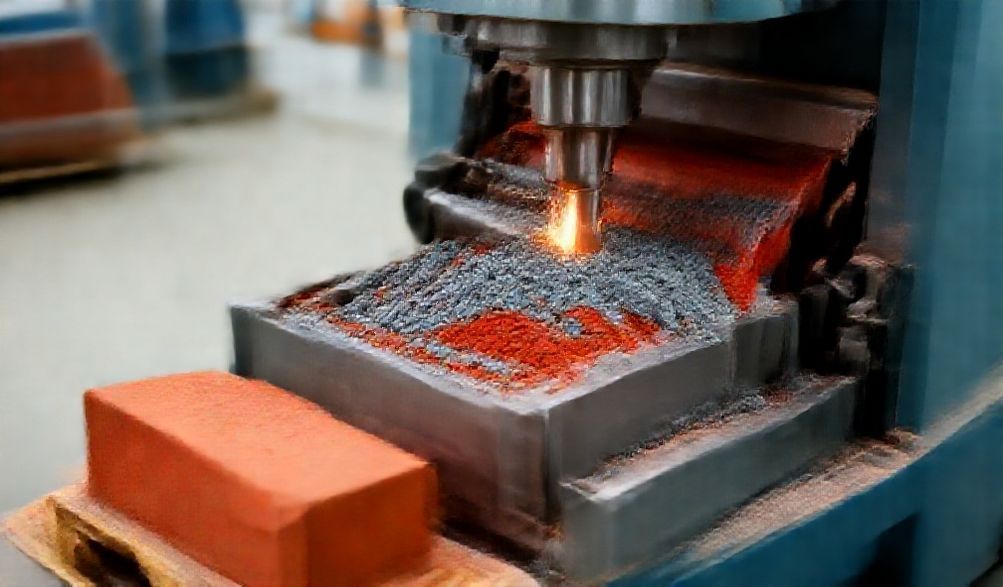
आधुनिक बिल्डर की बढ़त: क्ले फ्लाई ऐश ईंट बनाने की मशीनों में तकनीकी गहराई
एक ऐसे युग में जहां निर्माण की मांगें पर्यावरणीय जिम्मेदारी से टकराती हैं, उद्योग एक महत्वपूर्ण मोड़ पर खड़ा है। टिकाऊ, किफायती निर्माण सामग्री की खोज अब पारंपरिक विनिर्माण के विशाल पदचिह्न को नजरअंदाज नहीं कर सकती। यहां एक क्रांतिकारी समाधान प्रवेश करता है: मिट्टी फ्लाई ऐश ईंट निर्माण मशीन। यह केवल कारखाने का एक और उपकरण नहीं है; यह एक परिष्कृत कीमिया इंजन है जो दो प्रचुर संसाधनों—औद्योगिक अपशिष्ट और मिट्टी—को हमारे निर्मित पर्यावरण की नींव में बदल देता है।
यह मार्गदर्शिका विनिर्माण संयंत्रों और इंजीनियरिंग कार्यशालाओं के अनुभवों से जन्मी है। हम विज्ञापन ब्रोशर से आगे बढ़कर उद्यमियों, सिविल इंजीनियरों और दूरदर्शी निर्माताओं के लिए तकनीकी रूप से आधारित, व्यावहारिक पुस्तिका प्रस्तुत करते हैं। हम उस तकनीक का विश्लेषण करेंगे जो इसे संभव बनाती है, इसके निर्विवाद लाभों को मापेंगे, और आपके उद्यम के लिए सही मशीन चुनने के लिए एक स्पष्ट रूपरेखा प्रदान करेंगे। इसे एक ऐसे नवाचार को समझने के लिए अपना व्यापक खाका मानें, जो निर्माण को मूलभूत रूप से पुनर्निर्मित कर रहा है।
क्ले फ्लाई ऐश ब्रिक्स और उनके निर्माण को समझना
क्ले फ्लाई ऐश ब्रिक्स क्या हैं?
क्ले फ्लाई ऐश ईंटें पारंपरिक जली हुई मिट्टी की ईंटों का एक उच्च-प्रदर्शन विकल्प हैं। उनका मुख्य नवाचार उनकी संरचना में निहित है: मिट्टी का एक महत्वपूर्ण हिस्सा (आमतौर पर 20-40%) फ्लाई ऐश से प्रतिस्थापित कर दिया जाता है।फ्लाई ऐशकोयला आधारित तापीय विद्युत संयंत्रों के निकास स्टैक से एकत्र की गई एक महीन, कांच जैसी पाउडर। यह फ्लाई ऐश, जब मिट्टी, चूना/सीमेंट और पानी के साथ मिलाया जाता है, तो एक प्रक्रिया से गुजरती हैपोज़ोलानिक प्रतिक्रिया.
यह रासायनिक प्रक्रिया स्थिर सीमेंटयुक्त यौगिकों का निर्माण करती है, जिसके परिणामस्वरूप एक ईंट बनती है जो न केवल एक अपशिष्ट-आधारित उत्पाद है, बल्कि अक्सर एक बेहतर उत्पाद होती है। परिणामी ब्लॉक असाधारण संपीड़न शक्ति, आयामी एकरूपता और बेहतर थर्मल गुणों द्वारा विशेषता प्राप्त हैं।
मुख्य तकनीक: मशीन कैसे काम करती है
पाउडर और मिट्टी के मिश्रण को एक सटीक बिल्डिंग ब्लॉक में बदलने का जादू यांत्रिक और हाइड्रोलिक इंजीनियरिंग का एक चमत्कार है। यह प्रक्रिया एक कड़ाई से नियंत्रित क्रम है:
- खिलाना और अनुपात बनाना:यह सब नियमितता से शुरू होता है। स्वचालित वजन फीडर या वॉल्यूमेट्रिक होपर सावधानीपूर्वक फ्लाई ऐश, मिट्टी, बाइंडिंग एजेंट (जैसे चूना या सीमेंट), और कभी-कभी जिप्सम डालते हैं। यह सुनिश्चित करता है कि मिश्रण डिजाइन—मजबूती और गुणवत्ता की रेसिपी—हर बैच के लिए पूरी तरह से दोहराई जाए।
- मिश्रण और समरूपीकरण:सूखी सामग्री को एक मिक्सर में डाला जाता है, जो अक्सर पैन या पैडल प्रकार का होता है, जहाँ पानी मिलाया जाता है। लक्ष्य एक समरूप, प्लास्टिक मिश्रण प्राप्त करना होता है जिसमें आर्द्रता की मात्रा अनुकूल हो (आमतौर पर 8-12% के बीच)। यह "कार्यक्षमता" अगले चरण के लिए महत्वपूर्ण होती है।
- संघनन और ढलाई:यह मशीन का हृदय है। तैयार मिश्रण को एक साँचा बॉक्स (डाई) में डाला जाता है। यहाँ, अत्यधिक दबाव लगाया जाता है। प्राथमिक विधियाँ हैं:
- हाइड्रोलिक दबाव:एक हाइड्रोलिक रैम स्थिर, उच्च दबाव (80 से 300 टन से अधिक तक) लगाता है, जिससे मिश्रण एक सघन, ठोस रूप में संपीड़ित हो जाता है।
- कंपन संघनन:उच्च-आवृत्ति वाला कंपन, कभी-कभी कम दबाव के साथ मिलकर, मिश्रण को संघनित करता है।
यह चरण ईंट के घनत्व, मजबूती और सतह की खताई निर्धारित करता है।
- निष्कासन और संचालन:नव निर्मित "हरित ईंट" को धीरे से साँचे से निकालकर एक कन्वेयर बेल्ट या पैलेट पर रखा जाता है। उन्नत प्रणालियाँ इन ईंटों को सख्त होने के लिए व्यवस्थित करने के लिए रोबोटिक भुजाओं या स्टैकर्स का उपयोग करती हैं, जिससे हैंडलिंग क्षति को कम किया जाता है।
- इलाज:पारंपरिक ईंटों के विपरीत, इन्हें नहीं पकाया जाता। बल्कि, इन्हें सख्त होने के लिए संसाधित किया जाता है:
- स्टीम क्यूरिंग:ईंटों को एक क्योरिंग चैंबर में रखा जाता है और संतृप्त भाप (60-80°C) के संपर्क में 8-12 घंटे के लिए लाया जाता है। यह पोज़ोलानिक प्रतिक्रिया को तेज करता है, जिससे कुछ ही दिनों में ही उच्च प्रारंभिक सामर्थ्य प्राप्त हो जाता है।
- जल/वायु उपचार:ईंटों को पानी से छिड़क कर 2-3 सप्ताह तक ढक कर रखने की एक धीमी प्रक्रिया। छोटे संचालनों के लिए उपयुक्त।
क्ले फ्लाई ऐश ब्रिक मेकिंग मशीन का उपयोग करने के प्रमुख लाभ
पर्यावरणीय और स्थिरता लाभ
इस प्रौद्योगिकी के लिए पर्यावरणीय मामला प्रभावशाली और बहुआयामी है।
- अपशिष्ट उपयोग:प्रत्येक निर्मित ईंट भारी मात्रा में फ्लाई ऐश का उपयोग करती है, जिससे इस औद्योगिक उपोत्पाद को लैंडफिल और ऐश तालाबों से हटाया जाता है, जो वायु और जल प्रदूषण के प्रमुख स्रोत हैं।
- ऊर्जा दक्षता:यह प्रक्रिया जीवाश्म ईंधन से चलने वाली भट्टियों की आवश्यकता को समाप्त कर देती है, जो 1000°C से अधिक तापमान पर काम करती हैं। पारंपरिक ईंट निर्माण की तुलना में ऊर्जा की बचत नाटकीय रूप से अधिक होती है, जो अक्सर 70-80% से अधिक होती है।
- संसाधन संरक्षण:ऊपरी मृदा पर निर्भरता कम करके, यह उपजाऊ कृषि भूमि को संरक्षित करने में मदद करता है और ऊपरी मृदा के क्षरण को रोकता है, जो कई क्षेत्रों में एक प्रमुख पारिस्थितिक चिंता है।
आर्थिक और प्रदर्शन लाभ
स्थिरता लाभ मजबूत आर्थिक और प्रदर्शन प्रेरकों द्वारा प्रभावी रूप से पूरित होते हैं।
- लागत-प्रभावशीलता:फ्लाई ऐश अक्सर एक कम लागत वाला या मुफ्त कच्चा माल होता है (परिवहन ही मुख्य लागत है)। कम ऊर्जा बिलों के साथ मिलकर, यह प्रति ईंट की लागत को काफी कम करता है, जिससे लाभ मार्जिन बढ़ता है।
- उत्कृष्ट ईंट की गुणवत्ता:ये मशीनें ऐसी ईंटें बनाती हैं जो अक्सर जली हुई ईंटों से बेहतर प्रदर्शन करती हैं।
- उच्च संपीड़न शक्ति (अक्सर 10-15 एमपीए या उससे अधिक)।
- Excellent dimensional consistency, reducing mortar use.
- Lower water absorption, leading to better damp resistance and durability.
- Improved thermal insulation, contributing to energy-efficient buildings.
- उत्पादन दक्षता: Modern machines offer high levels of automation, enabling continuous, large-scale production with minimal manual labor. This leads to predictable output, consistent quality, and better scalability for growing businesses.
How to Choose the Right Clay Fly Ash Brick Making Machine
अपनी उत्पादन आवश्यकताओं का आकलन करना
A misaligned machine is a costly mistake. Start by defining your needs:
- आउटपुट क्षमता: Be realistic. Are you supplying a specific project or establishing a commercial plant? Calculate your needed Bricks Per Hour (BPH)याBricks Per Day (BPD). Machines range from 1,000 to 50,000+ BPD.
- ईंट का प्रकार और आकार: Determine your market. Does it demand standard solid bricks, hollow blocks for insulation, or pavers? Ensure the machine’s mold and pressure system are designed for your desired product.
- स्वचालन की डिग्री: Choose based on your labor availability and capital.
- अर्ध-स्वचालित: Manual feeding and brick handling, lower cost, suitable for startups.
- पूरी तरह से स्वचालित: PLC-controlled with auto-feeders, conveyors, and stackers. Maximizes output and minimizes labor but requires higher investment.
Critical Technical Specifications to Evaluate
Look beyond the brochure. Scrutinize these technical details:
- Pressure Type & Capacity: Hydraulic pressure (in tons) is key for dense, strong bricks. For high-quality solid bricks, a minimum of 150-200 tons is often recommended. Understand the difference between static compaction and impact/vibratory presses.
- पावर आवश्यकताएँ: Check the total connected load (in kW). Ensure your facility’s electrical infrastructure can support it, including any necessary three-phase power.
- Machine Build & Durability: Inspect the quality of the steel frame, the brand and specification of hydraulic pumps and cylinders, and the hardness of the mold liners and wear plates. A heavier frame generally indicates better vibration absorption and longevity.
- बिक्री के बाद सहायता: This is non-negotiable. Confirm the availability of installation supervision, operator training, a readily available spare parts inventory, and a responsive service team. A machine is a long-term partner.
Cost Analysis and ROI Considerations
View the purchase as an investment. Build a simple financial model:
1. Total Initial Investment: Machine cost + installation + foundation + initial raw material stock.
2. Operational Cost Per Brick: (Raw materials + electricity + labor + maintenance) / brick output.
3. Market Price Per Brick: Your selling price.
4. Gross Margin: Subtract #2 from #3.
5. Payback Period: Divide #1 by (Gross Margin x Monthly Brick Output).
A well-run plant with a good market can often see a payback period of 1.5 to 3 years.
Operational Best Practices and Maintenance
Setting Up for Optimal Production
A proper foundation is literal and figurative.
- Prepare a level, reinforced concrete foundation as per the manufacturer’s drawings to handle dynamic loads.
- Ensure reliable access to three-phase electricity and a clean water source.
- Implement raw material QC: sieve clay to remove stones, store fly ash under cover to prevent moisture variation, and test lime/cement for reactivity.
Routine Operation and Safety Protocols
Consistency and safety are paramount.
- Follow a strict startup sequence: check oil levels, warm up the hydraulic system, and test run without load.
- During operation, monitor pressure gauges, brick density, and the condition of ejected bricks.
- Enforce safety: use lock-out/tag-out during maintenance, ensure all guards are in place, and train operators on emergency stop procedures.
Preventive Maintenance Schedule
Preventative care prevents costly downtime.
- दैनिक Check hydraulic oil level and for leaks, clean the mold and feed hopper, and tighten any visible loose bolts.
- साप्ताहिक: Lubricate all moving joints and bearings, inspect hydraulic hoses for wear, and clean oil filters.
- Monthly: Check and calibrate pressure settings, inspect the electrical panel for loose connections, and test safety interlocks.
अक्सर पूछे जाने वाले प्रश्न (एफएक्यू)
Q1: What is the typical ratio of fly ash to clay in these bricks?
ए: A common and effective mix is 55-60% fly ash, 25-30% clay, 8-10% lime, and 2-5% gypsum, with water added for plasticity. The exact “perfect” ratio must be determined through lab tests using your local materials to achieve target strength and workability.
Q2: Do clay fly ash bricks require firing in a kiln?
ए: No, that’s a core advantage. They are non-fired bricks. Strength is developed through the pozzolanic reaction during curing (especially steam curing), which creates stable, cement-like bonds without the massive energy input of a kiln.
Q3: What is the production capacity range for these machines?
ए: Capacity spans a vast spectrum. A small semi-automatic machine might produce 2,000-4,000 bricks per 8-hour shift. A mid-range fully automatic line can produce 15,000-25,000. Large industrial plants with multiple machines can exceed 100,000 bricks per day.
Q4: Are bricks made with this method durable and weather-resistant?
ए: Absolutely. When produced with the correct mix design, compaction, and curing, they exhibit lower water absorptionऔरhigher frost resistance than many traditional clay bricks. Their superior compressive strength also makes them excellent for load-bearing walls in multi-story constructions.
Q5: What are the major challenges in operating such a plant?
ए: The primary challenges are sourcing consistent-quality fly ash, mastering the mix design for local materials, controlling the moisture content during mixing, and ensuring you have access to skilled technical support for machine maintenance and troubleshooting process hiccups.
निष्कर्ष
Investing in a clay fly ash brick making machine is a strategic decision that aligns profitability with planetary stewardship. This technology masterfully solves a dual challenge: it provides an elegant outlet for industrial waste while manufacturing a construction material that is, by many metrics, superior to its centuries-old predecessor.
The journey from concept to production requires diligence. By leveraging the insights in this guide—from understanding the pozzolanic reaction to evaluating hydraulic tonnage—you are equipped to make an informed, confident investment. We urge you to take the next steps: conduct material tests with your local fly ash, visit operational plants to see machines in action, and engage with manufacturers who offer robust technical support. In doing so, you won’t just be buying a machine; you’ll be building a foundation for a more sustainable and resilient business in the new era of construction.
<