
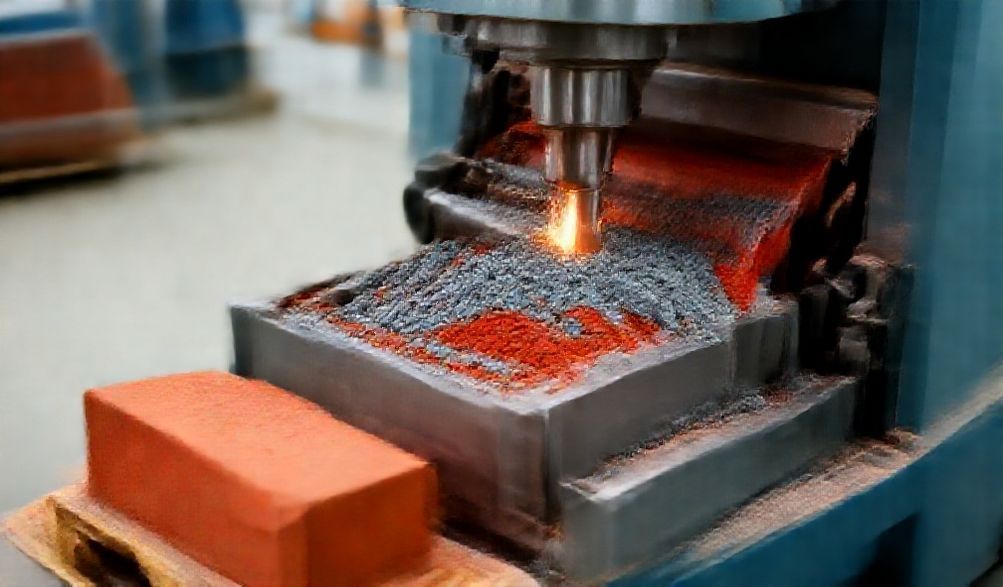
Aciem Aedificatoris Hodierni: Penitus Technica Investigatio in Machinis Laterum Argillae et Cineris Volantis Faciendis
In aetate qua postulationes aedificationis cum officio environmentali confligunt, industria in bivio critico consistit. Quaerela materiae aedificandae durabilis et parvi pretii iam non potest neglegere ingentem vestigium traditionalis fabricae. Ecce solutio transformativa: machina laterum ex argilla et pulvere cineris conficiendorum. Haec non est tantum aliud instrumentum officinae; est machinatio sophistica alchemica quae duas copiosas opes—vastum industriale et terram—in ipsa fundamenta nostri ambitus aedificati convertit.
Hic ductor ex operis fabricis et officinis machinalibus oritur. Nos ultra libellos venditionis progredimur, ut manuale technice fundatum et practicum reddamus entrepreneuribus, ingeniariis civilibus, et aedificatoribus prospectum cogitantibus. Technologiam quae id efficit dissecabimus, eius commoda indubitata metiemur, et rationem perspicuam praebebimus ad machinam aptam negotio tuo eligendam. Hoc habe pro exemplari completo ad intellegendam innovationem quae aedificationem ab imis fundamentis transformat.
Lateres ex Argilla et Cineris Volantis Cognoscendi atque Fabricandi
Quid sunt Lateres Argillacei Cineris Volatici?
Laterculi ex argilla et cinere volante facti sunt praestans substitutum laterculis ex argilla combustis solitis. Eorum principalis novitas in compositione consistit: pars notabilis argillae (plerumque 20-40%) substituitur cumcineres volantesPulvis subtilis et vitreus ex caminis vaporariis thermoelectricarum carbonis igne calefactarum collectus. Hic cineris volaticus, cum argilla, calce/ caemento, et aqua mixtus, subitreaction pozzolanica.
Hic processus chemicus stabilia cementitia composita creat, efficiens laterem qui non solum ex re perdita confectus est, sed saepe praestantior. Lateres inde orti insigni vi compressionis, uniformitate dimensionum, ac proprietatibus thermalibus auctis notantur.
Technologia Principalis: Quomodo Machina Operatur
Pulveris et argillae mixturae in praecisum aedificii laterculum transformandae ars mirabilis est machinalis hydraulicaeque artis. Processus ordo est arcte moderatus:
- Alimentatio & Proportio:Omnia constantia incipiunt. Pondera automata aut receptacula mensuralia cinerem volaticum, argillam, conglutinantes materias (ut calcem vel caementum), et interdum gypsum diligenter dispensant. Hoc efficit ut mixturae descriptio—formula firmitatis et qualitatis—pro singulis copiis perfecte repetatur.
- Miscere & Homogeneare:Sicca elementa in mixtorium immittuntur, saepe patinae vel remorum generis, ubi aqua additur. Propositum est efficere mixturam homogeneam, plasticam cum optimo umore (plerumque inter VIII et XII centesimas). Haec "operabilitas" proximo stadio magni momenti est.
- Compressio & Formatio:Hic est cor machinae. Mixtura parata in capsulam formae (matricem) immittitur. Hic, ingens pressio adhibetur. Sunt methodi primariae:
- Pressura Hydraulica:Hydraulica aries constanter altam pressionem (ab octoginta ad plus trecentas tonnas) adhibet, mixturam in densam solidamque formam comprimens.
- Vibratoria Compactionis: High-frequency vibration, sometimes combined with lower pressure, consolidates the mix.
This stage determines the brick’s density, strength, and surface finish.
- Ejectio & Tractatio The newly formed “green brick” is gently ejected from the mold onto a conveyor belt or pallet. Advanced systems use robotic arms or stackers to organize bricks for curing, minimizing handling damage.
- Sanatio: Unlike traditional bricks, these are not fired. Instead, they gain strength through curing:
- Vaporis Cura Bricks are placed in a curing chamber and exposed to saturated steam (60-80°C) for 8-12 hours. This accelerates the pozzolanic reaction, yielding high early strength within days.
- Water/Air Curing: A slower process where bricks are sprinkled with water and covered for 2-3 weeks. Suitable for smaller operations.
Key Advantages of Using a Clay Fly Ash Brick Making Machine
Beneficia Circumiectorum et Sustentabilitatis
The environmental case for this technology is compelling and multifaceted.
- Utilitas Excrementorum: Each brick produced consumes a substantial amount of fly ash, diverting this industrial byproduct from landfills and ash ponds, which are a significant source of air and water pollution.
- Efficacia Energiae: The process eliminates the need for fossil fuel-fired kilns, which operate at over 1000°C. The energy savings are dramatic, often exceeding 70-80% compared to traditional brick manufacturing.
- Conservatio Opum By reducing reliance on topsoil, it helps preserve fertile agricultural land and prevents topsoil degradation, a major ecological concern in many regions.
Economic and Performance Benefits
The sustainability benefits are powerfully complemented by strong economic and performance drivers.
- Efficacia Impendiorum: Fly ash is often a low-cost or even free raw material (with transport being the main cost). Combined with lower energy bills, this significantly reduces the cost per brick, boosting profit margins.
- Superior Lateris Qualitas: These machines produce bricks that frequently outperform their fired counterparts.
- Higher compressive strength (often 10-15 MPa or more).
- Excellent dimensional consistency, reducing mortar use.
- Lower water absorption, leading to better damp resistance and durability.
- Improved thermal insulation, contributing to energy-efficient buildings.
- Efficentia Productionis: Modern machines offer high levels of automation, enabling continuous, large-scale production with minimal manual labor. This leads to predictable output, consistent quality, and better scalability for growing businesses.
How to Choose the Right Clay Fly Ash Brick Making Machine
Tuas Exigentias Productionis Perpendens
A misaligned machine is a costly mistake. Start by defining your needs:
- Output Capacitas: Be realistic. Are you supplying a specific project or establishing a commercial plant? Calculate your needed Bricks Per Hour (BPH)autBricks Per Day (BPD). Machines range from 1,000 to 50,000+ BPD.
- Lateris Genus et Magnitudo: Determine your market. Does it demand standard solid bricks, hollow blocks for insulation, or pavers? Ensure the machine’s mold and pressure system are designed for your desired product.
- Gradus Automatizationis: Choose based on your labor availability and capital.
- Semi-Automaticus: Manual feeding and brick handling, lower cost, suitable for startups.
- Omnino Automata: PLC-controlled with auto-feeders, conveyors, and stackers. Maximizes output and minimizes labor but requires higher investment.
Critical Technical Specifications to Evaluate
Look beyond the brochure. Scrutinize these technical details:
- Pressure Type & Capacity: Hydraulic pressure (in tons) is key for dense, strong bricks. For high-quality solid bricks, a minimum of 150-200 tons is often recommended. Understand the difference between static compaction and impact/vibratory presses.
- Potestatis Postulata: Check the total connected load (in kW). Ensure your facility’s electrical infrastructure can support it, including any necessary three-phase power.
- Machine Build & Durability: Inspect the quality of the steel frame, the brand and specification of hydraulic pumps and cylinders, and the hardness of the mold liners and wear plates. A heavier frame generally indicates better vibration absorption and longevity.
- Post-Venalium Subsidium: This is non-negotiable. Confirm the availability of installation supervision, operator training, a readily available spare parts inventory, and a responsive service team. A machine is a long-term partner.
Cost Analysis and ROI Considerations
View the purchase as an investment. Build a simple financial model:
1. Total Initial Investment: Machine cost + installation + foundation + initial raw material stock.
2. Operational Cost Per Brick: (Raw materials + electricity + labor + maintenance) / brick output.
3. Market Price Per Brick: Your selling price.
4. Gross Margin: Subtract #2 from #3.
5. Tempus Reditus: Divide #1 by (Gross Margin x Monthly Brick Output).
A well-run plant with a good market can often see a payback period of 1.5 to 3 years.
Operational Best Practices and Maintenance
Setting Up for Optimal Production
A proper foundation is literal and figurative.
- Prepare a level, reinforced concrete foundation as per the manufacturer’s drawings to handle dynamic loads.
- Ensure reliable access to three-phase electricity and a clean water source.
- Implement raw material QC: sieve clay to remove stones, store fly ash under cover to prevent moisture variation, and test lime/cement for reactivity.
Routine Operation and Safety Protocols
Consistency and safety are paramount.
- Follow a strict startup sequence: check oil levels, warm up the hydraulic system, and test run without load.
- During operation, monitor pressure gauges, brick density, and the condition of ejected bricks.
- Enforce safety: use lock-out/tag-out during maintenance, ensure all guards are in place, and train operators on emergency stop procedures.
Preventive Maintenance Schedule
Preventative care prevents costly downtime.
- Daily: Check hydraulic oil level and for leaks, clean the mold and feed hopper, and tighten any visible loose bolts.
- Weekly: Lubricate all moving joints and bearings, inspect hydraulic hoses for wear, and clean oil filters.
- Monthly: Check and calibrate pressure settings, inspect the electrical panel for loose connections, and test safety interlocks.
Interrogationes Saepius Petitae (ISP)
Q1: What is the typical ratio of fly ash to clay in these bricks?
A: A common and effective mix is 55-60% fly ash, 25-30% clay, 8-10% lime, and 2-5% gypsum, with water added for plasticity. The exact “perfect” ratio must be determined through lab tests using your local materials to achieve target strength and workability.
Q2: Do clay fly ash bricks require firing in a kiln?
A: No, that’s a core advantage. They are non-fired bricks. Strength is developed through the pozzolanic reaction during curing (especially steam curing), which creates stable, cement-like bonds without the massive energy input of a kiln.
Q3: What is the production capacity range for these machines?
A: Capacity spans a vast spectrum. A small semi-automatic machine might produce 2,000-4,000 bricks per 8-hour shift. A mid-range fully automatic line can produce 15,000-25,000. Large industrial plants with multiple machines can exceed 100,000 bricks per day.
Q4: Are bricks made with this method durable and weather-resistant?
A: Absolutely. When produced with the correct mix design, compaction, and curing, they exhibit lower water absorptionethigher frost resistance than many traditional clay bricks. Their superior compressive strength also makes them excellent for load-bearing walls in multi-story constructions.
Q5: What are the major challenges in operating such a plant?
A: The primary challenges are sourcing consistent-quality fly ash, mastering the mix design for local materials, controlling the moisture content during mixing, and ensuring you have access to skilled technical support for machine maintenance and troubleshooting process hiccups.
Conclusio.
Investing in a clay fly ash brick making machine is a strategic decision that aligns profitability with planetary stewardship. This technology masterfully solves a dual challenge: it provides an elegant outlet for industrial waste while manufacturing a construction material that is, by many metrics, superior to its centuries-old predecessor.
The journey from concept to production requires diligence. By leveraging the insights in this guide—from understanding the pozzolanic reaction to evaluating hydraulic tonnage—you are equipped to make an informed, confident investment. We urge you to take the next steps: conduct material tests with your local fly ash, visit operational plants to see machines in action, and engage with manufacturers who offer robust technical support. In doing so, you won’t just be buying a machine; you’ll be building a foundation for a more sustainable and resilient business in the new era of construction.
<