
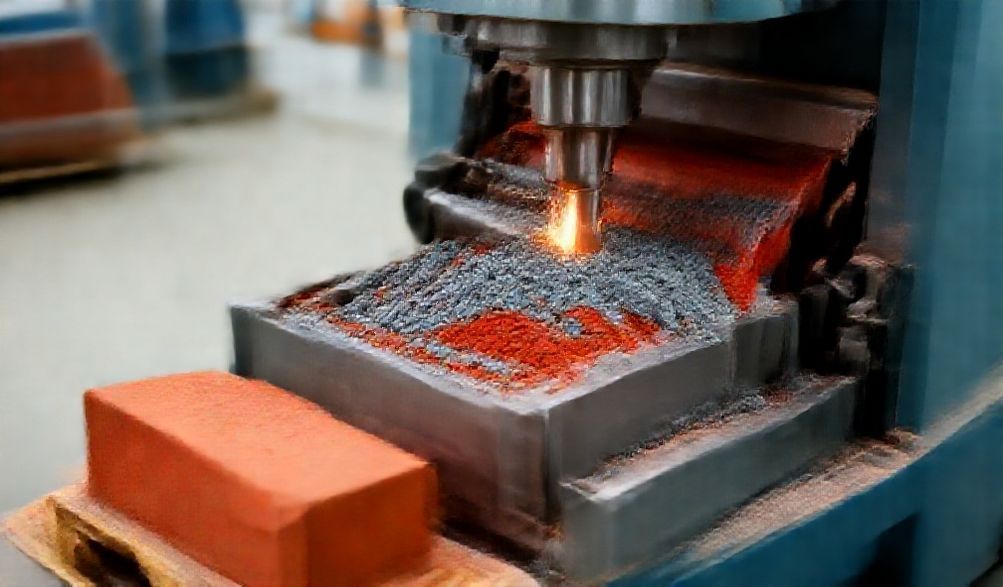
Ҳудуди Созандаи Муосир: Таҳқиқи Техникии Чуқури дар Машинаҳои Сохтани Хишти Хокистон ва Флюс
Дар даврае, ки талаботи сохтмон бо масъулияти муҳитизӣ бархӯрд мекунанд, ин соҳа дар як чаҳорроҳи муҳим қарор дорад. Ҷустуҷӯи маводди сохтмонии бо давом ва арзон дигар наметавонад пайи пойи бузурги истеҳсоли анъанавиро нодида гирад. Ҳалли табдилдиҳанда ворид мешавад: мошини сохтани хишти хокистар аз хокистари партовӣ. Ин танҳо як дастгоҳи дигари корхона нест; ин мотори мураккаби кимиёвӣ аст, ки ду манбаъи фаровон - партови саноатӣ ва хок -ро ба асоси муҳити сохтмони мо табдил медиҳад.
Ин дастур аз амалиёт дар корхонаҳои истеҳсолӣ ва коргоҳҳои муҳандисӣ ба вуҷуд омадааст. Мо аз варақаҳои фурӯш берун рафта, дастури асоснок ва амалиро барои соҳибкорон, муҳандисони шаҳрсозӣ ва бинокорони пешрафта таҳия мекунем. Мо технологиеро, ки инро имконпазир мекунад, таҳлил мекунем, бартариҳои бешакки онро чен мекунем ва чорчӯбаи равшане барои интихоби мошини дуруст барои лоиҳаи шумо пешниҳод мекунем. Инро нақшаи комили худ барои фаҳмиши навоварие, ки сохтмонро аз асос тағйир медиҳад, ба ҳисоб биёред.
Фаҳмидани Хишти Лойи Куллаи Оташ ва Истеҳсоли Он
Чӣ гуна хишти лойи хокистаи партовӣ?
Хаҷми хишти хокистони реголӣ як алтернативи баландсамар барои хишти сӯхтаи анъанавӣ мебошад. Навоварии асосии он дар таркибаш аст: қисми муҳими гил (одатан 20-40%) бо хокистон иваз карда мешавад.хоки парронда, хокаи майдаи шишагӣ, ки аз дадҳои ихроҷи нерӯгоҳҳои гармидиҳии ангиштӣ ҷамъоварӣ мешавад. Ин хокистар ҳангоми омехта шудан бо гил, оҳак/семент ва об, тағйир меёбад.реаксияи пуццоланӣ.
Ин раванди химиявӣ пайвастагиҳои устувори сементиро эҷод мекунад, ки дар натиҷа хиште ба даст меояд, ки на танҳо маҳсулоти партовӣ, балки аксар вақт маҳсулоти беҳтар аст. Блокҳои ҳосилшуда бо қобилияти фишурдани истисноӣ, яксонии андоза ва хосиятҳои гармии беҳтаршуда тавсиф мешаванд.
Технологияи аслӣ: Чи тавр мошин кор мекунад
Табдил додани омехтаи хок ва гил ба блоки сохтмонии дақиқ мӯъҷизаи муҳандисии механикӣ ва гидравликӣ мебошад. Ин раванд пайдарпаии сахт назоратшаванда аст:
- Тағзия ва Таносубдиҳӣ:Ҳама чиз аз устуворӣ оғоз мешавад. Хӯрокдиҳандагони вазнкунандаи автоматӣ ё ҳопперҳои ҳаҷмӣ бо эҳтиёт хокистари паридан, гил, пайвандкунандаҳо (ба монанди оҳак ё семент) ва баъзан гипсро пароканда мекунанд. Ин кафолат медиҳад, ки таркиби омехта — рецепт барои устуворӣ ва сифат — барои ҳар партия дақиқан такрор карда шавад.
- Омехтасозӣ ва ҳомогенизатсия:Компонентҳои хушки ба омехтакунанда, ки аксаран аз навъи тоба ё парракдор мебошад, ворид карда мешаванд ва дар он ҷо об илова мегардад. Ҳадаф ба даст овардани омехтаи якҷинса ва пластикӣ бо таркиби намии оптималӣ (одатан дар байни 8-12%) аст. Ин “қобилияти коркардшавӣ” барои марҳилаи навбатӣ муҳим мебошад.
- Фарбеҳ ва қолибгирӣ: This is the heart of the machine. The prepared mix is fed into a mold box (die). Here, immense pressure is applied. There are primary methods:
- Фишори гидравликӣ: A hydraulic ram applies steady, high pressure (ranging from 80 to over 300 tons), compressing the mix to a dense, solid form.
- Компактиши Вибратсионӣ: High-frequency vibration, sometimes combined with lower pressure, consolidates the mix.
This stage determines the brick’s density, strength, and surface finish.
- Ejection & Handling: The newly formed “green brick” is gently ejected from the mold onto a conveyor belt or pallet. Advanced systems use robotic arms or stackers to organize bricks for curing, minimizing handling damage.
- Шифо додан: Unlike traditional bricks, these are not fired. Instead, they gain strength through curing:
- Steam Curing: Bricks are placed in a curing chamber and exposed to saturated steam (60-80°C) for 8-12 hours. This accelerates the pozzolanic reaction, yielding high early strength within days.
- Water/Air Curing: A slower process where bricks are sprinkled with water and covered for 2-3 weeks. Suitable for smaller operations.
Key Advantages of Using a Clay Fly Ash Brick Making Machine
Манфиатҳои экологӣ ва устуворӣ
The environmental case for this technology is compelling and multifaceted.
- Истифодаи партов: Each brick produced consumes a substantial amount of fly ash, diverting this industrial byproduct from landfills and ash ponds, which are a significant source of air and water pollution.
- Самаранокии энергетикӣ: The process eliminates the need for fossil fuel-fired kilns, which operate at over 1000°C. The energy savings are dramatic, often exceeding 70-80% compared to traditional brick manufacturing.
- Ҳифзи манбаъҳои табиӣ: By reducing reliance on topsoil, it helps preserve fertile agricultural land and prevents topsoil degradation, a major ecological concern in many regions.
Economic and Performance Benefits
The sustainability benefits are powerfully complemented by strong economic and performance drivers.
- Самаранокии хароҷот: Fly ash is often a low-cost or even free raw material (with transport being the main cost). Combined with lower energy bills, this significantly reduces the cost per brick, boosting profit margins.
- Superior Brick Quality: These machines produce bricks that frequently outperform their fired counterparts.
- Higher compressive strength (often 10-15 MPa or more).
- Excellent dimensional consistency, reducing mortar use.
- Lower water absorption, leading to better damp resistance and durability.
- Improved thermal insulation, contributing to energy-efficient buildings.
- Самарабахшии истеҳсолот Modern machines offer high levels of automation, enabling continuous, large-scale production with minimal manual labor. This leads to predictable output, consistent quality, and better scalability for growing businesses.
How to Choose the Right Clay Fly Ash Brick Making Machine
Арзёбии талаботи истеҳсолии шумо
A misaligned machine is a costly mistake. Start by defining your needs:
- Иқтидори баромад Be realistic. Are you supplying a specific project or establishing a commercial plant? Calculate your needed Bricks Per Hour (BPH)ёBricks Per Day (BPD). Machines range from 1,000 to 50,000+ BPD.
- Навъ ва Андозаи Хишт: Determine your market. Does it demand standard solid bricks, hollow blocks for insulation, or pavers? Ensure the machine’s mold and pressure system are designed for your desired product.
- Даражан автоматӣ: Choose based on your labor availability and capital.
- Ним-автоматӣ: Manual feeding and brick handling, lower cost, suitable for startups.
- Пурра худкор: PLC-controlled with auto-feeders, conveyors, and stackers. Maximizes output and minimizes labor but requires higher investment.
Critical Technical Specifications to Evaluate
Look beyond the brochure. Scrutinize these technical details:
- Pressure Type & Capacity: Hydraulic pressure (in tons) is key for dense, strong bricks. For high-quality solid bricks, a minimum of 150-200 tons is often recommended. Understand the difference between static compaction and impact/vibratory presses.
- Талабҳои барқ: Check the total connected load (in kW). Ensure your facility’s electrical infrastructure can support it, including any necessary three-phase power.
- Machine Build & Durability: Inspect the quality of the steel frame, the brand and specification of hydraulic pumps and cylinders, and the hardness of the mold liners and wear plates. A heavier frame generally indicates better vibration absorption and longevity.
- Дастгирии пас аз фурӯш: This is non-negotiable. Confirm the availability of installation supervision, operator training, a readily available spare parts inventory, and a responsive service team. A machine is a long-term partner.
Cost Analysis and ROI Considerations
View the purchase as an investment. Build a simple financial model:
1. Total Initial Investment: Machine cost + installation + foundation + initial raw material stock.
2. Operational Cost Per Brick: (Raw materials + electricity + labor + maintenance) / brick output.
3. Market Price Per Brick: Your selling price.
4. Gross Margin: Subtract #2 from #3.
5. Payback Period: Divide #1 by (Gross Margin x Monthly Brick Output).
A well-run plant with a good market can often see a payback period of 1.5 to 3 years.
Operational Best Practices and Maintenance
Setting Up for Optimal Production
A proper foundation is literal and figurative.
- Prepare a level, reinforced concrete foundation as per the manufacturer’s drawings to handle dynamic loads.
- Ensure reliable access to three-phase electricity and a clean water source.
- Implement raw material QC: sieve clay to remove stones, store fly ash under cover to prevent moisture variation, and test lime/cement for reactivity.
Routine Operation and Safety Protocols
Consistency and safety are paramount.
- Follow a strict startup sequence: check oil levels, warm up the hydraulic system, and test run without load.
- During operation, monitor pressure gauges, brick density, and the condition of ejected bricks.
- Enforce safety: use lock-out/tag-out during maintenance, ensure all guards are in place, and train operators on emergency stop procedures.
Preventive Maintenance Schedule
Preventative care prevents costly downtime.
- Daily: Check hydraulic oil level and for leaks, clean the mold and feed hopper, and tighten any visible loose bolts.
- Weekly: Lubricate all moving joints and bearings, inspect hydraulic hoses for wear, and clean oil filters.
- Monthly: Check and calibrate pressure settings, inspect the electrical panel for loose connections, and test safety interlocks.
Frequently Asked Questions (FAQ)
Q1: What is the typical ratio of fly ash to clay in these bricks?
A: A common and effective mix is 55-60% fly ash, 25-30% clay, 8-10% lime, and 2-5% gypsum, with water added for plasticity. The exact “perfect” ratio must be determined through lab tests using your local materials to achieve target strength and workability.
Q2: Do clay fly ash bricks require firing in a kiln?
A: No, that’s a core advantage. They are non-fired bricks. Strength is developed through the pozzolanic reaction during curing (especially steam curing), which creates stable, cement-like bonds without the massive energy input of a kiln.
Q3: What is the production capacity range for these machines?
A: Capacity spans a vast spectrum. A small semi-automatic machine might produce 2,000-4,000 bricks per 8-hour shift. A mid-range fully automatic line can produce 15,000-25,000. Large industrial plants with multiple machines can exceed 100,000 bricks per day.
Q4: Are bricks made with this method durable and weather-resistant?
A: Absolutely. When produced with the correct mix design, compaction, and curing, they exhibit lower water absorptionваhigher frost resistance than many traditional clay bricks. Their superior compressive strength also makes them excellent for load-bearing walls in multi-story constructions.
Q5: What are the major challenges in operating such a plant?
A: The primary challenges are sourcing consistent-quality fly ash, mastering the mix design for local materials, controlling the moisture content during mixing, and ensuring you have access to skilled technical support for machine maintenance and troubleshooting process hiccups.
Conclusion
Investing in a clay fly ash brick making machine is a strategic decision that aligns profitability with planetary stewardship. This technology masterfully solves a dual challenge: it provides an elegant outlet for industrial waste while manufacturing a construction material that is, by many metrics, superior to its centuries-old predecessor.
The journey from concept to production requires diligence. By leveraging the insights in this guide—from understanding the pozzolanic reaction to evaluating hydraulic tonnage—you are equipped to make an informed, confident investment. We urge you to take the next steps: conduct material tests with your local fly ash, visit operational plants to see machines in action, and engage with manufacturers who offer robust technical support. In doing so, you won’t just be buying a machine; you’ll be building a foundation for a more sustainable and resilient business in the new era of construction.
<