
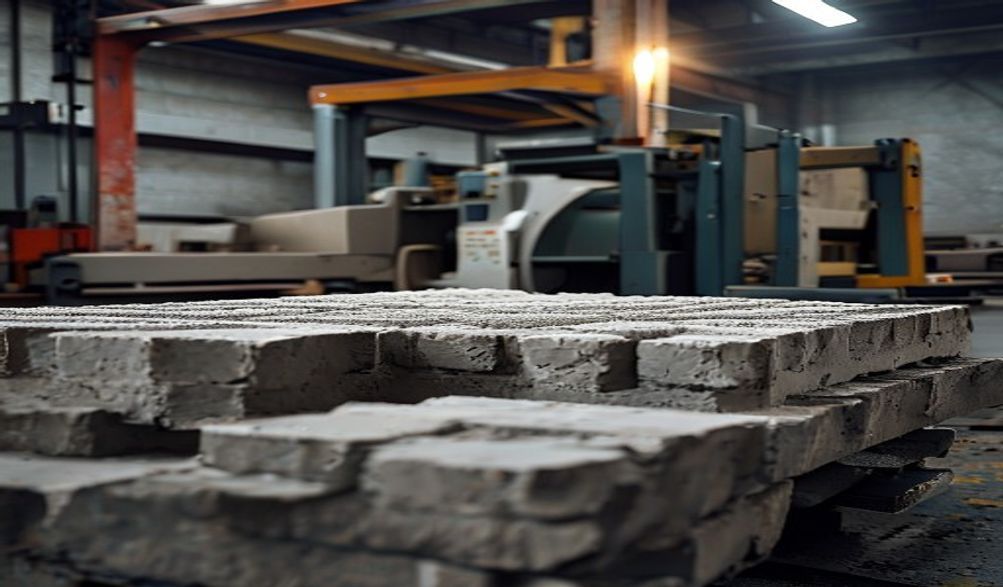
Cómo Elegir una Máquina para Hacer Ladrillos de Cemento: Guía de Compra para Expertos 2024
Elegir la máquina incorrecta para fabricar ladrillos de cemento puede costarte miles en pérdida de productividad, materiales de baja calidad y plazos de proyecto incumplidos. Es una decisión de alto riesgo donde la emoción y una etiqueta de precio tentadora pueden fácilmente desviarte del camino. Como alguien que ha asesorado en la configuración de docenas de patios de bloques y plantas de producción, he visto las consecuencias de compras apresuradas.
Esta guía es diferente. No está basada en especulaciones, sino en principios de ingeniería, datos de rendimiento del mundo real y experiencia industrial ganada con esfuerzo. Mi objetivo es transformar esta decisión compleja en un proceso claro y paso a paso. Al final, tendrás un marco concreto para seleccionar la máquina perfecta que se alinee con tus objetivos de producción específicos, las limitaciones de tu sitio y tu presupuesto.
Avanzaremos de manera lógica, desde comprender tus propias necesidades, pasando por el panorama técnico de los tipos de máquinas, hasta examinar las especificaciones críticas y calcular los costos reales. Construyamos una base para tu éxito.
Comprender los Requisitos de tu Proyecto: La Base de tu Elección
Antes de mirar un solo folleto de maquinaria, debes mirar hacia adentro. La máquina más sofisticada y costosa es una responsabilidad si no se ajusta a tu realidad. Esta autoevaluación inicial es el paso más crítico, fundamentado en la experiencia práctica.
Definiendo Tus Metas de Producción
Tu resultado requerido es el principal impulsor de todo lo que sigue.
- Ladrillos por Hora/Día:Sé brutalmente honesto. ¿Estás produciendo bloques para la construcción de una sola vivienda, abasteciendo al mercado local de la construcción o aspirando a contratos comerciales a gran escala?
- Pequeña escala (100-500 bloques/día):A menudo servido por máquinas manuales o semiautomáticas.
- Mediana escala (500-3,000 bloques/día):El dominio de las máquinas robustas semiautomáticas y automáticas de nivel básico.
- A gran escala (más de 3,000 bloques/día):Requiere líneas de producción totalmente automáticas.
- Escala y Duración del Proyecto:¿Se trata de un proyecto puntual, un trabajo por contrato intermitente o una nueva empresa permanente? Su respuesta determina la durabilidad necesaria y el plazo de retorno de la inversión (ROI).
Especificaciones de los Ladrillos y Diversidad de Productos
La máquina debe producir elderechaladrillo, no soloaladrillo.
- Tamaño, Forma y Diseño:Enumera todos los productos que necesitas ahora y que podrías necesitar en los próximos 3-5 años.
- Bloques estándar sólidos/huecos (4”, 6”, 8”)
- Adoquines, entrelazados, bloques de césped
- Diseños personalizados o formas especializadas.
- Resistencia a la Compresión Requerida:Esto no es negociable para la integridad estructural. Ajuste la capacidad de la máquina a los códigos de construcción locales y a la aplicación (por ejemplo, los muros de carga requieren mayor resistencia que los adoquines de jardín).
Restricciones del Sitio y Operacionales
Ignora estos, y tu nueva máquina se convierte en un pisapapeles muy grande.
- Espacio Disponible:No solo mida la huella de la máquina, sino también el espacio para los bastidores de curado, el almacenamiento de materias primas (cemento, áridos) y el inventario de productos terminados.
- Disponibilidad de la Fuente de Energía:¿Tienes electricidad trifásica confiable o necesitarás una máquina con motor diésel? Las máquinas manuales requieren fuerza muscular, no energía de la red eléctrica.
- Nivel de Habilidad Laboral:¿Quién lo operará? Una máquina completamente automática puede requerir un técnico capacitado, mientras que un modelo semiautomático podría ser manejado por trabajadores generales con la formación adecuada.
Tipos de Máquinas para Hacer Ladrillos de Cemento: Mecanismos y Aplicaciones
Comprender la tecnología central detrás de cada tipo es clave para adaptarla a sus necesidades. Aquí tiene un desglose técnico de las tres categorías principales.
Máquinas Manuales para Hacer Bloques
Estas son la forma más simple de producción de ladrillos, dependiendo de la fuerza humana.
- Cómo Funcionan:Un mecanismo operado por palanca comprime una mezcla de cemento colocada en un molde. No se requiere electricidad ni motor.
- Pros y Contras:
- Pros:Costo ultra bajo, extrema portabilidad, cero costos de energía, mantenimiento simple.
- Contras:Producción muy baja (40-120 bloques/día), alta intensidad de trabajo físico, calidad inconsistente dependiente del operador.
- Ideal para:Entusiastas del bricolaje, proyectos a muy pequeña escala en ubicaciones remotas sin electricidad, o como herramienta complementaria para productos especializados de bajo volumen.
Máquinas Semiautomáticas para Fabricar Ladrillos
Esta categoría ofrece el mejor equilibrio para la mayoría de las pequeñas y medianas empresas, automatizando el proceso crítico de compactación.
- Cómo Funcionan:Un motor eléctrico o diésel acciona un sistema de vibración y una prensa hidráulica para compactar el concreto en moldes. El proceso de llenar los moldes, mover las bandejas y apilar los ladrillos crudos suele ser manual.
- Pros y Contras:
- Pros:Significativamente mayor producción que la manual (300-2,500 bloques/día), buena consistencia de calidad debido a vibración/presión motorizada, costo moderado, uso más eficiente de la mano de obra.
- Contras:Todavía requiere un equipo de 3 a 5 personas, la producción está limitada por los pasos de manejo manual.
- Ideal para:Contratistas de mampostería en crecimiento, pequeñas empresas de fabricación de bloques y proyectos de vivienda comunitaria. Es el caballo de batalla de la industria.
Máquinas para Fabricar Ladrillos Completamente Automáticas
Estos son sistemas de producción integrados donde la intervención humana es mínima.
- Cómo Funcionan:Un panel de control computarizado gestiona toda una línea: dosificación y alimentación automática de materiales, moldeo de alta velocidad, curado, y apilado robótico/retorno de pallets.
- Pros y Contras:
- Pros:Muy alto y consistente rendimiento (3,000-20,000+ bloques/día), calidad superior y uniforme de ladrillos, mínima mano de obra (a menudo solo 1-2 supervisores), alta eficiencia.
- Contras:Altos costos de inversión inicial, mantenimiento complejo que requiere conocimientos especializados, y necesidad de espacio e infraestructura significativos (suministro de energía potente).
- Ideal para: Large-scale block production plants, industrial operations, and businesses fulfilling high-volume government or developer contracts.
Key Machine Specifications and Features to Scrutinize
Once you know the type, you must compare models on a detailed level. Don’t just take the sales sheet at face value.
Métricas Centrales de Rendimiento
These numbers tell you what the machine can do.
- Tiempo de Ciclo: The time (in seconds) to complete one molding cycle. Lower = higher potential output.
- Fuerza de Presión (Tonelaje): Measured in tons, this directly determines the brick’s density and final compressive strength. For standard blocks, look for machines with at least 60-100 tons of pressure.
- Sistema de Vibración: This is what removes air pockets and ensures a solid brick.
- Tipo: Hydraulic vibration is often smoother and more controllable than mechanical eccentric vibrators.
- Amplitude & Frequency: A balanced, high-frequency vibration is key to proper compaction, especially for hollow blocks.
Durability and Construction Quality
This determines how long the machine will keep doing it.
- Marco y Estructura: Look for heavy-duty, reinforced steel frames with clean, strong welds. A flimsy frame will flex under load, causing misalignment and wear.
- Componentes Clave: Ask about the brands of critical parts. Reputable hydraulic pumps, motors, and vibrators (from brands like Siemens, Rexroth, etc.) are a sign of quality.
- Protección contra la corrosión: The environment is abrasive and caustic. A high-quality epoxy powder coating is far superior to basic paint.
Mold System and Flexibility
Your product line is only as good as your molds.
- Mold Changing Process: How long does it take to switch from producing 4” blocks to pavers? Systems that allow for quick mold changes maximize your operational flexibility.
- Material del Molde y Precisión: Molds should be made from hardened, high-chrome steel for longevity. Precision machining ensures every brick has identical dimensions.
After-Sales Support: The Non-Negotiable
The machine will break down. The supplier’s response defines your downtime.
- Disponibilidad de Repuestos: Is there a local dealer with an inventory, or must every nut and bolt be shipped from overseas with a 6-week lead time?
- Technical Support & Training: Do they offer on-site installation and comprehensive operator training? Is phone/remote support readily available?
- Warranty Period and Coverage: A 1-year warranty on the whole machine is standard. Read the fine print—what is explicitly excluded? Longer warranties on the frame and hydraulics show manufacturer confidence.
El Costo Total de Propiedad: Más Allá del Precio de Etiqueta
The purchase price is just the entry fee. A holistic financial view builds trust and prevents nasty surprises.
Initial Investment Breakdown
- Machine Cost: The base price.
- Shipping, Insurance, and Customs: Can add 10-25% for international purchases.
- Instalación y Puesta en Marcha: Professional setup is crucial.
- Initial Spare Parts Kit: A wise investment to cover immediate needs.
- Entrenamiento de Operadores: Often included, but confirm.
Operational and Hidden Costs
These are the recurring expenses that determine your profitability.
- Consumo de Energía: Calculate the power (kW) or diesel consumption per hour and your local utility rates.
- Routine Maintenance: Lubricants, filter changes, wear parts like mold liners and vibration pads.
- Costos Laborales: Factor in the wages for the number of operators required by the machine’s automation level.
- Costos de Moldes: Additional molds for new products are a significant future expense.
Calculating Your Return on Investment (ROI)
A simple framework to justify the purchase:
(Total Value of Bricks Produced - Total Cost of Ownership) / Total Cost of Ownership
- Total Value of Bricks: Based on your target output and local market price.
- Costo Total de Propiedad: Sum of all costs above (initial + operational) over your chosen period (e.g., one year).
- Perspicacia Clave: A slightly more expensive, reliable machine that produces higher-quality bricks with less downtime will almost always have a better long-term ROI than a cheap, problematic unit.
Step-by-Step Selection Checklist and Supplier Vetting
Let’s synthesize everything into an actionable plan.
Your Pre-Purchase Checklist
Copy this list and fill it out for each machine you consider.
- Project Needs:
- [ ] Required daily output: ______ blocks
- [ ] Key brick types & strength needed: ______
- [ ] Available space: ______ sq ft
- [ ] Available power: ______
- Machine Type & Specs:
- [ ] Preferred type: Manual / Semi-Auto / Fully Auto
- [ ] Cycle Time: ______ seconds
- [ ] Pressure Force: ______ tons
- [ ] Vibration System Type: ______
- [ ] Mold changeover time: ______ minutes
- Budget & Support:
- [ ] Total Budget (including shipping): ______
- [ ] Warranty Length & Details: ______
- [ ] Spare Parts Lead Time Confirmed: ______
How to Vet Manufacturers and Suppliers
- Request and Check References: Ask for 2-3 clients in your region with similar needs. Call them. Ask about machine performance, reliability, and support responsiveness.
- Demand Proof of Performance: A reputable supplier will provide videos of the actual machine model running in their factory. Better yet, arrange a factory audit to see it live and test it with your mix design if possible.
- Analyze Quotations Meticulously: Ensure quotes are for identical specifications. A lower price often means cheaper components, thinner steel, or excluded essentials like training.
- Review Contracts Carefully: Pay special attention to warranty terms, payment milestones, and delivery/installation clauses. Do not sign vague documents.
Frequently Asked Questions (FAQ)
Q: What is the average cost range for a cement brick making machine?
A: The range is vast, dictated entirely by specifications. Manual presses start around $500 – $2,000. Semi-automatic machines for small businesses typically range from $5,000 to $30,000. Fully automatic production lines begin around $50,000 and can exceed $200,000. Focus on the total cost of ownership, not just the sticker price.
Q: Can I use a brick making machine for other products like concrete pavers?
A: Yes, versatility is common. The critical factor is the mold. Ensure the machine you select has a compatible mold system for your desired products (e.g., paver molds) and that its pressure and vibration specifications are adequate to produce a dense, durable paver.
Q: How important is after-sales service, and what should I look for?
A: It is arguably the most important factor. A machine without support is a ticking clock. Look for a supplier with a documented network of service technicians, a readily available spare parts inventory (ask for a parts catalog), and a commitment to providing training. A strong warranty is a good indicator of their confidence.
Q: What is the most common mistake buyers make when choosing a machine?
A: Two extremes: 1) Overbuying: Purchasing a large, complex automatic machine for small-scale, intermittent use, which destroys ROI through high fixed costs and underutilization. 2) Under-specifying: Choosing a cheap machine that cannot meet the required output or brick strength, leading to project failures, wasted materials, and lost reputation. An honest needs assessment is your best defense.
Conclusión
Choosing the right cement brick making machine is a strategic investment that balances a triad of factors: your specific project requirementseltechnical capabilities and durability of the equipment, and the long-term reliability and support of the supplier. There is no universal “best” machine—only the best machine for you.
By methodically working through this guide—from defining your output goals to calculating total cost and rigorously vetting suppliers—you move from being a hopeful buyer to an informed decision-maker. You’re not just purchasing a piece of machinery; you’re securing a productive asset that will literally build the foundation of your projects, business, and success for years to come.
Your Call to Action: Download or copy the checklist provided. Use it as your roadmap. Research thoroughly, ask the hard questions, and invest not just in metal and motors, but in partnership and peace of mind.
<