
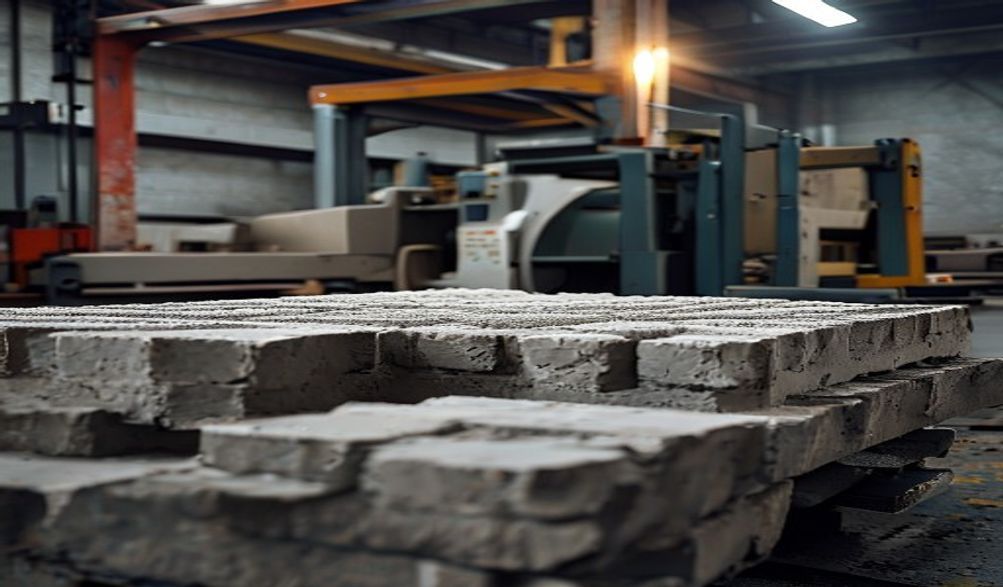
Comment choisir une machine à fabriquer des briques de ciment : Guide d'achat expert 2024
Choisir la mauvaise machine à fabriquer des blocs de ciment peut vous coûter des milliers en perte de productivité, en matériaux de qualité inférieure et en délais de projet manqués. C'est une décision à haut risque où l'émotion et un prix tentant peuvent facilement vous égarer. En tant que personne ayant conseillé la mise en place de dizaines de cours à blocs et d'usines de production, j'ai vu les conséquences des achats précipités.
Ce guide est différent. Il n'est pas fondé sur des spéculations, mais sur des principes d'ingénierie, des données de performance éprouvées et une expérience industrielle acquise de haute lutte. Mon objectif est de transformer cette décision complexe en un processus clair et étape par étape. À la fin, vous disposerez d'un cadre concret pour choisir la machine idéale, alignée sur vos objectifs de production spécifiques, les contraintes de votre site et votre budget.
Nous procéderons logiquement, en partant de la compréhension de vos propres besoins, en passant par le paysage technique des types de machines, pour ensuite examiner minutieusement les spécifications critiques et calculer les coûts réels. Jetons les bases de votre succès.
Comprendre vos exigences de projet : la base de votre choix
Avant de regarder un seul dépliant de machine, vous devez d'abord regarder à l'intérieur de vous-même. La machine la plus sophistiquée et coûteuse devient un handicap si elle ne correspond pas à votre réalité. Cette auto-évaluation initiale est l'étape la plus cruciale, ancrée dans l'expérience pratique.
Définir vos objectifs de production
Votre résultat requis est le principal moteur de tout ce qui suit.
- Briques par heure/jour :Soyez brutalement honnête. Produisez-vous des blocs pour la construction d'une seule maison, approvisionnez-vous le marché local de la construction, ou visez-vous des contrats commerciaux à grande échelle ?
- Petite échelle (100 à 500 blocs/jour) :Souvent servi par des machines manuelles ou semi-automatiques.
- Moyenne échelle (500 à 3 000 blocs/jour) :Le domaine des machines robustes semi-automatiques et des machines automatiques de niveau d'entrée.
- À grande échelle (plus de 3 000 blocs/jour) :Nécessite des chaînes de production entièrement automatiques.
- Échelle et durée du projetS'agit-il d'un projet ponctuel, de travaux contractuels intermittents ou d'une nouvelle entreprise commerciale permanente ? Votre réponse détermine la durabilité nécessaire et l'échéancier du retour sur investissement (RSI).
Spécifications des briques et diversité des produits
La machine doit produire ledroitebrique, pas seulementabrique.
- Taille, forme et conceptionListez tous les produits dont vous avez besoin maintenant et pourriez avoir besoin dans les 3 à 5 prochaines années.
- Blocs standards pleins/creux (4 po, 6 po, 8 po)
- Pavés, blocs d’interverrouillage, blocs de gazon
- Conceptions personnalisées ou formes spécialisées
- Résistance à la compression requise :C’est non négociable pour l’intégrité structurelle. Adaptez la capacité de la machine aux codes du bâtiment locaux et à l’application (par exemple, les murs porteurs nécessitent une résistance plus élevée que les pavés de jardin).
Contraintes du site et opérationnelles
Ignorez-les, et votre nouvelle machine devient un très gros presse-papiers.
- Espace disponible :Ne mesurez pas seulement l'empreinte de la machine, mais aussi l'espace pour les étagères de séchage, le stockage des matières premières (ciment, granulats) et l'inventaire des produits finis.
- Disponibilité de la source d'alimentation :Avez-vous une alimentation électrique triphasée fiable, ou aurez-vous besoin d'une machine alimentée au diesel? Les machines manuelles exigent de la force musculaire, pas de courant secteur.
- Niveau de compétence de la main-d'œuvre :Qui l'exploitera ? Une machine entièrement automatique peut nécessiter un technicien qualifié, tandis qu'un modèle semi-automatique pourrait être utilisé par des ouvriers généraux avec une formation adéquate.
Types de machines de fabrication de briques en ciment : mécanismes et applications
Comprendre la technologie de base derrière chaque type est essentiel pour l'adapter à vos besoins. Voici une analyse technique des trois principales catégories.
Machines à blocs manuelles
Il s'agit de la forme la plus simple de production de briques, reposant sur la force humaine.
- Comment ils fonctionnent : A lever-operated mechanism compresses a cement mix placed in a mold. No electricity or engine is required.
- Avantages et inconvénients :
- Avantages : Ultra-low cost, extreme portability, zero energy costs, simple maintenance.
- Inconvénients : Very low output (40-120 blocks/day), high physical labor intensity, inconsistent quality dependent on operator.
- Idéal pour : DIY enthusiasts, very small-scale projects in remote locations without power, or as a supplemental tool for specialty, low-volume products.
Machines à fabriquer des briques semi-automatiques
This category offers the best balance for most small to medium businesses, automating the critical compaction process.
- Comment ils fonctionnent : An electric or diesel motor drives a vibration system and hydraulic press to compact the concrete into molds. The process of filling molds, moving pallets, and stacking green bricks is typically manual.
- Avantages et inconvénients :
- Avantages : Significantly higher output than manual (300-2,500 blocks/day), good quality consistency due to powered vibration/pressure, moderate cost, more efficient labor use.
- Inconvénients : Still requires a crew of 3-5 people, output is limited by manual handling steps.
- Idéal pour : Growing masonry contractors, small block manufacturing businesses, and community housing projects. It’s the workhorse of the industry.
Machines à fabriquer des briques entièrement automatiques
These are integrated production systems where human intervention is minimal.
- Comment ils fonctionnent : A computerized control panel manages an entire line: automatic material batching and feeding, high-speed molding, curing, and robotic stacking/pallet return.
- Avantages et inconvénients :
- Avantages : Very high, consistent output (3,000-20,000+ blocks/day), superior and uniform brick quality, minimal manual labor (often just 1-2 supervisors), high efficiency.
- Inconvénients : Very high initial capital investment, complex maintenance requiring specialist knowledge, significant space and infrastructure (strong power supply) needed.
- Idéal pour : Large-scale block production plants, industrial operations, and businesses fulfilling high-volume government or developer contracts.
Key Machine Specifications and Features to Scrutinize
Once you know the type, you must compare models on a detailed level. Don’t just take the sales sheet at face value.
Indicateurs de performance essentiels
These numbers tell you what the machine can do.
- Temps de cycle : The time (in seconds) to complete one molding cycle. Lower = higher potential output.
- Force de pression (Tonnage) : Measured in tons, this directly determines the brick’s density and final compressive strength. For standard blocks, look for machines with at least 60-100 tons of pressure.
- Système de Vibration : This is what removes air pockets and ensures a solid brick.
- Type: Hydraulic vibration is often smoother and more controllable than mechanical eccentric vibrators.
- Amplitude & Frequency: A balanced, high-frequency vibration is key to proper compaction, especially for hollow blocks.
Durability and Construction Quality
This determines how long the machine will keep doing it.
- Cadre et structure : Look for heavy-duty, reinforced steel frames with clean, strong welds. A flimsy frame will flex under load, causing misalignment and wear.
- Composants clés : Ask about the brands of critical parts. Reputable hydraulic pumps, motors, and vibrators (from brands like Siemens, Rexroth, etc.) are a sign of quality.
- Protection contre la corrosion : The environment is abrasive and caustic. A high-quality epoxy powder coating is far superior to basic paint.
Mold System and Flexibility
Your product line is only as good as your molds.
- Mold Changing Process: How long does it take to switch from producing 4” blocks to pavers? Systems that allow for quick mold changes maximize your operational flexibility.
- Matériau du moule et précision : Molds should be made from hardened, high-chrome steel for longevity. Precision machining ensures every brick has identical dimensions.
After-Sales Support: The Non-Negotiable
The machine will break down. The supplier’s response defines your downtime.
- Disponibilité des pièces de rechange : Is there a local dealer with an inventory, or must every nut and bolt be shipped from overseas with a 6-week lead time?
- Technical Support & Training: Do they offer on-site installation and comprehensive operator training? Is phone/remote support readily available?
- Warranty Period and Coverage: A 1-year warranty on the whole machine is standard. Read the fine print—what is explicitly excluded? Longer warranties on the frame and hydraulics show manufacturer confidence.
Le coût total de possession : au-delà du prix affiché
The purchase price is just the entry fee. A holistic financial view builds trust and prevents nasty surprises.
Initial Investment Breakdown
- Machine Cost: The base price.
- Shipping, Insurance, and Customs: Can add 10-25% for international purchases.
- Installation et mise en service : Professional setup is crucial.
- Initial Spare Parts Kit: A wise investment to cover immediate needs.
- Formation des opérateurs : Often included, but confirm.
Operational and Hidden Costs
These are the recurring expenses that determine your profitability.
- Consommation d'énergie : Calculate the power (kW) or diesel consumption per hour and your local utility rates.
- Routine Maintenance: Lubricants, filter changes, wear parts like mold liners and vibration pads.
- Coûts de main-d'œuvre : Factor in the wages for the number of operators required by the machine’s automation level.
- Coûts de moulage : Additional molds for new products are a significant future expense.
Calculating Your Return on Investment (ROI)
A simple framework to justify the purchase:
(Total Value of Bricks Produced - Total Cost of Ownership) / Total Cost of Ownership
- Total Value of Bricks: Based on your target output and local market price.
- Coût total de possession : Sum of all costs above (initial + operational) over your chosen period (e.g., one year).
- Idée clé : A slightly more expensive, reliable machine that produces higher-quality bricks with less downtime will almost always have a better long-term ROI than a cheap, problematic unit.
Step-by-Step Selection Checklist and Supplier Vetting
Let’s synthesize everything into an actionable plan.
Your Pre-Purchase Checklist
Copy this list and fill it out for each machine you consider.
- Project Needs:
- [ ] Required daily output: ______ blocks
- [ ] Key brick types & strength needed: ______
- [ ] Available space: ______ sq ft
- [ ] Available power: ______
- Machine Type & Specs:
- [ ] Preferred type: Manual / Semi-Auto / Fully Auto
- [ ] Cycle Time: ______ seconds
- [ ] Pressure Force: ______ tons
- [ ] Vibration System Type: ______
- [ ] Mold changeover time: ______ minutes
- Budget & Support:
- [ ] Total Budget (including shipping): ______
- [ ] Warranty Length & Details: ______
- [ ] Spare Parts Lead Time Confirmed: ______
How to Vet Manufacturers and Suppliers
- Request and Check References: Ask for 2-3 clients in your region with similar needs. Call them. Ask about machine performance, reliability, and support responsiveness.
- Demand Proof of Performance: A reputable supplier will provide videos of the actual machine model running in their factory. Better yet, arrange a factory audit to see it live and test it with your mix design if possible.
- Analyze Quotations Meticulously: Ensure quotes are for identical specifications. A lower price often means cheaper components, thinner steel, or excluded essentials like training.
- Review Contracts Carefully: Pay special attention to warranty terms, payment milestones, and delivery/installation clauses. Do not sign vague documents.
Foire aux questions (FAQ)
Q: What is the average cost range for a cement brick making machine?
A : The range is vast, dictated entirely by specifications. Manual presses start around $500 – $2,000. Semi-automatic machines for small businesses typically range from $5,000 to $30,000. Fully automatic production lines begin around $50,000 and can exceed $200,000. Focus on the total cost of ownership, not just the sticker price.
Q: Can I use a brick making machine for other products like concrete pavers?
A : Yes, versatility is common. The critical factor is the mold. Ensure the machine you select has a compatible mold system for your desired products (e.g., paver molds) and that its pressure and vibration specifications are adequate to produce a dense, durable paver.
Q: How important is after-sales service, and what should I look for?
A : It is arguably the most important factor. A machine without support is a ticking clock. Look for a supplier with a documented network of service technicians, a readily available spare parts inventory (ask for a parts catalog), and a commitment to providing training. A strong warranty is a good indicator of their confidence.
Q: What is the most common mistake buyers make when choosing a machine?
A : Two extremes: 1) Overbuying: Purchasing a large, complex automatic machine for small-scale, intermittent use, which destroys ROI through high fixed costs and underutilization. 2) Under-specifying: Choosing a cheap machine that cannot meet the required output or brick strength, leading to project failures, wasted materials, and lost reputation. An honest needs assessment is your best defense.
Conclusion
Choosing the right cement brick making machine is a strategic investment that balances a triad of factors: your specific project requirementsletechnical capabilities and durability of the equipment, and the long-term reliability and support of the supplier. There is no universal “best” machine—only the best machine for you.
By methodically working through this guide—from defining your output goals to calculating total cost and rigorously vetting suppliers—you move from being a hopeful buyer to an informed decision-maker. You’re not just purchasing a piece of machinery; you’re securing a productive asset that will literally build the foundation of your projects, business, and success for years to come.
Your Call to Action: Download or copy the checklist provided. Use it as your roadmap. Research thoroughly, ask the hard questions, and invest not just in metal and motors, but in partnership and peace of mind.
<