
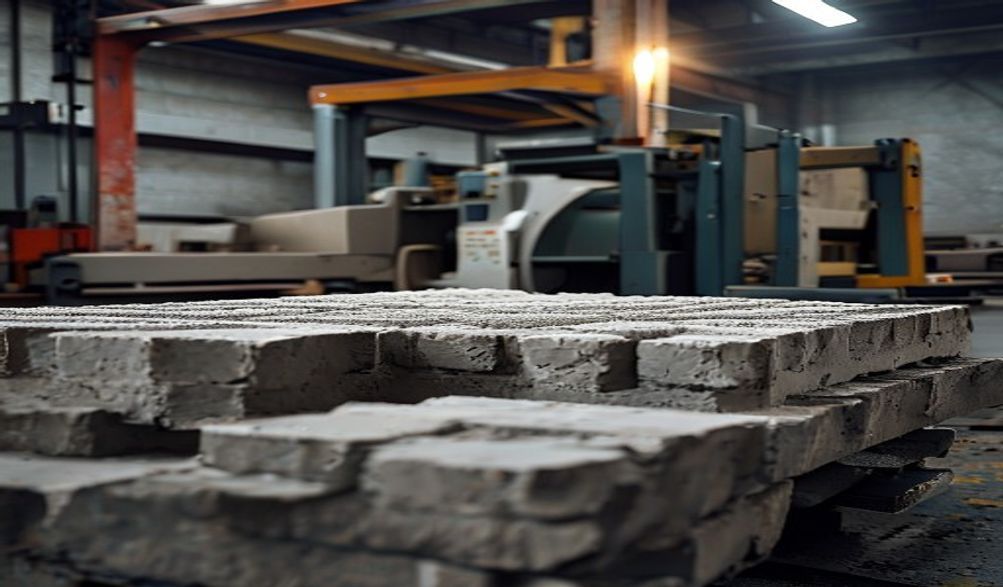
วิธีเลือกเครื่องอัดอิฐบล็อกปูนซีเมนต์: คู่มือผู้ซื้อจากผู้เชี่ยวชาญปี 2024
การเลือกเครื่องผลิตอิฐซีเมนต์ที่ไม่เหมาะสมอาจทำให้คุณสูญเสียเงินหลายพัน เนื่องจากประสิทธิภาพการผลิตที่ลดลง วัสดุที่ด้อยคุณภาพ และการพลาดกำหนดเวลาโครงการ นี่เป็นการตัดสินใจที่มีความเสี่ยงสูง ที่อารมณ์และราคาที่ดูน่าหลงใหลสามารถพาคุณไปในทางที่ผิดได้ง่ายๆ ในฐานะที่ปรึกษาที่เคยให้คำแนะนำในการตั้งลานผลิตอิฐและโรงงานผลิตหลายสิบแห่ง ผมได้เห็นผลลัพธ์จากการซื้ออย่างเร่งรีบมาแล้ว
คู่มือนี้แตกต่างออกไป มันไม่ได้สร้างขึ้นจากข้อสันนิษฐาน แต่สร้างขึ้นจากหลักวิศวกรรม ข้อมูลประสิทธิภาพในโลกจริง และประสบการณ์ในอุตสาหกรรมที่ได้มาจากการลงมือทำ เป้าหมายของฉันคือการเปลี่ยนการตัดสินใจที่ซับซ้อนนี้ให้เป็นกระบวนการที่ชัดเจนเป็นขั้นเป็นตอน เมื่อคุณอ่านจบ คุณจะมีกรอบการทำงานที่เป็นรูปธรรมเพื่อเลือกเครื่องจักรที่เหมาะสมที่สุด ซึ่งสอดคล้องกับเป้าหมายการผลิต ข้อจำกัดของพื้นที่ และงบประมาณของคุณโดยเฉพาะ
เราจะดำเนินไปอย่างเป็นขั้นตอน เริ่มจากการทำความเข้าใจความต้องการของคุณเอง ผ่านภูมิทัศน์ทางเทคนิคของประเภทเครื่องจักร ไปจนถึงการตรวจสอบคุณสมบัติสำคัญและการคำนวณต้นทุนที่แท้จริง มาร่วมกันวางรากฐานสู่ความสำเร็จของคุณ
การทำความเข้าใจความต้องการของโครงการ: รากฐานของการตัดสินใจ
ก่อนที่คุณจะมองไปที่โบรชัวร์เครื่องจักรสักชิ้น คุณต้องมองเข้าไปภายในก่อน เครื่องจักรที่ทันสมัยและราคาแพงที่สุดจะเป็นหนี้สินหากไม่สอดคล้องกับความเป็นจริงของคุณ การประเมินตนเองเบื้องต้นนี้คือขั้นตอนที่สำคัญที่สุด ซึ่งตั้งอยู่บนพื้นฐานของประสบการณ์จริง
กำหนดเป้าหมายการผลิตของคุณ
ผลลัพธ์ที่คุณต้องการคือแรงขับเคลื่อนหลักของทุกสิ่งที่ตามมา
- อิฐต่อชั่วโมง/วันบอกตรงๆ เลยนะ คุณกำลังผลิตบล็อกสำหรับสร้างบ้านหลังเดียว จัดหาตลาดการก่อสร้างในท้องถิ่น หรือตั้งเป้าสัญญาเชิงพาณิชย์ขนาดใหญ่?
- ขนาดเล็ก (100-500 บล็อก/วัน):มักจะเสิร์ฟโดยเครื่องจักรแบบใช้คนหรือกึ่งอัตโนมัติ
- ขนาดกลาง (500-3,000 บล็อก/วัน):ขอบเขตของเครื่องจักรกึ่งอัตโนมัติที่ทนทานและเครื่องจักรอัตโนมัติระดับเริ่มต้น
- ขนาดใหญ่ (มากกว่า 3,000 บล็อก/วัน)ต้องการสายการผลิตแบบอัตโนมัติเต็มรูปแบบ
- ขนาดโครงการและระยะเวลานี่เป็นโครงการครั้งเดียว งานสัญญาเป็นช่วงๆ หรือธุรกิจใหม่ที่ดำเนินอย่างถาวร? คำตอบของคุณจะเป็นตัวกำหนดความทนทานที่จำเป็นและกรอบเวลาคืนทุน
ข้อกำหนดของอิฐและความหลากหลายของผลิตภัณฑ์
เครื่องจักรจะต้องผลิตขวาอิฐ, ไม่ใช่แค่aอิฐ
- ขนาด, รูปร่าง, และการออกแบบรายการสินค้าที่คุณต้องการในตอนนี้และอาจต้องการในอีก 3-5 ปีข้างหน้า
- บล็อกมาตรฐานแบบทึบ/กลวง (4”, 6”, 8”)
- แผ่นปูพื้น, แผ่นบล็อคประสาน, แบล็คกราส
- ดีไซน์ตามสั่งหรือรูปร่างพิเศษ
- กำลังอัดที่ต้องการ:นี่คือสิ่งที่ต้องปฏิบัติตามโดยไม่มีข้อยกเว้นเพื่อความมั่นคงของโครงสร้าง ต้องจับคู่ขีดความสามารถของเครื่องกับกฎหมายอาคารท้องถิ่นและการใช้งาน (เช่น ผนังรับน้ำหนักต้องการความแข็งแรงสูงกว่าหินปูสวน)
ข้อจำกัดด้านสถานที่และการดำเนินงาน
ไม่สนใจสิ่งเหล่านี้ และเครื่องจักรใหม่ของคุณก็จะกลายเป็นที่หนีบกระดาษขนาดใหญ่
- พื้นที่ว่างอย่าเพียงวัดขนาดของเครื่องจักรเท่านั้น แต่ต้องคำนึงถึงพื้นที่สำหรับชั้นวางบ่ม, การเก็บวัตถุดิบ (ปูนซีเมนต์, หินผสม) และคลังสินค้าสำเร็จรูปด้วย
- ความพร้อมของแหล่งพลังงานคุณมีไฟฟ้าสามเฟสที่เชื่อถือได้หรือไม่ หรือว่าคุณจะต้องใช้เครื่องจักรที่ใช้ดีเซล? เครื่องจักรแบบใช้มือต้องใช้กำลังกล้ามเนื้อ ไม่ใช่ไฟฟ้าหลัก
- ระดับทักษะแรงงาน:谁来操作它?全自动机器可能需要经过培训的技术员,而半自动型号则可能由经过适当培训的普通工人操作。
ประเภทของเครื่องทำอิฐบล็อกซีเมนต์: กลไกและการประยุกต์ใช้งาน
การทำความเข้าใจเทคโนโลยีหลักที่อยู่เบื้องหลังแต่ละประเภทเป็นสิ่งสำคัญในการจับคู่ให้ตรงกับความต้องการของคุณ นี่คือการอธิบายเชิงเทคนิคของสามหมวดหมู่หลัก
เครื่องทำบล็อกคอนกรีตแบบแมนนวล
เหล่านี้เป็นรูปแบบที่ง่ายที่สุดของการผลิตอิฐ โดยอาศัยแรงงานมนุษย์
- พวกมันทำงานอย่างไร:คันโยกบังคับให้กลไกบีบอัดส่วนผสมปูนซีเมนต์ที่วางในแม่พิมพ์ โดยไม่ต้องใช้ไฟฟ้าหรือเครื่องยนต์
- ข้อดีและข้อเสีย:
- ข้อดี: Ultra-low cost, extreme portability, zero energy costs, simple maintenance.
- ข้อเสีย Very low output (40-120 blocks/day), high physical labor intensity, inconsistent quality dependent on operator.
- เหมาะสำหรับ: DIY enthusiasts, very small-scale projects in remote locations without power, or as a supplemental tool for specialty, low-volume products.
เครื่องทำอิฐกึ่งอัตโนมัติ
This category offers the best balance for most small to medium businesses, automating the critical compaction process.
- พวกมันทำงานอย่างไร: An electric or diesel motor drives a vibration system and hydraulic press to compact the concrete into molds. The process of filling molds, moving pallets, and stacking green bricks is typically manual.
- ข้อดีและข้อเสีย:
- ข้อดี: Significantly higher output than manual (300-2,500 blocks/day), good quality consistency due to powered vibration/pressure, moderate cost, more efficient labor use.
- ข้อเสีย Still requires a crew of 3-5 people, output is limited by manual handling steps.
- เหมาะสำหรับ: Growing masonry contractors, small block manufacturing businesses, and community housing projects. It’s the workhorse of the industry.
เครื่องทำอิฐอัตโนมัติเต็มรูปแบบ
These are integrated production systems where human intervention is minimal.
- พวกมันทำงานอย่างไร: A computerized control panel manages an entire line: automatic material batching and feeding, high-speed molding, curing, and robotic stacking/pallet return.
- ข้อดีและข้อเสีย:
- ข้อดี: Very high, consistent output (3,000-20,000+ blocks/day), superior and uniform brick quality, minimal manual labor (often just 1-2 supervisors), high efficiency.
- ข้อเสีย Very high initial capital investment, complex maintenance requiring specialist knowledge, significant space and infrastructure (strong power supply) needed.
- เหมาะสำหรับ: Large-scale block production plants, industrial operations, and businesses fulfilling high-volume government or developer contracts.
Key Machine Specifications and Features to Scrutinize
Once you know the type, you must compare models on a detailed level. Don’t just take the sales sheet at face value.
ตัวชี้วัดประสิทธิภาพหลัก
These numbers tell you what the machine can do.
- เวลาในรอบการผลิต The time (in seconds) to complete one molding cycle. Lower = higher potential output.
- แรงดัน (ตัน) Measured in tons, this directly determines the brick’s density and final compressive strength. For standard blocks, look for machines with at least 60-100 tons of pressure.
- ระบบสั่นสะเทือน This is what removes air pockets and ensures a solid brick.
- ประเภท Hydraulic vibration is often smoother and more controllable than mechanical eccentric vibrators.
- Amplitude & Frequency: A balanced, high-frequency vibration is key to proper compaction, especially for hollow blocks.
Durability and Construction Quality
This determines how long the machine will keep doing it.
- กรอบและโครงสร้าง Look for heavy-duty, reinforced steel frames with clean, strong welds. A flimsy frame will flex under load, causing misalignment and wear.
- ส่วนประกอบหลัก Ask about the brands of critical parts. Reputable hydraulic pumps, motors, and vibrators (from brands like Siemens, Rexroth, etc.) are a sign of quality.
- การป้องกันการกัดกร่อน: The environment is abrasive and caustic. A high-quality epoxy powder coating is far superior to basic paint.
Mold System and Flexibility
Your product line is only as good as your molds.
- Mold Changing Process: How long does it take to switch from producing 4” blocks to pavers? Systems that allow for quick mold changes maximize your operational flexibility.
- Mold Material & Precision: Molds should be made from hardened, high-chrome steel for longevity. Precision machining ensures every brick has identical dimensions.
After-Sales Support: The Non-Negotiable
The machine will break down. The supplier’s response defines your downtime.
- Availability of Spare Parts: Is there a local dealer with an inventory, or must every nut and bolt be shipped from overseas with a 6-week lead time?
- Technical Support & Training: Do they offer on-site installation and comprehensive operator training? Is phone/remote support readily available?
- Warranty Period and Coverage: A 1-year warranty on the whole machine is standard. Read the fine print—what is explicitly excluded? Longer warranties on the frame and hydraulics show manufacturer confidence.
ต้นทุนรวมของการเป็นเจ้าของ: มากกว่าราคาที่ติดป้าย
The purchase price is just the entry fee. A holistic financial view builds trust and prevents nasty surprises.
รายละเอียดการลงทุนเริ่มต้น
- Machine Cost: The base price.
- Shipping, Insurance, and Customs: Can add 10-25% for international purchases.
- การติดตั้งและการทดสอบระบบ Professional setup is crucial.
- Initial Spare Parts Kit: A wise investment to cover immediate needs.
- Operator Training: Often included, but confirm.
Operational and Hidden Costs
These are the recurring expenses that determine your profitability.
- การใช้พลังงาน Calculate the power (kW) or diesel consumption per hour and your local utility rates.
- Routine Maintenance: Lubricants, filter changes, wear parts like mold liners and vibration pads.
- ค่าแรง Factor in the wages for the number of operators required by the machine’s automation level.
- ค่าใช้จ่ายแม่พิมพ์ Additional molds for new products are a significant future expense.
Calculating Your Return on Investment (ROI)
A simple framework to justify the purchase:
(Total Value of Bricks Produced - Total Cost of Ownership) / Total Cost of Ownership
- Total Value of Bricks: Based on your target output and local market price.
- ต้นทุนรวมในการเป็นเจ้าของ Sum of all costs above (initial + operational) over your chosen period (e.g., one year).
- ข้อมูลเชิงลึกสำคัญ: A slightly more expensive, reliable machine that produces higher-quality bricks with less downtime will almost always have a better long-term ROI than a cheap, problematic unit.
Step-by-Step Selection Checklist and Supplier Vetting
Let’s synthesize everything into an actionable plan.
Your Pre-Purchase Checklist
Copy this list and fill it out for each machine you consider.
- Project Needs:
- [ ] Required daily output: ______ blocks
- [ ] Key brick types & strength needed: ______
- [ ] Available space: ______ sq ft
- [ ] Available power: ______
- Machine Type & Specs:
- [ ] Preferred type: Manual / Semi-Auto / Fully Auto
- [ ] Cycle Time: ______ seconds
- [ ] Pressure Force: ______ tons
- [ ] Vibration System Type: ______
- [ ] Mold changeover time: ______ minutes
- Budget & Support:
- [ ] Total Budget (including shipping): ______
- [ ] Warranty Length & Details: ______
- [ ] Spare Parts Lead Time Confirmed: ______
How to Vet Manufacturers and Suppliers
- Request and Check References: Ask for 2-3 clients in your region with similar needs. Call them. Ask about machine performance, reliability, and support responsiveness.
- Demand Proof of Performance: A reputable supplier will provide videos of the actual machine model running in their factory. Better yet, arrange a factory audit to see it live and test it with your mix design if possible.
- Analyze Quotations Meticulously: Ensure quotes are for identical specifications. A lower price often means cheaper components, thinner steel, or excluded essentials like training.
- Review Contracts Carefully: Pay special attention to warranty terms, payment milestones, and delivery/installation clauses. Do not sign vague documents.
คำถามที่พบบ่อย (FAQ)
Q: What is the average cost range for a cement brick making machine?
ก The range is vast, dictated entirely by specifications. Manual presses start around $500 – $2,000. Semi-automatic machines for small businesses typically range from $5,000 to $30,000. Fully automatic production lines begin around $50,000 and can exceed $200,000. Focus on the total cost of ownership, not just the sticker price.
Q: Can I use a brick making machine for other products like concrete pavers?
ก Yes, versatility is common. The critical factor is the mold. Ensure the machine you select has a compatible mold system for your desired products (e.g., paver molds) and that its pressure and vibration specifications are adequate to produce a dense, durable paver.
Q: How important is after-sales service, and what should I look for?
ก It is arguably the most important factor. A machine without support is a ticking clock. Look for a supplier with a documented network of service technicians, a readily available spare parts inventory (ask for a parts catalog), and a commitment to providing training. A strong warranty is a good indicator of their confidence.
Q: What is the most common mistake buyers make when choosing a machine?
ก Two extremes: 1) Overbuying: Purchasing a large, complex automatic machine for small-scale, intermittent use, which destroys ROI through high fixed costs and underutilization. 2) Under-specifying: Choosing a cheap machine that cannot meet the required output or brick strength, leading to project failures, wasted materials, and lost reputation. An honest needs assessment is your best defense.
สรุป
Choosing the right cement brick making machine is a strategic investment that balances a triad of factors: your specific project requirementsthetechnical capabilities and durability of the equipment, and the long-term reliability and support of the supplier. There is no universal “best” machine—only the best machine for you.
By methodically working through this guide—from defining your output goals to calculating total cost and rigorously vetting suppliers—you move from being a hopeful buyer to an informed decision-maker. You’re not just purchasing a piece of machinery; you’re securing a productive asset that will literally build the foundation of your projects, business, and success for years to come.
Your Call to Action: Download or copy the checklist provided. Use it as your roadmap. Research thoroughly, ask the hard questions, and invest not just in metal and motors, but in partnership and peace of mind.
<