
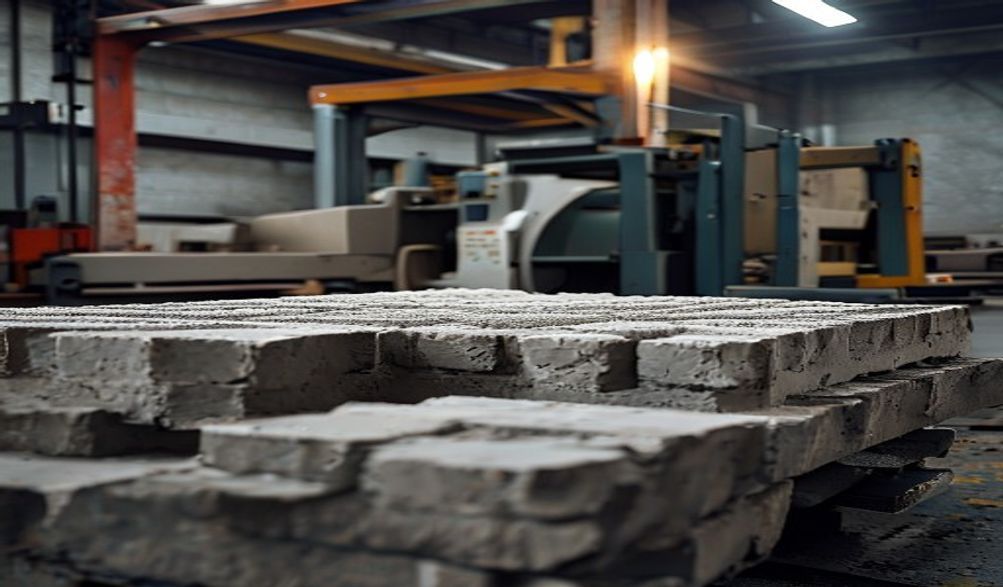
Как выбрать машину для производства цементных кирпичей: Экспертное руководство для покупателей на 2024 год
Выбор неподходящего оборудования для производства цементных блоков может обернуться тысячами потерянной продуктивности, некачественными материалами и срывом сроков проекта. Это решение с высокими ставками, где эмоции и заманчивая цена легко могут сбить с верного пути. Как человек, консультировавший по организации десятков площадок и заводов по производству блоков, я видел последствия поспешных покупок.
Это руководство отличается от других. Оно основано не на предположениях, а на инженерных принципах, реальных данных о производительности и проверенном отраслевом опыте. Моя цель — превратить это сложное решение в четкий пошаговый процесс. В итоге у вас будет конкретная система для выбора идеального оборудования, соответствующего вашим производственным задачам, ограничениям площадки и бюджету.
Мы логически перейдем от понимания ваших собственных потребностей через технические особенности типов машин к тщательному изучению ключевых характеристик и расчету реальных затрат. Заложим основу для вашего успеха.
Понимание ваших требований к проекту: основа вашего выбора
Прежде чем изучать рекламные буклеты о станках, необходимо заглянуть внутрь себя. Самый сложный и дорогой станок станет обузой, если он не соответствует вашим реальным возможностям. Эта первоначальная самооценка — самый важный шаг, основанный на практическом опыте.
Определение ваших производственных целей
Ваш требуемый результат является главным двигателем всего последующего.
- Кирпичей в час/день:Будьте предельно честны. Вы производите блоки для строительства одного дома, поставляете их на местный строительный рынок или нацелены на крупные коммерческие контракты?
- Мелкомасштабная (100-500 блоков/день):Часто подается с помощью ручных или полуавтоматических машин.
- Средний масштаб (500-3 000 блоков/день):Область надежных полуавтоматических и начальных автоматических машин.
- Крупномасштабная (более 3000 блоков в день):Требуются полностью автоматизированные производственные линии.
- Масштаб проекта и сроки выполнения:Это разовый проект, работа по временному контракту или новое постоянное предприятие? Ваш ответ определяет необходимую долговечность и сроки окупаемости инвестиций.
Спецификации кирпича и разнообразие продукции
Машина должна производитьправыйкирпич, а не простоaкирпич.
- Размер, Форма и Дизайн:Перечислите все продукты, которые вам нужны сейчас и могут понадобиться в ближайшие 3-5 лет.
- Стандартные полнотелые/пустотелые блоки (4”, 6”, 8”)
- Брусчатка, брусчатка, газонные блоки
- Индивидуальные дизайны или специальные формы
- Требуемая прочность на сжатие:Это обязательное условие для обеспечения структурной целостности. Соответствие возможностей машины местным строительным нормам и области применения (например, несущие стены требуют более высокой прочности, чем садовые плитки).
Сайт и эксплуатационные ограничения
Игнорируйте это, и ваша новая машина превратится в очень большой пресс-папье.
- Доступное пространство:Измеряйте не только габариты машины, но и пространство для сушильных стеллажей, хранения сырья (цемента, заполнителей) и готовой продукции.
- Наличие источника питания:У вас есть надежное трехфазное электричество, или вам потребуется дизельный генератор? Ручные станки требуют мускульной силы, а не сетевого питания.
- Уровень квалификации рабочей силы:Кто будет управлять им? Полностью автоматическая машина может потребовать обученного техника, в то время как полуавтоматической моделью могут управлять обычные рабочие при наличии соответствующего обучения.
Типы машин для изготовления цементных кирпичей: механизмы и применение
Понимание ключевой технологии каждого типа является ключом к его соответствию вашим потребностям. Вот технический разбор трех основных категорий.
Ручные станки для производства блоков
Это самая простая форма производства кирпича, основанная на человеческой силе.
- Как они работают:Рычажный механизм сжимает цементную смесь, помещённую в форму. Не требуется электричество или двигатель.
- Плюсы и минусы:
- Плюсы: Ultra-low cost, extreme portability, zero energy costs, simple maintenance.
- Минусы: Very low output (40-120 blocks/day), high physical labor intensity, inconsistent quality dependent on operator.
- Идеально подходит для: DIY enthusiasts, very small-scale projects in remote locations without power, or as a supplemental tool for specialty, low-volume products.
Полуавтоматические машины для производства кирпича
This category offers the best balance for most small to medium businesses, automating the critical compaction process.
- Как они работают: An electric or diesel motor drives a vibration system and hydraulic press to compact the concrete into molds. The process of filling molds, moving pallets, and stacking green bricks is typically manual.
- Плюсы и минусы:
- Плюсы: Significantly higher output than manual (300-2,500 blocks/day), good quality consistency due to powered vibration/pressure, moderate cost, more efficient labor use.
- Минусы: Still requires a crew of 3-5 people, output is limited by manual handling steps.
- Идеально подходит для: Growing masonry contractors, small block manufacturing businesses, and community housing projects. It’s the workhorse of the industry.
Полностью автоматические машины для производства кирпича
These are integrated production systems where human intervention is minimal.
- Как они работают: A computerized control panel manages an entire line: automatic material batching and feeding, high-speed molding, curing, and robotic stacking/pallet return.
- Плюсы и минусы:
- Плюсы: Very high, consistent output (3,000-20,000+ blocks/day), superior and uniform brick quality, minimal manual labor (often just 1-2 supervisors), high efficiency.
- Минусы: Very high initial capital investment, complex maintenance requiring specialist knowledge, significant space and infrastructure (strong power supply) needed.
- Идеально подходит для: Large-scale block production plants, industrial operations, and businesses fulfilling high-volume government or developer contracts.
Key Machine Specifications and Features to Scrutinize
Once you know the type, you must compare models on a detailed level. Don’t just take the sales sheet at face value.
Основные показатели эффективности
These numbers tell you what the machine can do.
- Время цикла: The time (in seconds) to complete one molding cycle. Lower = higher potential output.
- Сила давления (тоннаж): Measured in tons, this directly determines the brick’s density and final compressive strength. For standard blocks, look for machines with at least 60-100 tons of pressure.
- Вибросистема: This is what removes air pockets and ensures a solid brick.
- Тип: Hydraulic vibration is often smoother and more controllable than mechanical eccentric vibrators.
- Amplitude & Frequency: A balanced, high-frequency vibration is key to proper compaction, especially for hollow blocks.
Durability and Construction Quality
This determines how long the machine will keep doing it.
- Каркас и структура: Look for heavy-duty, reinforced steel frames with clean, strong welds. A flimsy frame will flex under load, causing misalignment and wear.
- Ключевые компоненты: Ask about the brands of critical parts. Reputable hydraulic pumps, motors, and vibrators (from brands like Siemens, Rexroth, etc.) are a sign of quality.
- Защита от коррозии: The environment is abrasive and caustic. A high-quality epoxy powder coating is far superior to basic paint.
Mold System and Flexibility
Your product line is only as good as your molds.
- Mold Changing Process: How long does it take to switch from producing 4” blocks to pavers? Systems that allow for quick mold changes maximize your operational flexibility.
- Материал формы и точность: Molds should be made from hardened, high-chrome steel for longevity. Precision machining ensures every brick has identical dimensions.
After-Sales Support: The Non-Negotiable
The machine will break down. The supplier’s response defines your downtime.
- Availability of Spare Parts: Is there a local dealer with an inventory, or must every nut and bolt be shipped from overseas with a 6-week lead time?
- Technical Support & Training: Do they offer on-site installation and comprehensive operator training? Is phone/remote support readily available?
- Warranty Period and Coverage: A 1-year warranty on the whole machine is standard. Read the fine print—what is explicitly excluded? Longer warranties on the frame and hydraulics show manufacturer confidence.
The Total Cost of Ownership: Beyond the Sticker Price
The purchase price is just the entry fee. A holistic financial view builds trust and prevents nasty surprises.
Initial Investment Breakdown
- Machine Cost: The base price.
- Shipping, Insurance, and Customs: Can add 10-25% for international purchases.
- Установка и ввод в эксплуатацию: Professional setup is crucial.
- Исходный набор запасных частей: A wise investment to cover immediate needs.
- Обучение операторов: Often included, but confirm.
Operational and Hidden Costs
These are the recurring expenses that determine your profitability.
- Потребление энергии Calculate the power (kW) or diesel consumption per hour and your local utility rates.
- 例行维护: Lubricants, filter changes, wear parts like mold liners and vibration pads.
- Трудовые затраты: Factor in the wages for the number of operators required by the machine’s automation level.
- Стоимость пресс-форм: Additional molds for new products are a significant future expense.
Calculating Your Return on Investment (ROI)
A simple framework to justify the purchase:
(Total Value of Bricks Produced - Total Cost of Ownership) / Total Cost of Ownership
- Total Value of Bricks: Based on your target output and local market price.
- Общая стоимость владения: Sum of all costs above (initial + operational) over your chosen period (e.g., one year).
- Ключевое понимание: A slightly more expensive, reliable machine that produces higher-quality bricks with less downtime will almost always have a better long-term ROI than a cheap, problematic unit.
Step-by-Step Selection Checklist and Supplier Vetting
Let’s synthesize everything into an actionable plan.
Your Pre-Purchase Checklist
Copy this list and fill it out for each machine you consider.
- Project Needs:
- [ ] Required daily output: ______ blocks
- [ ] Key brick types & strength needed: ______
- [ ] Available space: ______ sq ft
- [ ] Available power: ______
- Machine Type & Specs:
- [ ] Preferred type: Manual / Semi-Auto / Fully Auto
- [ ] Cycle Time: ______ seconds
- [ ] Pressure Force: ______ tons
- [ ] Vibration System Type: ______
- [ ] Mold changeover time: ______ minutes
- Budget & Support:
- [ ] Total Budget (including shipping): ______
- [ ] Warranty Length & Details: ______
- [ ] Spare Parts Lead Time Confirmed: ______
How to Vet Manufacturers and Suppliers
- Request and Check References: Ask for 2-3 clients in your region with similar needs. Call them. Ask about machine performance, reliability, and support responsiveness.
- Demand Proof of Performance: A reputable supplier will provide videos of the actual machine model running in their factory. Better yet, arrange a factory audit to see it live and test it with your mix design if possible.
- Analyze Quotations Meticulously: Ensure quotes are for identical specifications. A lower price often means cheaper components, thinner steel, or excluded essentials like training.
- Review Contracts Carefully: Pay special attention to warranty terms, payment milestones, and delivery/installation clauses. Do not sign vague documents.
Frequently Asked Questions (FAQ)
Q: What is the average cost range for a cement brick making machine?
А: The range is vast, dictated entirely by specifications. Manual presses start around $500 – $2,000. Semi-automatic machines for small businesses typically range from $5,000 to $30,000. Fully automatic production lines begin around $50,000 and can exceed $200,000. Focus on the total cost of ownership, not just the sticker price.
Q: Can I use a brick making machine for other products like concrete pavers?
А: Yes, versatility is common. The critical factor is the mold. Ensure the machine you select has a compatible mold system for your desired products (e.g., paver molds) and that its pressure and vibration specifications are adequate to produce a dense, durable paver.
Q: How important is after-sales service, and what should I look for?
А: It is arguably the most important factor. A machine without support is a ticking clock. Look for a supplier with a documented network of service technicians, a readily available spare parts inventory (ask for a parts catalog), and a commitment to providing training. A strong warranty is a good indicator of their confidence.
Q: What is the most common mistake buyers make when choosing a machine?
А: Two extremes: 1) Overbuying: Purchasing a large, complex automatic machine for small-scale, intermittent use, which destroys ROI through high fixed costs and underutilization. 2) Under-specifying: Choosing a cheap machine that cannot meet the required output or brick strength, leading to project failures, wasted materials, and lost reputation. An honest needs assessment is your best defense.
Заключение
Choosing the right cement brick making machine is a strategic investment that balances a triad of factors: your specific project requirements,technical capabilities and durability of the equipment, and the long-term reliability and support of the supplier. There is no universal “best” machine—only the best machine for you.
By methodically working through this guide—from defining your output goals to calculating total cost and rigorously vetting suppliers—you move from being a hopeful buyer to an informed decision-maker. You’re not just purchasing a piece of machinery; you’re securing a productive asset that will literally build the foundation of your projects, business, and success for years to come.
Your Call to Action: Download or copy the checklist provided. Use it as your roadmap. Research thoroughly, ask the hard questions, and invest not just in metal and motors, but in partnership and peace of mind.
<