
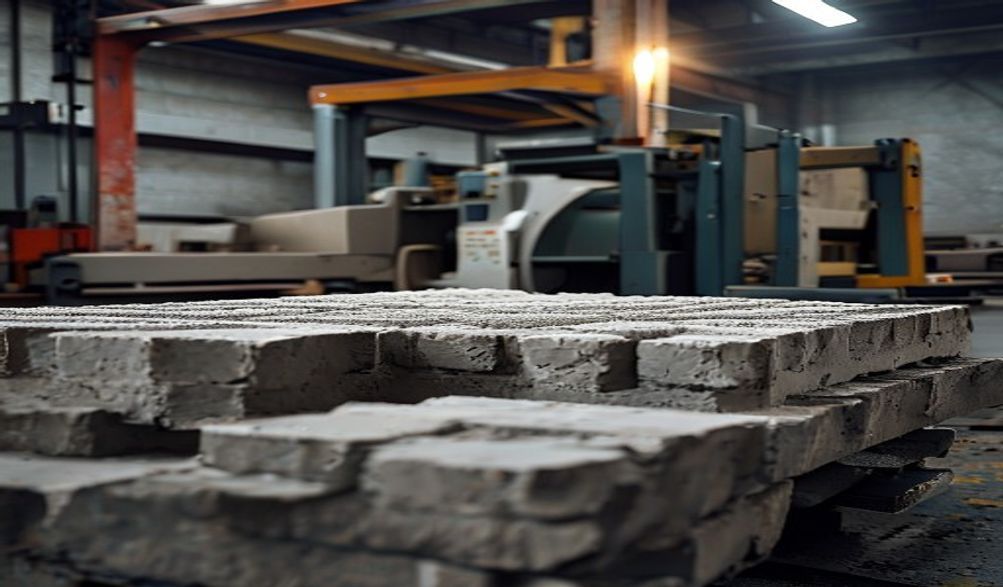
Cara Memilih Mesin Pembuat Bata Simen: Panduan Pembeli Pakar 2024
Memilih mesin pembuatan bata simen yang salah boleh menelan belanja ribuan ringgit dalam bentuk kehilangan produktiviti, bahan yang tidak berkualiti, dan tarikh akhir projek yang terlepas. Ia adalah keputusan berisiko tinggi di mana emosi dan harga yang menarik mudah menyesatkan anda. Sebagai seseorang yang telah berunding dalam penyediaan berpuluh-puluh halaman bata dan kilang pengeluaran, saya telah menyaksikan kesan buruk pembelian yang terburu-buru.
Panduan ini berbeza. Ia dibina bukan atas spekulasi, tetapi berdasarkan prinsip kejuruteraan, data prestasi dunia sebenar, dan pengalaman industri yang diperoleh dengan susah payah. Matlamat saya adalah untuk mengubah keputusan kompleks ini menjadi proses yang jelas dan langkah demi langkah. Pada akhirnya, anda akan mempunyai rangka kerja konkrit untuk memilih mesin yang sempurna selaras dengan matlamat pengeluaran khusus, kekangan tapak, dan bajet anda.
Kami akan bergerak secara logik daripada memahami keperluan anda sendiri, melalui landskap teknikal jenis mesin, sehingga meneliti spesifikasi kritikal dan mengira kos sebenar. Mari kita bina asas untuk kejayaan anda.
Memahami Keperluan Projek Anda: Asas Pilihan Anda
Sebelum anda melihat sebarang brosur mesin, anda perlu melihat ke dalam diri. Mesin yang paling canggih dan mahal akan menjadi liabiliti jika tidak selari dengan realiti anda. Penilaian kendiri awal ini adalah langkah paling kritikal, berasaskan pengalaman praktikal.
Menetapkan Matlamat Pengeluaran Anda
Output yang anda perlukan adalah pemacu utama bagi segala yang berikutnya.
- Bata per Jam/Hari:Bersikap terus terang. Adakah anda menghasilkan blok untuk pembinaan rumah tunggal, membekalkan pasaran pembinaan tempatan, atau mensasarkan kontrak komersial berskala besar?
- Skala kecil (100-500 blok/hari):Sering dihidangkan oleh mesin manual atau separa automatik.
- Sederhana-sederhana (500-3,000 blok/hari):Domain mesin separa automatik yang teguh dan mesin automatik tahap kemasukan.
- Berskala besar (3,000+ blok/hari):Memerlukan barisan pengeluaran automatik sepenuhnya.
- Skala & Tempoh Projek:Adakah ini projek sekali sahaja, kerja kontrak berselang-seli, atau usaha perniagaan baharu yang kekal? Jawapan anda menentukan ketahanan yang diperlukan dan garis masa pulangan pelaburan (ROI).
Spesifikasi Bata dan Kepelbagaian Produk
Mesin mesti menghasilkankananbata, bukan sekadarabata.
- Saiz, Bentuk, dan Reka Bentuk:Senaraikan setiap produk yang anda perlukan sekarang dan mungkin diperlukan dalam tempoh 3-5 tahun akan datang.
- Blok pepejal/berongga standard (4”, 6”, 8”)
- Batu bata, batu kunci, blok rumput
- Reka bentuk tersuai atau bentuk khas
- Kekuatan Mampatan Diperlukan:Ini tidak boleh dirunding untuk integriti struktur. Padankan keupayaan mesin dengan kod bangunan tempatan dan aplikasi (contohnya, dinding galas beban memerlukan kekuatan lebih tinggi daripada batu pavai taman).
Kekangan Tapak dan Operasi
Abaikan ini, dan mesin baharu anda akan menjadi batu kertas yang sangat besar.
- Ruang Tersedia:Ukur bukan sahaja ruang tapak mesin, tetapi juga ruang untuk rak pengerasan, penyimpanan bahan mentah (simen, agregat), dan inventori produk siap.
- Ketersediaan Sumber Kuasa:Adakah anda mempunyai bekalan elektrik tiga fasa yang boleh dipercayai, atau adakah anda memerlukan mesin berkuasa diesel? Mesin manual memerlukan tenaga otot, bukan kuasa elektrik.
- Tahap Kemahiran Buruh:Siapa yang akan mengendalikannya? Mesin automatik sepenuhnya mungkin memerlukan juruteknik terlatih, manakala model separa automatik mungkin dikendalikan oleh pekerja am dengan latihan yang sesuai.
Jenis-Jenis Mesin Pembuatan Bata Simen: Mekanisme dan Aplikasi
Memahami teknologi teras di sebalik setiap jenis adalah kunci untuk memadankannya dengan keperluan anda. Berikut adalah pecahan teknikal bagi tiga kategori utama.
Mesin Membuat Blok Manual
Ini adalah bentuk pengeluaran bata yang paling mudah, bergantung kepada tenaga manusia.
- Bagaimana Mereka Berfungsi:Mekanisme beroperasi tuil memampatkan bancuhan simen yang diletakkan dalam acuan. Tiada elektrik atau enjin diperlukan.
- Kebaikan & Keburukan:
- Kelebihan:Kos ultra rendah, mudah alih melampau, tiada kos tenaga, penyelenggaraan mudah.
- Keburukan:Pengeluaran sangat rendah (40-120 blok/hari), intensiti buruh fizikal yang tinggi, kualiti tidak konsisten bergantung kepada pengendali.
- Sesuai Untuk:Peminat DIY, projek berskala sangat kecil di lokasi terpencil tanpa bekalan kuasa, atau sebagai alat tambahan untuk produk khusus dengan kuantiti rendah.
Mesin Pembuatan Bata Semi-Automatik
Kategori ini menawarkan keseimbangan terbaik untuk kebanyakan perniagaan kecil dan sederhana, dengan mengautomasikan proses pemadatan yang kritikal.
- Bagaimana Mereka Berfungsi: An electric or diesel motor drives a vibration system and hydraulic press to compact the concrete into molds. The process of filling molds, moving pallets, and stacking green bricks is typically manual.
- Kebaikan & Keburukan:
- Kelebihan: Significantly higher output than manual (300-2,500 blocks/day), good quality consistency due to powered vibration/pressure, moderate cost, more efficient labor use.
- Keburukan: Still requires a crew of 3-5 people, output is limited by manual handling steps.
- Sesuai Untuk: Growing masonry contractors, small block manufacturing businesses, and community housing projects. It’s the workhorse of the industry.
Mesin Membuat Bata Sepenuhnya Automatik
These are integrated production systems where human intervention is minimal.
- Bagaimana Mereka Berfungsi: A computerized control panel manages an entire line: automatic material batching and feeding, high-speed molding, curing, and robotic stacking/pallet return.
- Kebaikan & Keburukan:
- Kelebihan: Very high, consistent output (3,000-20,000+ blocks/day), superior and uniform brick quality, minimal manual labor (often just 1-2 supervisors), high efficiency.
- Keburukan: Very high initial capital investment, complex maintenance requiring specialist knowledge, significant space and infrastructure (strong power supply) needed.
- Sesuai Untuk: Large-scale block production plants, industrial operations, and businesses fulfilling high-volume government or developer contracts.
Key Machine Specifications and Features to Scrutinize
Once you know the type, you must compare models on a detailed level. Don’t just take the sales sheet at face value.
Metrik Prestasi Teras
These numbers tell you what the machine can do.
- Masa Kitaran: The time (in seconds) to complete one molding cycle. Lower = higher potential output.
- Daya Tekanan (Tonase): Measured in tons, this directly determines the brick’s density and final compressive strength. For standard blocks, look for machines with at least 60-100 tons of pressure.
- Sistem Getaran: This is what removes air pockets and ensures a solid brick.
- Jenis: Hydraulic vibration is often smoother and more controllable than mechanical eccentric vibrators.
- Amplitude & Frequency: A balanced, high-frequency vibration is key to proper compaction, especially for hollow blocks.
Durability and Construction Quality
This determines how long the machine will keep doing it.
- Bingkai & Struktur: Look for heavy-duty, reinforced steel frames with clean, strong welds. A flimsy frame will flex under load, causing misalignment and wear.
- Komponen Utama: Ask about the brands of critical parts. Reputable hydraulic pumps, motors, and vibrators (from brands like Siemens, Rexroth, etc.) are a sign of quality.
- Perlindungan Kakisan: The environment is abrasive and caustic. A high-quality epoxy powder coating is far superior to basic paint.
Mold System and Flexibility
Your product line is only as good as your molds.
- Mold Changing Process: How long does it take to switch from producing 4” blocks to pavers? Systems that allow for quick mold changes maximize your operational flexibility.
- Bahan Acuan & Ketepatan Molds should be made from hardened, high-chrome steel for longevity. Precision machining ensures every brick has identical dimensions.
After-Sales Support: The Non-Negotiable
The machine will break down. The supplier’s response defines your downtime.
- Availability of Spare Parts: Is there a local dealer with an inventory, or must every nut and bolt be shipped from overseas with a 6-week lead time?
- Technical Support & Training: Do they offer on-site installation and comprehensive operator training? Is phone/remote support readily available?
- Warranty Period and Coverage: A 1-year warranty on the whole machine is standard. Read the fine print—what is explicitly excluded? Longer warranties on the frame and hydraulics show manufacturer confidence.
Kos Pemilikan Keseluruhan: Melangkaui Harga Tampak
The purchase price is just the entry fee. A holistic financial view builds trust and prevents nasty surprises.
Initial Investment Breakdown
- Machine Cost: The base price.
- Shipping, Insurance, and Customs: Can add 10-25% for international purchases.
- Pemasangan & Pentauliahan: Professional setup is crucial.
- Initial Spare Parts Kit: A wise investment to cover immediate needs.
- Latihan Pengendali: Often included, but confirm.
Operational and Hidden Costs
These are the recurring expenses that determine your profitability.
- Penggunaan Tenaga: Calculate the power (kW) or diesel consumption per hour and your local utility rates.
- Penyelenggaraan Rutin Lubricants, filter changes, wear parts like mold liners and vibration pads.
- Kos Buruh: Factor in the wages for the number of operators required by the machine’s automation level.
- Kos Acuan: Additional molds for new products are a significant future expense.
Calculating Your Return on Investment (ROI)
A simple framework to justify the purchase:
(Total Value of Bricks Produced - Total Cost of Ownership) / Total Cost of Ownership
- Total Value of Bricks: Based on your target output and local market price.
- Kos Pemilikan Keseluruhan: Sum of all costs above (initial + operational) over your chosen period (e.g., one year).
- Pandangan Utama: A slightly more expensive, reliable machine that produces higher-quality bricks with less downtime will almost always have a better long-term ROI than a cheap, problematic unit.
Step-by-Step Selection Checklist and Supplier Vetting
Let’s synthesize everything into an actionable plan.
Your Pre-Purchase Checklist
Copy this list and fill it out for each machine you consider.
- Project Needs:
- [ ] Required daily output: ______ blocks
- [ ] Key brick types & strength needed: ______
- [ ] Available space: ______ sq ft
- [ ] Available power: ______
- Machine Type & Specs:
- [ ] Preferred type: Manual / Semi-Auto / Fully Auto
- [ ] Cycle Time: ______ seconds
- [ ] Pressure Force: ______ tons
- [ ] Vibration System Type: ______
- [ ] Mold changeover time: ______ minutes
- Budget & Support:
- [ ] Total Budget (including shipping): ______
- [ ] Warranty Length & Details: ______
- [ ] Spare Parts Lead Time Confirmed: ______
How to Vet Manufacturers and Suppliers
- Request and Check References: Ask for 2-3 clients in your region with similar needs. Call them. Ask about machine performance, reliability, and support responsiveness.
- Demand Proof of Performance: A reputable supplier will provide videos of the actual machine model running in their factory. Better yet, arrange a factory audit to see it live and test it with your mix design if possible.
- Analyze Quotations Meticulously: Ensure quotes are for identical specifications. A lower price often means cheaper components, thinner steel, or excluded essentials like training.
- Review Contracts Carefully: Pay special attention to warranty terms, payment milestones, and delivery/installation clauses. Do not sign vague documents.
Soalan Lazim (FAQ)
Q: What is the average cost range for a cement brick making machine?
A: The range is vast, dictated entirely by specifications. Manual presses start around $500 – $2,000. Semi-automatic machines for small businesses typically range from $5,000 to $30,000. Fully automatic production lines begin around $50,000 and can exceed $200,000. Focus on the total cost of ownership, not just the sticker price.
Q: Can I use a brick making machine for other products like concrete pavers?
A: Yes, versatility is common. The critical factor is the mold. Ensure the machine you select has a compatible mold system for your desired products (e.g., paver molds) and that its pressure and vibration specifications are adequate to produce a dense, durable paver.
Q: How important is after-sales service, and what should I look for?
A: It is arguably the most important factor. A machine without support is a ticking clock. Look for a supplier with a documented network of service technicians, a readily available spare parts inventory (ask for a parts catalog), and a commitment to providing training. A strong warranty is a good indicator of their confidence.
Q: What is the most common mistake buyers make when choosing a machine?
A: Two extremes: 1) Overbuying: Purchasing a large, complex automatic machine for small-scale, intermittent use, which destroys ROI through high fixed costs and underutilization. 2) Under-specifying: Choosing a cheap machine that cannot meet the required output or brick strength, leading to project failures, wasted materials, and lost reputation. An honest needs assessment is your best defense.
Kesimpulan
Choosing the right cement brick making machine is a strategic investment that balances a triad of factors: your specific project requirementsitutechnical capabilities and durability of the equipment, and the long-term reliability and support of the supplier. There is no universal “best” machine—only the best machine for you.
By methodically working through this guide—from defining your output goals to calculating total cost and rigorously vetting suppliers—you move from being a hopeful buyer to an informed decision-maker. You’re not just purchasing a piece of machinery; you’re securing a productive asset that will literally build the foundation of your projects, business, and success for years to come.
Your Call to Action: Download or copy the checklist provided. Use it as your roadmap. Research thoroughly, ask the hard questions, and invest not just in metal and motors, but in partnership and peace of mind.
<