
Le Guide Ultime des Machines à Fabriquer des Briques Pleines : Types, Avantages et Comment Choisir
Introduction
Saviez-vous que plus de 1 500 milliards de briques sont produites chaque année dans le monde, formant littéralement l'épine dorsale de notre environnement bâti ? Pour les entrepreneurs, les constructeurs et les chefs d'entreprise, la méthode de production est en train d'évoluer. Plutôt que de dépendre d'une main-d'œuvre manuelle peu fiable ou d'acheter des briques coûteuses, la solution moderne consiste à investir dans sa propre capacité de production. Ce guide complet est conçu pour être votre ressource ultime sur lemachine à fabriquer des briques pleines—un équipement essentiel pour une construction efficace, durable et rentable.
Notre objectif n'est pas de vous vendre une marque spécifique, mais de vous fournir des connaissances impartiales et détaillées. Les informations présentées ici sont compilées à partir de spécifications techniques, de données directes des fabricants et de décennies d'expérience opérationnelle cumulée sur le terrain. Que vous évaluiez un projet à petite échelle ou une grande usine industrielle, ce guide vous aidera à comprendre la technologie, à peser vos options et à prendre une décision d'investissement stratégique qui maximise votre retour sur investissement (ROI) grâce à une efficacité supérieure et à la robustesse du produit.
Qu'est-ce qu'une Machine à Fabriques de Briques Pleines ? Définir la Technologie de Base
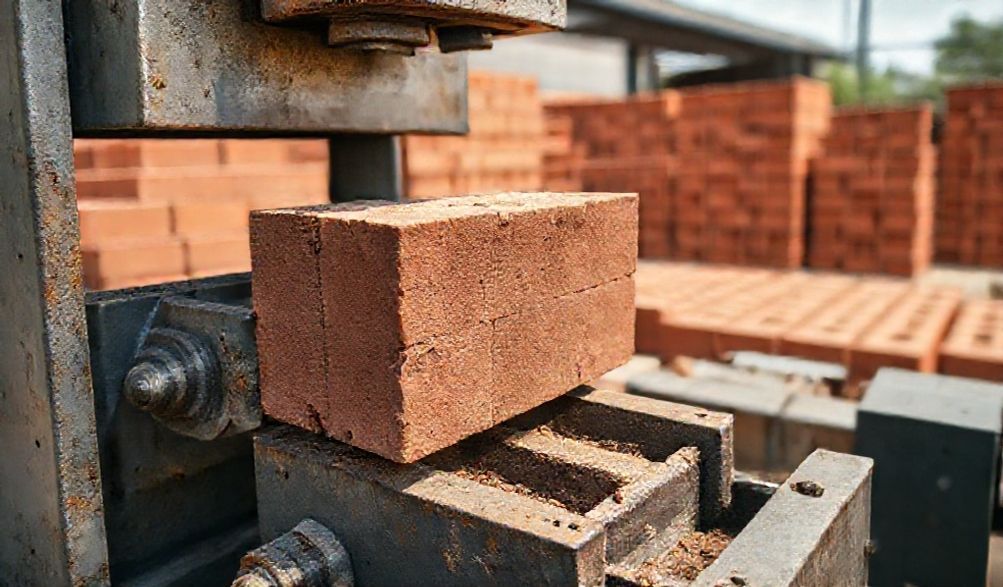
Au cœur de son fonctionnement, une machine à fabriquer des briques solides est un dispositif qui automatise et mécanise le processus de transformation de matière première humide—généralement un mélange de terre, d'argile, de ciment ou de cendres volantes—en briques solides, denses et uniformes, grâce à un compactage à haute pression.
Contrairement aux briques creuses ou perforées, les briques pleines ne présentent aucune cavité, ce qui donne un bloc à haute résistance à la compression et à la masse importante, idéal pour les murs porteurs, les fondations et les pavements.
Le principe de base : de la matière première à la brique finie
Le procédé est une évolution sophistiquée de la fabrication ancestrale des briques, centrée sur la compression.
- Alimentation :Le mélange de matières premières est chargé dans la trémie de la machine.
- Métrage & Moulage :Une quantité mesurée de matière est introduite dans une cavité de moule (matrice) aux dimensions précises.
- Compactage :Un vérin hydraulique ou mécanique exerce une pression immense—souvent comprise entre 20 et 150 tonnes ou plus—pour comprimer le matériau, éliminant les poches d'air et liant les particules.
- Éjection :La brique nouvellement formée et compactée est poussée hors du moule, suffisamment stable pour être manipulée.
- Guérison :Les briques sont ensuite empilées et laissées à sécher, acquérant leur résistance finale par séchage ou prise chimique.
Composants clés d'une machine standard
Comprendre les parties principales démystifie la machine :
* Hopper :Le récipient de stockage pour l'alimentation en matière première.
* Système d'Alimentation :Transfère le matériau de la trémie vers le moule, souvent à l'aide d'une vis sans fin ou d'un convoyeur.
* Moule (Matrice) :Le composant central qui définit la forme et la taille de la brique. Il est interchangeable dans de nombreux modèles.
* Système de Compactage:Le groupe hydraulique, comprenant généralement une pompe hydraulique, des vérins et un vérin principal qui fournit la force de pressage.
* Mécanisme d'éjection :Une plaque ou un système qui pousse la brique finie hors du moule.
* Système de Contrôle :Allant de simples leviers à des panneaux de contrôleurs logiques programmables (PLC) avancés pour l'automation.
Types de Machines à Fabriquer des Briques Solides : Trouver le Modèle Adapté
Choisir le bon type est votre première décision cruciale. Le marché répond à toutes les échelles d'opération.
Machines à fabriquer des briques manuelles
Ce sont des presses à levier actionnées manuellement.
* Opération :Un opérateur remplit le moule à la main et utilise un levier manuel pour appliquer la pression.
* Cas d'utilisation idéaux : Very small-scale projects, community initiatives, or locations with no electricity. Extremely low capital cost.
* Limitations : Labor-intensive, very low output (200-500 bricks per day), inconsistent quality dependent on operator strength, and physically demanding.
Machines semi-automatiques de fabrication de briques
Cette catégorie offre le meilleur équilibre pour de nombreuses petites et moyennes entreprises (PME).
* Opération : Mechanized compaction (usually electric or diesel-powered) handles the pressing, but material feeding and brick removal are manual. Some feature automatic material feeding.
* Cas d'utilisation idéaux : Medium-scale production for housing projects, small brick-making yards. Offers a significant jump in output and consistency over manual methods without the complexity of full automation.
* Output Range: Typically 1,500 to 6,000 bricks per 8-hour shift.
Machines à fabriquer des briques entièrement automatiques
These are industrial-grade production lines.
* Opération : Fully integrated systems with automatic material feeding, compaction, brick ejection, stacking, and palletizing. Controlled by PLCs.
* Cas d'utilisation idéaux : Large-scale commercial brick manufacturing plants, major infrastructure projects requiring massive, consistent output.
* Caractéristiques principales : High output (10,000 to 50,000+ bricks daily), minimal manual labor, superior consistency, and often include integrated mixers and conveyor systems.
Stationary vs. Mobile Brick Plants
- Plantes Stationnaires : Fixed installations, typically for high-volume, permanent production facilities. They are heavy-duty, allow for optimized workflow, and are often fully automatic.
- Mobile Plants: Mounted on trailers, these machines bring production directly to the construction site. This eliminates brick transportation costs, a significant saving. Ideal for large, remote projects like dams, roads, or rural housing developments.
Key Advantages of Using a Solid Brick Making Machine
Investing in this technology delivers tangible, multifaceted benefits.
Unmatched Product Strength and Durability
The high-pressure compaction creates a brick with exceptional density.
* High Compression Force: Machines produce bricks with consistent compressive strength, often exceeding 7-10 MPa or more, meeting and surpassing standard construction codes.
* Consistent Density: Uniform compaction means no weak spots, leading to bricks with excellent weather resistance, low water absorption, and long structural life.
Superior Production Efficiency and Output
Mechanization multiplies your production capacity.
* Output Comparison: A single semi-automatic machine can outperform 20-30 skilled manual laborers in a day, with far less physical strain and variability.
* Vitesse : Cycle times can be as low as 10-20 seconds per brick, enabling rapid project completion.
Réduction significative des coûts à long terme
While requiring upfront capital, the long-term savings are substantial.
* Raw Material Optimization: Precise measurement and high pressure mean less material waste and the ability to use locally sourced, lower-cost soils (often stabilized with a small amount of cement).
* Économies sur les coûts de main-d'œuvre : One or two operators can manage output that would require a large manual team, drastically cutting recurring wage expenses.
* Transport Savings (for mobile units): Producing bricks on-site slashes logistics costs, which can be a major project expenditure.
Consistency and Customization
- Dimensions uniformes : Every brick is identical, simplifying bricklaying, reducing mortar use, and creating a cleaner final appearance.
- Flexible Molds: By changing the mold, you can produce different sizes of solid bricks, and even paving stones, kerbstones, or interlocking blocks with many machines, adding product line versatility.
Facteurs Critiques à Considérer Avant d'Acheter
This is where expert, tailored advice is crucial. Don’t just buy a machine; invest in a solution for your specific context.
Évaluation de Vos Besoins de Production
Ask yourself:
* What is my required daily or monthly brick output?
* Is this for a single project or ongoing commercial sales?
* What type of construction are the bricks for (e.g., residential, commercial, paving)?
Raw Material Analysis: Soil, Clay, and Mix Proportions
The machine must match your material. This is a non-negotiable expertise point.
* Conduct a soil test. The ideal mix has a balance of clay (for binding), silt, and sand (for stability).
* Many machines can work with laterite soil, clay, or fly ash, often stabilized with 5-10% cement.
* Conseil de Pro : Send a sample of your local soil to a reputable manufacturer. They can test it and recommend the right machine settings and mix formula.
Power Source: Electric, Diesel, or Hybrid?
- Électrique : Cleaner, quieter, and lower operating cost where grid power is stable and available.
- Diesel : Essential for sites without reliable electricity. Offers high torque and mobility.
- Hybride : Offers flexibility to switch between power sources, providing valuable backup.
Plongée approfondie dans les spécifications des machines
Look beyond the brochure. Understand these terms:
* Temps de cycle : Time to produce one brick. Faster cycles mean higher output.
* Pression (Tonnage) : The compaction force. Higher tonnage (e.g., 50 tons vs. 20 tons) generally produces stronger, denser bricks from a wider variety of materials.
* Versatilité des Moulages Can you easily change molds? Are additional mold sizes readily available from the supplier?
* Qualité de construction : Inspect the thickness of steel plates, the quality of hydraulic seals, and the robustness of the frame.
After-Sales Support: The Make-or-Break Factor
A machine is a long-term asset. Support is paramount.
* Garantie : What is covered and for how long?
* Disponibilité des pièces détachées : Are common wear parts (seals, molds, hydraulic hoses) readily available locally or via quick shipping?
* Technical Service: Does the supplier offer installation, training, and troubleshooting support? Can they provide remote assistance?
Operational Best Practices and Maintenance
Proper care ensures longevity and consistent output, reflecting practical experience.
Daily Operation Checklist for Optimal Performance
- Check and tighten all bolts and nuts.
- Lubricate all moving parts as per the manual.
- Ensure the hydraulic oil level is adequate and clean.
- Inspect the raw material for proper moisture content (usually 8-12%) and remove large debris.
- Clean the mold and hopper at the end of the shift.
Essential Routine Maintenance Schedule
- Weekly: Check hydraulic system for leaks, clean filters.
- Monthly: Inspect the mold for wear, check electrical connections.
- Annually: Change hydraulic oil and filters, perform a comprehensive machine inspection.
Troubleshooting Common Issues
- Bricks Cracking: Usually caused by incorrect moisture content (too dry), excessive pressure, or improper mix design.
- Poor Ejection/Sticking: Often due to a worn mold, insufficient release agent, or overly wet material.
- Uneven Density: Can result from uneven material feeding or a worn compaction ram. Check the feed system and pressure settings.
Solid Brick Making Machine vs. Alternative Technologies
Comparison with Hollow Brick Machines
- Briques Pleines : Higher compressive strength and mass. Used for load-bearing walls, foundations, retaining walls, and pavements. Use more raw material per unit.
- Briques Creuses : Lighter weight, provide better thermal and acoustic insulation due to air cavities. Use less material, reducing cost and weight. Typically used for partition walls and in framed structures. A machine à fabriquer des briques pleines produces a structurally denser product.
Comparison with Traditional Manual Brick Making
- Travail : Machine: 1-3 operators. Manual: 15-30 laborers for equivalent output.
- Sortie : Machine: Thousands per day. Manual: Hundreds per day.
- Qualité : Machine: Highly consistent and strong. Manual: Variable, dependent on skill.
- Échelle : Machine enables commercial-scale production. Manual is limited to very small projects.
Frequently Asked Questions (FAQ)
Q1: What is the average production capacity of a medium-sized solid brick making machine?
A: A medium-sized, semi-automatic machine typically produces between 2,500 to 5,000 standard solid bricks (e.g., 230x110x75 mm) in an 8-hour shift, depending on the model and operator speed.
Q2: What type of soil or clay mixture is ideal for making strong solid bricks?
A: A well-graded mixture containing about 20-30% clay (for cohesion), 30-50% sand (for stability and to reduce shrinkage), and the remainder silt. Often, 5-10% cement is added as a stabilizer to ensure strength and water resistance, especially with less-than-ideal soils.
Q3: Can I use a solid brick making machine for interlocking bricks or pavers?
A: Yes, absolutely. Many machines are “block making machines” with interchangeable molds. By simply switching the mold, you can produce solid bricks, interlocking bricks, paving stones, and more. Confirm this versatility with your supplier.
Q4: What is the typical price range for a reliable semi-automatic machine?
A: Prices vary widely by capacity, brand, and region. A good quality, new semi-automatic machine can range from approximately $8,000 to $25,000. Always prioritize build quality and supplier reputation over the lowest price.
Q5: How much space is required to set up a small brick-making operation?
A: You need space for the machine, raw material storage, brick drying/curing area, and finished product storage. A minimum of 2,000 to 5,000 square feet (200-500 sq. meters) is recommended for a small, functional setup.
Q6: What are the most common maintenance tasks, and how often are they needed?
A: Daily lubrication and cleaning are key. Weekly checks of hydraulics and monthly inspections of molds and electrical systems are crucial. The most common tasks involve keeping the mold clean, ensuring proper lubrication, and monitoring hydraulic oil levels and quality.
Conclusion
Choisir le bonmachine à fabriquer des briques pleines is a strategic decision that hinges on a clear understanding of your production needs, raw materials, and the critical importance of reliable after-sales support. It’s an investment that pays dividends through durable construction, cost control, and business scalability.
Our final, expert recommendation is to prioritize machine durability and supplier reputation above all else. A slightly higher initial investment in a robust machine from a trustworthy partner will save you from costly downtime and repairs in the long run.
Use this guide as your checklist. Consult with multiple reputable suppliers, insist on testing your raw material with their machines, and if possible, visit an existing installation to see the equipment in operation. By taking these steps, you move from being a buyer to an informed investor, ready to build your projects—and your business—on a solid foundation. This technology is more than equipment; it’s a cornerstone of modern, sustainable, and cost-effective construction.
<