
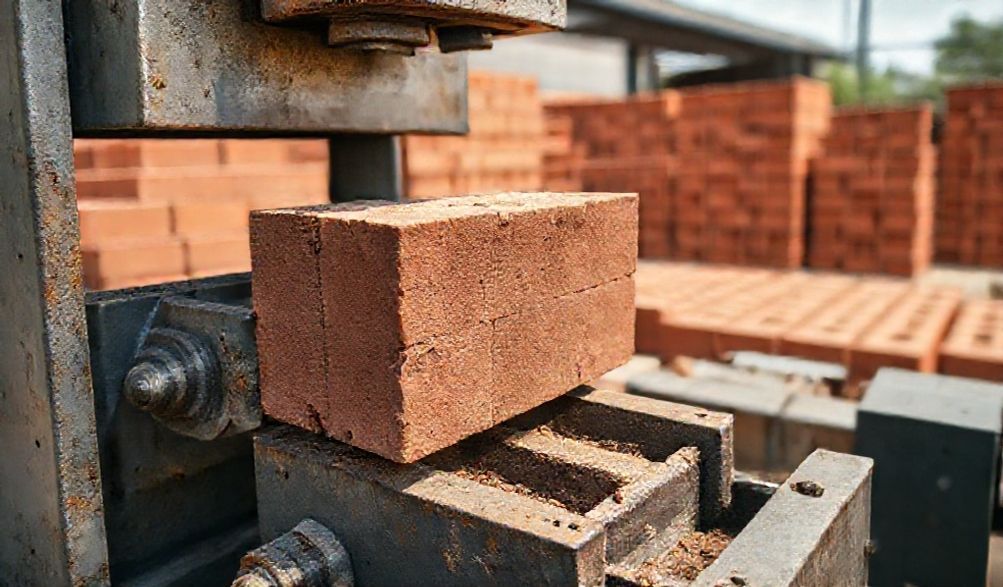
Jagorar Cikakkiyar Na'urorin Yin Tubali Masu Ƙarfi: Nau'uka, Fa'idodi & Yadda Ake Zaɓar
Gabatarwa
Shin kun san cewa ana samar da fiye da tiriliyan 1.5 na bulo a duniya kowace shekara, waɗanda suke zama ginshiƙin gine-ginenmu na zahiri? Ga ’yan kwangila, magina, da ’yan kasuwa, hanyar samarwa tana canzawa. Maimakon dogaro da aikin hannu marar aminci ko sayen bulo masu tsada, mafita ta zamani ta ta’allaka ne kan saka hannun jari a cikin ikon samar da ku. Wannan cikakken jagora an tsara shi ne don zama cikakkiyar albarkatun ku akanna'urar yin bulo mai ƙarfiKayan aiki mai mahimmanci don gini mai inganci, dorewa, da riba.
Manufarmu ba siyar muku takamaiman alama ba ne, amma mu ba ku ilimi mara son kai, cikakke. Bayanan da ke nan an tattara su ne daga cikakkun bayanan fasaha, bayanan masana'anta kai tsaye, da kuma gogewar aiki na shekaru da yawa a fagen. Ko kuna kimanta wani ƙaramin kasuwanci ko kuma babban masana'antar masana'antu, wannan jagorar za ta taimaka muku fahimtar fasahar, da kuma kimanta zaɓuɓɓukan ku, da yanke shawarar saka hannun jari mai dorewa wanda zai haɓaka ribar ku ta hanyar ingantacciyar inganci da ƙarfin samfur.
Menene Injin Yin Tubali Mai Ƙarfi? Ma'anar Fasahar Cibiyar
A tsakiyar sa, na'urar yin bulo mai ƙarfi wata na'ura ce da ke sarrafawa da kuma sarrafa tsarin samar da ɗanyen abu, mai ɗanɗano—galibi cakuda ƙasa, yumbu, siminti, ko toka mai tashi—zuwa ga bulo mai ƙarfi, iri ɗaya ta hanyar matsi mai ƙarfi.
Sabanin bulo mai ramuka ko tsage-tsage, bulo mai ƙarfi ba shi da ramuka, wanda ke haifar da tubalin mai ƙarfin matsi da nauyi, wanda ya dace da bangon ɗaukar kaya, ginshiƙai, da kuma tituna.
Ka'idar Asali: Daga Abun Gini zuwa Tubalin Gama-gari
Tsarin wani ci-gaba ne na zamani na tufkatar tubali na dā, wanda ya ta'allaka ne akan matsawa.
- Ciyarwa:Kayan aikin da aka haɗa ana ɗora su cikin ma'ajiyar injin.
- Ma'auni & Gyare-gyare:Ana ciyar da adadin kayan da aka auna zuwa cikin ramin ƙirar (mutu) na daidaitattun ma'auni.
- Ƙarfafawa:Ramin injin ruwa ko na'ura mai sarrafa kai tana amfani da matsi mai tsanani—wanda sau da yawa yana tsakanin tan 20 zuwa 150+—don matsawa kayan, tare da kawar da iska da ɗaure barbashi.
- Fitarwa:Sabon bulo da aka ƙera, wanda aka matsa, ana fitar da shi daga cikin madaurin, yana da ƙarfi sosai don a iya sarrafa shi.
- Maganin Ciwon Ciki:Ana sannan a jera bulo a bar su su yi ƙarfinsu na ƙarshe ta hanyar bushewa ko kuma saita sinadarai.
Abubuwan Muhimman na Injin Daidaitacce
Fahimtar manyan sassan na'urar yana bayyana ta.
* Hopper:Tukunyar ajiyar abu mai danyen abu.
* Tsarin Ciyarwa:Yana jigilar kayan daga cikin hopper zuwa mold, sau da yawa ta amfani da auger ko conveyor.
* Mold (Die):Babban abin da ke ayyana siffar da girman bulo. Yana iya musanya a cikin samfura da yawa.
* Tsarin Matsawa:Mashin ɗin wutar lantarki, yawanci ya ƙunshi famfo na ruwa, silinda, da rago wanda ke ba da ƙarfin matsi.
* Tsarin Fitowa:Farin ko tsarin da ke tura bulo da aka gama daga cikin madaidaicin.
* Tsarin Gudanarwa:Ya bambanta daga maɓuɓɓugan lefa masu sauƙi zuwa na'urorin sarrafa shirye-shirye (PLC) masu ci gaba don sarrafa kai.
Nau'ikan Injinan Yin Tubalin Masu Ƙarfi: Nemo Maɓallin Da Ya Dace
Zaɓar daidai nau'in shine muhimmiyar shawarar farko ta ku. Kasuwa tana ba da damar kowane ma'auni na aiki.
Na'urorin Yin Tubali na Hannu
Waɗannan na'urorin bugawa ne na hannun mutum, waɗanda ake sarrafa su da lefa.
* Aiki:Mai aiki yana cika ƙirar da hannu kuma yana amfani da leƙen hannu don yin matsi.
* Amfani Mafi Kyau:Ayyukan ƙananan ƙanana, shirye-shiryen al'umma, ko wuraren da ba su da wutar lantarki. Ƙaramin farashi na jari.
* Iyaka:Yana da ƙarfin aiki, ƙananan fitarwa (200-500 bulo a kowace rana), ingancin da bai dace ba ya dogara da ƙarfin ma'aikaci, kuma yana da ƙarfin jiki.
Matsarori na Yin Bulo na Semi-Automatic
Wannan rukuni yana ba da mafi kyawun daidaito ga yawancin ƙananan da matsakaitan kasuwancin (SMEs).
* Aiki:Ƙarfafa ta hanyar inji (yawanci ta wutar lantarki ko dizal) tana kula da matsi, amma ciyar da kayan da kuma cire bulo na hannu ne. Wasu suna da ciyar da kayan ta atomatik.
* Amfani Mafi Kyau:Samar da matsakaicin siginare don ayyukan gidaje, ƙananan wuraren yin bulo. Yana ba da babban ci gaba a cikin fitarwa da daidaito akan hanyoyin hannu ba tare da rikitarwar cikakken sarrafa kansa ba.
* Kewayon FitarwaYawanci 1,500 zuwa 6,000 bulo a kowane tawaga na sa'o'i 8.
Injinoyin Gina Tubali Masu Sarrafa Kansu Gabaɗaya
Waɗannan layukan samarwa ne na masana'antu.
* Aiki:Tsarin da aka haɗa gaba ɗaya tare da ciyar da kayan aiki ta atomatik, ƙanƙance, fitar da bulo, tara, da sarrafa pallet. Ana sarrafa su ta PLCs.
* Amfani Mafi Kyau: Large-scale commercial brick manufacturing plants, major infrastructure projects requiring massive, consistent output.
* Siffofi na Maɗaukaki: High output (10,000 to 50,000+ bricks daily), minimal manual labor, superior consistency, and often include integrated mixers and conveyor systems.
Stationary vs. Mobile Brick Plants
- Tsire-tsire Masu Tsayawa: Fixed installations, typically for high-volume, permanent production facilities. They are heavy-duty, allow for optimized workflow, and are often fully automatic.
- Mobile Plants: Mounted on trailers, these machines bring production directly to the construction site. This eliminates brick transportation costs, a significant saving. Ideal for large, remote projects like dams, roads, or rural housing developments.
Key Advantages of Using a Solid Brick Making Machine
Investing in this technology delivers tangible, multifaceted benefits.
Unmatched Product Strength and Durability
The high-pressure compaction creates a brick with exceptional density.
* High Compression Force: Machines produce bricks with consistent compressive strength, often exceeding 7-10 MPa or more, meeting and surpassing standard construction codes.
* Consistent Density: Uniform compaction means no weak spots, leading to bricks with excellent weather resistance, low water absorption, and long structural life.
Superior Production Efficiency and Output
Mechanization multiplies your production capacity.
* Output Comparison: A single semi-automatic machine can outperform 20-30 skilled manual laborers in a day, with far less physical strain and variability.
* Gudun. Cycle times can be as low as 10-20 seconds per brick, enabling rapid project completion.
Ragewar Farashin Kasuwa A Tsawon Lokaci
While requiring upfront capital, the long-term savings are substantial.
* Raw Material Optimization: Precise measurement and high pressure mean less material waste and the ability to use locally sourced, lower-cost soils (often stabilized with a small amount of cement).
* Ragecin Kudaden Ma'aikata: One or two operators can manage output that would require a large manual team, drastically cutting recurring wage expenses.
* Transport Savings (for mobile units): Producing bricks on-site slashes logistics costs, which can be a major project expenditure.
Consistency and Customization
- Girma iri ɗaya: Every brick is identical, simplifying bricklaying, reducing mortar use, and creating a cleaner final appearance.
- Flexible Molds: By changing the mold, you can produce different sizes of solid bricks, and even paving stones, kerbstones, or interlocking blocks with many machines, adding product line versatility.
Abubuwan Muhimman Da Ya Kamata A Yi La'akari Da Su Kafin Ka Siyo
This is where expert, tailored advice is crucial. Don’t just buy a machine; invest in a solution for your specific context.
Ƙididdige Bukatun Samarwa
Ka tambayi kanka:
* What is my required daily or monthly brick output?
* Is this for a single project or ongoing commercial sales?
* What type of construction are the bricks for (e.g., residential, commercial, paving)?
Raw Material Analysis: Soil, Clay, and Mix Proportions
The machine must match your material. This is a non-negotiable expertise point.
* Conduct a soil test. The ideal mix has a balance of clay (for binding), silt, and sand (for stability).
* Many machines can work with laterite soil, clay, or fly ash, often stabilized with 5-10% cement.
* Shawarwarin Ƙwararru: Send a sample of your local soil to a reputable manufacturer. They can test it and recommend the right machine settings and mix formula.
Power Source: Electric, Diesel, or Hybrid?
- Lantarki: Cleaner, quieter, and lower operating cost where grid power is stable and available.
- Dizal: Essential for sites without reliable electricity. Offers high torque and mobility.
- Hibrid: Offers flexibility to switch between power sources, providing valuable backup.
Binciken Cikakken Bayanin Na'ura
Look beyond the brochure. Understand these terms:
* Lokacin Zagayowar: Time to produce one brick. Faster cycles mean higher output.
* Matsi (Tona): The compaction force. Higher tonnage (e.g., 50 tons vs. 20 tons) generally produces stronger, denser bricks from a wider variety of materials.
* Yawan Amfani da Molds: Can you easily change molds? Are additional mold sizes readily available from the supplier?
* Ingancin Gina Inspect the thickness of steel plates, the quality of hydraulic seals, and the robustness of the frame.
After-Sales Support: The Make-or-Break Factor
A machine is a long-term asset. Support is paramount.
* Warranty: What is covered and for how long?
* Samun Kayan Gyara: Are common wear parts (seals, molds, hydraulic hoses) readily available locally or via quick shipping?
* Technical Service: Does the supplier offer installation, training, and troubleshooting support? Can they provide remote assistance?
Mafi kyawun Ayyuka da Kulawa
Proper care ensures longevity and consistent output, reflecting practical experience.
Daily Operation Checklist for Optimal Performance
- Check and tighten all bolts and nuts.
- Lubricate all moving parts as per the manual.
- Ensure the hydraulic oil level is adequate and clean.
- Inspect the raw material for proper moisture content (usually 8-12%) and remove large debris.
- Clean the mold and hopper at the end of the shift.
Essential Routine Maintenance Schedule
- Mako-mako: Check hydraulic system for leaks, clean filters.
- Kowane wata: Inspect the mold for wear, check electrical connections.
- Annually: Change hydraulic oil and filters, perform a comprehensive machine inspection.
Troubleshooting Common Issues
- Bricks Cracking: Usually caused by incorrect moisture content (too dry), excessive pressure, or improper mix design.
- Poor Ejection/Sticking: Often due to a worn mold, insufficient release agent, or overly wet material.
- Uneven Density: Can result from uneven material feeding or a worn compaction ram. Check the feed system and pressure settings.
Solid Brick Making Machine vs. Alternative Technologies
Comparison with Hollow Brick Machines
- Tubalin Ƙaƙƙarfan. Higher compressive strength and mass. Used for load-bearing walls, foundations, retaining walls, and pavements. Use more raw material per unit.
- Briksoshi Maras Ciki: Lighter weight, provide better thermal and acoustic insulation due to air cavities. Use less material, reducing cost and weight. Typically used for partition walls and in framed structures. A na'urar yin bulo mai ƙarfi produces a structurally denser product.
Comparison with Traditional Manual Brick Making
- Aiki Machine: 1-3 operators. Manual: 15-30 laborers for equivalent output.
- Sakamako: Machine: Thousands per day. Manual: Hundreds per day.
- Inganci: Machine: Highly consistent and strong. Manual: Variable, dependent on skill.
- Ma'auni: Machine enables commercial-scale production. Manual is limited to very small projects.
Tambayoyin da ake yawan yi (FAQ)
Q1: What is the average production capacity of a medium-sized solid brick making machine?
A: A medium-sized, semi-automatic machine typically produces between 2,500 to 5,000 standard solid bricks (e.g., 230x110x75 mm) in an 8-hour shift, depending on the model and operator speed.
Q2: What type of soil or clay mixture is ideal for making strong solid bricks?
A: A well-graded mixture containing about 20-30% clay (for cohesion), 30-50% sand (for stability and to reduce shrinkage), and the remainder silt. Often, 5-10% cement is added as a stabilizer to ensure strength and water resistance, especially with less-than-ideal soils.
Q3: Can I use a solid brick making machine for interlocking bricks or pavers?
A: Yes, absolutely. Many machines are “block making machines” with interchangeable molds. By simply switching the mold, you can produce solid bricks, interlocking bricks, paving stones, and more. Confirm this versatility with your supplier.
Q4: What is the typical price range for a reliable semi-automatic machine?
A: Prices vary widely by capacity, brand, and region. A good quality, new semi-automatic machine can range from approximately $8,000 to $25,000. Always prioritize build quality and supplier reputation over the lowest price.
Q5: How much space is required to set up a small brick-making operation?
A: You need space for the machine, raw material storage, brick drying/curing area, and finished product storage. A minimum of 2,000 to 5,000 square feet (200-500 sq. meters) is recommended for a small, functional setup.
Q6: What are the most common maintenance tasks, and how often are they needed?
A: Daily lubrication and cleaning are key. Weekly checks of hydraulics and monthly inspections of molds and electrical systems are crucial. The most common tasks involve keeping the mold clean, ensuring proper lubrication, and monitoring hydraulic oil levels and quality.
Ƙarshe
Zaɓar daidaina'urar yin bulo mai ƙarfi is a strategic decision that hinges on a clear understanding of your production needs, raw materials, and the critical importance of reliable after-sales support. It’s an investment that pays dividends through durable construction, cost control, and business scalability.
Our final, expert recommendation is to prioritize machine durability and supplier reputation above all else. A slightly higher initial investment in a robust machine from a trustworthy partner will save you from costly downtime and repairs in the long run.
Use this guide as your checklist. Consult with multiple reputable suppliers, insist on testing your raw material with their machines, and if possible, visit an existing installation to see the equipment in operation. By taking these steps, you move from being a buyer to an informed investor, ready to build your projects—and your business—on a solid foundation. This technology is more than equipment; it’s a cornerstone of modern, sustainable, and cost-effective construction.
<