
Пултулмагын Кесилген Кирпич Ясагъыч Машиналар: Түрлери, Пайдалары ве Сечмек Усулы
Giriş
Bilýäňizmi, her ýylda dünýäde 1,5 trilliondan gowrak kerpiç öndürilýär we bu biziň gurluşyk gurşawymyzyň esasy düýbüni düzýär? Kerpiç öndüriji we gurluşyk işgärleri, daşary ýurtly gurluşykçylar we telekeçiler üçin önümçilik usuly üýtgeýär. Näbelli el işinden ýa-da gymmat kerpiç satyn almaktan daşlaşmak üçin häzirki çözgüt öz önümçilik ukybymyza maýa goýmakdyr. Bu doly gollanma, kerpiç öndürişi boýunça iň soňky çeşmäňiz bolmak üçin düzüldi.gatyrylan kiremit ýasama maşynyýakyn, dayanakly we peýdaly gurluş üçin esasy enjam.
Bizim maksadymyz size belli bir markany satmak däl, eýsem, tarapyňyzyň garaşsyz, jikme-jik bilim bilen ýaraglandyrmakdyr. Bu ýerde berilýän maglumatlar tehniki spesifikasiýalardan, gönügelýän öndürijileriň maglumatlaryndan we bu pudagyň onýyllyklaryň dowamynda ýygnan iş tejribesinden düzüldi. Kiçi göwrümli işjeňlikmi, ýokary önümçilikli zawodmy bahalandyryp ýa-da çözmek isleseňiz hem, bu gollanma tehnologiýany düşünmäge, mümkin bolan wariantlary deňeşdirmäge we netijeliligi we önümiň berkligini üstünlikli ýola goýmak arkany goýum goýumdan gelirini (ROI) iň ýokary derejä ýetirmek üçin strategiki çözgüt kabul etmäge kömek eder.
Gaty Gülle Ýasama Maşyny Näme? Esasy Teknologiýany Düşündirmek
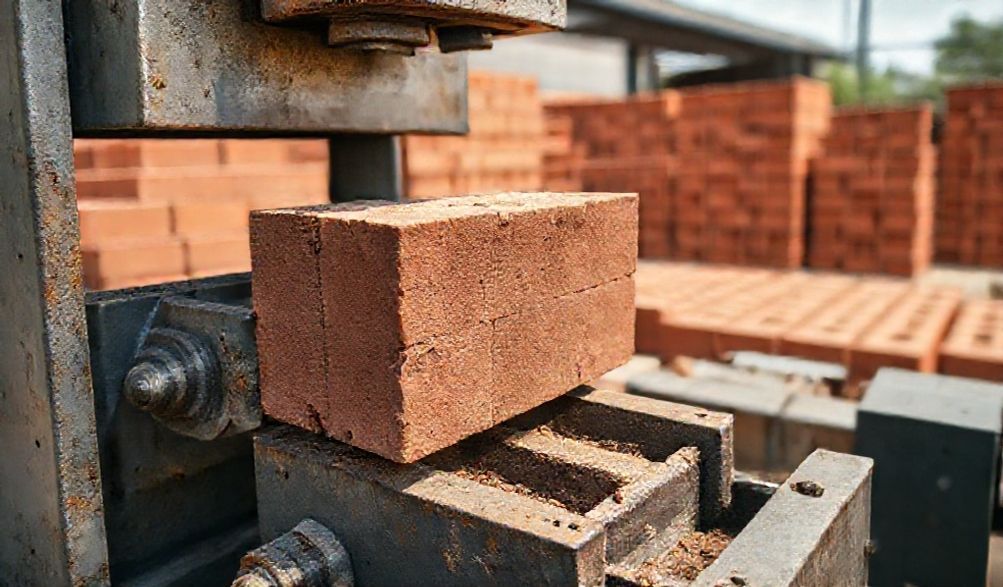
Onuň esasynda, berk kerpiç ýasama maşyny, çygly çygly materialy – adatça toprak, kerpiç, sement ýa-da külüň garyndysyny – ýokary basyşly gysma arkaly ýygnaýan, birmeňzeş berk kerpiçlere öwürýän prosesi awtomatlaşdyrýan we mehanizirlýän guraldyr.
Guşsyz ýa-da deşikli kerpiçlerden tapawutlylykda, doly kerpiçlerde boşluklar bolmaýar, netijede ýük göterijilik güýji we massasy ýokary bolýan blok döreýär, bu bolsa ýük göterýän diwarlar, esaslar we ýol örtükleri üçin idealdyr.
Esasy Prensip: Çig Materialdan Taýýar Kerpiçe
Процесс, gadymy kerpiç ýasamagyň ösmüş görnüşi bolup, esasan gysma merkezli bolýar.
- Iýmitlenme:Çyg mal goşundysy maşynynyň bunkerine ýüklenýär.
- Ölçekleme we Kalyplyma:Ölçegli material, takyk ölçegli galybyň (şablonuň) boşlugyna berilýär.
- Gatnaşdyrma:Гидравлик ýa-da mehaniki domkrak uly basyşy—köplenç 20-den 150+ tonna çenli—goýberýär, materialy sypdyrmak üçin, howa boşluklaryny aýyrmak we bölejikleri birikdirmek üçin.
- Чыгаруу:Täze düzülen, gatylandyrylan kerpiç kalypdan çykarylýar, işlenmek üçin ýeterlik durnukly.
- Gowulama:Кирпичлер соңра топланып, гүйеж гатланып, гургаланып ýa-da himiki proses arkaly soňky güýjini alýar.
Standart bir maşynyň esasy bölekleri
Esasy böleklerini düşünmek, maşynyň syryny açýar:
* Хоппер:Хам материаллар үчүн учуруучу судно.
* Iýmitlendiriş ulgamy:Хопперден материалды қалыпқа жеткізеді, көбінесе бұрандалы конвейер немесе тасымалдауыш арқылы.
* Kalyp (Galyb):Kiremitiň şeklini we ululygyny kesgitleýän esasy bölek. Köp modelde çalşyp bolýar.
* Goşundy Ulgamy: The powerhouse, usually comprising a hydraulic pump, cylinders, and a ram that delivers the pressing force.
* Çykaryş Mehanizmi: A plate or system that pushes the finished brick out of the mold.
* Kontrol ulgamy: Ranges from simple levers to advanced Programmable Logic Controller (PLC) panels for automation.
Types of Solid Brick Making Machines: Finding the Right Fit
Choosing the correct type is your first critical decision. The market caters to every scale of operation.
Manual Güllemek Ýasama Maşynlary
These are human-powered, lever-operated presses.
* Amal: An operator fills the mold by hand and uses a manual lever to apply pressure.
* Идеал Улanylýş Ýagdaýlary: Very small-scale projects, community initiatives, or locations with no electricity. Extremely low capital cost.
* Çäklendirmeler: Labor-intensive, very low output (200-500 bricks per day), inconsistent quality dependent on operator strength, and physically demanding.
Ýarym-awtomatik Kerpiç Ýasama Maşynlary
Bu kategoriýa köplenç kiçi we orta işewürlikler (SMEs) üçin iň gowy deňagramlylygy hödürleýär.
* Amal: Mechanized compaction (usually electric or diesel-powered) handles the pressing, but material feeding and brick removal are manual. Some feature automatic material feeding.
* Идеал Улanylýş Ýagdaýlary: Medium-scale production for housing projects, small brick-making yards. Offers a significant jump in output and consistency over manual methods without the complexity of full automation.
* Output Range: Typically 1,500 to 6,000 bricks per 8-hour shift.
Doly Awtomatiki Kerpiç Ýasama Maşynlary
These are industrial-grade production lines.
* Amal: Fully integrated systems with automatic material feeding, compaction, brick ejection, stacking, and palletizing. Controlled by PLCs.
* Идеал Улanylýş Ýagdaýlary: Large-scale commercial brick manufacturing plants, major infrastructure projects requiring massive, consistent output.
* Esasy Aýratynlyklary: High output (10,000 to 50,000+ bricks daily), minimal manual labor, superior consistency, and often include integrated mixers and conveyor systems.
Stationary vs. Mobile Brick Plants
- Стационарлык Өсүмликлар: Fixed installations, typically for high-volume, permanent production facilities. They are heavy-duty, allow for optimized workflow, and are often fully automatic.
- Mobile Plants: Mounted on trailers, these machines bring production directly to the construction site. This eliminates brick transportation costs, a significant saving. Ideal for large, remote projects like dams, roads, or rural housing developments.
Key Advantages of Using a Solid Brick Making Machine
Investing in this technology delivers tangible, multifaceted benefits.
Unmatched Product Strength and Durability
The high-pressure compaction creates a brick with exceptional density.
* High Compression Force: Machines produce bricks with consistent compressive strength, often exceeding 7-10 MPa or more, meeting and surpassing standard construction codes.
* Consistent Density: Uniform compaction means no weak spots, leading to bricks with excellent weather resistance, low water absorption, and long structural life.
Superior Production Efficiency and Output
Mechanization multiplies your production capacity.
* Output Comparison: A single semi-automatic machine can outperform 20-30 skilled manual laborers in a day, with far less physical strain and variability.
* Tizlik: Cycle times can be as low as 10-20 seconds per brick, enabling rapid project completion.
Uzak Möwçünde Ähmiýetli Çykdajy Azaltma
While requiring upfront capital, the long-term savings are substantial.
* Raw Material Optimization: Precise measurement and high pressure mean less material waste and the ability to use locally sourced, lower-cost soils (often stabilized with a small amount of cement).
* Labor Cost Savings: One or two operators can manage output that would require a large manual team, drastically cutting recurring wage expenses.
* Transport Savings (for mobile units): Producing bricks on-site slashes logistics costs, which can be a major project expenditure.
Consistency and Customization
- Deň ölçegli: Every brick is identical, simplifying bricklaying, reducing mortar use, and creating a cleaner final appearance.
- Flexible Molds: By changing the mold, you can produce different sizes of solid bricks, and even paving stones, kerbstones, or interlocking blocks with many machines, adding product line versatility.
Satyn almakdan öň göz öňünde tutmaly ähmiýetli amiller
This is where expert, tailored advice is crucial. Don’t just buy a machine; invest in a solution for your specific context.
Öndürijilik Talapalaryňyzy Bahalandyrmak
Ask yourself:
* What is my required daily or monthly brick output?
* Is this for a single project or ongoing commercial sales?
* What type of construction are the bricks for (e.g., residential, commercial, paving)?
Raw Material Analysis: Soil, Clay, and Mix Proportions
The machine must match your material. This is a non-negotiable expertise point.
* Conduct a soil test. The ideal mix has a balance of clay (for binding), silt, and sand (for stability).
* Many machines can work with laterite soil, clay, or fly ash, often stabilized with 5-10% cement.
* Professional Maslahat: Send a sample of your local soil to a reputable manufacturer. They can test it and recommend the right machine settings and mix formula.
Power Source: Electric, Diesel, or Hybrid?
- Elektrik: Cleaner, quieter, and lower operating cost where grid power is stable and available.
- Дизель: Essential for sites without reliable electricity. Offers high torque and mobility.
- Gatnaşyk: Offers flexibility to switch between power sources, providing valuable backup.
Machine Specifications Deep Dive
Look beyond the brochure. Understand these terms:
* Sikl wagty: Time to produce one brick. Faster cycles mean higher output.
* Басым (Тоннаж): The compaction force. Higher tonnage (e.g., 50 tons vs. 20 tons) generally produces stronger, denser bricks from a wider variety of materials.
* Kalyp Ýagdaýy: Can you easily change molds? Are additional mold sizes readily available from the supplier?
* Gurluşyk Sypaty: Inspect the thickness of steel plates, the quality of hydraulic seals, and the robustness of the frame.
After-Sales Support: The Make-or-Break Factor
A machine is a long-term asset. Support is paramount.
* Warranty: What is covered and for how long?
* Spare Parts Availability: Are common wear parts (seals, molds, hydraulic hoses) readily available locally or via quick shipping?
* Technical Service: Does the supplier offer installation, training, and troubleshooting support? Can they provide remote assistance?
Operational Best Practices and Maintenance
Proper care ensures longevity and consistent output, reflecting practical experience.
Daily Operation Checklist for Optimal Performance
- Check and tighten all bolts and nuts.
- Lubricate all moving parts as per the manual.
- Ensure the hydraulic oil level is adequate and clean.
- Inspect the raw material for proper moisture content (usually 8-12%) and remove large debris.
- Clean the mold and hopper at the end of the shift.
Essential Routine Maintenance Schedule
- Weekly: Check hydraulic system for leaks, clean filters.
- Monthly: Inspect the mold for wear, check electrical connections.
- Annually: Change hydraulic oil and filters, perform a comprehensive machine inspection.
Troubleshooting Common Issues
- Bricks Cracking: Usually caused by incorrect moisture content (too dry), excessive pressure, or improper mix design.
- Poor Ejection/Sticking: Often due to a worn mold, insufficient release agent, or overly wet material.
- Uneven Density: Can result from uneven material feeding or a worn compaction ram. Check the feed system and pressure settings.
Solid Brick Making Machine vs. Alternative Technologies
Comparison with Hollow Brick Machines
- Gaty Kerpiçler: Higher compressive strength and mass. Used for load-bearing walls, foundations, retaining walls, and pavements. Use more raw material per unit.
- Boş Gurluşly Kerpiçler: Lighter weight, provide better thermal and acoustic insulation due to air cavities. Use less material, reducing cost and weight. Typically used for partition walls and in framed structures. A gatyrylan kiremit ýasama maşyny produces a structurally denser product.
Comparison with Traditional Manual Brick Making
- Emegeý Machine: 1-3 operators. Manual: 15-30 laborers for equivalent output.
- Çykyş: Machine: Thousands per day. Manual: Hundreds per day.
- Sapaýat: Machine: Highly consistent and strong. Manual: Variable, dependent on skill.
- Ölçegi: Machine enables commercial-scale production. Manual is limited to very small projects.
Frequently Asked Questions (FAQ)
Q1: What is the average production capacity of a medium-sized solid brick making machine?
A: A medium-sized, semi-automatic machine typically produces between 2,500 to 5,000 standard solid bricks (e.g., 230x110x75 mm) in an 8-hour shift, depending on the model and operator speed.
Q2: What type of soil or clay mixture is ideal for making strong solid bricks?
A: A well-graded mixture containing about 20-30% clay (for cohesion), 30-50% sand (for stability and to reduce shrinkage), and the remainder silt. Often, 5-10% cement is added as a stabilizer to ensure strength and water resistance, especially with less-than-ideal soils.
Q3: Can I use a solid brick making machine for interlocking bricks or pavers?
A: Yes, absolutely. Many machines are “block making machines” with interchangeable molds. By simply switching the mold, you can produce solid bricks, interlocking bricks, paving stones, and more. Confirm this versatility with your supplier.
Q4: What is the typical price range for a reliable semi-automatic machine?
A: Prices vary widely by capacity, brand, and region. A good quality, new semi-automatic machine can range from approximately $8,000 to $25,000. Always prioritize build quality and supplier reputation over the lowest price.
Q5: How much space is required to set up a small brick-making operation?
A: You need space for the machine, raw material storage, brick drying/curing area, and finished product storage. A minimum of 2,000 to 5,000 square feet (200-500 sq. meters) is recommended for a small, functional setup.
Q6: What are the most common maintenance tasks, and how often are they needed?
A: Daily lubrication and cleaning are key. Weekly checks of hydraulics and monthly inspections of molds and electrical systems are crucial. The most common tasks involve keeping the mold clean, ensuring proper lubrication, and monitoring hydraulic oil levels and quality.
Netije
Dogry saýlamakgatyrylan kiremit ýasama maşyny is a strategic decision that hinges on a clear understanding of your production needs, raw materials, and the critical importance of reliable after-sales support. It’s an investment that pays dividends through durable construction, cost control, and business scalability.
Our final, expert recommendation is to prioritize machine durability and supplier reputation above all else. A slightly higher initial investment in a robust machine from a trustworthy partner will save you from costly downtime and repairs in the long run.
Use this guide as your checklist. Consult with multiple reputable suppliers, insist on testing your raw material with their machines, and if possible, visit an existing installation to see the equipment in operation. By taking these steps, you move from being a buyer to an informed investor, ready to build your projects—and your business—on a solid foundation. This technology is more than equipment; it’s a cornerstone of modern, sustainable, and cost-effective construction.
<