
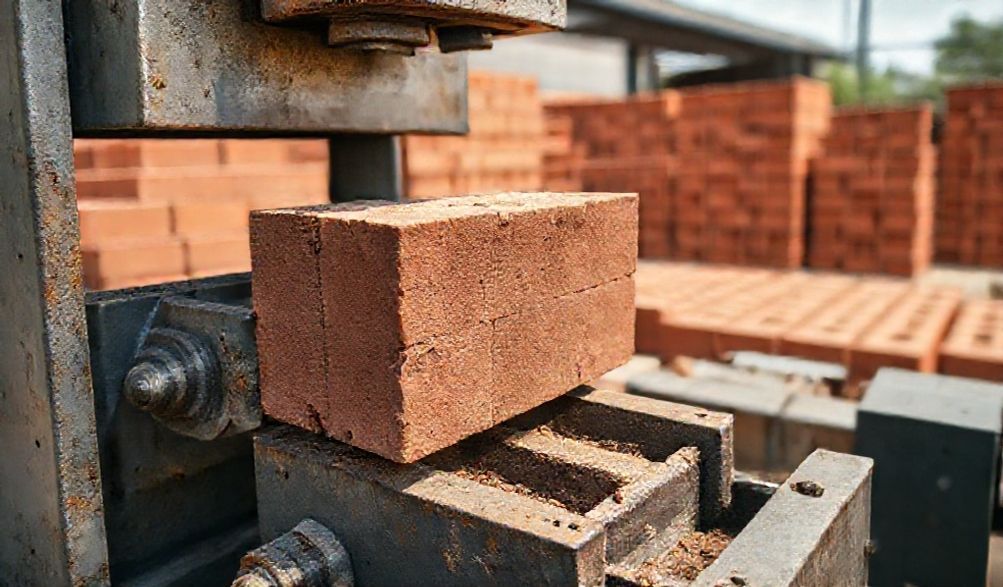
Hướng Dẫn Toàn Diện Về Máy Làm Gạch Đặc: Phân Loại, Lợi Ích & Cách Chọn Lựa
Giới thiệu
Bạn có biết rằng hơn 1,5 nghìn tỷ viên gạch được sản xuất trên toàn cầu mỗi năm, tạo thành xương sống cho môi trường xây dựng của chúng ta? Đối với các nhà thầu, nhà xây dựng và doanh nhân, phương thức sản xuất đang thay đổi. Thay vì phụ thuộc vào lao động thủ công không ổn định hoặc mua gạch đắt đỏ, giải pháp hiện đại nằm ở việc đầu tư vào năng lực sản xuất của chính mình. Hướng dẫn toàn diện này được thiết kế để trở thành nguồn tài nguyên quyết định của bạn về...máy làm gạch đặcmột thiết bị then chốt cho công trình xây dựng hiệu quả, bền bỉ và mang lại lợi nhuận.
Mục đích của chúng tôi không phải để bán cho bạn một thương hiệu cụ thể, mà là trang bị cho bạn kiến thức chi tiết và khách quan. Những thông tin sâu sắc ở đây được tổng hợp từ thông số kỹ thuật, dữ liệu trực tiếp từ nhà sản xuất và nhiều thập kỷ kinh nghiệm vận hành tích lũy trong lĩnh vực. Dù bạn đang đánh giá một dự án quy mô nhỏ hay một nhà máy công nghiệp lớn, hướng dẫn này sẽ giúp bạn hiểu công nghệ, cân nhắc các lựa chọn và đưa ra quyết định đầu tư chiến lược nhằm tối đa hóa lợi tức đầu tư (ROI) thông qua hiệu suất vượt trội và chất lượng sản phẩm ưu việt.
Máy Làm Gạch Đặc là gì? Định Nghĩa Công Nghệ Cốt Lõi
Về cốt lõi, máy làm gạch đặc là một thiết bị tự động hóa và cơ giới hóa quá trình tạo hình nguyên liệu thô ẩm—thường là hỗn hợp đất, đất sét, xi măng hoặc tro bay—thành những viên gạch đặc đồng nhất, chắc chắn thông qua quá trình nén áp suất cao.
Khác với gạch rỗng hay gạch đục lỗ, gạch đặc không có khoang rỗng, tạo thành khối có cường độ chịu nén và khối lượng cao, lý tưởng cho tường chịu lực, móng và vỉa hè.
Nguyên Lý Cơ Bản: Từ Nguyên Liệu Thô Đến Gạch Thành Phẩm
Quy trình này là một sự phát triển tinh vi của nghề làm gạch cổ xưa, tập trung vào kỹ thuật nén.
- Cho ăn:Hỗn hợp nguyên liệu thô được nạp vào phễu của máy.
- Đo lường & Đúc khuôn:Một lượng vật liệu được định lượng sẽ được đưa vào khoang khuôn (khuôn ép) có kích thước chính xác.
- Nén chặt:Thủy lực hoặc pít-tông cơ học tạo ra áp lực khổng lồ—thường từ 20 đến hơn 150 tấn—để nén vật liệu, loại bỏ các túi khí và liên kết các hạt lại với nhau.
- Đẩy ra:新成型并压实的砖坯被推出模具,其稳定性足以进行搬运。
- Chữa bệnh:Sau đó, gạch được xếp chồng lên nhau và để khô, đạt được độ bền cuối cùng thông qua quá trình sấy khô hoặc đông cứng hóa học.
Các Thành Phần Chính của Một Máy Tiêu Chuẩn
Hiểu rõ các bộ phận chính giúp làm sáng tỏ cơ chế hoạt động của máy móc.
* Hopper:原料进料的储存容器。
* Hệ thống cấp liệu:Vận chuyển vật liệu từ phễu đến khuôn, thường sử dụng vít tải hoặc băng tải.
* Khuôn (Khuôn đúc):Hòn gạch lõi có hình dạng và kích thước xác định, có thể thay thế lẫn nhau trong nhiều mô hình.
* Hệ Thống Nén动力单元通常包括液压泵、油缸以及提供压力的柱塞。
* Ejection Mechanism: A plate or system that pushes the finished brick out of the mold.
* Hệ Thống Điều Khiển: Ranges from simple levers to advanced Programmable Logic Controller (PLC) panels for automation.
Types of Solid Brick Making Machines: Finding the Right Fit
Choosing the correct type is your first critical decision. The market caters to every scale of operation.
Máy Làm Gạch Thủ Công
These are human-powered, lever-operated presses.
* Hoạt động: An operator fills the mold by hand and uses a manual lever to apply pressure.
* Trường hợp sử dụng lý tưởng: Very small-scale projects, community initiatives, or locations with no electricity. Extremely low capital cost.
* Hạn chế: Labor-intensive, very low output (200-500 bricks per day), inconsistent quality dependent on operator strength, and physically demanding.
Máy Làm Gạch Bán Tự Động
Danh mục này mang lại sự cân bằng tốt nhất cho nhiều doanh nghiệp vừa và nhỏ (SMEs).
* Hoạt động: Mechanized compaction (usually electric or diesel-powered) handles the pressing, but material feeding and brick removal are manual. Some feature automatic material feeding.
* Trường hợp sử dụng lý tưởng: Medium-scale production for housing projects, small brick-making yards. Offers a significant jump in output and consistency over manual methods without the complexity of full automation.
* Phạm vi đầu ra Typically 1,500 to 6,000 bricks per 8-hour shift.
Máy Làm Gạch Tự Động Hoàn Toàn
These are industrial-grade production lines.
* Hoạt động: Fully integrated systems with automatic material feeding, compaction, brick ejection, stacking, and palletizing. Controlled by PLCs.
* Trường hợp sử dụng lý tưởng: Large-scale commercial brick manufacturing plants, major infrastructure projects requiring massive, consistent output.
* Tính năng chính: High output (10,000 to 50,000+ bricks daily), minimal manual labor, superior consistency, and often include integrated mixers and conveyor systems.
Stationary vs. Mobile Brick Plants
- Thực vật cố định: Fixed installations, typically for high-volume, permanent production facilities. They are heavy-duty, allow for optimized workflow, and are often fully automatic.
- Mobile Plants: Mounted on trailers, these machines bring production directly to the construction site. This eliminates brick transportation costs, a significant saving. Ideal for large, remote projects like dams, roads, or rural housing developments.
Key Advantages of Using a Solid Brick Making Machine
Investing in this technology delivers tangible, multifaceted benefits.
Unmatched Product Strength and Durability
The high-pressure compaction creates a brick with exceptional density.
* High Compression Force: Machines produce bricks with consistent compressive strength, often exceeding 7-10 MPa or more, meeting and surpassing standard construction codes.
* Consistent Density: Uniform compaction means no weak spots, leading to bricks with excellent weather resistance, low water absorption, and long structural life.
Superior Production Efficiency and Output
Mechanization multiplies your production capacity.
* So sánh Kết quả Đầu ra: A single semi-automatic machine can outperform 20-30 skilled manual laborers in a day, with far less physical strain and variability.
* Tốc độ: Cycle times can be as low as 10-20 seconds per brick, enabling rapid project completion.
Giảm Chi Phí Đáng Kể Về Lâu Dài
While requiring upfront capital, the long-term savings are substantial.
* Raw Material Optimization: Precise measurement and high pressure mean less material waste and the ability to use locally sourced, lower-cost soils (often stabilized with a small amount of cement).
* Tiết kiệm Chi phí Lao động: One or two operators can manage output that would require a large manual team, drastically cutting recurring wage expenses.
* Transport Savings (for mobile units): Producing bricks on-site slashes logistics costs, which can be a major project expenditure.
Consistency and Customization
- Kích Thước Đồng Đều: Every brick is identical, simplifying bricklaying, reducing mortar use, and creating a cleaner final appearance.
- Flexible Molds: By changing the mold, you can produce different sizes of solid bricks, and even paving stones, kerbstones, or interlocking blocks with many machines, adding product line versatility.
Các Yếu Tố Quan Trọng Cần Xem Xét Trước Khi Mua Hàng
This is where expert, tailored advice is crucial. Don’t just buy a machine; invest in a solution for your specific context.
Đánh Giá Yêu Cầu Sản Xuất Của Bạn
Hãy tự hỏi bản thân:
* What is my required daily or monthly brick output?
* Is this for a single project or ongoing commercial sales?
* What type of construction are the bricks for (e.g., residential, commercial, paving)?
Raw Material Analysis: Soil, Clay, and Mix Proportions
The machine must match your material. This is a non-negotiable expertise point.
* Conduct a soil test. The ideal mix has a balance of clay (for binding), silt, and sand (for stability).
* Many machines can work with laterite soil, clay, or fly ash, often stabilized with 5-10% cement.
* Mẹo Chuyên Nghiệp: Send a sample of your local soil to a reputable manufacturer. They can test it and recommend the right machine settings and mix formula.
Power Source: Electric, Diesel, or Hybrid?
- Điện: Cleaner, quieter, and lower operating cost where grid power is stable and available.
- Đi-ê-zen Essential for sites without reliable electricity. Offers high torque and mobility.
- Lai tạo: Offers flexibility to switch between power sources, providing valuable backup.
Đào Sâu Thông Số Kỹ Thuật Máy Móc
Look beyond the brochure. Understand these terms:
* Thời gian chu kỳ: Time to produce one brick. Faster cycles mean higher output.
* Áp lực (Tấn lực): The compaction force. Higher tonnage (e.g., 50 tons vs. 20 tons) generally produces stronger, denser bricks from a wider variety of materials.
* Tính Linh Hoạt của Khuôn Mẫu: Can you easily change molds? Are additional mold sizes readily available from the supplier?
* Chất Lượng Xây Dựng: Inspect the thickness of steel plates, the quality of hydraulic seals, and the robustness of the frame.
After-Sales Support: The Make-or-Break Factor
A machine is a long-term asset. Support is paramount.
* Bảo hành: What is covered and for how long?
* Sẵn có Phụ tùng Thay thế: Are common wear parts (seals, molds, hydraulic hoses) readily available locally or via quick shipping?
* Technical Service: Does the supplier offer installation, training, and troubleshooting support? Can they provide remote assistance?
Operational Best Practices and Maintenance
Proper care ensures longevity and consistent output, reflecting practical experience.
Daily Operation Checklist for Optimal Performance
- Check and tighten all bolts and nuts.
- Lubricate all moving parts as per the manual.
- Ensure the hydraulic oil level is adequate and clean.
- Inspect the raw material for proper moisture content (usually 8-12%) and remove large debris.
- Clean the mold and hopper at the end of the shift.
Essential Routine Maintenance Schedule
- Hàng tuần: Check hydraulic system for leaks, clean filters.
- Monthly: Inspect the mold for wear, check electrical connections.
- Hàng năm Change hydraulic oil and filters, perform a comprehensive machine inspection.
Troubleshooting Common Issues
- Bricks Cracking: Usually caused by incorrect moisture content (too dry), excessive pressure, or improper mix design.
- Poor Ejection/Sticking: Often due to a worn mold, insufficient release agent, or overly wet material.
- Uneven Density: Can result from uneven material feeding or a worn compaction ram. Check the feed system and pressure settings.
Solid Brick Making Machine vs. Alternative Technologies
Comparison with Hollow Brick Machines
- Gạch Đặc Higher compressive strength and mass. Used for load-bearing walls, foundations, retaining walls, and pavements. Use more raw material per unit.
- Gạch Rỗng: Lighter weight, provide better thermal and acoustic insulation due to air cavities. Use less material, reducing cost and weight. Typically used for partition walls and in framed structures. A máy làm gạch đặc produces a structurally denser product.
Comparison with Traditional Manual Brick Making
- Lao động Machine: 1-3 operators. Manual: 15-30 laborers for equivalent output.
- Đầu ra: Machine: Thousands per day. Manual: Hundreds per day.
- Chất lượng: Machine: Highly consistent and strong. Manual: Variable, dependent on skill.
- Quy mô: Machine enables commercial-scale production. Manual is limited to very small projects.
Các Câu Hỏi Thường Gặp (FAQ)
Q1: What is the average production capacity of a medium-sized solid brick making machine?
A: A medium-sized, semi-automatic machine typically produces between 2,500 to 5,000 standard solid bricks (e.g., 230x110x75 mm) in an 8-hour shift, depending on the model and operator speed.
Q2: What type of soil or clay mixture is ideal for making strong solid bricks?
A: A well-graded mixture containing about 20-30% clay (for cohesion), 30-50% sand (for stability and to reduce shrinkage), and the remainder silt. Often, 5-10% cement is added as a stabilizer to ensure strength and water resistance, especially with less-than-ideal soils.
Q3: Can I use a solid brick making machine for interlocking bricks or pavers?
A: Yes, absolutely. Many machines are “block making machines” with interchangeable molds. By simply switching the mold, you can produce solid bricks, interlocking bricks, paving stones, and more. Confirm this versatility with your supplier.
Q4: What is the typical price range for a reliable semi-automatic machine?
A: Prices vary widely by capacity, brand, and region. A good quality, new semi-automatic machine can range from approximately $8,000 to $25,000. Always prioritize build quality and supplier reputation over the lowest price.
Q5: How much space is required to set up a small brick-making operation?
A: You need space for the machine, raw material storage, brick drying/curing area, and finished product storage. A minimum of 2,000 to 5,000 square feet (200-500 sq. meters) is recommended for a small, functional setup.
Q6: What are the most common maintenance tasks, and how often are they needed?
A: Daily lubrication and cleaning are key. Weekly checks of hydraulics and monthly inspections of molds and electrical systems are crucial. The most common tasks involve keeping the mold clean, ensuring proper lubrication, and monitoring hydraulic oil levels and quality.
Conclusion
Chọn đúngmáy làm gạch đặc is a strategic decision that hinges on a clear understanding of your production needs, raw materials, and the critical importance of reliable after-sales support. It’s an investment that pays dividends through durable construction, cost control, and business scalability.
Our final, expert recommendation is to prioritize machine durability and supplier reputation above all else. A slightly higher initial investment in a robust machine from a trustworthy partner will save you from costly downtime and repairs in the long run.
Use this guide as your checklist. Consult with multiple reputable suppliers, insist on testing your raw material with their machines, and if possible, visit an existing installation to see the equipment in operation. By taking these steps, you move from being a buyer to an informed investor, ready to build your projects—and your business—on a solid foundation. This technology is more than equipment; it’s a cornerstone of modern, sustainable, and cost-effective construction.
<