
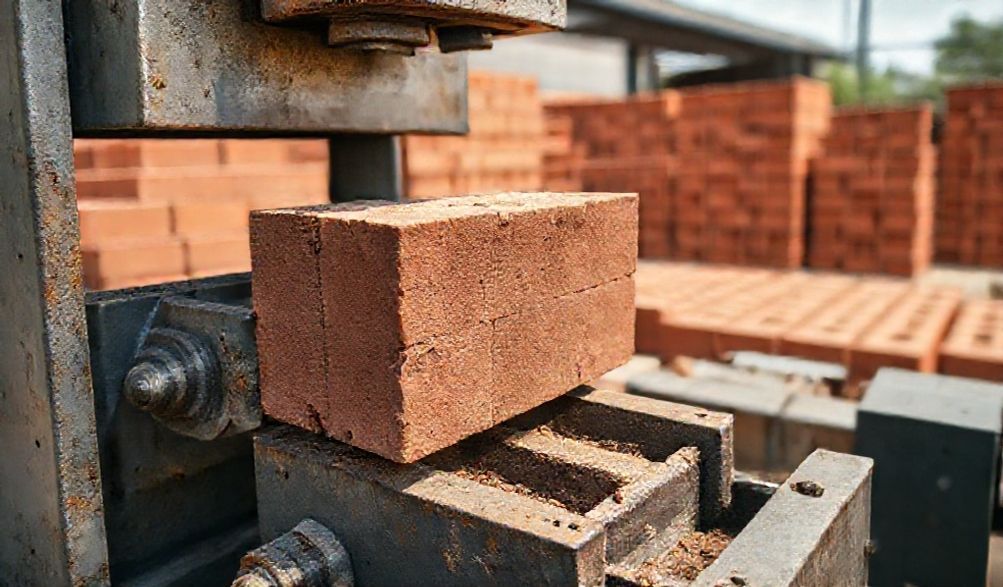
Panduan Utama Mesin Pembuat Batu Bata Padat: Jenis, Keuntungan & Cara Memilih
Pengantar
Tahukah Anda bahwa lebih dari 1,5 triliun batu bata diproduksi secara global setiap tahunnya, membentuk tulang punggung harfiah dari lingkungan binaan kita? Bagi kontraktor, pembangun, dan pengusaha, metode produksi sedang bergeser. Beralih dari ketergantungan pada tenaga kerja manual yang tidak andal atau pembelian batu bata yang mahal, solusi modern terletak pada investasi dalam kemampuan produksi sendiri. Panduan komprehensif ini dirancang untuk menjadi sumber daya definitif Anda tentangmesin pembuat bata padatsebuah peralatan penting untuk konstruksi yang efisien, tahan lama, dan menguntungkan.
Tujuan kami bukan untuk menjual merek tertentu kepada Anda, melainkan untuk membekali Anda dengan pengetahuan mendalam yang tidak memihak. Wawasan di sini disusun dari spesifikasi teknis, data langsung dari produsen, serta pengalaman operasional lapangan yang terakumulasi selama puluhan tahun. Baik Anda mengevaluasi usaha skala kecil maupun pabrik industri besar, panduan ini akan membantu Anda memahami teknologinya, mempertimbangkan pilihan, dan membuat keputusan investasi strategis yang memaksimalkan pengembalian investasi (ROI) melalui efisiensi unggul dan kekuatan produk.
Apa itu Mesin Pembuat Bata Padat? Mendefinisikan Teknologi Inti
Inti dari mesin pembuat bata padat adalah alat yang mengotomatisasi dan memekanisasi proses pembentukan bahan mentah lembap—biasanya campuran tanah, tanah liat, semen, atau fly ash—menjadi bata padat yang seragam dan padat melalui pemadatan bertekanan tinggi.
Berbeda dengan bata berlubang atau bata berongga, bata padat tidak memiliki rongga, sehingga menghasilkan blok dengan kekuatan tekan dan massa yang tinggi, ideal untuk dinding penahan beban, fondasi, dan trotoar.
Prinsip Dasar: Dari Bahan Baku Menjadi Batu Bata Jadi
Proses ini merupakan evolusi canggih dari pembuatan bata kuno, yang berpusat pada kompresi.
- Pemberian Makan:Campuran bahan baku dimasukkan ke dalam corong mesin.
- Pengukuran & Pencetakan:Sejumlah bahan yang telah diukur dimasukkan ke dalam rongga cetakan (die) dengan dimensi yang presisi.
- Pemadatan:Sebuah ram hidrolik atau mekanis memberikan tekanan yang sangat besar—sering kali berkisar antara 20 hingga 150+ ton—untuk memampatkan material, menghilangkan kantong udara dan mengikat partikel.
- Pengusiran:Bata yang baru terbentuk dan dipadatkan didorong keluar dari cetakan, cukup stabil untuk ditangani.
- Menyembuhkan:Batu bata kemudian ditumpuk dan dibiarkan mengeras, memperoleh kekuatan akhir melalui pengeringan atau pengaturan kimia.
Komponen Utama dari Mesin Standar
Memahami bagian-bagian utamanya mengungkap misteri mesin:
* Hopper:Wadah penampung untuk umpan bahan baku.
* Sistem Pemberian Pakan:Memindahkan material dari hopper ke cetakan, seringkali menggunakan auger atau konveyor.
* Cetakan (Die):Komponen inti yang menentukan bentuk dan ukuran bata. Ini dapat dipertukarkan di banyak model.
* Sistem Pemadatan:Pembangkit tenaga, biasanya terdiri dari pompa hidrolik, silinder, dan batang penekan yang memberikan gaya penekanan.
* Mekanisme Pengeluaran:Sebuah pelat atau sistem yang mendorong batu bata jadi keluar dari cetakan.
* Sistem Kontrol:Mulai dari tuas sederhana hingga panel Programmable Logic Controller (PLC) canggih untuk otomasi.
Jenis Mesin Pembuat Batu Bata Padat: Menemukan yang Tepat
Memilih jenis yang tepat adalah keputusan kritis pertama Anda. Pasar melayani setiap skala operasi.
Mesin Pembuat Batu Bata Manual
Ini adalah mesin press yang dioperasikan dengan tenaga manusia menggunakan tuas.
* Operasi:Seorang operator mengisi cetakan secara manual dan menggunakan tuas tangan untuk menerapkan tekanan.
* Kasus Penggunaan Ideal:Proyek skala sangat kecil, inisiatif komunitas, atau lokasi tanpa listrik. Biaya modal yang sangat rendah.
* Keterbatasan:Padat karya, hasil sangat rendah (200-500 batu bata per hari), kualitas tidak konsisten tergantung pada kekuatan operator, dan menuntut secara fisik.
Mesin Pembuat Bata Semi-Otomatis
Kategori ini menawarkan keseimbangan terbaik bagi banyak usaha kecil dan menengah (UKM).
* Operasi:Pemadatan mekanis (biasanya bertenaga listrik atau diesel) menangani proses pengepresan, namun pengumpanan material dan pengeluaran batu bata dilakukan secara manual. Beberapa model memiliki fitur pengumpanan material otomatis.
* Kasus Penggunaan Ideal:Produksi skala menengah untuk proyek perumahan, tempat pembuatan batu bata kecil. Menawarkan lonjakan signifikan dalam output dan konsistensi dibandingkan metode manual tanpa kerumitan otomatisasi penuh.
* Rentang Output:Biasanya 1.500 hingga 6.000 bata per shift 8 jam.
Mesin Pembuat Batu Bata Sepenuhnya Otomatis
Ini adalah lini produksi kelas industri.
* Operasi:Sistem yang sepenuhnya terintegrasi dengan pengumpanan material otomatis, pemadatan, pengeluaran bata, penumpukan, dan paletisasi. Dikendalikan oleh PLC.
* Kasus Penggunaan Ideal: Large-scale commercial brick manufacturing plants, major infrastructure projects requiring massive, consistent output.
* Fitur Utama: High output (10,000 to 50,000+ bricks daily), minimal manual labor, superior consistency, and often include integrated mixers and conveyor systems.
Stationary vs. Mobile Brick Plants
- Tanaman Stasioner: Fixed installations, typically for high-volume, permanent production facilities. They are heavy-duty, allow for optimized workflow, and are often fully automatic.
- Mobile Plants: Mounted on trailers, these machines bring production directly to the construction site. This eliminates brick transportation costs, a significant saving. Ideal for large, remote projects like dams, roads, or rural housing developments.
Key Advantages of Using a Solid Brick Making Machine
Investing in this technology delivers tangible, multifaceted benefits.
Unmatched Product Strength and Durability
The high-pressure compaction creates a brick with exceptional density.
* High Compression Force: Machines produce bricks with consistent compressive strength, often exceeding 7-10 MPa or more, meeting and surpassing standard construction codes.
* Consistent Density: Uniform compaction means no weak spots, leading to bricks with excellent weather resistance, low water absorption, and long structural life.
Superior Production Efficiency and Output
Mechanization multiplies your production capacity.
* Output Comparison: A single semi-automatic machine can outperform 20-30 skilled manual laborers in a day, with far less physical strain and variability.
* Kecepatan: Cycle times can be as low as 10-20 seconds per brick, enabling rapid project completion.
Pengurangan Biaya yang Signifikan dalam Jangka Panjang
While requiring upfront capital, the long-term savings are substantial.
* Raw Material Optimization: Precise measurement and high pressure mean less material waste and the ability to use locally sourced, lower-cost soils (often stabilized with a small amount of cement).
* Penghematan Biaya Tenaga Kerja: One or two operators can manage output that would require a large manual team, drastically cutting recurring wage expenses.
* Transport Savings (for mobile units): Producing bricks on-site slashes logistics costs, which can be a major project expenditure.
Consistency and Customization
- Dimensi Seragam: Every brick is identical, simplifying bricklaying, reducing mortar use, and creating a cleaner final appearance.
- Flexible Molds: By changing the mold, you can produce different sizes of solid bricks, and even paving stones, kerbstones, or interlocking blocks with many machines, adding product line versatility.
Faktor-Faktor Penting yang Perlu Dipertimbangkan Sebelum Membeli
This is where expert, tailored advice is crucial. Don’t just buy a machine; invest in a solution for your specific context.
Menilai Kebutuhan Produksi Anda
Tanyakan pada dirimu sendiri:
* What is my required daily or monthly brick output?
* Is this for a single project or ongoing commercial sales?
* What type of construction are the bricks for (e.g., residential, commercial, paving)?
Raw Material Analysis: Soil, Clay, and Mix Proportions
The machine must match your material. This is a non-negotiable expertise point.
* Conduct a soil test. The ideal mix has a balance of clay (for binding), silt, and sand (for stability).
* Many machines can work with laterite soil, clay, or fly ash, often stabilized with 5-10% cement.
* Tips Profesional: Send a sample of your local soil to a reputable manufacturer. They can test it and recommend the right machine settings and mix formula.
Power Source: Electric, Diesel, or Hybrid?
- Listrik: Cleaner, quieter, and lower operating cost where grid power is stable and available.
- Diesel: Essential for sites without reliable electricity. Offers high torque and mobility.
- Hibrida: Offers flexibility to switch between power sources, providing valuable backup.
Spesifikasi Mesin Tinjauan Mendalam
Look beyond the brochure. Understand these terms:
* Waktu Siklus: Time to produce one brick. Faster cycles mean higher output.
* Tekanan (Tonase): The compaction force. Higher tonnage (e.g., 50 tons vs. 20 tons) generally produces stronger, denser bricks from a wider variety of materials.
* Versatilitas Cetakan: Can you easily change molds? Are additional mold sizes readily available from the supplier?
* Kualitas Pembuatan: Inspect the thickness of steel plates, the quality of hydraulic seals, and the robustness of the frame.
Dukungan Pasca Penjualan: Faktor Penentu Kesuksesan
A machine is a long-term asset. Support is paramount.
* Garansi: What is covered and for how long?
* Ketersediaan Suku Cadang: Are common wear parts (seals, molds, hydraulic hoses) readily available locally or via quick shipping?
* Technical Service: Does the supplier offer installation, training, and troubleshooting support? Can they provide remote assistance?
Operational Best Practices and Maintenance
Proper care ensures longevity and consistent output, reflecting practical experience.
Daily Operation Checklist for Optimal Performance
- Check and tighten all bolts and nuts.
- Lubricate all moving parts as per the manual.
- Ensure the hydraulic oil level is adequate and clean.
- Inspect the raw material for proper moisture content (usually 8-12%) and remove large debris.
- Clean the mold and hopper at the end of the shift.
Essential Routine Maintenance Schedule
- Mingguan: Check hydraulic system for leaks, clean filters.
- Bulanan: Inspect the mold for wear, check electrical connections.
- Annually: Change hydraulic oil and filters, perform a comprehensive machine inspection.
Pemecahan Masalah Umum
- Bricks Cracking: Usually caused by incorrect moisture content (too dry), excessive pressure, or improper mix design.
- Poor Ejection/Sticking: Often due to a worn mold, insufficient release agent, or overly wet material.
- Uneven Density: Can result from uneven material feeding or a worn compaction ram. Check the feed system and pressure settings.
Solid Brick Making Machine vs. Alternative Technologies
Comparison with Hollow Brick Machines
- Bata Padat: Higher compressive strength and mass. Used for load-bearing walls, foundations, retaining walls, and pavements. Use more raw material per unit.
- Bata Ringan: Lighter weight, provide better thermal and acoustic insulation due to air cavities. Use less material, reducing cost and weight. Typically used for partition walls and in framed structures. A mesin pembuat bata padat produces a structurally denser product.
Comparison with Traditional Manual Brick Making
- Tenaga Kerja: Machine: 1-3 operators. Manual: 15-30 laborers for equivalent output.
- Keluaran: Machine: Thousands per day. Manual: Hundreds per day.
- Kualitas: Machine: Highly consistent and strong. Manual: Variable, dependent on skill.
- Skala: Machine enables commercial-scale production. Manual is limited to very small projects.
Pertanyaan yang Sering Diajukan (FAQ)
Q1: What is the average production capacity of a medium-sized solid brick making machine?
A: A medium-sized, semi-automatic machine typically produces between 2,500 to 5,000 standard solid bricks (e.g., 230x110x75 mm) in an 8-hour shift, depending on the model and operator speed.
Q2: What type of soil or clay mixture is ideal for making strong solid bricks?
A: A well-graded mixture containing about 20-30% clay (for cohesion), 30-50% sand (for stability and to reduce shrinkage), and the remainder silt. Often, 5-10% cement is added as a stabilizer to ensure strength and water resistance, especially with less-than-ideal soils.
Q3: Can I use a solid brick making machine for interlocking bricks or pavers?
A: Yes, absolutely. Many machines are “block making machines” with interchangeable molds. By simply switching the mold, you can produce solid bricks, interlocking bricks, paving stones, and more. Confirm this versatility with your supplier.
Q4: What is the typical price range for a reliable semi-automatic machine?
A: Prices vary widely by capacity, brand, and region. A good quality, new semi-automatic machine can range from approximately $8,000 to $25,000. Always prioritize build quality and supplier reputation over the lowest price.
Q5: How much space is required to set up a small brick-making operation?
A: You need space for the machine, raw material storage, brick drying/curing area, and finished product storage. A minimum of 2,000 to 5,000 square feet (200-500 sq. meters) is recommended for a small, functional setup.
Q6: What are the most common maintenance tasks, and how often are they needed?
A: Daily lubrication and cleaning are key. Weekly checks of hydraulics and monthly inspections of molds and electrical systems are crucial. The most common tasks involve keeping the mold clean, ensuring proper lubrication, and monitoring hydraulic oil levels and quality.
Kesimpulan
Memilih yang tepatmesin pembuat bata padat is a strategic decision that hinges on a clear understanding of your production needs, raw materials, and the critical importance of reliable after-sales support. It’s an investment that pays dividends through durable construction, cost control, and business scalability.
Our final, expert recommendation is to prioritize machine durability and supplier reputation above all else. A slightly higher initial investment in a robust machine from a trustworthy partner will save you from costly downtime and repairs in the long run.
Use this guide as your checklist. Consult with multiple reputable suppliers, insist on testing your raw material with their machines, and if possible, visit an existing installation to see the equipment in operation. By taking these steps, you move from being a buyer to an informed investor, ready to build your projects—and your business—on a solid foundation. This technology is more than equipment; it’s a cornerstone of modern, sustainable, and cost-effective construction.
<