
Дастури олии мошинҳои истеҳсоли хишти сахт: Намудҳо, Фоидаҳо ва Чӣ гуна интихоб кардан
Муқаддима
Оё медонед, ки ҳар сол беш аз 1,5 триллион хишт дар сатҳи ҷаҳонӣ истеҳсол мешавад, ки асоси ҳақиқии муҳити сохтмониро ташкил медиҳад? Барои подрядчиҳо, созандаҳо ва соҳибкорон, усули истеҳсолӣ дар ҳоли тағйир аст. Дур шудан аз кори дастии нобасомон ё хишти харидашудаи гарон, ҳалли муосири имконнокии истеҳсолии худро дар назар дорад. Ин дастури муфассал барои шумо манбаи муҳими иттилоот дар бораи...мошини сохтани хишти мустаҳкамасбоби муҳим барои сохтмони самаранок, устувор ва фоидаовар.
Мақсади мо фурӯши як бренди муайян нест, балки ба додани дониши бетараф ва муфассал ба шумо аст. Ин фаҳмишҳо аз муайянҳои техникӣ, маълумоти бевоситаи истеҳсолкунанда ва даҳҳо сол таҷрибаи амалии ҷамъоваришуда дар ин соҳа тартиб дода шудаанд. Ҳарчанд шумо лоиҳаи хурд ё корхонаи бузурги саноатиро арзёбӣ мекунед, ин дастур ба шумо кумак мекунад, ки технологияро дарк кунед, имкониятҳои худро баррасӣ намоед ва қарори стратегии сармоягузориро қабул кунед, ки боиси ҳосили сармоягузории (ROI) беҳтар аз рӯи самаранокӣ ва қуввати маҳсулот мегардад.
Машинаи сохтмони хишти сахт чист? Таърифи технологияи асосӣ
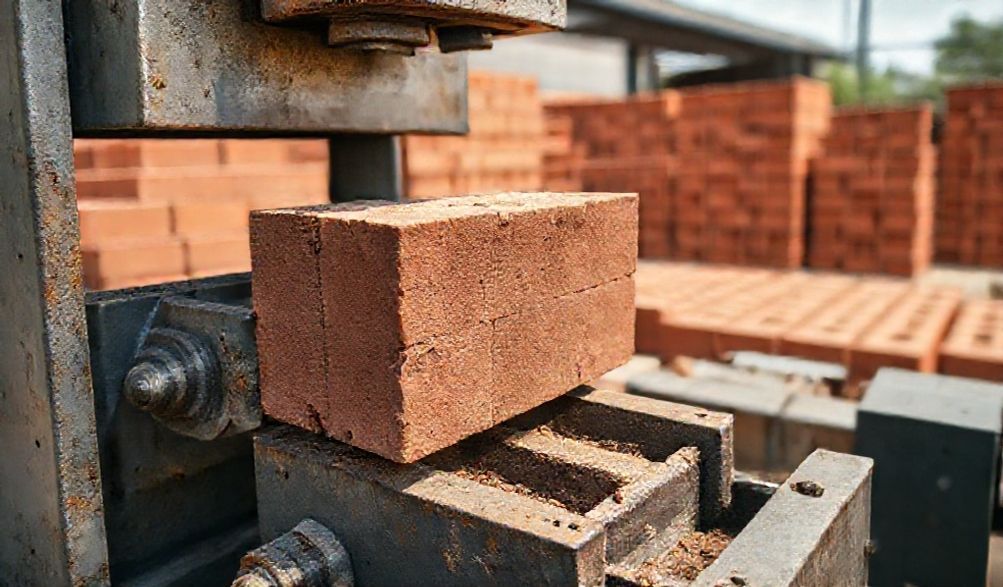
Дар асоси он, мошини истеҳсоли хишти мустаҳкам, дастгоҳест, ки раванди ташаккули маводи хом ва намнокро - одатан омезиши хок, гил, семент ё хокистаи парвозкунанда - ба хиштҳои мустаҳкам, якхела ва сахт тавассути фишори баланд ба таври худкор ва механикӣ мегардонад.
Бархилофи хишти хокӣ ё сӯрохдор, хишти солид ҳавохолӣ надорад, ки боиси сохтани блоке бо сахти баланди фишор ва вазни зиёд мегардад, ки барои деворҳои борбардор, пояҳо ва рӯйпӯшҳои роҳ мусоид мебошад.
Принсипи Асосӣ: Аз Маводди Хом то Хишти Тайёр
Раванд таҳаввули мураккаби сохтани хишти қадимӣ мебошад, ки дар асоси фишор асос ёфтааст.
- Хӯрок доданМатериали хоми омехташуда ба хонии мошина бор карда мешавад.
- Метркунӣ ва қолибрезӣ:Материали муайяншуда ба қуфли қолиб (қолиб) бо андозаҳои дақиқ ворид карда мешавад.
- Фарсудан:Рамҳои гидравликӣ ё механикӣ фишори бузург - одатан аз 20 то 150+ тонн - барои фишурдани материал, бартараф кардани ҳаво ва бастани зарраҳо татбиқ мекунанд.
- Хориҷ кардан:Брикети навташкидаи фурӯбурдашуда аз қолиб берун равона мешавад, ки барои коркард кофӣ устувор аст.
- Шифо додан:Сангҳо баъд чунбон карда шуда, барои пурра сахт шудан дар ҳаво ё бо роҳи химиявӣ гузошта мешаванд.
Қисмҳои асосии мошини стандартӣ
Фаҳмидани қисмҳои асосӣ мошинаро равшан мекунад:
* Ҳоппер:Зарфи нигоҳдорандаи маводи аввалия.
* Системаи таъминИнтиқоли мавод аз ҷойгиркунанда ба қолаб, аксаран бо истифода аз винт ё конвейер.
* Қолиб (Қолиб):Қисми асосие, ки шакл ва андозаи хиштро муайян мекунад. Он дар бисёр моделҳо ивазшаванда аст.
* Системаи фишурдасозӣ:Тавонгоҳ, одатан аз насоси гидравликӣ, силиндрҳо ва раме иборат аст, ки қувваи фишорро расон мекунад.
* Механизми партофтани гилозаЛавҳа ё системае, ки хишти тайёрро аз қолаб берун мекунад.
* Системи идоракунӣАз леверҳои оддӣ то панелҳои пешрафтаи Контроллери Мантиқии Барномапазир (PLC) барои автоматизатсия фаро гирифта мешавад.
Намудҳои мошинҳои хиштсозии сахт: ёфтани мувофиқтарин
Интихоби навъи дуруст, аввалин қарори муҳими шумост. Бозор ба ҳар андозаи корхона хидмат мерасонад.
Дастгоҳҳои дастӣ барои сохтани хишт
Инҳо пресҳое ҳастанд, ки бо қувваи инсон ва фишори даста кор мекунанд.
* Амалиёт:Оператор дастӣ холии қолибро пур мекунад ва барои фишор додан дастаки дастӣ истифода мебарад.
* Истифодаи Идеалӣ: Very small-scale projects, community initiatives, or locations with no electricity. Extremely low capital cost.
* Маҳдудиятҳо: Labor-intensive, very low output (200-500 bricks per day), inconsistent quality dependent on operator strength, and physically demanding.
Машинаҳои ним-автоматии истеҳсоли хишт
Ин категория барои бисёре аз корхонаҳои хурд ва миёна (SМЕҳо) беҳтарин мувозинаро пешкаш мекунад.
* Амалиёт: Mechanized compaction (usually electric or diesel-powered) handles the pressing, but material feeding and brick removal are manual. Some feature automatic material feeding.
* Истифодаи Идеалӣ: Medium-scale production for housing projects, small brick-making yards. Offers a significant jump in output and consistency over manual methods without the complexity of full automation.
* Диапазони баромад Typically 1,500 to 6,000 bricks per 8-hour shift.
Машинаҳои пурра автоматӣ барои сохтани хишт
These are industrial-grade production lines.
* Амалиёт: Fully integrated systems with automatic material feeding, compaction, brick ejection, stacking, and palletizing. Controlled by PLCs.
* Истифодаи Идеалӣ: Large-scale commercial brick manufacturing plants, major infrastructure projects requiring massive, consistent output.
* Хусусиятҳои асосӣ: High output (10,000 to 50,000+ bricks daily), minimal manual labor, superior consistency, and often include integrated mixers and conveyor systems.
Stationary vs. Mobile Brick Plants
- Набототи собит: Fixed installations, typically for high-volume, permanent production facilities. They are heavy-duty, allow for optimized workflow, and are often fully automatic.
- Mobile Plants: Mounted on trailers, these machines bring production directly to the construction site. This eliminates brick transportation costs, a significant saving. Ideal for large, remote projects like dams, roads, or rural housing developments.
Key Advantages of Using a Solid Brick Making Machine
Investing in this technology delivers tangible, multifaceted benefits.
Unmatched Product Strength and Durability
The high-pressure compaction creates a brick with exceptional density.
* High Compression Force: Machines produce bricks with consistent compressive strength, often exceeding 7-10 MPa or more, meeting and surpassing standard construction codes.
* Consistent Density: Uniform compaction means no weak spots, leading to bricks with excellent weather resistance, low water absorption, and long structural life.
Superior Production Efficiency and Output
Mechanization multiplies your production capacity.
* Output Comparison: A single semi-automatic machine can outperform 20-30 skilled manual laborers in a day, with far less physical strain and variability.
* Суръат Cycle times can be as low as 10-20 seconds per brick, enabling rapid project completion.
Кам кардани назарраси хароҷот дар давраи дароз
While requiring upfront capital, the long-term savings are substantial.
* Raw Material Optimization: Precise measurement and high pressure mean less material waste and the ability to use locally sourced, lower-cost soils (often stabilized with a small amount of cement).
* Labor Cost Savings: One or two operators can manage output that would require a large manual team, drastically cutting recurring wage expenses.
* Transport Savings (for mobile units): Producing bricks on-site slashes logistics costs, which can be a major project expenditure.
Consistency and Customization
- Андозаҳои Яксон: Every brick is identical, simplifying bricklaying, reducing mortar use, and creating a cleaner final appearance.
- Flexible Molds: By changing the mold, you can produce different sizes of solid bricks, and even paving stones, kerbstones, or interlocking blocks with many machines, adding product line versatility.
Омилҳои муҳим барои баррасӣ пеш аз харид
This is where expert, tailored advice is crucial. Don’t just buy a machine; invest in a solution for your specific context.
Арзёбии талаботи истеҳсолии шумо
Худ пурсед:
* What is my required daily or monthly brick output?
* Is this for a single project or ongoing commercial sales?
* What type of construction are the bricks for (e.g., residential, commercial, paving)?
Raw Material Analysis: Soil, Clay, and Mix Proportions
The machine must match your material. This is a non-negotiable expertise point.
* Conduct a soil test. The ideal mix has a balance of clay (for binding), silt, and sand (for stability).
* Many machines can work with laterite soil, clay, or fly ash, often stabilized with 5-10% cement.
* Профессионалӣ маслиҳат: Send a sample of your local soil to a reputable manufacturer. They can test it and recommend the right machine settings and mix formula.
Power Source: Electric, Diesel, or Hybrid?
- Электрикӣ: Cleaner, quieter, and lower operating cost where grid power is stable and available.
- Дизелӣ: Essential for sites without reliable electricity. Offers high torque and mobility.
- Гибридӣ: Offers flexibility to switch between power sources, providing valuable backup.
Муфассал омӯзиши мушаххасоти мошин
Look beyond the brochure. Understand these terms:
* Вақти даврӣ: Time to produce one brick. Faster cycles mean higher output.
* Фишори (Тоннаж): The compaction force. Higher tonnage (e.g., 50 tons vs. 20 tons) generally produces stronger, denser bricks from a wider variety of materials.
* Гуногунсозии қолибҳо: Can you easily change molds? Are additional mold sizes readily available from the supplier?
* Сифати сохтмон: Inspect the thickness of steel plates, the quality of hydraulic seals, and the robustness of the frame.
After-Sales Support: The Make-or-Break Factor
A machine is a long-term asset. Support is paramount.
* Warranty: What is covered and for how long?
* Дастрасии қисмҳои эҳтиётӣ: Are common wear parts (seals, molds, hydraulic hoses) readily available locally or via quick shipping?
* Technical Service: Does the supplier offer installation, training, and troubleshooting support? Can they provide remote assistance?
Operational Best Practices and Maintenance
Proper care ensures longevity and consistent output, reflecting practical experience.
Daily Operation Checklist for Optimal Performance
- Check and tighten all bolts and nuts.
- Lubricate all moving parts as per the manual.
- Ensure the hydraulic oil level is adequate and clean.
- Inspect the raw material for proper moisture content (usually 8-12%) and remove large debris.
- Clean the mold and hopper at the end of the shift.
Essential Routine Maintenance Schedule
- Weekly: Check hydraulic system for leaks, clean filters.
- Monthly: Inspect the mold for wear, check electrical connections.
- Annually: Change hydraulic oil and filters, perform a comprehensive machine inspection.
Troubleshooting Common Issues
- Bricks Cracking: Usually caused by incorrect moisture content (too dry), excessive pressure, or improper mix design.
- Poor Ejection/Sticking: Often due to a worn mold, insufficient release agent, or overly wet material.
- Uneven Density: Can result from uneven material feeding or a worn compaction ram. Check the feed system and pressure settings.
Solid Brick Making Machine vs. Alternative Technologies
Comparison with Hollow Brick Machines
- Хаҷми сахт: Higher compressive strength and mass. Used for load-bearing walls, foundations, retaining walls, and pavements. Use more raw material per unit.
- Хавои Брикҳо: Lighter weight, provide better thermal and acoustic insulation due to air cavities. Use less material, reducing cost and weight. Typically used for partition walls and in framed structures. A мошини сохтани хишти мустаҳкам produces a structurally denser product.
Comparison with Traditional Manual Brick Making
- Меҳнат: Machine: 1-3 operators. Manual: 15-30 laborers for equivalent output.
- Натиҷа: Machine: Thousands per day. Manual: Hundreds per day.
- Сифат: Machine: Highly consistent and strong. Manual: Variable, dependent on skill.
- Шкала: Machine enables commercial-scale production. Manual is limited to very small projects.
Frequently Asked Questions (FAQ)
Q1: What is the average production capacity of a medium-sized solid brick making machine?
A: A medium-sized, semi-automatic machine typically produces between 2,500 to 5,000 standard solid bricks (e.g., 230x110x75 mm) in an 8-hour shift, depending on the model and operator speed.
Q2: What type of soil or clay mixture is ideal for making strong solid bricks?
A: A well-graded mixture containing about 20-30% clay (for cohesion), 30-50% sand (for stability and to reduce shrinkage), and the remainder silt. Often, 5-10% cement is added as a stabilizer to ensure strength and water resistance, especially with less-than-ideal soils.
Q3: Can I use a solid brick making machine for interlocking bricks or pavers?
A: Yes, absolutely. Many machines are “block making machines” with interchangeable molds. By simply switching the mold, you can produce solid bricks, interlocking bricks, paving stones, and more. Confirm this versatility with your supplier.
Q4: What is the typical price range for a reliable semi-automatic machine?
A: Prices vary widely by capacity, brand, and region. A good quality, new semi-automatic machine can range from approximately $8,000 to $25,000. Always prioritize build quality and supplier reputation over the lowest price.
Q5: How much space is required to set up a small brick-making operation?
A: You need space for the machine, raw material storage, brick drying/curing area, and finished product storage. A minimum of 2,000 to 5,000 square feet (200-500 sq. meters) is recommended for a small, functional setup.
Q6: What are the most common maintenance tasks, and how often are they needed?
A: Daily lubrication and cleaning are key. Weekly checks of hydraulics and monthly inspections of molds and electrical systems are crucial. The most common tasks involve keeping the mold clean, ensuring proper lubrication, and monitoring hydraulic oil levels and quality.
Conclusion
Интихоби дурустмошини сохтани хишти мустаҳкам is a strategic decision that hinges on a clear understanding of your production needs, raw materials, and the critical importance of reliable after-sales support. It’s an investment that pays dividends through durable construction, cost control, and business scalability.
Our final, expert recommendation is to prioritize machine durability and supplier reputation above all else. A slightly higher initial investment in a robust machine from a trustworthy partner will save you from costly downtime and repairs in the long run.
Use this guide as your checklist. Consult with multiple reputable suppliers, insist on testing your raw material with their machines, and if possible, visit an existing installation to see the equipment in operation. By taking these steps, you move from being a buyer to an informed investor, ready to build your projects—and your business—on a solid foundation. This technology is more than equipment; it’s a cornerstone of modern, sustainable, and cost-effective construction.
<