
Kòman Chwazi yon Machin Fè Fòs Brik: Yon Gid Ekspè pou Achtè 2024
Entwodiksyon
Nan mond konstriksyon modèn, solidite yon mi brik depann de sa ki andedan li. "Brick force", oswa tremi fil soude, se ewo ki kache nan masonnè a - yon kouch ranfòsman esansyèl ki konbat fann, distribye kontrent, epi asire estabilite estriktirèl alontèm. Pou manifaktirè materyèl konstriksyon, manadjè plant, ak kontraktè ki gen bon konprann, envesti nan yon machin fabrikasyon "brick force" se pa senpleman yon acha; se yon desizyon estratejik ki defini kapasite pwodiksyon ou, kalite pwodwi ou, epi finalman, pwofi ou.
Sepandan, navige nan mache a pou machin espesyalize sa a plen ak risk. Chwazi move machin lan ka piye biznis ou nan yon sik pann mekanik, pwodiksyon enkonsistan, depans antretyen twòp, ak danje operasyonèl danjere. Enje yo wo, ak jagon teknik la ka akable.
Gid konplè sa a fèt pou demele konpleksite a. Nou pral transfòme w soti nan yon achtè kirye rive nan yon moun ki pran desizyon ki gen enfòmasyon, lè n analize faktè teknik, operasyonèl, ak komèsyal esansyèl ou dwe evalye. Nan sentèz estanda endistri yo, espesifikasyon jeni, ak eksperyans operasyonèl difisil pou jwenn, resous sa a bay konsèy fyab ak aksyonab pou pwopriyetè faktori materyèl konstriksyon, ofisye pwokirman, ak antreprenè ki pare pou envesti nan avni pwodiksyon yo.
Konprann Fòs Brik ak Fondasyon Pwodiksyon li yo
Anvan ou evalye machin yo, ou dwe konprann pwodwi yo te konstwi pou kreye. Konesans fondasyon sa a se kle pou fè yon acha entelijan.
Kisa Brick Force (Trell Metal Soude) ye?
Fòs brik se yon griy fil asye soude nan kote yo kwaze yo. Li entegre nan kouch mòtye ant ranje brik yo, kreye yon estrikti konpozite ranfòse ki amelyore konsiderableman fòs tansyon mi an.
- Aplikasyon Prensipal:Itilize prensipal li se nan konstriksyon mi kavite ak ranfòsman masonn, kote li mare kouch enteryè ak eksteryè yo ansanm, anpeche pwopagasyon fant, epi amelyore rezistans kont fòs lateral yo.
- Espesifikasyon Estanda yo:Li tipikman fabrike ak fil asye dous, souvan galvanize pou rezistans kont korozyon. Dyamèt fil komen yo soti nan 2.5mm a 4mm, ak gwosè may (distans ant fil yo) tipikman se 50mm x 50mm, 75mm x 75mm, oswa 100mm x 100mm.
Kijan yon Machin Fòs Brik Fonksyone
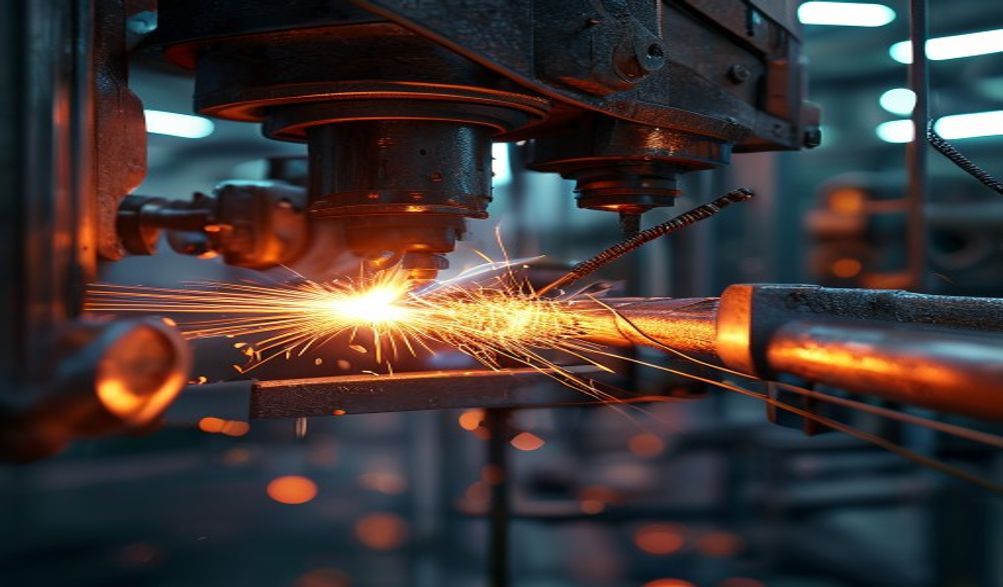
Nan nwayo li, yon machin fòs brik otomatize transfòmasyon fil an bobin an panèl rezo fini oswa woulo. Pwosesis la se yon mèvey nan jeni presizyon:
- Filman ak Tiraj Fil:Bobin fil yo chaje epi yo pase nan machin nan.
- Redresman:Fil la pase nan yon seri woulo pou retire nenpòt koub.
- Pozisyonman & Soudaj:Fil longitudinal yo espace, epi fil transvès yo pase nan entèval presi. Nan chak entèseksyon, yon soude rezistans elektrik bay yon kouran rapid ak pwisan, ki fizyone fil yo ansanm.
- Koupe:Twal kontinyèl la koupe nan longè ki nesesè a.
- Pile/Enroule:Panno fini yo otomatikman anpile, oswa may la vlope pou pwodiksyon woulo.
Valè ultim machin nan se nan fè etap sa yo otomatikman, ak yon gwo vitès, repetabilite, ak minim entèvansyon manyèl.
Espesifikasyon Kle Machin ak Evalyasyon Teknik (Lis Kontwòl Santral la)
Sa se kè konparezon ou an. Ekipe tèt ou ak lis sa a lè w ap revize brochi ak kote founisè yo.
Kapasite Pwodiksyon ak Vitès
Pwodiksyon an anjeneral mezire an mèt kare pa èdtan. Chif sa a pa fiks; li depann anpil sou melanj pwodwi ou yo.
- Komès la:Yon machin ap pwodwi may ak fil pi piti (pa egzanp, 2.5mm) ak espas may pi gwo pi vit pase yon may dans ak gwo fil (pa egzanp, 4mm).
- Matche Demann:Analize kritikman lòd aktyèl ou yo ak sa ou prevwa yo. Yon machin twò gwo ap vide kapital epi li pa travay efikas lè li pa itilize anpil. Yon machin twò piti ap vin yon blokaj nan pwodiksyon, li pa kapab satisfè demann epi li anpeche kwasans. Chwazi yon modèl ki aliyen ak previzyon reyalis biznis ou pou 3 a 5 ane kap vini yo.
Dyamèt Fil ak Seri Gwosè Ma
Polyvalans se yon avantaj kle. Machin ou a dwe akomode tout katalòg pwodwi ou planifye a.
- Ranje Kalib Fil:Yon machin ka kapab jere fil 2.0mm – 5.0mm. Asire w li kouvri tout dyamèt ou gen entansyon itilize yo. Pouse yon machin nan limit minimòm oswa maksimòm absoli li yo ka afekte pèfòmans ak degradasyon.
- Ajustabilite Mèch:Machin nan dwe pèmèt yon ajisteman fasil pou espas fil longitudinal (lajè may) ak espas fil transvèsal (longè may). Tcheke mekanis ajisteman an—èske se yon pwosesis manyèl ki pran anpil tan, oswa yon ajisteman rapid dijital atravè yon PLC?
Teknoloji Soude ak Pouvwa
The weld point is the soul of the product. A weak weld renders the mesh useless.
- Resistance Welding: This is the standard. It works by passing a high current through the wires at the intersection, generating heat through electrical resistance and creating a fusion weld.
- Transformer Power (kVA): A more powerful transformer (e.g., 150 kVA vs. 90 kVA) can generate stronger welds, handle thicker wires, and potentially weld faster. It also impacts your factory’s electrical load. Don’t just compare numbers; ask for weld shear strength test data.
Automation Level and Control System
This is a major differentiator between basic and advanced machines.
- Semi-Otomatik vs. Otomatik Konplè: Semi-auto models may require manual wire feeding or output handling. Fully automatic lines manage everything from coil loading to stacking with minimal operator input.
- The PLC Advantage: A Programmable Logic Controller (PLC) is the machine’s brain. It ensures precision, stores recipes for different mesh sizes, provides diagnostic fault codes, and simplifies operation.
- Koòtè Moun-Machin (HMI) The touchscreen should be intuitive, logically organized, and display clear information. A confusing interface leads to operator error and downtime.
Critical Factors Beyond the Spec Sheet
These experience-driven insights separate a good purchase from a great one. They determine your daily operational reality for the next decade.
Build Quality and Core Components
The spec sheet might list “welding transformer,” but not its brand or expected lifespan. Dig deeper.
- Kad ak Konstriksyon The frame must be heavy-duty steel to withstand constant vibration. A flimsy frame will lead to alignment issues and poor weld quality.
- Critical Components: Inquire about the brands of the core parts:
- Welding Transformer & Controller: Reputable brands ensure stability.
- Wire Straightening Blocks: High-quality, hardened steel blocks last longer and maintain precision.
- Servo Motors: For feeding and cutting, precision servos are superior to standard stepper motors.
- Sistèm Koupe: Are the blades durable and easy to replace?
Manufacturer Reputation and Support (A Pillar of Trustworthiness)
You are not just buying a machine; you are entering a long-term partnership with the supplier.
- Research: How long have they been in business? Can they provide a list of client references (preferably in your region)? Do they have a track record of successful installations?
- After-Sales Service (Non-Negotiable): This is your insurance policy. What does their service package include?
- On-site installation and commissioning?
- Comprehensive operator and maintenance training?
- Availability of a local service engineer or a guaranteed response time?
- A clear warranty (e.g., 1 year on the whole machine, 2 years on the transformer)?
- Pye De Rechanj: Is there a readily available spare parts inventory? What are the lead times and costs for common wear parts like electrodes and straightening dies?
Safety Features and Compliance
A safe machine is a well-designed machine. Never compromise here.
- Essential Features: Look for full perimeter safety guarding with interlocked gates (machine stops if a gate is opened), emergency stop buttons at multiple points, proper electrical enclosures, and clear safety signage.
- Sètifikasyon yo: For many markets, CE certification (or its local equivalent) is mandatory. It indicates the machine meets essential health, safety, and environmental protection requirements.
Financial and Operational Considerations
Ground your technical excitement in cold, hard business reality.
Total Cost of Ownership (TCO) Analysis
The purchase price is just the entry ticket. The real cost unfolds over years.
| Cost Factor | Details & Questions to Ask |
| :— | :— |
| Purchase Price | The initial invoice cost. |
| Installation & Commissioning | Is it included? If not, what are the estimated costs? |
| Training | Is operator and maintenance training provided on-site? |
| Konsomasyon Enèji | What is the machine’s average power draw (kWh)? This is a major recurring cost. |
| Routine Maintenance | Cost of lubricants, cleaning supplies, and routine parts. |
| Spare Parts | Get a price list for high-wear items. |
| Potential Downtime | The hidden killer. A cheaper, unreliable machine can cost more in lost production than a premium model. |
Space, Power, and Utility Requirements
Ensure your facility is ready.
- Floor Space: Account for the machine’s footprint plus space for material handling (wire coil storage, finished mesh staging, and access for maintenance).
- Utilities: Confirm the required electrical supply (e.g., 380V, 3-phase, 50Hz). Many machines also require a clean, dry compressed air supply for pneumatic components. Verify the required pressure and flow rate.
The Supplier Selection and Procurement Process
Follow a disciplined process to mitigate risk.
- Research & Shortlist: Use this guide to identify your needs, then find 3-5 reputable suppliers that match your criteria.
- Request for Quotation (RFQ): Send a detailed RFQ specifying your required wire range, mesh sizes, desired automation level, and output targets.
- Evaluate Quotes: Compare not just price, but the completeness of the offering. Scrutinize the specifications and the included service package.
- Check References: Contact the provided clients. Ask about machine reliability, product quality, and the supplier’s support responsiveness.
- The Crucial Step: Request a Demonstration. Insist on a live video demo producing mesh with your specified wire diameter. Observe the changeover process, the finished product quality, and the machine’s operation.
- Negotiate: Finalize price, payment terms (e.g., 30% deposit, 70% before shipment), delivery timeline, and the exact scope of after-sales support.
Kesyon yo poze souvan (FAQ)
Q1: What is the average price range for a brick force making machine?
A: Prices vary dramatically based on automation and capacity. A basic semi-automatic machine may start around $20,000 – $30,000. A mid-range, fully automatic PLC-controlled model typically falls between $50,000 – $80,000. High-speed, heavy-duty production lines can exceed $100,000. Always base your budget on detailed quotes for your specific requirements.
Q2: Can one machine produce different sizes of mesh?
A: Yes, adjustability is a standard feature. However, the ease and speed of changeover differ. On advanced machines, changing the mesh size can be a matter of selecting a stored program on the PLC. On simpler models, it may require manual adjustment of spacing guides, which takes more time and skill.
Q3: How many operators are needed to run the machine?
A: For a fully automatic line, one primary operator is often sufficient to load wire coils, monitor the control panel, and manage the output stacker. Semi-automatic models may require 2-3 people for manual feeding and handling of the finished mesh.
Q4: What are the most common maintenance tasks?
A: Daily and weekly maintenance is crucial:
* Cleaning welding electrodes to remove oxide buildup.
* Checking and adjusting wire feeders and straighteners.
* Lubricating all moving parts as per the manual.
* Inspecting electrical connections for tightness.
* Keeping the machine free of dust and debris.
Q5: How do I ensure the machine meets my local quality standards?
A: First, the machine must be capable of processing the correct grade of wire (e.g., to meet BS EN 845-3 or ASTM A951). The most definitive step is to produce samples on your shortlisted machine during a demo and submit them to an accredited construction materials laboratory for tensile and shear strength testing.
Konklizyon
Choosing the right brick force making machine is a multidimensional decision. It requires balancing hard technical specifications—like production capacity and wire range—with softer, yet vital, factors like build quality, manufacturer reputation, and the true total cost of ownership.
Our final, strongest recommendation is this: prioritize reliable after-sales service and proven machine durability over the absolute lowest purchase price. In production, downtime is your greatest enemy. A slightly higher initial investment in a robust machine from a supportive supplier will pay for itself many times over in consistent output, lower maintenance costs, and long-term peace of mind.
Use this guide as your definitive checklist. Your logical next step is to engage with shortlisted suppliers, request those detailed quotations, and—most importantly—schedule a demonstration. By investing time in this informed selection process, you are not just buying a machine; you are securing a profitable and reliable asset that will fortify your business for years to come.
<