
Uburyo bwo Gutoranya Imashini yo Gukora Brick Force: Urukurikirane rw’Abaguzi Binyabwenge muri 2024
Intangamarara
Mu mwuga w’ubwubatsi bwa gici cyane, ubuziranenge bwa rukuta rw’amatafari bushingiye ku byo biri mo. Brick force, cyangwa urusika rwa mashi rufatanye, ni intwari itagaragara mu kubaka—urwego rukomeye rwo gushyigikira rurwanya ukurambana, rusabirana ingorane, kandi rwemeza ubwubatsi burambye mu gihe kirekire. Ku bucuruzi bw’ibikoresho byo kubaka, abakuru b’inganda, n’abakontarakazi bafite ubwenge, gushora imari mu mashini yo gukora brick force si gahunda yo kugura gusa; ni umwanzuro w’imicungire utanga ubushobozi bwawe bwo gukora, ubwiza bw’ibicuruzwa, no mu nyuma, inyungu zawe.
Ariko, kugendera mu isoko y’ibikoresho byihariye bya tekinorojiya birimo ingaruka zikomeye. Guhitamo igikoresho kidakwiye bishobora gushyira ubucuruzi bwawe mu nzira y’ibibazo by’ubumenyi, ibikorwa bitavugururana, amafaranga menshi yo kugenzura, n’ingaruka zikomeye zo gukora. Ingaruka zishobora kuba nini, kandi amagambo y’ubumenyi arashobora kuba menshi cyane.
Uyu mwongozo uzuye urebana n’ibibangamira byose. Tuzaguhindura kugira ngo mutembere mu mwanya w’umuguzi wifuza kumenya, mube abakora ibyemezo bifite ubumenyi, dushingiye ku bintu ngenderwaho by’inganda, by’imikorere, n’ibijyanye n’ubucuruzi mugomba gusuzuma. Dushingiye ku buryo bukoreshwa mu nganda, ibisabwa mu bukoresha, n’ubuhanga bwakuwe mu mikorere, uyu mwongozo utanga inama zizewe kandi zikoreshwa n’abanyamwuga mu bigo by’imari y’amabuye y’ubwubatsi, abashinzwe gucuruza, n’abashoramari bashaka kongerera imbaraga imikorere yabo mu gihe kizaza.
Gusobanukirwa Brick Force n'Inshingiro z'Ubwubatsi bwayo
Mbere yo gusuzuma imashini, ukeneye gusobanukirwa ibyo zishyirwaho kugira ngo zikore. Ubu bumenyi bushingiye ni ngirakamaro mu gufata umwanzuro w’ubwenge mu gucuruza.
Ni iki Brick Force (Urutsinga rwa Wire rwubatse)?
Brick force ni urwego rw'imyenda y'icyuma ishyizwe mu mfuruka zayo zose. Ishyirwa mu mfuruka y'ibumba iri hagati y'urwego rw'amatafari, ikora imiterere y'umubumbe yatunganyijwe cyane ikongerera ikibaho cy'urwego imbaraga zo guhanahanirwa.
- Ibyo Bikoresho Byibanze:Ubusanzwe bikoreshwa mu kubaka uduko rw’amazu no kugira imyubakire ikomeye, aho bihuza imyanya yo hanze n’iyo hagati, bikumira imyumbya kugenda ibi, kandi bigatuma haba n’ubushobozi bwo kwihanganira imbaraga zidatera mu buryo butaziguye.
- Ibyagenzura rusange:Bisanzwe bikorwa mu byuma byoroshye bya sitiro, akenshi bikoreshwa galvanized kugirango bigire ubushobozi bwo kurwanya isenya. Ubunini busanzwe bw’umuringa (diyametere) buri hagati ya 2.5mm kugeza 4mm, n’ubunini bw’urutsinga (intera hagati y’imiyoboro) busanzwe buri 50mm x 50mm, 75mm x 75mm, cyangwa 100mm x 100mm.
Uburyo Imashini yo Gukora Amatafari Ikora
Mu mizinga yacyo, umashini yo gukora imyenda ya briki itanga ubushobozi bwo guhindura umugozi w'ibyuma wari wapfundikiye kugira ngo ube ibikoresho by'imyenda y'ibyuma cyangwa imipfunya. Uburyo bukoreshwa ni ubw'ingirakamaro mu buhinzi bw'ibikorwa remezo:
- Gutanga Umugozi no KuwukoramoImisumari y'umuringa irazamuye kandi ihanirwa mu mashini.
- Gukosora:Umugozi uhagaze ukanyura mu birindiro byinshi kugirango ukureho uburyo bwo kugorama.
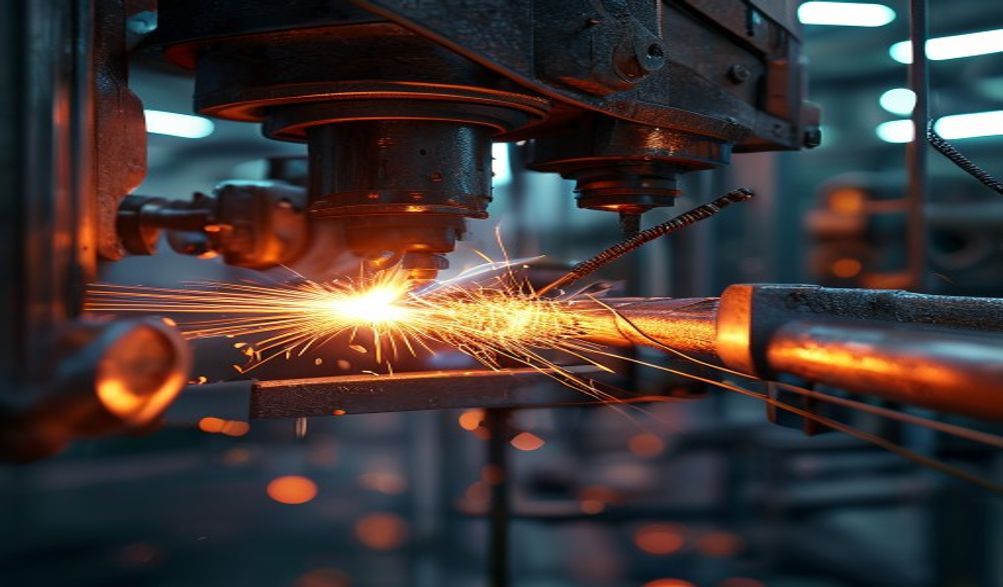
- Guharura no Gukora Insanganzira:Imirya imwe n'imwe ihanamye, naho imirya ihindagurika iterwa mu gihe cyagenwe. Ku mwanya wose wo gusubirana, umushoferi w'umuriro w'ingufu z'amashanyarazi utanga umuyoboro wihuse, ufite ingufu, uhuriza hamwe imirya.
- Gukata:Umusatsi ukomeza ugabanywa kugirango ube uburebure bukenewe.
- Gutandukanya/GukoramoIbyapa bya mesh byarangiye bihuriramo mu buryo bwikora, cyangwa mesh igakorwa mu nzira yo gukora amapapuro.
Inyungu nyamukuru ya mashini iri mu gukora ibi bintu mu buryo bwikora, mu buryo bwihuse, bukaba bungana, kandi butagira ingaruka nyinshi z’abantu.
Ibyangombwa by'Ingingo nyamukuru z'Imashini n'Ubusobanuro bw'Ubumenyi (Urutonde rw'Ingingo nyamukuru)
Iyi ni umutima w'igereranyo ryawe. Wihangire iki gikorwa cyo gusuzuma mugihe usuzuma ibyapa by'abatanga serivisi n'ibiciro byabo.
Ubushobozi bwo Gukora & Ibyerekeye Umuvuduko
Ibyavuye bisanzwe bimerwa na metero kare ku isaha. Iyi mibare ntishobora kuba imeze nk’uko ari hose; ikurikiranwa cyane n’ibicuruzwa byawe.
- Icyangombwa:Imashini izakora urusitasi rufite umuringa muto (urugero, 2.5mm) n’intera y’urusitasi nini byihuse kuruta urusitasi ukomeye ufite umuringa munini (urugero, 4mm).
- Guhuza Ibisabwa: Critically analyze your current and projected orders. An oversized machine drains capital and operates inefficiently at low utilization. An undersized machine becomes a production bottleneck, failing to meet demand and stunting growth. Choose a model that aligns with your realistic 3-5 year business forecast.
Wire Diameter and Mesh Size Range
Versatility is a key asset. Your machine should accommodate your entire planned product catalog.
- Wire Gauge Range: A machine might handle 2.0mm – 5.0mm wire. Ensure it covers all the diameters you intend to use. Pushing a machine to its absolute minimum or maximum can affect performance and wear.
- Mesh Adjustability: The machine must allow easy adjustment of both the longitudinal wire spacing (mesh width) and the transverse wire spacing (mesh length). Check the adjustment mechanism—is it a manual, time-consuming process, or a quick digital adjustment via a PLC?
Welding Technology and Power
The weld point is the soul of the product. A weak weld renders the mesh useless.
- Resistance Welding: This is the standard. It works by passing a high current through the wires at the intersection, generating heat through electrical resistance and creating a fusion weld.
- Transformer Power (kVA): A more powerful transformer (e.g., 150 kVA vs. 90 kVA) can generate stronger welds, handle thicker wires, and potentially weld faster. It also impacts your factory’s electrical load. Don’t just compare numbers; ask for weld shear strength test data.
Automation Level and Control System
This is a major differentiator between basic and advanced machines.
- Semi-Automatic vs. Fully Automatic: Semi-auto models may require manual wire feeding or output handling. Fully automatic lines manage everything from coil loading to stacking with minimal operator input.
- The PLC Advantage: A Programmable Logic Controller (PLC) is the machine’s brain. It ensures precision, stores recipes for different mesh sizes, provides diagnostic fault codes, and simplifies operation.
- Imbuga y’Abantu n’Imashini (HMI). The touchscreen should be intuitive, logically organized, and display clear information. A confusing interface leads to operator error and downtime.
Critical Factors Beyond the Spec Sheet
These experience-driven insights separate a good purchase from a great one. They determine your daily operational reality for the next decade.
Build Quality and Core Components
The spec sheet might list “welding transformer,” but not its brand or expected lifespan. Dig deeper.
- Frame & Construction: The frame must be heavy-duty steel to withstand constant vibration. A flimsy frame will lead to alignment issues and poor weld quality.
- Critical Components: Inquire about the brands of the core parts:
- Welding Transformer & Controller: Reputable brands ensure stability.
- Wire Straightening Blocks: High-quality, hardened steel blocks last longer and maintain precision.
- Servo Motors: For feeding and cutting, precision servos are superior to standard stepper motors.
- Sisitemu yo Gukata: Are the blades durable and easy to replace?
Manufacturer Reputation and Support (A Pillar of Trustworthiness)
You are not just buying a machine; you are entering a long-term partnership with the supplier.
- Research: How long have they been in business? Can they provide a list of client references (preferably in your region)? Do they have a track record of successful installations?
- After-Sales Service (Non-Negotiable): This is your insurance policy. What does their service package include?
- On-site installation and commissioning?
- Comprehensive operator and maintenance training?
- Availability of a local service engineer or a guaranteed response time?
- A clear warranty (e.g., 1 year on the whole machine, 2 years on the transformer)?
- Ibigabanyabugenamashini: Is there a readily available spare parts inventory? What are the lead times and costs for common wear parts like electrodes and straightening dies?
Safety Features and Compliance
A safe machine is a well-designed machine. Never compromise here.
- Essential Features: Look for full perimeter safety guarding with interlocked gates (machine stops if a gate is opened), emergency stop buttons at multiple points, proper electrical enclosures, and clear safety signage.
- Ibyemezo: For many markets, CE certification (or its local equivalent) is mandatory. It indicates the machine meets essential health, safety, and environmental protection requirements.
Financial and Operational Considerations
Ground your technical excitement in cold, hard business reality.
Total Cost of Ownership (TCO) Analysis
The purchase price is just the entry ticket. The real cost unfolds over years.
| Cost Factor | Details & Questions to Ask |
| :— | :— |
| Purchase Price | The initial invoice cost. |
| Installation & Commissioning | Is it included? If not, what are the estimated costs? |
| Training | Is operator and maintenance training provided on-site? |
| Energy Consumption | What is the machine’s average power draw (kWh)? This is a major recurring cost. |
| Routine Maintenance | Cost of lubricants, cleaning supplies, and routine parts. |
| Spare Parts | Get a price list for high-wear items. |
| Potential Downtime | The hidden killer. A cheaper, unreliable machine can cost more in lost production than a premium model. |
Space, Power, and Utility Requirements
Ensure your facility is ready.
- Floor Space: Account for the machine’s footprint plus space for material handling (wire coil storage, finished mesh staging, and access for maintenance).
- Utilities: Confirm the required electrical supply (e.g., 380V, 3-phase, 50Hz). Many machines also require a clean, dry compressed air supply for pneumatic components. Verify the required pressure and flow rate.
The Supplier Selection and Procurement Process
Follow a disciplined process to mitigate risk.
- Research & Shortlist: Use this guide to identify your needs, then find 3-5 reputable suppliers that match your criteria.
- Request for Quotation (RFQ): Send a detailed RFQ specifying your required wire range, mesh sizes, desired automation level, and output targets.
- Evaluate Quotes: Compare not just price, but the completeness of the offering. Scrutinize the specifications and the included service package.
- Check References: Contact the provided clients. Ask about machine reliability, product quality, and the supplier’s support responsiveness.
- The Crucial Step: Request a Demonstration. Insist on a live video demo producing mesh with your specified wire diameter. Observe the changeover process, the finished product quality, and the machine’s operation.
- Negotiate: Finalize price, payment terms (e.g., 30% deposit, 70% before shipment), delivery timeline, and the exact scope of after-sales support.
Bibazo Byinshi Byibazwa (FAQ)
Q1: What is the average price range for a brick force making machine?
A: Prices vary dramatically based on automation and capacity. A basic semi-automatic machine may start around $20,000 – $30,000. A mid-range, fully automatic PLC-controlled model typically falls between $50,000 – $80,000. High-speed, heavy-duty production lines can exceed $100,000. Always base your budget on detailed quotes for your specific requirements.
Q2: Can one machine produce different sizes of mesh?
A: Yes, adjustability is a standard feature. However, the ease and speed of changeover differ. On advanced machines, changing the mesh size can be a matter of selecting a stored program on the PLC. On simpler models, it may require manual adjustment of spacing guides, which takes more time and skill.
Q3: How many operators are needed to run the machine?
A: For a fully automatic line, one primary operator is often sufficient to load wire coils, monitor the control panel, and manage the output stacker. Semi-automatic models may require 2-3 people for manual feeding and handling of the finished mesh.
Q4: What are the most common maintenance tasks?
A: Daily and weekly maintenance is crucial:
* Cleaning welding electrodes to remove oxide buildup.
* Checking and adjusting wire feeders and straighteners.
* Lubricating all moving parts as per the manual.
* Inspecting electrical connections for tightness.
* Keeping the machine free of dust and debris.
Q5: How do I ensure the machine meets my local quality standards?
A: First, the machine must be capable of processing the correct grade of wire (e.g., to meet BS EN 845-3 or ASTM A951). The most definitive step is to produce samples on your shortlisted machine during a demo and submit them to an accredited construction materials laboratory for tensile and shear strength testing.
Ibyo byose
Choosing the right brick force making machine is a multidimensional decision. It requires balancing hard technical specifications—like production capacity and wire range—with softer, yet vital, factors like build quality, manufacturer reputation, and the true total cost of ownership.
Our final, strongest recommendation is this: prioritize reliable after-sales service and proven machine durability over the absolute lowest purchase price. In production, downtime is your greatest enemy. A slightly higher initial investment in a robust machine from a supportive supplier will pay for itself many times over in consistent output, lower maintenance costs, and long-term peace of mind.
Use this guide as your definitive checklist. Your logical next step is to engage with shortlisted suppliers, request those detailed quotations, and—most importantly—schedule a demonstration. By investing time in this informed selection process, you are not just buying a machine; you are securing a profitable and reliable asset that will fortify your business for years to come.
<