
Як вибрати машину для виробництва цегляної арматури: Експертний посібник покупця на 2024 рік
Вступ
У світі сучасного будівництва цілісність цегляної стіни залежить від того, що знаходиться всередині. Арматурна сітка для кладки, або зварна дріткова сітка, є невидимим героєм мурування — критичним армувальним шаром, який бореться з тріщинами, розподіляє навантаження та забезпечує довгострокову структурну стабільність. Для виробників будівельних матеріалів, керівників заводів та розумних підрядників інвестування в машину для виробництва арматурної сітки для кладки — це не просто покупка; це стратегічне рішення, яке визначає вашу виробничу спроможність, якість продукції та, зрештою, вашу прибутковість.
Однак орієнтування на ринку цієї спеціалізованої техніки сповнене ризиків. Вибір неправильної машини може поставити ваш бізнес у цикл механічних поломок, нестабільного виробництва, непомірних витрат на технічне обслуговування та небезпечних операційних ризиків. Ставки високі, а технічний жаргон може бути приголомшливим.
Цей всеосяжний посібник створений, щоб розвіяти складність питання. Ми перетворимо вас з допитливого покупця на обізнаного приймача рішень, детально розібравши ключові технічні, експлуатаційні та комерційні фактори, які необхідно оцінити. Узагальнюючи галузеві стандарти, інженерні специфікації та здобутий важким досвідом експлуатаційний практикум, цей ресурс пропонує надійні, практичні поради для власників заводів будівельних матеріалів, співробітників відділів закупівель та підприємців, готових інвестувати у майбутнє своєї виробничої діяльності.
Розуміння сили цегли та основ її виробництва
Перш ніж оцінювати машини, ви повинні зрозуміти продукт, для створення якого вони побудовані. Це базове знання є ключовим для здійснення розумної покупки.
Що таке Brick Force (зварна сітка)?
Брикфорс - це сітка зі сталевих дротів, зварених у місцях їх перетину. Вона вбудовується в шар розчину між рядами цегли, створюючи армовану композитну конструкцію, що значно підвищує міцність стіни на розтяг.
- Основні сфери застосування:Його основне використання — у конструкціях порожнистих стін та армуванні кладки, де він зв'язує внутрішні та зовнішні шари, запобігає поширенню тріщин і підвищує стійкість до бічних навантажень.
- Стандартні технічні характеристики:Його зазвичай виготовляють з дроту з м'якої сталі, часто оцинкованого для захисту від корозії. Типові діаметри дроту становлять від 2,5 мм до 4 мм, а розміри комірки (відстань між дротами) зазвичай становлять 50 мм x 50 мм, 75 мм x 75 мм або 100 мм x 100 мм.
Як працює машина для виробництва цегли
У своїй основі машина для виробництва сітки автоматизує перетворення дроту в котушках на готові сітчасті панелі або рулони. Цей процес є дивом інженерної точності:
- Подача та протягування дроту:Котушки дроту завантажують та подають у верстат.
- Випрямлення:Дріт проходить через серію роликів, щоб усунути будь-яку кривизну.
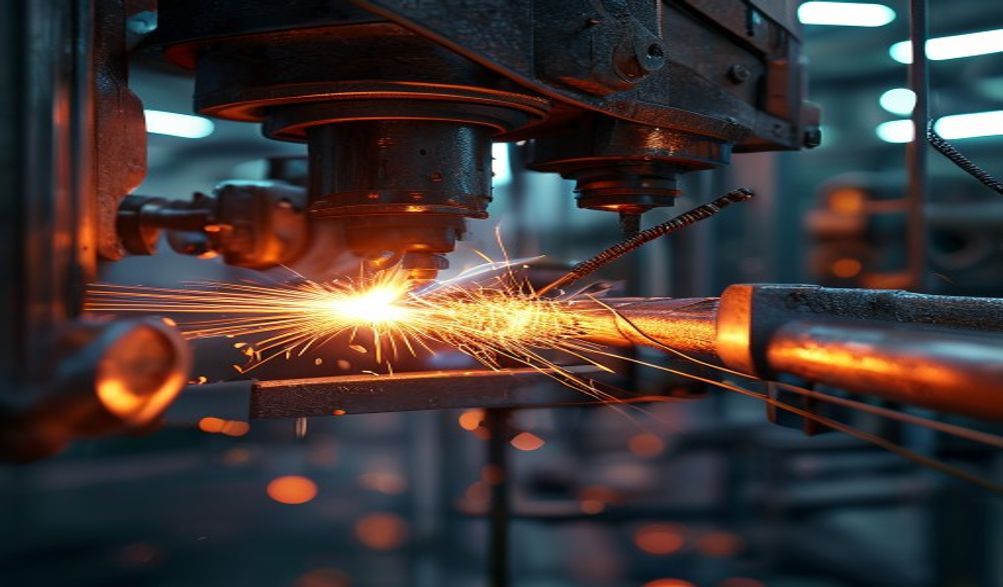
- Позиціювання та зварювання:Поздовжні дроти розташовуються на відстані, а поперечні дроти подаються через точні інтервали. На кожному перетині апарат для контактного зварювання опором подає швидкий потужний струм, зварюючи дроти між собою.
- Різання:Суцільна сітка нарізається на необхідну довжину.
- Нашарування/Згортання:Готові сіткові панелі автоматично складаються в стоси, або сітка змотується для виробництва рулонів.
Остаточна цінність машини полягає в автоматичному виконанні цих кроків з високою швидкістю, повторюваністю та мінімальним ручним втручанням.
Ключові характеристики машини та технічна оцінка (Основний контрольний список)
Це є серце вашої порівняльної аналізи. Озброюйтеся цим контрольним списком під час перегляду брошур постачальників та їхніх комерційних пропозицій.
Виробнича потужність та швидкість
Продуктивність зазвичай вимірюється в квадратних метрах на годину. Цей показник не є постійним; він значно залежить від вашого асортименту продукції.
- Компроміс:Машина вироблятиме сітку з тоншими дротами (наприклад, 2,5 мм) та більшим кроком сітки набагато швидше, ніж щільну сітку з товстими дротами (наприклад, 4 мм).
- Відповідність попиту:Критично проаналізуйте ваші поточні та прогнозовані замовлення. Надто велика машина витрачає капітал і працює неефективно при низькому завантаженні. Занадто мала машина стає виробничим вузьким місцем, не задовольняючи попит і стримуючи зростання. Оберіть модель, яка відповідає вашому реалістичному бізнес-прогнозу на 3-5 років.
Діаметр дроту та діапазон розмірів сітки
Універсальність є ключовою перевагою. Ваша машина повинна вміщувати весь запланований каталог продукції.
- Діапазон калібрів дроту:Машина може працювати з дротом діаметром від 2,0 мм до 5,0 мм. Переконайтеся, що вона охоплює всі діаметри, які ви плануєте використовувати. Експлуатація машини на її мінімальних або максимальних межах може погіршити продуктивність та прискорити зношування.
- Регульованість сіткиМашина повинна дозволяти легке регулювання як поздовжнього кроку дроту (ширина сітки), так і поперечного кроку дроту (довжина сітки). Перевірте механізм регулювання — чи це ручний, трудомісткий процес, чи швидке цифрове регулювання через ПЛК?
Зварювальна техніка та потужність
Зварна точка є душею виробу. Слабке зварювання робить сітку непридатною.
- Контактове зварювання:Це стандарт. Він працює шляхом пропускання високого струму через дроти в точці перетину, генеруючи тепло через електричний опір і створюючи зварне з'єднання.
- Трансформаторна потужність (кВА):Потужніший трансформатор (наприклад, 150 кВА проти 90 кВА) може забезпечити міцніші зварні шви, обробляти товщі дроти та потенційно зварювати швидше. Це також впливає на електричне навантаження вашого заводу. Не просто порівнюйте цифри; вимагайте дані випробувань на міцність зварного шва при зсуві.
Рівень автоматизації та система керування
Це є ключовою відмінністю між базовими та просунутими машинами.
- Напівавтоматична проти повністю автоматичної:Напівавтоматичні моделі можуть вимагати ручної подачі дроту або обробки вихідного матеріалу. Повністю автоматичні лінії керують усім — від завантаження котушки до штабелювання — з мінімальною участю оператора.
- The PLC Advantage: A Programmable Logic Controller (PLC) is the machine’s brain. It ensures precision, stores recipes for different mesh sizes, provides diagnostic fault codes, and simplifies operation.
- Людсько-машинний інтерфейс (HMI): The touchscreen should be intuitive, logically organized, and display clear information. A confusing interface leads to operator error and downtime.
Critical Factors Beyond the Spec Sheet
These experience-driven insights separate a good purchase from a great one. They determine your daily operational reality for the next decade.
Build Quality and Core Components
The spec sheet might list “welding transformer,” but not its brand or expected lifespan. Dig deeper.
- Frame & Construction: The frame must be heavy-duty steel to withstand constant vibration. A flimsy frame will lead to alignment issues and poor weld quality.
- Critical Components: Inquire about the brands of the core parts:
- Welding Transformer & Controller: Reputable brands ensure stability.
- Wire Straightening Blocks: High-quality, hardened steel blocks last longer and maintain precision.
- Servo Motors: For feeding and cutting, precision servos are superior to standard stepper motors.
- Система різання: Are the blades durable and easy to replace?
Manufacturer Reputation and Support (A Pillar of Trustworthiness)
You are not just buying a machine; you are entering a long-term partnership with the supplier.
- Research: How long have they been in business? Can they provide a list of client references (preferably in your region)? Do they have a track record of successful installations?
- After-Sales Service (Non-Negotiable): This is your insurance policy. What does their service package include?
- On-site installation and commissioning?
- Comprehensive operator and maintenance training?
- Availability of a local service engineer or a guaranteed response time?
- A clear warranty (e.g., 1 year on the whole machine, 2 years on the transformer)?
- Запчастини: Is there a readily available spare parts inventory? What are the lead times and costs for common wear parts like electrodes and straightening dies?
Safety Features and Compliance
A safe machine is a well-designed machine. Never compromise here.
- Essential Features: Look for full perimeter safety guarding with interlocked gates (machine stops if a gate is opened), emergency stop buttons at multiple points, proper electrical enclosures, and clear safety signage.
- Сертифікати: For many markets, CE certification (or its local equivalent) is mandatory. It indicates the machine meets essential health, safety, and environmental protection requirements.
Financial and Operational Considerations
Ground your technical excitement in cold, hard business reality.
Total Cost of Ownership (TCO) Analysis
The purchase price is just the entry ticket. The real cost unfolds over years.
| Cost Factor | Details & Questions to Ask |
| :— | :— |
| Ціна покупки | The initial invoice cost. |
| Installation & Commissioning | Is it included? If not, what are the estimated costs? |
| Training | Is operator and maintenance training provided on-site? |
| Energy Consumption | What is the machine’s average power draw (kWh)? This is a major recurring cost. |
| Routine Maintenance | Cost of lubricants, cleaning supplies, and routine parts. |
| Spare Parts | Get a price list for high-wear items. |
| Potential Downtime | The hidden killer. A cheaper, unreliable machine can cost more in lost production than a premium model. |
Space, Power, and Utility Requirements
Ensure your facility is ready.
- Floor Space: Account for the machine’s footprint plus space for material handling (wire coil storage, finished mesh staging, and access for maintenance).
- Utilities: Confirm the required electrical supply (e.g., 380V, 3-phase, 50Hz). Many machines also require a clean, dry compressed air supply for pneumatic components. Verify the required pressure and flow rate.
The Supplier Selection and Procurement Process
Follow a disciplined process to mitigate risk.
- Research & Shortlist: Use this guide to identify your needs, then find 3-5 reputable suppliers that match your criteria.
- Request for Quotation (RFQ): Send a detailed RFQ specifying your required wire range, mesh sizes, desired automation level, and output targets.
- Evaluate Quotes: Compare not just price, but the completeness of the offering. Scrutinize the specifications and the included service package.
- Check References: Contact the provided clients. Ask about machine reliability, product quality, and the supplier’s support responsiveness.
- The Crucial Step: Request a Demonstration. Insist on a live video demo producing mesh with your specified wire diameter. Observe the changeover process, the finished product quality, and the machine’s operation.
- Negotiate: Finalize price, payment terms (e.g., 30% deposit, 70% before shipment), delivery timeline, and the exact scope of after-sales support.
Часті питання (FAQ)
Q1: What is the average price range for a brick force making machine?
А: Prices vary dramatically based on automation and capacity. A basic semi-automatic machine may start around $20,000 – $30,000. A mid-range, fully automatic PLC-controlled model typically falls between $50,000 – $80,000. High-speed, heavy-duty production lines can exceed $100,000. Always base your budget on detailed quotes for your specific requirements.
Q2: Can one machine produce different sizes of mesh?
А: Yes, adjustability is a standard feature. However, the ease and speed of changeover differ. On advanced machines, changing the mesh size can be a matter of selecting a stored program on the PLC. On simpler models, it may require manual adjustment of spacing guides, which takes more time and skill.
Q3: How many operators are needed to run the machine?
А: For a fully automatic line, one primary operator is often sufficient to load wire coils, monitor the control panel, and manage the output stacker. Semi-automatic models may require 2-3 people for manual feeding and handling of the finished mesh.
Q4: What are the most common maintenance tasks?
А: Daily and weekly maintenance is crucial:
* Cleaning welding electrodes to remove oxide buildup.
* Checking and adjusting wire feeders and straighteners.
* Lubricating all moving parts as per the manual.
* Inspecting electrical connections for tightness.
* Keeping the machine free of dust and debris.
Q5: How do I ensure the machine meets my local quality standards?
А: First, the machine must be capable of processing the correct grade of wire (e.g., to meet BS EN 845-3 or ASTM A951). The most definitive step is to produce samples on your shortlisted machine during a demo and submit them to an accredited construction materials laboratory for tensile and shear strength testing.
Висновок
Choosing the right brick force making machine is a multidimensional decision. It requires balancing hard technical specifications—like production capacity and wire range—with softer, yet vital, factors like build quality, manufacturer reputation, and the true total cost of ownership.
Our final, strongest recommendation is this: prioritize reliable after-sales service and proven machine durability over the absolute lowest purchase price. In production, downtime is your greatest enemy. A slightly higher initial investment in a robust machine from a supportive supplier will pay for itself many times over in consistent output, lower maintenance costs, and long-term peace of mind.
Use this guide as your definitive checklist. Your logical next step is to engage with shortlisted suppliers, request those detailed quotations, and—most importantly—schedule a demonstration. By investing time in this informed selection process, you are not just buying a machine; you are securing a profitable and reliable asset that will fortify your business for years to come.
<