
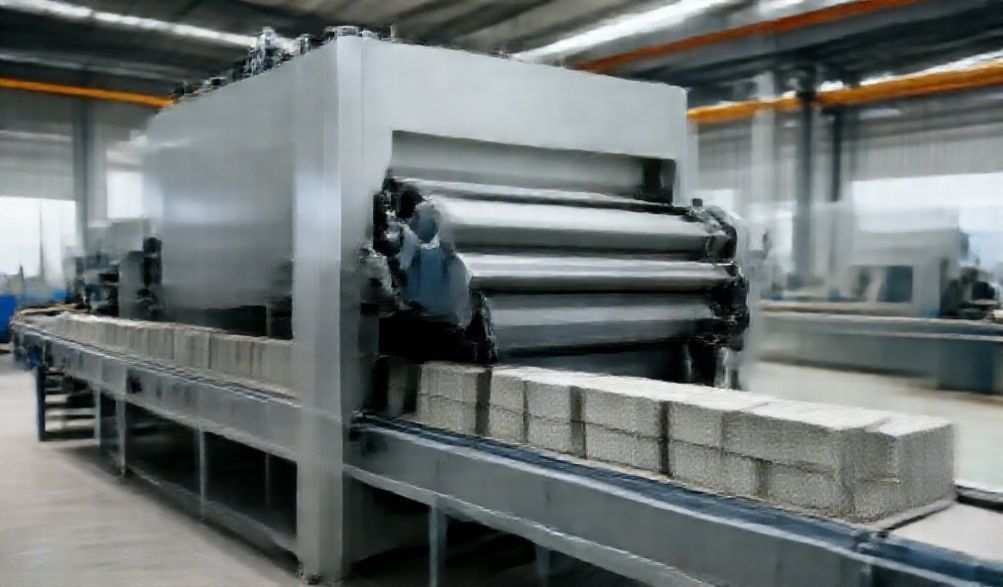
Panduan Utama Anda untuk Memilih Supplier Mesin Pembuat Batu Bata Semen yang Andal
Pengantar
Dalam dunia konstruksi dan manufaktur, keterlambatan itu mahal, dan kegagalan material bersifat katastropik. Anda bisa memiliki rencana bisnis yang sempurna, pasar yang siap, dan lokasi yang ideal, namun jika lini produksi bata Anda terhenti karena kerusakan mesin, atau bata-bata Anda gagal memenuhi standar kekuatan tekan, seluruh proyek—dan profitabilitas—Anda dalam bahaya.
Kerentanan kritis ini sering kali berakar dari keputusan yang diambil jauh sebelum batu pertama dicetak: pilihan fondasi Anda.pemasok mesin pembuat bata semen.
Banyak pembeli menghabiskan waktu berminggu-minggu membandingkan spesifikasi mesin—kapasitas output, tingkat otomatisasi, konsumsi daya—sementara hanya memberikan perhatian sepintas pada perusahaan di balik brosur. Ini adalah kesalahan mendasar. Mesin adalah produk; pemasok adalah mitra. Hubungan Anda dengan mereka akan menentukan akses Anda ke dukungan teknis, suku cadang asli, pelatihan penting, dan pada akhirnya, kelangsungan hidup jangka panjang pabrik Anda serta pengembalian investasi.
Panduan ini dibangun dari puluhan tahun keahlian kolektif industri. Ia melampaui perbandingan mesin dasar untuk membekali Anda dengan kerangka strategis yang diperlukan untuk mengevaluasi dan memilih pemasok yang akan menjadi aset nyata bagi operasional Anda. Di akhir panduan, Anda akan memiliki daftar periksa kunci yang jelas, pertanyaan esensial yang perlu diajukan, tanda bahaya yang harus dihindari, serta keyakinan untuk membangun kemitraan yang mendukung pertumbuhan bisnis berkelanjutan.
Mengapa Pilihan Pemasok Anda Lebih Penting dari yang Anda Kira
Memilih pemasok bukanlah sekadar tugas pengadaan; ini adalah keputusan bisnis strategis. Mitra yang tepat menjadi perpanjangan tim Anda, sementara yang salah dapat menjadi sumber biaya dan kefrustrasian yang terus-menerus.
Melampaui Mesin: Pemasok sebagai Mitra Jangka Panjang
Sebuah mesin pembuat bata semen adalah investasi modal yang signifikan dengan masa pakai bertahun-tahun. Kinerjanya selama masa pakai tersebut terkait erat dengan dukungan berkelanjutan dari pemasok.
- Layanan Purna Jual:Akankah mereka membantu Anda memecahkan masalah hidrolik pada pukul 2 pagi? Pemasok yang andal memiliki sistem dukungan yang terstruktur.
- Ketersediaan Suku Cadang:Ketika komponen kritis seperti cetakan atau segel hidrolik mengalami kegagalan, waktu henti diukur sebagai pendapatan yang hilang. Pemasok yang baik menjaga persediaan suku cadang asli yang mudah diakses.
- Evolusi Teknis:Saat bisnis Anda berkembang atau tuntutan pasar berubah, dapatkah pemasok Anda menyarankan peningkatan atau optimalisasi proses? Mitra sejati membantu Anda berkembang.
Dampak Langsung pada ROI dan Kualitas Produksi Anda
Pemasok Anda secara langsung memengaruhi laba bersih Anda. Mesin yang tidak andal dari pemasok yang buruk mengakibatkan:
- Rendahnya Waktu Operasional Mesin:Kerusakan yang sering terjadi berarti Anda tidak memproduksi batu bata, tetapi Anda tetap membayar biaya tetap.
- Kualitas Batu Bata yang Tidak Konsisten:Mesin yang tidak dikalibrasi dengan baik atau berkualitas rendah menghasilkan bata dengan dimensi dan kekuatan tekan yang bervariasi, menyebabkan tingkat penolakan tinggi dari lokasi konstruksi.
- Biaya Operasional yang Lebih Tinggi:Mesin yang tidak efisien mengonsumsi lebih banyak daya dan bahan baku, sementara suku cadang palsu atau tidak pas menyebabkan kerusakan lebih lanjut.
Pemasok terpercaya menyediakan mesin yang dirancang untuk keandalan dan konsistensi, melindungi ROI Anda sejak hari pertama.
Mengurangi Risiko: Menghindari Downtime yang Mahal dan Masalah Hukum
Risiko dari pilihan pemasok yang buruk melampaui sekadar gangguan.
- Bahaya Keselamatan:Mesin yang dibangun dengan bahan di bawah standar atau pengelasan yang buruk dapat menimbulkan risiko keselamatan yang serius bagi operator Anda.
- Kegagalan Kepatuhan:Pemasok yang tidak menyadari kode bangunan setempat mungkin menyediakan mesin yang tidak mampu menghasilkan batu bata yang memenuhi standar nasional (seperti kode ASTM atau IS), sehingga membuka Anda terhadap tanggung jawab hukum.
- Kerugian Finansial:Di luar biaya perbaikan, penundaan proyek akibat kekurangan bata dapat mengakibatkan denda berat dari klien Anda.
Kriteria Utama untuk Mengevaluasi Pemasok Mesin Pembuat Batu Bata Semen
Gunakan kerangka kerja ini untuk menilai calon mitra secara sistematis. Jangan hanya menerima kata-kata mereka—tuntut bukti.
Pengalaman Industri yang Terbukti dan Keahlian Teknis
Umur panjang dan pengetahuan teknis yang mendalam adalah indikator kuat dari stabilitas dan keandalan.
- Rekam Jejak:Sudah berapa tahun perusahaan ini beroperasi? Sebuah pemasok dengan sejarah lebih dari 15 tahun kemungkinan telah melewati berbagai siklus pasar dan tantangan teknis.
- Kemampuan Teknik: Are they original equipment manufacturers (OEMs) with in-house R&D and engineering teams, or are they simply resellers? OEMs typically have deeper product knowledge and better customization abilities.
- Market Understanding: Do they have experience with projects in your region? They should understand the characteristics of locally available raw materials (cement, fly ash, aggregate) and relevant construction standards.
Manufacturing and Quality Control Processes
The quality of the manufacturing process dictates the quality of the machine.
- Transparency: A trustworthy supplier is proud of their factory. They should offer virtual or (ideally) in-person facility tours.
- Sertifikasi: Look for international quality and safety certifications like ISO 9001danCE marking. These are not just stickers; they represent adherence to documented quality management and safety standards.
- Material & Components: Inquire about the grade of steel used in the frame and molds, and the brands of critical components (e.g., hydraulic systems from Bosch Rexroth, PLCs from Siemens). Reputable suppliers use known, durable brands.
Jangkauan Produk yang Komprehensif dan Kustomisasi
Your needs may evolve. A supplier with a narrow range cannot grow with you.
- Full Spectrum Offering: Can they supply everything from a simple manual egg-laying machine to a fully automatic stationary plant with robotic pallet handling? This indicates broad expertise.
- Customization Willingness: Can they modify a machine to produce a specific brick type you need—like interlocking pavers, hollow blocks for insulation, or specialized landscape bricks? Their ability to adapt is key.
After-Sales Support: The True Test of a Supplier
This is the most critical differentiator between a vendor and a partner.
- Pemasangan & Pelatihan: Do they provide supervised installation and comprehensive, hands-on training for your operators and maintenance staff? This is non-negotiable for complex automatic plants.
- Struktur Garansi: Read the fine print. What is covered (parts, labor)? What is the duration? What are the terms (e.g., must use their certified technicians)?
- Support Network: What is their average response time for technical queries? Do they have local service engineers or a network of authorized dealers, or must all support come from a distant headquarters?
Transparency, Reputation, and Client Testimonials
Trust must be earned and verified.
- Detailed Quotations: Proposals should be itemized, including machine price, spare parts list, shipping costs, duties (if applicable), and installation fees. Beware of suspiciously low “all-in” quotes.
- Verifiable References: Ask for 3-5 client references who have purchased similar equipment. Follow up. Ask those clients about machine performance, brick quality, and support responsiveness.
- Third-Party Validation: Check their profile on B2B platforms like Alibaba, Made-in-China, or industry-specific directories. Look for transaction history and authentic buyer reviews.
Essential Questions to Ask Your Potential Supplier
Come to negotiations prepared. These questions will separate the serious partners from the salespeople.
Questions About the Machine and Production
- “Based on my raw material mix (provide your proportions), what is the output yang realistis dan berkelanjutan in bricks per hour for this model, not the theoretical maximum?”
- “Can you provide a detailed technical drawing and a bill of materials for the machine?”
- “What is the expected brick density and compressive strength achievable with this machine using standard materials?”
- “Can you share a recommended annual maintenance schedule and a list of critical spare parts I should stock from day one?”
Questions About Business and Support
- “Can you walk me through your standard warranty document line by line? What are the most common exclusions?”
- “Is operator and maintenance training included? If so, what is the curriculum and duration?”
- “In case of a major breakdown, what is your escalation procedure and guaranteed response time?”
- “Can you facilitate a call or visit with one of your existing clients in a similar business?”
Red Flags: Warning Signs of an Unreliable Supplier
Heed these warnings to avoid costly mistakes.
Communication and Professionalism Red Flags
- Vagueness: Inability or unwillingness to provide clear, technical answers to specific questions.
- Pressure Tactics: “This price is only valid for 24 hours!” Legitimate businesses do not use such high-pressure sales on capital equipment.
- Lack of Documentation: No detailed manuals, technical specifications, or legally clear contracts.
Product and Service Red Flags
- The “Too-Good-To-Be-True” Price: A quote significantly lower than all others almost always indicates inferior materials, copied designs, or hidden costs.
- Ghost Operations: No verifiable physical address, refusal of a factory visit, or a website filled with stock photos and no real project case studies.
- No Client List: An unwillingness to provide any references or client testimonials.
Contract and Logistics Red Flags
- Unclear Payment Terms: Avoid suppliers demanding 100% upfront payment. Standard terms are often 30% deposit, 70% before shipment.
- Ambiguous Incoterms: The contract must clearly state who is responsible for shipping, insurance, and customs clearance (e.g., FOB, CIF, DAP). Misunderstanding here leads to unexpected fees.
- No Pre-Shipment Inspection (PSI): A reputable supplier will agree to an independent PSI where you or a third party can verify the machine’s build and function before it leaves the factory.
Navigating the Global Market: Local vs. International Suppliers
The choice isn’t always clear-cut and depends on your location, budget, and technical needs.
Advantages of a Local/Regional Supplier
- Faster Response Times: For service calls and spare parts delivery.
- Easier Communication: No language barriers or major time zone differences.
- Local Knowledge: Intimate understanding of local building codes, material availability, and business practices.
Advantages of an International/Manufacturer-Direct Supplier
- Harga Kompetitif: Often lower factory-gate prices, especially for high-volume orders.
- Access to Technology: May offer the latest advancements in automation, vibration technology, and energy efficiency.
- Spesialisasi: Might be a global leader in a specific type of brick making technology.
Finding the Right Balance for Your Business
Consider the Total Biaya Kepemilikan (TCO), not just the purchase price. Factor in estimated shipping, import duties, costs of potential downtime, and spare parts logistics. For many, the ideal solution is a hybrid: an international OEM with a strong, authorized local dealer or service partner who can provide local support backed by global expertise.
FAQ: Your Cement Brick Machine Supplier Questions Answered
Q1: What is the typical lead time for receiving a cement brick making machine from an international supplier?
Lead times vary from 30 to 90 days after order confirmation, depending on machine complexity, customization, and the supplier’s production schedule. Always get a written commitment.
Q2: How do I verify the quality claims made by a supplier I found online?
Request a live video call from their factory floor to see machines in production. Ask for certificates of origin for major components (hydraulics, PLCs). Insist on a Pre-Shipment Inspection by a trusted third party.
Q3: What are the most important clauses to include in the purchase contract?
Key clauses cover: Detailed machine specifications, Warranty terms and exclusions, Payment schedule linked to milestones, Delivery Incoterms, Protocol for handling defects, and Agreement for Pre-Shipment Inspection.
Q4: Is it better to buy a fully automatic or a semi-automatic machine from a supplier?
This depends on your labor costs, target output, and budget. A reputable supplier should consult with you on this, not just push the most expensive option. Semi-automatic may be perfect for starting; fully automatic is for high-volume, consistent production.
Q5: What kind of training should a reputable supplier provide?
Training should cover: Safe machine operation, daily maintenance routines, basic troubleshooting, mold changing procedures, and quality control checks for raw materials and finished bricks. It should be hands-on and documented.
Q6: How do I budget for spare parts and maintenance in the first year?
A good supplier will provide a recommended spare parts list. Budget 3-5% of the machine’s purchase price for initial critical spares (like seals, relays, and wear parts for molds). Factor in the cost of routine lubricants and filters.
Kesimpulan
Selecting your pemasok mesin pembuat bata semen is a strategic decision that will echo through the life of your business. It determines not just the quality of the machine you receive, but the quality of support, the reliability of your production, and the security of your investment.
By using the criteria, questions, and warnings outlined in this guide as your due diligence checklist, you move from a position of hope to one of informed confidence. You are no longer just a buyer; you are a savvy partner seeking a mutually beneficial relationship.
Remember, the time and effort invested in this selection process is your most effective insurance policy against future downtime, quality issues, and financial loss. It is the first and most crucial step in building a profitable, sustainable brick manufacturing operation.
Ready to start conversations with vetted suppliers? Download our free Supplier Evaluation Checklist to ensure you don’t miss a critical step during your negotiation and selection process.
<