
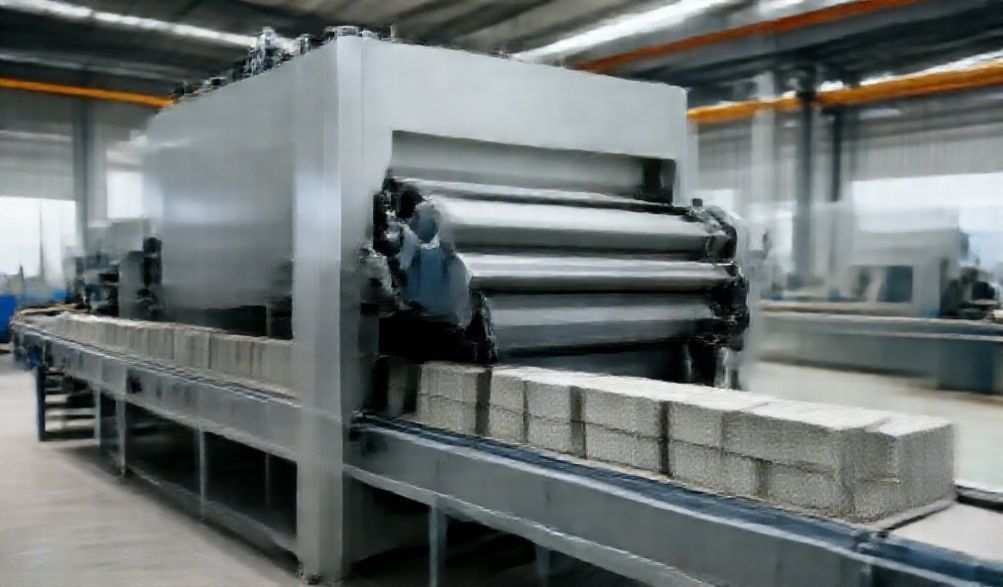
Сенімді цементтен кірпіш жасау машинасы жеткізушісін таңдауға арналған жетілдірілген нұсқаулық
Кіріспе
Құрылыс және өндіріс әлемінде кідірістер қымбатқа түседі, ал материалдардың істен шығуы апатты жағдайларға әкеледі. Сізде тамаша бизнес-жоспар, дайын нарық және идеалды орналасу болуы мүмкін, бірақ егер сіздің кірпіш өндіріс желісіңіз машинаның істен шығуынан тоқтап қалса немесе кірпіштеріңіз қысу күші стандарттарына сәйкес келмесе, бүкіл жобаңыз бен табыстылығыңыз қауіп төндіреді.
Бұл сыни осалдық көбінесе бірінші кірпіш құйылғанға дейін қабылданатын шешімнен туындайды: сіздің таңдауыңызцементтен кірпіш жасау машинасы жеткізушісі.
Көптеген сатып алушылар машинаның сипаттамаларын – шығу қуаты, автоматтандыру деңгейі, электр энергиясын тұтынуды – аптап-апта салыстырады, ал бұл брошюраның артында тұрған компанияға аз көңіл бөледі. Бұл іргелі қателік. Машина – өнім; жеткізуші – серіктес. Олармен қарым-қатынасыңыз техникалық қолдауға, шынайы қосалқы бөлшектерге, маңызды оқытуға қол жеткізуіңізді, соңында өндіріс орныңыздың ұзақ мерзімді өміршеңдігі мен инвестицияның өтелуін анықтайды.
Бұл нұсқау ондаған жылдар бойы жинақталған салалық тәжірибеге негізделген. Ол сізге жай ғана машиналарды салыстырудан асып, операцияңызға шынайы актив болатын жеткізушіні бағалау және таңдау үшін қажетті стратегиялық құрылымды қамтамасыз етеді. Оны оқып болғаннан кейін, сізде негізгі критерийлердің анық тізімі, қойылатын маңызды сұрақтар, сақтану керек қауіп белгілері және тұрақты бизнес өсуін қолдайтын серіктестік құруға деген сенім пайда болады.
Жеткізушіні таңдауыңыз сіз ойлағаннан да маңыздырақ неге?
Жеткізушіні таңдау – бұл жай ғана сатып алу міндеті емес, бұл стратегиялық бизнес шешімі. Дұрыс серіктес сіздің командаңыздың жалғасына айналады, ал қате таңдау тұрақты шығын мен разочарование көзі болуы мүмкін.
Машинаның арғы жағында: Ұзақ мерзімді серіктес ретінде жеткізуші
Цементтен кірпіш жасайтын машина - бұл көп жылдарға созылатын маңызды капиталдық инвестиция. Оның осы мерзім ішіндегі өнімділігі жеткізушінің үздіксіз қолдауымен тығыз байланысты.
- Сатылғаннан кейінгі қызмет:Олар сізге түн ортасында сағат 2-де гидравликалық мәселені шешуге көмектесе ме? Сенімді жеткізушіде құрылымдық қолдау жүйесі бар.
- Бөлшектердің қолжетімділігі:Сыртқы құралдар немесе гидравликалық сальник сияқты маңызды компонент істен шыққан кезде, тоқтап қалу шығындары жоғалған табыс ретінде есептеледі. Жақсы жеткізуші шынайы қосалқы бөлшектердің қолжетімді қорын ұстайды.
- Техникалық эволюция:Сіздің бизнесіңіз өскен сайын немесе нарықтық талаптар өзгерген кезде, жеткізушіңіз жаңартулар немесе процестерді оңтайландыру бойынша кеңес бере ала ма? Шынайы серіктес сіздің өсуіңізге көмектеседі.
Сіздің ROI және өндіріс сапасына тікелей әсері
Сіздің жеткізушіңіз тікелей сіздің таза пайдаңызға әсер етеді. Сенімсіз жеткізушіден алынған сенімсіз машина мыналарға әкеледі:
- Машиналардың жұмыс уақытының төмендігі: Frequent breakdowns mean you’re not producing bricks, but you’re still paying fixed costs.
- Inconsistent Brick Quality: Poorly calibrated or low-quality machines produce bricks with varying dimensions and compressive strengths, leading to high rejection rates from construction sites.
- Higher Operational Costs: Inefficient machines consume more power and raw materials, while counterfeit or ill-fitting spare parts cause further damage.
A reputable supplier provides machinery engineered for reliability and consistency, protecting your ROI from day one.
Mitigating Risk: Avoiding Costly Downtime and Legal Issues
The risks of a poor supplier choice extend beyond annoyance.
- Safety Hazards: Machines built with substandard materials or poor welding can pose serious safety risks to your operators.
- Compliance Failures: A supplier unaware of local building codes might provide machines incapable of producing bricks that meet national standards (like ASTM or IS codes), opening you up to liability.
- Financial Loss: Beyond repair costs, project delays due to brick shortages can result in heavy penalties from your clients.
Key Criteria for Evaluating a Cement Brick Making Machine Supplier
Use this framework to systematically assess potential partners. Don’t just take their word for it—demand evidence.
Өнеркәсіптік тәжірибенің дәлелденгені және техникалық біліктілік
Longevity and deep technical knowledge are strong indicators of stability and reliability.
- Қол жеткізген нәтижелері: How many years has the company been operating? A supplier with 15+ years of history has likely navigated various market cycles and technical challenges.
- Инженерлік қабілеттілік: Are they original equipment manufacturers (OEMs) with in-house R&D and engineering teams, or are they simply resellers? OEMs typically have deeper product knowledge and better customization abilities.
- Market Understanding: Do they have experience with projects in your region? They should understand the characteristics of locally available raw materials (cement, fly ash, aggregate) and relevant construction standards.
Manufacturing and Quality Control Processes
The quality of the manufacturing process dictates the quality of the machine.
- Transparency: A trustworthy supplier is proud of their factory. They should offer virtual or (ideally) in-person facility tours.
- Сертификаттау: Look for international quality and safety certifications like ISO 9001жәнеCE marking. These are not just stickers; they represent adherence to documented quality management and safety standards.
- Material & Components: Inquire about the grade of steel used in the frame and molds, and the brands of critical components (e.g., hydraulic systems from Bosch Rexroth, PLCs from Siemens). Reputable suppliers use known, durable brands.
Кең өнімдер ауқымы және жекешелендіру
Your needs may evolve. A supplier with a narrow range cannot grow with you.
- Full Spectrum Offering: Can they supply everything from a simple manual egg-laying machine to a fully automatic stationary plant with robotic pallet handling? This indicates broad expertise.
- Customization Willingness: Can they modify a machine to produce a specific brick type you need—like interlocking pavers, hollow blocks for insulation, or specialized landscape bricks? Their ability to adapt is key.
After-Sales Support: The True Test of a Supplier
This is the most critical differentiator between a vendor and a partner.
- Орнату және оқыту: Do they provide supervised installation and comprehensive, hands-on training for your operators and maintenance staff? This is non-negotiable for complex automatic plants.
- Warranty Structure: Read the fine print. What is covered (parts, labor)? What is the duration? What are the terms (e.g., must use their certified technicians)?
- Support Network: What is their average response time for technical queries? Do they have local service engineers or a network of authorized dealers, or must all support come from a distant headquarters?
Transparency, Reputation, and Client Testimonials
Trust must be earned and verified.
- Егжей-тегжейлі дәйексөздер: Proposals should be itemized, including machine price, spare parts list, shipping costs, duties (if applicable), and installation fees. Beware of suspiciously low “all-in” quotes.
- Verifiable References: Ask for 3-5 client references who have purchased similar equipment. Follow up. Ask those clients about machine performance, brick quality, and support responsiveness.
- Third-Party Validation: Check their profile on B2B platforms like Alibaba, Made-in-China, or industry-specific directories. Look for transaction history and authentic buyer reviews.
Essential Questions to Ask Your Potential Supplier
Come to negotiations prepared. These questions will separate the serious partners from the salespeople.
Questions About the Machine and Production
- “Based on my raw material mix (provide your proportions), what is the реалистік, тұрақты нәтиже in bricks per hour for this model, not the theoretical maximum?”
- “Can you provide a detailed technical drawing and a bill of materials for the machine?”
- “What is the expected brick density and compressive strength achievable with this machine using standard materials?”
- “Can you share a recommended annual maintenance schedule and a list of critical spare parts I should stock from day one?”
Questions About Business and Support
- “Can you walk me through your standard warranty document line by line? What are the most common exclusions?”
- “Is operator and maintenance training included? If so, what is the curriculum and duration?”
- “In case of a major breakdown, what is your escalation procedure and guaranteed response time?”
- “Can you facilitate a call or visit with one of your existing clients in a similar business?”
Red Flags: Warning Signs of an Unreliable Supplier
Heed these warnings to avoid costly mistakes.
Communication and Professionalism Red Flags
- Vagueness: Inability or unwillingness to provide clear, technical answers to specific questions.
- Pressure Tactics: “This price is only valid for 24 hours!” Legitimate businesses do not use such high-pressure sales on capital equipment.
- Lack of Documentation: No detailed manuals, technical specifications, or legally clear contracts.
Product and Service Red Flags
- The “Too-Good-To-Be-True” Price: A quote significantly lower than all others almost always indicates inferior materials, copied designs, or hidden costs.
- Ghost Operations: No verifiable physical address, refusal of a factory visit, or a website filled with stock photos and no real project case studies.
- No Client List: An unwillingness to provide any references or client testimonials.
Contract and Logistics Red Flags
- Unclear Payment Terms: Avoid suppliers demanding 100% upfront payment. Standard terms are often 30% deposit, 70% before shipment.
- Ambiguous Incoterms: The contract must clearly state who is responsible for shipping, insurance, and customs clearance (e.g., FOB, CIF, DAP). Misunderstanding here leads to unexpected fees.
- No Pre-Shipment Inspection (PSI): A reputable supplier will agree to an independent PSI where you or a third party can verify the machine’s build and function before it leaves the factory.
Navigating the Global Market: Local vs. International Suppliers
The choice isn’t always clear-cut and depends on your location, budget, and technical needs.
Advantages of a Local/Regional Supplier
- Faster Response Times: For service calls and spare parts delivery.
- Easier Communication: No language barriers or major time zone differences.
- Local Knowledge: Intimate understanding of local building codes, material availability, and business practices.
Advantages of an International/Manufacturer-Direct Supplier
- Бәсекелес баға белгілеу: Often lower factory-gate prices, especially for high-volume orders.
- Access to Technology: May offer the latest advancements in automation, vibration technology, and energy efficiency.
- Specialization: Might be a global leader in a specific type of brick making technology.
Finding the Right Balance for Your Business
Consider the Жалпы меншіктің құны (ЖМҚ), not just the purchase price. Factor in estimated shipping, import duties, costs of potential downtime, and spare parts logistics. For many, the ideal solution is a hybrid: an international OEM with a strong, authorized local dealer or service partner who can provide local support backed by global expertise.
FAQ: Your Cement Brick Machine Supplier Questions Answered
Q1: What is the typical lead time for receiving a cement brick making machine from an international supplier?
Lead times vary from 30 to 90 days after order confirmation, depending on machine complexity, customization, and the supplier’s production schedule. Always get a written commitment.
Q2: How do I verify the quality claims made by a supplier I found online?
Request a live video call from their factory floor to see machines in production. Ask for certificates of origin for major components (hydraulics, PLCs). Insist on a Pre-Shipment Inspection by a trusted third party.
Q3: What are the most important clauses to include in the purchase contract?
Key clauses cover: Detailed machine specifications, Warranty terms and exclusions, Payment schedule linked to milestones, Delivery Incoterms, Protocol for handling defects, and Agreement for Pre-Shipment Inspection.
Q4: Is it better to buy a fully automatic or a semi-automatic machine from a supplier?
This depends on your labor costs, target output, and budget. A reputable supplier should consult with you on this, not just push the most expensive option. Semi-automatic may be perfect for starting; fully automatic is for high-volume, consistent production.
Q5: What kind of training should a reputable supplier provide?
Training should cover: Safe machine operation, daily maintenance routines, basic troubleshooting, mold changing procedures, and quality control checks for raw materials and finished bricks. It should be hands-on and documented.
Q6: How do I budget for spare parts and maintenance in the first year?
A good supplier will provide a recommended spare parts list. Budget 3-5% of the machine’s purchase price for initial critical spares (like seals, relays, and wear parts for molds). Factor in the cost of routine lubricants and filters.
Қорытынды
Selecting your цементтен кірпіш жасау машинасы жеткізушісі is a strategic decision that will echo through the life of your business. It determines not just the quality of the machine you receive, but the quality of support, the reliability of your production, and the security of your investment.
By using the criteria, questions, and warnings outlined in this guide as your due diligence checklist, you move from a position of hope to one of informed confidence. You are no longer just a buyer; you are a savvy partner seeking a mutually beneficial relationship.
Remember, the time and effort invested in this selection process is your most effective insurance policy against future downtime, quality issues, and financial loss. It is the first and most crucial step in building a profitable, sustainable brick manufacturing operation.
Ready to start conversations with vetted suppliers? Download our free Supplier Evaluation Checklist to ensure you don’t miss a critical step during your negotiation and selection process.
<