
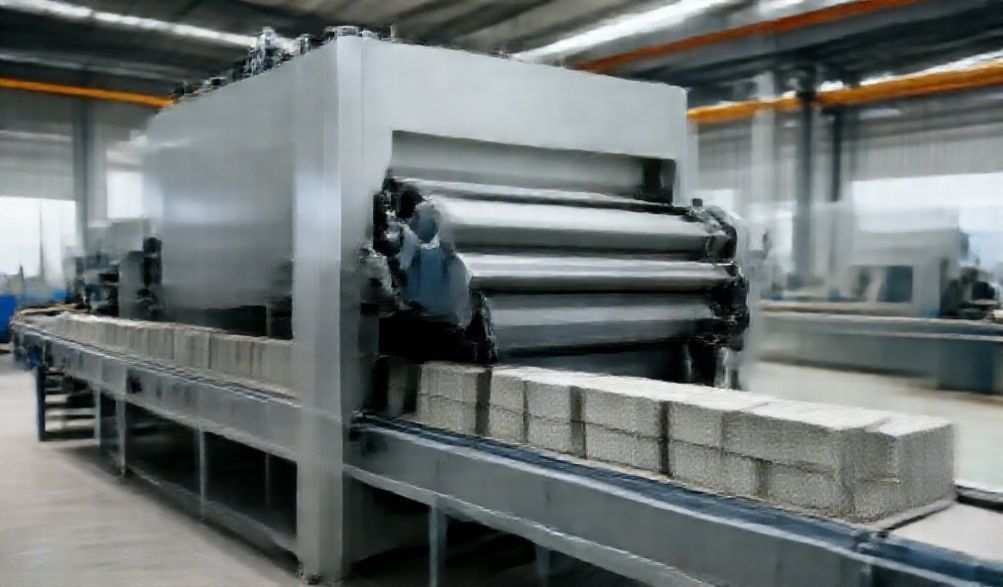
Seu Guia Definitivo para Escolher um Fornecedor Confiável de Máquinas para Fazer Tijolos de Cimento
Introdução
No mundo da construção e manufatura, atrasos são caros, e falhas de materiais são catastróficas. Você pode ter o plano de negócios perfeito, um mercado pronto e uma localização ideal, mas se sua linha de produção de tijolos parar devido a uma falha na máquina, ou se seus tijolos não atenderem aos padrões de resistência à compressão, todo o seu projeto — e sua lucratividade — estará em risco.
Esta vulnerabilidade crítica geralmente surge de uma decisão tomada muito antes da primeira peça ser moldada: a escolha do seufornecedor de máquina de fabricação de tijolos de cimento.
Muitos compradores passam semanas comparando especificações das máquinas—capacidade de produção, nível de automação, consumo de energia—enquanto dão apenas atenção superficial à empresa por trás do catálogo. Isso é um erro fundamental. A máquina é um produto; o fornecedor é um parceiro. Seu relacionamento com eles determinará seu acesso a suporte técnico, peças de reposição genuínas, treinamento crucial e, por fim, a viabilidade de longo prazo da sua fábrica e o retorno sobre o investimento.
Este guia é construído com base em décadas de experiência coletiva da indústria. Ele vai além de comparações básicas de máquinas para munir você com a estrutura estratégica necessária para avaliar e selecionar um fornecedor que será um verdadeiro ativo para sua operação. Ao final, você terá uma lista de verificação clara com os critérios-chave, perguntas essenciais a fazer, sinais de alerta a evitar e a confiança para forjar uma parceria que apoie o crescimento sustentável do negócio.
Por que Sua Escolha de Fornecedor Importa Mais do que Você Imagina
Escolher um fornecedor não é uma simples tarefa de compras; é uma decisão estratégica de negócios. O parceiro certo se torna uma extensão da sua equipe, enquanto o errado pode se tornar uma fonte persistente de custos e frustrações.
Além da Máquina: O Fornecedor como um Parceiro de Longo Prazo
Uma máquina de fabricar tijolos de cimento é um investimento de capital significativo com uma vida útil de muitos anos. Seu desempenho ao longo dessa vida está inextricavelmente ligado ao suporte contínuo do fornecedor.
- Serviço Pós-Venda:Eles vão ajudá-lo a solucionar um problema hidráulico às 2 da manhã? Um fornecedor confiável tem um sistema de suporte estruturado.
- Disponibilidade de Peças:Quando um componente crítico como um molde ou uma vedação hidráulica falha, o tempo de inatividade é medido em receita perdida. Um bom fornecedor mantém um estoque acessível de peças de reposição genuínas.
- Evolução Técnica:À medida que seu negócio cresce ou as demandas do mercado mudam, seu fornecedor pode aconselhar sobre atualizações ou otimizações de processos? Um verdadeiro parceiro ajuda você a escalar.
O Impacto Direto no Seu ROI e na Qualidade de Produção
Seu fornecedor influencia diretamente seus resultados financeiros. Uma máquina não confiável de um fornecedor inadequado leva a:
- Baixa Disponibilidade da Máquina:Quebras frequentes significam que você não está produzindo tijolos, mas ainda está pagando custos fixos.
- Qualidade Inconsistente dos Tijolos:Máquinas mal calibradas ou de baixa qualidade produzem tijolos com dimensões e resistências à compressão variáveis, resultando em altas taxas de rejeição nos canteiros de obras.
- Custos Operacionais Mais Elevados:Máquinas ineficientes consomem mais energia e matérias-primas, enquanto peças de reposição falsificadas ou inadequadas causam mais danos.
Um fornecedor respeitável fornece maquinaria projetada para confiabilidade e consistência, protegendo seu retorno sobre o investimento desde o primeiro dia.
Mitigação de Riscos: Evitando Tempos de Inatividade Custosos e Problemas Legais
Os riscos de uma escolha inadequada de fornecedores vão além do aborrecimento.
- Riscos de Segurança:Máquinas construídas com materiais de baixa qualidade ou soldagem deficiente podem representar sérios riscos de segurança para seus operadores.
- Falhas de Conformidade:Um fornecedor que desconhece os códigos de construção locais pode fornecer máquinas incapazes de produzir tijolos que atendam aos padrões nacionais (como os códigos ASTM ou IS), expondo você a responsabilidades.
- Perda Financeira:Além dos custos de reparo, atrasos no projeto devido à escassez de tijolos podem resultar em pesadas multas de seus clientes.
Critérios-Chave para Avaliar um Fornecedor de Máquina de Fabricar Tijolos de Cimento
Use este quadro para avaliar sistematicamente parceiros em potencial. Não aceite apenas a palavra deles — exija evidências.
Experiência Comprovada no Setor e Expertise Técnica
Longevidade e profundo conhecimento técnico são fortes indicadores de estabilidade e confiabilidade.
- Histórico:Há quantos anos a empresa está em operação? Um fornecedor com mais de 15 anos de histórico provavelmente já enfrentou diversos ciclos de mercado e desafios técnicos.
- Capacidade de Engenharia: Are they original equipment manufacturers (OEMs) with in-house R&D and engineering teams, or are they simply resellers? OEMs typically have deeper product knowledge and better customization abilities.
- Market Understanding: Do they have experience with projects in your region? They should understand the characteristics of locally available raw materials (cement, fly ash, aggregate) and relevant construction standards.
Manufacturing and Quality Control Processes
The quality of the manufacturing process dictates the quality of the machine.
- Transparency: A trustworthy supplier is proud of their factory. They should offer virtual or (ideally) in-person facility tours.
- Certificações: Look for international quality and safety certifications like ISO 9001eCE marking. These are not just stickers; they represent adherence to documented quality management and safety standards.
- Material & Components: Inquire about the grade of steel used in the frame and molds, and the brands of critical components (e.g., hydraulic systems from Bosch Rexroth, PLCs from Siemens). Reputable suppliers use known, durable brands.
Ampla Gama de Produtos e Personalização
Your needs may evolve. A supplier with a narrow range cannot grow with you.
- Full Spectrum Offering: Can they supply everything from a simple manual egg-laying machine to a fully automatic stationary plant with robotic pallet handling? This indicates broad expertise.
- Customization Willingness: Can they modify a machine to produce a specific brick type you need—like interlocking pavers, hollow blocks for insulation, or specialized landscape bricks? Their ability to adapt is key.
After-Sales Support: The True Test of a Supplier
This is the most critical differentiator between a vendor and a partner.
- Instalação & Treinamento: Do they provide supervised installation and comprehensive, hands-on training for your operators and maintenance staff? This is non-negotiable for complex automatic plants.
- Estrutura da Garantia: Read the fine print. What is covered (parts, labor)? What is the duration? What are the terms (e.g., must use their certified technicians)?
- Support Network: What is their average response time for technical queries? Do they have local service engineers or a network of authorized dealers, or must all support come from a distant headquarters?
Transparency, Reputation, and Client Testimonials
Trust must be earned and verified.
- Cotações Detalhadas: Proposals should be itemized, including machine price, spare parts list, shipping costs, duties (if applicable), and installation fees. Beware of suspiciously low “all-in” quotes.
- Verifiable References: Ask for 3-5 client references who have purchased similar equipment. Follow up. Ask those clients about machine performance, brick quality, and support responsiveness.
- Third-Party Validation: Check their profile on B2B platforms like Alibaba, Made-in-China, or industry-specific directories. Look for transaction history and authentic buyer reviews.
Essential Questions to Ask Your Potential Supplier
Come to negotiations prepared. These questions will separate the serious partners from the salespeople.
Questions About the Machine and Production
- “Based on my raw material mix (provide your proportions), what is the saída realista e sustentável in bricks per hour for this model, not the theoretical maximum?”
- “Can you provide a detailed technical drawing and a bill of materials for the machine?”
- “What is the expected brick density and compressive strength achievable with this machine using standard materials?”
- “Can you share a recommended annual maintenance schedule and a list of critical spare parts I should stock from day one?”
Questions About Business and Support
- “Can you walk me through your standard warranty document line by line? What are the most common exclusions?”
- “Is operator and maintenance training included? If so, what is the curriculum and duration?”
- “In case of a major breakdown, what is your escalation procedure and guaranteed response time?”
- “Can you facilitate a call or visit with one of your existing clients in a similar business?”
Red Flags: Warning Signs of an Unreliable Supplier
Heed these warnings to avoid costly mistakes.
Communication and Professionalism Red Flags
- Vagueness: Inability or unwillingness to provide clear, technical answers to specific questions.
- Pressure Tactics: “This price is only valid for 24 hours!” Legitimate businesses do not use such high-pressure sales on capital equipment.
- Lack of Documentation: No detailed manuals, technical specifications, or legally clear contracts.
Product and Service Red Flags
- The “Too-Good-To-Be-True” Price: A quote significantly lower than all others almost always indicates inferior materials, copied designs, or hidden costs.
- Ghost Operations: No verifiable physical address, refusal of a factory visit, or a website filled with stock photos and no real project case studies.
- No Client List: An unwillingness to provide any references or client testimonials.
Contract and Logistics Red Flags
- Unclear Payment Terms: Avoid suppliers demanding 100% upfront payment. Standard terms are often 30% deposit, 70% before shipment.
- Ambiguous Incoterms: The contract must clearly state who is responsible for shipping, insurance, and customs clearance (e.g., FOB, CIF, DAP). Misunderstanding here leads to unexpected fees.
- No Pre-Shipment Inspection (PSI): A reputable supplier will agree to an independent PSI where you or a third party can verify the machine’s build and function before it leaves the factory.
Navigating the Global Market: Local vs. International Suppliers
The choice isn’t always clear-cut and depends on your location, budget, and technical needs.
Advantages of a Local/Regional Supplier
- Faster Response Times: For service calls and spare parts delivery.
- Easier Communication: No language barriers or major time zone differences.
- Local Knowledge: Intimate understanding of local building codes, material availability, and business practices.
Advantages of an International/Manufacturer-Direct Supplier
- Preços Competitivos: Often lower factory-gate prices, especially for high-volume orders.
- Access to Technology: May offer the latest advancements in automation, vibration technology, and energy efficiency.
- Especialização: Might be a global leader in a specific type of brick making technology.
Finding the Right Balance for Your Business
Consider the Custo Total de Propriedade (TCO), not just the purchase price. Factor in estimated shipping, import duties, costs of potential downtime, and spare parts logistics. For many, the ideal solution is a hybrid: an international OEM with a strong, authorized local dealer or service partner who can provide local support backed by global expertise.
FAQ: Your Cement Brick Machine Supplier Questions Answered
Q1: What is the typical lead time for receiving a cement brick making machine from an international supplier?
Lead times vary from 30 to 90 days after order confirmation, depending on machine complexity, customization, and the supplier’s production schedule. Always get a written commitment.
Q2: How do I verify the quality claims made by a supplier I found online?
Request a live video call from their factory floor to see machines in production. Ask for certificates of origin for major components (hydraulics, PLCs). Insist on a Inspeção Pré-Embarque by a trusted third party.
Q3: What are the most important clauses to include in the purchase contract?
Key clauses cover: Detailed machine specifications, Warranty terms and exclusions, Payment schedule linked to milestones, Delivery Incoterms, Protocol for handling defects, and Agreement for Pre-Shipment Inspection.
Q4: Is it better to buy a fully automatic or a semi-automatic machine from a supplier?
This depends on your labor costs, target output, and budget. A reputable supplier should consult with you on this, not just push the most expensive option. Semi-automatic may be perfect for starting; fully automatic is for high-volume, consistent production.
Q5: What kind of training should a reputable supplier provide?
Training should cover: Safe machine operation, daily maintenance routines, basic troubleshooting, mold changing procedures, and quality control checks for raw materials and finished bricks. It should be hands-on and documented.
Q6: How do I budget for spare parts and maintenance in the first year?
A good supplier will provide a recommended spare parts list. Budget 3-5% of the machine’s purchase price for initial critical spares (like seals, relays, and wear parts for molds). Factor in the cost of routine lubricants and filters.
Conclusão
Selecting your fornecedor de máquina de fabricação de tijolos de cimento is a strategic decision that will echo through the life of your business. It determines not just the quality of the machine you receive, but the quality of support, the reliability of your production, and the security of your investment.
By using the criteria, questions, and warnings outlined in this guide as your due diligence checklist, you move from a position of hope to one of informed confidence. You are no longer just a buyer; you are a savvy partner seeking a mutually beneficial relationship.
Remember, the time and effort invested in this selection process is your most effective insurance policy against future downtime, quality issues, and financial loss. It is the first and most crucial step in building a profitable, sustainable brick manufacturing operation.
Ready to start conversations with vetted suppliers? Download our free Supplier Evaluation Checklist to ensure you don’t miss a critical step during your negotiation and selection process.
<