
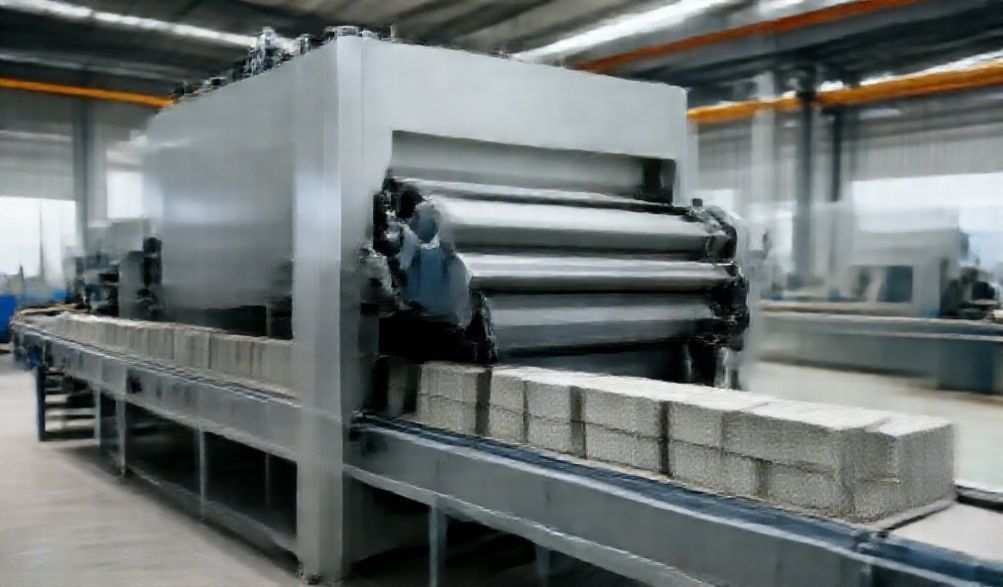
신뢰할 수 있는 시멘트 벽돌 제조기 공급업체를 선택하는 최종 가이드
소개
건설과 제조업 세계에서 지연은 비용을 증가시키고, 자재 결함은 치명적입니다. 완벽한 사업 계획, 준비된 시장, 이상적인 입지 조건을 갖추더라도, 기계 고장으로 벽돌 생산 라인이 멈추거나 벽돌의 압축 강도 기준을 충족하지 못한다면, 전체 프로젝트와 수익성이 위험에 처하게 됩니다.
이 중요한 취약점은 종종 첫 번째 벽돌이 놓이기 훨씬 전에 내려진 결정, 즉 당신의 선택에서 비롯됩니다.시멘트 벽돌 제조 기계 공급업체.
많은 구매자들은 출력 용량, 자동화 수준, 전력 소비량 같은 기계 사양을 비교하는 데 몇 주를 보내면서, 브로셔 뒤에 있는 회사에 대해서는 피상적인 관심만 기울입니다. 이것은 근본적인 실수입니다. 기계는 제품이지만, 공급업체는 파트너입니다. 그들과의 관계는 기술 지원, 정품 예비 부품, 중요한 교육에 대한 접근성을 결정하며, 궁극적으로는 공장의 장기적 생존 가능성과 투자 수익률을 좌우합니다.
이 가이드는 수십 년에 걸친 산업 전문 지식의 집약체입니다. 단순한 기계 성능 비교를 넘어, 귀사의 운영에 실질적인 자산이 될 공급업체를 평가하고 선정하는 데 필요한 전략적 프레임워크를 제공합니다. 이를 통해 핵심 평가 기준 체크리스트, 필수 질문 사항, 주의해야 할 위험 신호를 명확히 파악하게 되며, 지속 가능한 비즈니스 성장을 뒷받침할 파트너십을 구축할 자신감을 갖게 될 것입니다.
공급업체 선택이 생각보다 중요한 이유
공급업체를 선택하는 것은 단순한 구매 업무가 아니라 전략적인 비즈니스 결정입니다. 올바른 파트너는 팀의 일부가 되지만, 잘못된 선택은 지속적인 비용과 좌절의 원인이 될 수 있습니다.
기계 너머: 장기적인 파트너로서의 공급업체
시멘트 벽돌 제조 기계는 수년간의 수명을 가진 상당한 자본 투자입니다. 그 장비의 성능은 공급업체의 지속적인 지원과 불가분의 관계에 있습니다.
- 애프터 서비스:그들은 새벽 2시에 유압 문제 해결을 도와줄까요? 믿을 수 있는 공급업체는 체계적인 지원 시스템을 갖추고 있습니다.
- 부품 가용성:중요 부품인 금형이나 유압 실이 고장 나면 가동 중단 시간은 손실된 수익으로 측정됩니다. 좋은 공급업체는 정품 예비 부품을 쉽게 구할 수 있도록 재고를 유지합니다.
- 기술적 진화비즈니스가 성장하거나 시장 수요가 변할 때, 공급업체가 업그레이드나 공정 최적화에 대한 조언을 해줄 수 있나요? 진정한 파트너는 귀하의 확장을 도와줍니다.
귀사의 ROI와 생산 품질에 대한 직접적인 영향
공급업체는 당신의 순이익에 직접적인 영향을 미칩니다. 신뢰할 수 없는 공급업체의 불안정한 기계는 다음과 같은 결과를 초래합니다:
- 낮은 기계 가동 시간빈번한 고장은 벽돌을 생산하지 못하게 하지만 고정 비용은 여전히 지불해야 한다는 것을 의미합니다.
- 일관되지 않은 벽돌 품질보정이 잘못되거나 품질이 낮은 기계는 다양한 치수와 압축 강도의 벽돌을 생산하여, 건설 현장에서 높은 불량률을 초래합니다.
- 높아진 운영 비용:비효율적인 기계는 더 많은 전력과 원재료를 소비하며, 위조나 맞지 않는 예비 부품은 추가적인 손상을 초래합니다.
신뢰할 수 있는 공급업체는 신뢰성과 일관성을 위해 설계된 기계를 제공하여 첫날부터 투자 수익률을 보호합니다.
리스크 완화: 값비싼 가동 중단과 법적 문제 방지하기
부적합한 공급업체 선택의 위험은 단순한 불편함을 넘어섭니다.
- 안전 위험:열등한 재료나 불량한 용접으로 제작된 기계는 작업자에게 심각한 안전 위험을 초래할 수 있습니다.
- 준수 실패:현지 건축 규정을 인지하지 못한 공급업체는 ASTM이나 IS 규정 같은 국가 표준을 충족하는 벽돌을 생산할 수 없는 장비를 제공할 수 있으며, 이는 귀하에게 법적 책임을 초래할 수 있습니다.
- 재정적 손실수리 비용 외에도, 벽돌 부족으로 인한 프로젝트 지연은 고객으로부터의 막대한 벌금을 초래할 수 있습니다.
시멘트 벽돌 제조기 공급업체 평가의 핵심 기준
잠재적 파트너를 체계적으로 평가하기 위해 이 프레임워크를 사용하세요. 그들의 말만 믿지 말고 증거를 요구하세요.
검증된 업계 경험과 기술 전문성
장수와 깊은 기술적 지식은 안정성과 신뢰성의 강력한 지표입니다.
- 실적회사는 몇 년 동안 운영되어 왔습니까? 15년 이상의 역사를 가진 공급업체는 다양한 시장 주기와 기술적 도전을 극복해 왔을 가능성이 높습니다.
- 엔지니어링 역량:그들은 자체 연구 개발 및 엔지니어링 팀을 보유한 원청 제조업체(OEM)인가요, 아니면 단순히 재판매업체인가요? OEM은 일반적으로 더 깊은 제품 지식과 더 나은 맞춤화 능력을 가지고 있습니다.
- 시장 이해:그들은 귀하의 지역에서 프로젝트 경험이 있습니까? 현지에서 구할 수 있는 원자재(시멘트, 플라이 애시, 골재)의 특성과 관련 건설 기준을 이해해야 합니다.
제조 및 품질 관리 프로세스
제조 공정의 품질이 기계의 품질을 결정합니다.
- 투명성:신뢰할 수 있는 공급업체는 자신의 공장을 자랑스러워합니다. 그들은 가상 또는 (가급적이면) 대면 시설 투어를 제공해야 합니다.
- 자격증:국제적 품질 및 안전 인증을 찾아보세요. 예를 들어,ISO 9001그리고CE 마킹이것은 단순한 스티커가 아닙니다. 문서화된 품질 관리 및 안전 기준을 준수한다는 것을 상징합니다.
- 재료 및 구성품: Inquire about the grade of steel used in the frame and molds, and the brands of critical components (e.g., hydraulic systems from Bosch Rexroth, PLCs from Siemens). Reputable suppliers use known, durable brands.
종합적인 제품 라인업과 맞춤형 서비스
Your needs may evolve. A supplier with a narrow range cannot grow with you.
- Full Spectrum Offering: Can they supply everything from a simple manual egg-laying machine to a fully automatic stationary plant with robotic pallet handling? This indicates broad expertise.
- Customization Willingness: Can they modify a machine to produce a specific brick type you need—like interlocking pavers, hollow blocks for insulation, or specialized landscape bricks? Their ability to adapt is key.
After-Sales Support: The True Test of a Supplier
This is the most critical differentiator between a vendor and a partner.
- 설치 및 교육: Do they provide supervised installation and comprehensive, hands-on training for your operators and maintenance staff? This is non-negotiable for complex automatic plants.
- 보증 구조: Read the fine print. What is covered (parts, labor)? What is the duration? What are the terms (e.g., must use their certified technicians)?
- Support Network: What is their average response time for technical queries? Do they have local service engineers or a network of authorized dealers, or must all support come from a distant headquarters?
Transparency, Reputation, and Client Testimonials
Trust must be earned and verified.
- 상세 견적서 Proposals should be itemized, including machine price, spare parts list, shipping costs, duties (if applicable), and installation fees. Beware of suspiciously low “all-in” quotes.
- Verifiable References: Ask for 3-5 client references who have purchased similar equipment. Follow up. Ask those clients about machine performance, brick quality, and support responsiveness.
- Third-Party Validation: Check their profile on B2B platforms like Alibaba, Made-in-China, or industry-specific directories. Look for transaction history and authentic buyer reviews.
Essential Questions to Ask Your Potential Supplier
Come to negotiations prepared. These questions will separate the serious partners from the salespeople.
Questions About the Machine and Production
- “Based on my raw material mix (provide your proportions), what is the 현실적이고 지속 가능한 산출물 in bricks per hour for this model, not the theoretical maximum?”
- “Can you provide a detailed technical drawing and a bill of materials for the machine?”
- “What is the expected brick density and compressive strength achievable with this machine using standard materials?”
- “Can you share a recommended annual maintenance schedule and a list of critical spare parts I should stock from day one?”
Questions About Business and Support
- “Can you walk me through your standard warranty document line by line? What are the most common exclusions?”
- “Is operator and maintenance training included? If so, what is the curriculum and duration?”
- “In case of a major breakdown, what is your escalation procedure and guaranteed response time?”
- “Can you facilitate a call or visit with one of your existing clients in a similar business?”
Red Flags: Warning Signs of an Unreliable Supplier
Heed these warnings to avoid costly mistakes.
Communication and Professionalism Red Flags
- Vagueness: Inability or unwillingness to provide clear, technical answers to specific questions.
- Pressure Tactics: “This price is only valid for 24 hours!” Legitimate businesses do not use such high-pressure sales on capital equipment.
- Lack of Documentation: No detailed manuals, technical specifications, or legally clear contracts.
Product and Service Red Flags
- The “Too-Good-To-Be-True” Price: A quote significantly lower than all others almost always indicates inferior materials, copied designs, or hidden costs.
- Ghost Operations: No verifiable physical address, refusal of a factory visit, or a website filled with stock photos and no real project case studies.
- No Client List: An unwillingness to provide any references or client testimonials.
Contract and Logistics Red Flags
- Unclear Payment Terms: Avoid suppliers demanding 100% upfront payment. Standard terms are often 30% deposit, 70% before shipment.
- Ambiguous Incoterms: The contract must clearly state who is responsible for shipping, insurance, and customs clearance (e.g., FOB, CIF, DAP). Misunderstanding here leads to unexpected fees.
- No Pre-Shipment Inspection (PSI): A reputable supplier will agree to an independent PSI where you or a third party can verify the machine’s build and function before it leaves the factory.
Navigating the Global Market: Local vs. International Suppliers
The choice isn’t always clear-cut and depends on your location, budget, and technical needs.
Advantages of a Local/Regional Supplier
- Faster Response Times: For service calls and spare parts delivery.
- Easier Communication: No language barriers or major time zone differences.
- Local Knowledge: Intimate understanding of local building codes, material availability, and business practices.
Advantages of an International/Manufacturer-Direct Supplier
- 경쟁력 있는 가격 정책 Often lower factory-gate prices, especially for high-volume orders.
- Access to Technology: May offer the latest advancements in automation, vibration technology, and energy efficiency.
- 전문화 Might be a global leader in a specific type of brick making technology.
Finding the Right Balance for Your Business
Consider the 총 소유 비용 (TCO), not just the purchase price. Factor in estimated shipping, import duties, costs of potential downtime, and spare parts logistics. For many, the ideal solution is a hybrid: an international OEM with a strong, authorized local dealer or service partner who can provide local support backed by global expertise.
FAQ: Your Cement Brick Machine Supplier Questions Answered
Q1: What is the typical lead time for receiving a cement brick making machine from an international supplier?
Lead times vary from 30 to 90 days after order confirmation, depending on machine complexity, customization, and the supplier’s production schedule. Always get a written commitment.
Q2: How do I verify the quality claims made by a supplier I found online?
Request a live video call from their factory floor to see machines in production. Ask for certificates of origin for major components (hydraulics, PLCs). Insist on a Pre-Shipment Inspection by a trusted third party.
Q3: What are the most important clauses to include in the purchase contract?
Key clauses cover: Detailed machine specifications, Warranty terms and exclusions, Payment schedule linked to milestones, Delivery Incoterms, Protocol for handling defects, and Agreement for Pre-Shipment Inspection.
Q4: Is it better to buy a fully automatic or a semi-automatic machine from a supplier?
This depends on your labor costs, target output, and budget. A reputable supplier should consult with you on this, not just push the most expensive option. Semi-automatic may be perfect for starting; fully automatic is for high-volume, consistent production.
Q5: What kind of training should a reputable supplier provide?
Training should cover: Safe machine operation, daily maintenance routines, basic troubleshooting, mold changing procedures, and quality control checks for raw materials and finished bricks. It should be hands-on and documented.
Q6: How do I budget for spare parts and maintenance in the first year?
A good supplier will provide a recommended spare parts list. Budget 3-5% of the machine’s purchase price for initial critical spares (like seals, relays, and wear parts for molds). Factor in the cost of routine lubricants and filters.
결론
Selecting your 시멘트 벽돌 제조 기계 공급업체 is a strategic decision that will echo through the life of your business. It determines not just the quality of the machine you receive, but the quality of support, the reliability of your production, and the security of your investment.
By using the criteria, questions, and warnings outlined in this guide as your due diligence checklist, you move from a position of hope to one of informed confidence. You are no longer just a buyer; you are a savvy partner seeking a mutually beneficial relationship.
Remember, the time and effort invested in this selection process is your most effective insurance policy against future downtime, quality issues, and financial loss. It is the first and most crucial step in building a profitable, sustainable brick manufacturing operation.
Ready to start conversations with vetted suppliers? Download our free Supplier Evaluation Checklist to ensure you don’t miss a critical step during your negotiation and selection process.
<