
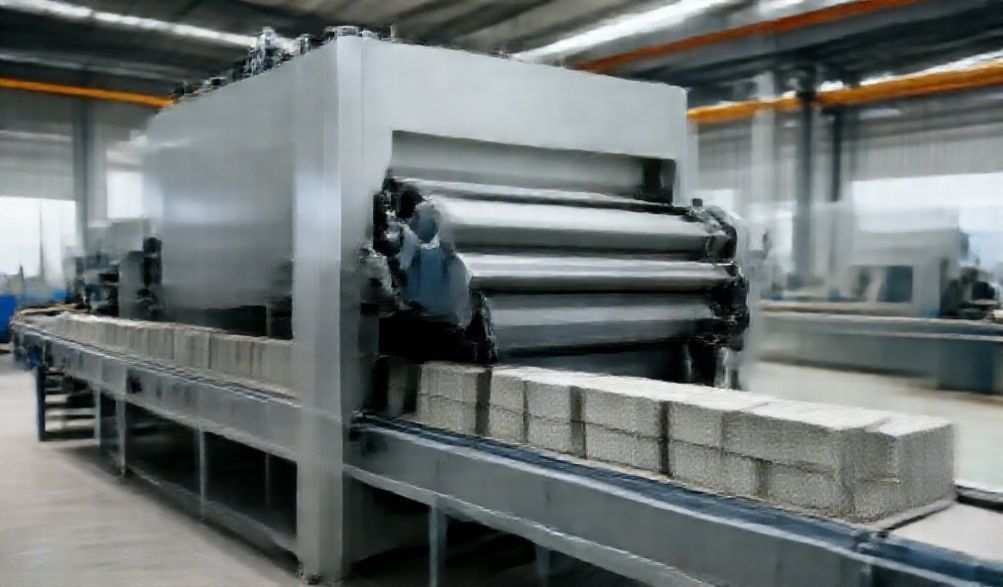
Hagahaaga Ugu Fiican ee Xulashada Adeegsade Aamin ah oo Makinada Sameynta Birta Simento
Hordhac
Dunida dhismaha iyo warshadaha, dib-u-dhaca waa kuwo qaali ah, isla markaana fashilka qalabku waa kuwo halis ah. Waxaad yeelan kartaa qorshaha ganacsiga ee kaamilka ah, suuq diyaar ah, iyo goob macquul ah, laakiin haddii taxanaha soo saarista lebbiskaagu uu ku jiro inuu joojiyo sababtoo ah fashilka mashiinka, ama lebbisyadaadu ay ka fashilaanna inay buuxiyaan heerarka xoogga cadaadis, mashruucaaga oo dhan—iyo faa'iidada—ayaa khatar ku jirta.
Xanuunkan muhiimka ah badanaaba wuxuu ka bilaabmaa go’aan la qaaday muddo dheer ka hor inta aan la dhisin jidhka koowaad: doorashada aadshirkadda alaabta nadiifinta leh ee dhismaha birta.
Wax badan oo iibsadayaal ayaa toddobaadyo badan ku qaata inay is barbar dhigaano tafatiirrada mashiinka—qaabka soo saarka, heerka otomaatiga, isticmaalka korontada—halka ay hal mar ugu fiirsadaan shirkadda ku xigta warqadda faahfaahinta. Tani waa qalad aasaasi ah. Mashinkaadu waa alaab; soo saaruhu waa la taliye. Xiriirkaaga iyaga la joogo ayaa go'aamin doona helitaanka taageerada farsamada, qaybaha asliga ah, tababaraha muhiimka ah, iyo ugu dambayntii, joogtaynta iyo faa'iidada maalmeedka ee warshadaada dheer.
Hagahan waxaa loo dhisay aqoonyahano isku dubbariday oo sanadaha dheer ku soo uruuriyay. Waxay ka sii dhaafaysaa isbarbardhigga aasaasiga ah ee mashiinnada si aad ugu qalabsato qaab dhismeedka xeeladaha loo baahan yahay si aad u qiimeeyso oo u doorato alaab gudbiye ka noqon doona hanti dhab ah oo hawlahaaga u faa'iido u leh. Dhamaadka, waxaad yeelan doontaa liis sax ah oo shuruudo muhiim ah, su'aalo lagama maarmaanka ah oo la weydiiyo, calaamado guduudan oo laga fogaado, iyo kalsooni aad ku dhisayso iskaashi taageera koritaanka mustaqbalka ah ee ganacsiga.
Maxaad Doorato Macaamilkaaga Awoodiisa Ka Badan Tahay Waxaad U Malaynayso
Doorashada alaab-qeybiyaha ma aha hawl ganacsi oo fudud; waa go'aanka ganacsiga ee hufan. Qeybta saxda ah waxay noqonaysaa dheeli-tirka kooxdaada, halka mid khaldana noqon karo ilkaha joogtada ah ee kharash iyo niyad-jab.
Ka Boodda Mashinka: Iibiyaha ee La Iskaashiga Muddo Dheer
Makiinada sameynta birigta sementu waa maalgelin hanti weyn oo leh cimri sanado badan. Waxqabadkeeda intaas oo dhan waxaa si xooggan ugu xidhan taageerada joogtada ah ee ay bixiso alaab-qeybiyaha.
- Adeegy Ka Dib Iibka:Ma caawinayaan inaad kala xalliso dhibaatada hidroolik ee 2 AM? Alaab-bixiyaha aamin ah wuu leeyahay nidaam taageero qaabaysan.
- Qaybaha La Heli Karo:Marka qayb muhiim ah sida qalabka wax lagu sameeyo ama kuwaadka haydiroolik uu fashilo, waqtiga la istaagayo waxaa lagu cabiraa dakhliga la lumay. Adeegsade wanaagsani wuxuu haystaa liiska qaybaha asalka ah ee la heli karo.
- Horumarin TeknikoolejkaMarkaad ganacsigaaga kordhiso ama suuqyadu u badbaado, miyaa awood u leh alaabtaada inay ku taliso kordhinta ama hababka ugu wanaagsan? Qayb la shaqeeya runta ah wuxuu ku caawiyaa inaad kordhiso.
Saamaynta Toos ee ku Habboon ROI-gaaga iyo Tayooyinka Wax-soo-saarka
Adeegaaqaaga ayaa si toos ah u saameeya dakhligaaga ugu hooseeya. Makiinad aan la aamini karin oo ka yimaadda adeegaaqo aan wanaagsanayn waxay keentaa:
- Dhacdooyinka Maashiinada oo Yar.Joojiyo badan waxay ka dhigan tahay in aadan samaynayn bir, laakiin weli waxaad bixinaysaa kharashyada joogtada ah.
- Qalabka Lebiga aan Isku Mid Aheyn.Makiinada aan si fiican loo habayn ama tayo yar leh waxay soo saaraan birqiyado leh cabbirro kala duwan iyo xoog kala duwan oo ku dhisan, taas oo keentay heerarka la diido ee meelaha dhismaha oo sareeya.
- Kharashyada Hawlaha ee Korodhaya:Makiinadaha aan wax ku filanayn waxay u isticmaalaan tamar iyo alaabta cusub oo dheeraad ah, halka qaybaha kale ee been abuur ah ama aan habboonayn ay dhibaato dheeraad ah keenaan.
Adeeg bixiye caan ah ayaa bixiya makiinado loo habeeyay si loo hubiyo adkeysiga iyo iskudarinta, si loo ilaaliyo lacagta aad ku soo celin lahayd laga bilaabo maalinta ugu horeysa.
Khataraha La Dhimay: Ka Fogaanshaha Wakhtiga La'aanta Qiimaha Badan iyo Dhibaatooyinka Sharciga
Khatarta doorashada xumada iibiyaha waxay ka sii dheer tahay cadho.
- Safety Hazards: Machines built with substandard materials or poor welding can pose serious safety risks to your operators.
- Compliance Failures: A supplier unaware of local building codes might provide machines incapable of producing bricks that meet national standards (like ASTM or IS codes), opening you up to liability.
- Financial Loss: Beyond repair costs, project delays due to brick shortages can result in heavy penalties from your clients.
Key Criteria for Evaluating a Cement Brick Making Machine Supplier
Use this framework to systematically assess potential partners. Don’t just take their word for it—demand evidence.
Khibradda Suugaanka la Cadeeyay iyo Xirfadda Teknikooleedka
Longevity and deep technical knowledge are strong indicators of stability and reliability.
- Diiwaanka Taariikhda How many years has the company been operating? A supplier with 15+ years of history has likely navigated various market cycles and technical challenges.
- Awoodda Handaha Are they original equipment manufacturers (OEMs) with in-house R&D and engineering teams, or are they simply resellers? OEMs typically have deeper product knowledge and better customization abilities.
- Market Understanding: Do they have experience with projects in your region? They should understand the characteristics of locally available raw materials (cement, fly ash, aggregate) and relevant construction standards.
Manufacturing and Quality Control Processes
The quality of the manufacturing process dictates the quality of the machine.
- Transparency: A trustworthy supplier is proud of their factory. They should offer virtual or (ideally) in-person facility tours.
- Shahaadada: Look for international quality and safety certifications like ISO 9001iyoCE marking. These are not just stickers; they represent adherence to documented quality management and safety standards.
- Material & Components: Inquire about the grade of steel used in the frame and molds, and the brands of critical components (e.g., hydraulic systems from Bosch Rexroth, PLCs from Siemens). Reputable suppliers use known, durable brands.
Baaxadda Buugaagta iyo Habaynta Gaarka ah
Your needs may evolve. A supplier with a narrow range cannot grow with you.
- Full Spectrum Offering: Can they supply everything from a simple manual egg-laying machine to a fully automatic stationary plant with robotic pallet handling? This indicates broad expertise.
- Customization Willingness: Can they modify a machine to produce a specific brick type you need—like interlocking pavers, hollow blocks for insulation, or specialized landscape bricks? Their ability to adapt is key.
After-Sales Support: The True Test of a Supplier
This is the most critical differentiator between a vendor and a partner.
- Rakibaad & Tababar: Do they provide supervised installation and comprehensive, hands-on training for your operators and maintenance staff? This is non-negotiable for complex automatic plants.
- Warranty Structure: Read the fine print. What is covered (parts, labor)? What is the duration? What are the terms (e.g., must use their certified technicians)?
- Support Network: What is their average response time for technical queries? Do they have local service engineers or a network of authorized dealers, or must all support come from a distant headquarters?
Transparency, Reputation, and Client Testimonials
Trust must be earned and verified.
- Detailed Quotations: Proposals should be itemized, including machine price, spare parts list, shipping costs, duties (if applicable), and installation fees. Beware of suspiciously low “all-in” quotes.
- Verifiable References: Ask for 3-5 client references who have purchased similar equipment. Follow up. Ask those clients about machine performance, brick quality, and support responsiveness.
- Third-Party Validation: Check their profile on B2B platforms like Alibaba, Made-in-China, or industry-specific directories. Look for transaction history and authentic buyer reviews.
Essential Questions to Ask Your Potential Supplier
Come to negotiations prepared. These questions will separate the serious partners from the salespeople.
Questions About the Machine and Production
- “Based on my raw material mix (provide your proportions), what is the dhab ahaan, waarta ugu habboon in bricks per hour for this model, not the theoretical maximum?”
- “Can you provide a detailed technical drawing and a bill of materials for the machine?”
- “What is the expected brick density and compressive strength achievable with this machine using standard materials?”
- “Can you share a recommended annual maintenance schedule and a list of critical spare parts I should stock from day one?”
Questions About Business and Support
- “Can you walk me through your standard warranty document line by line? What are the most common exclusions?”
- “Is operator and maintenance training included? If so, what is the curriculum and duration?”
- “In case of a major breakdown, what is your escalation procedure and guaranteed response time?”
- “Can you facilitate a call or visit with one of your existing clients in a similar business?”
Red Flags: Warning Signs of an Unreliable Supplier
Heed these warnings to avoid costly mistakes.
Communication and Professionalism Red Flags
- Vagueness: Inability or unwillingness to provide clear, technical answers to specific questions.
- Pressure Tactics: “This price is only valid for 24 hours!” Legitimate businesses do not use such high-pressure sales on capital equipment.
- Lack of Documentation: No detailed manuals, technical specifications, or legally clear contracts.
Product and Service Red Flags
- The “Too-Good-To-Be-True” Price: A quote significantly lower than all others almost always indicates inferior materials, copied designs, or hidden costs.
- Ghost Operations: No verifiable physical address, refusal of a factory visit, or a website filled with stock photos and no real project case studies.
- No Client List: An unwillingness to provide any references or client testimonials.
Contract and Logistics Red Flags
- Unclear Payment Terms: Avoid suppliers demanding 100% upfront payment. Standard terms are often 30% deposit, 70% before shipment.
- Ambiguous Incoterms: The contract must clearly state who is responsible for shipping, insurance, and customs clearance (e.g., FOB, CIF, DAP). Misunderstanding here leads to unexpected fees.
- No Pre-Shipment Inspection (PSI): A reputable supplier will agree to an independent PSI where you or a third party can verify the machine’s build and function before it leaves the factory.
Navigating the Global Market: Local vs. International Suppliers
The choice isn’t always clear-cut and depends on your location, budget, and technical needs.
Advantages of a Local/Regional Supplier
- Faster Response Times: For service calls and spare parts delivery.
- Easier Communication: No language barriers or major time zone differences.
- Local Knowledge: Intimate understanding of local building codes, material availability, and business practices.
Advantages of an International/Manufacturer-Direct Supplier
- Qiimo Tartan leh: Often lower factory-gate prices, especially for high-volume orders.
- Access to Technology: May offer the latest advancements in automation, vibration technology, and energy efficiency.
- Takhasuusta Might be a global leader in a specific type of brick making technology.
Finding the Right Balance for Your Business
Consider the Qiimaha Guud ee La Iska Leeyahay (TCO), not just the purchase price. Factor in estimated shipping, import duties, costs of potential downtime, and spare parts logistics. For many, the ideal solution is a hybrid: an international OEM with a strong, authorized local dealer or service partner who can provide local support backed by global expertise.
FAQ: Your Cement Brick Machine Supplier Questions Answered
Q1: What is the typical lead time for receiving a cement brick making machine from an international supplier?
Lead times vary from 30 to 90 days after order confirmation, depending on machine complexity, customization, and the supplier’s production schedule. Always get a written commitment.
Q2: How do I verify the quality claims made by a supplier I found online?
Request a live video call from their factory floor to see machines in production. Ask for certificates of origin for major components (hydraulics, PLCs). Insist on a Pre-Shipment Inspection by a trusted third party.
Q3: What are the most important clauses to include in the purchase contract?
Key clauses cover: Detailed machine specifications, Warranty terms and exclusions, Payment schedule linked to milestones, Delivery Incoterms, Protocol for handling defects, and Agreement for Pre-Shipment Inspection.
Q4: Is it better to buy a fully automatic or a semi-automatic machine from a supplier?
This depends on your labor costs, target output, and budget. A reputable supplier should consult with you on this, not just push the most expensive option. Semi-automatic may be perfect for starting; fully automatic is for high-volume, consistent production.
Q5: What kind of training should a reputable supplier provide?
Training should cover: Safe machine operation, daily maintenance routines, basic troubleshooting, mold changing procedures, and quality control checks for raw materials and finished bricks. It should be hands-on and documented.
Q6: How do I budget for spare parts and maintenance in the first year?
A good supplier will provide a recommended spare parts list. Budget 3-5% of the machine’s purchase price for initial critical spares (like seals, relays, and wear parts for molds). Factor in the cost of routine lubricants and filters.
Gabagabo
Selecting your shirkadda alaabta nadiifinta leh ee dhismaha birta is a strategic decision that will echo through the life of your business. It determines not just the quality of the machine you receive, but the quality of support, the reliability of your production, and the security of your investment.
By using the criteria, questions, and warnings outlined in this guide as your due diligence checklist, you move from a position of hope to one of informed confidence. You are no longer just a buyer; you are a savvy partner seeking a mutually beneficial relationship.
Remember, the time and effort invested in this selection process is your most effective insurance policy against future downtime, quality issues, and financial loss. It is the first and most crucial step in building a profitable, sustainable brick manufacturing operation.
Ready to start conversations with vetted suppliers? Download our free Supplier Evaluation Checklist to ensure you don’t miss a critical step during your negotiation and selection process.
<