
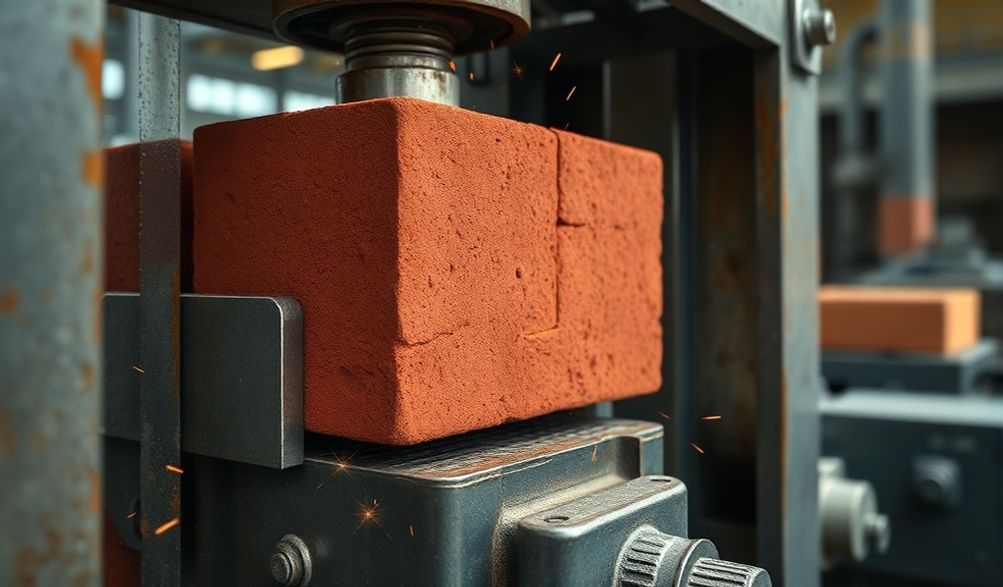
Panduan Utama Mesin Press untuk Pembuatan Batu Bata: Jenis, Penggunaan & Cara Memilih
Batu bata adalah blok bangunan harfiah dari peradaban. Dari perapian kuno hingga gedung pencakar langit modern, kekuatan abadi mereka membentuk tulang punggung dunia kita. Namun di balik setiap batu bata yang konsisten dan tahan lama terdapat teknologi kritis: mesin press pembuat batu bata. Tuntutan konstruksi modern akan efisiensi, kekuatan, dan keseragaman telah membuat mesin ini menjadi sangat penting. Panduan komprehensif ini dirancang sebagai sumber ahli Anda, baik Anda seorang manajer konstruksi, pengusaha manufaktur, atau insinyur. Kami akan mengungkap berbagai jenis mesin press batu bata, aplikasi spesifiknya, dan faktor-faktor penting dalam memilih yang tepat. Di akhir panduan, Anda akan memiliki kerangka kerja yang jelas untuk membuat keputusan yang tepat sesuai dengan tujuan produksi, bahan baku, dan anggaran Anda.
Apa itu Mesin Press Batu Bata? Fungsi Inti dan Perkembangannya
Pada intinya, mesin press bata adalah perangkat yang menggunakan gaya sangat besar untuk memadatkan bahan baku bubuk atau setengah kering menjadi bata padat dengan bentuk yang presisi. Ini merupakan landasan utama produksi bata modern, mengubah material lepas seperti tanah liat, abu terbang, beton, atau tanah stabil menjadi unit konstruksi seragam dan berkekuatan tinggi.
Prinsip Dasar: Dari Kompresi Manual ke Mekanik
Proses dasarnya adalah kompresi. Bahan baku dimasukkan ke dalam cetakan (atau die), dan gaya bertekanan tinggi diterapkan, baik melalui tuas mekanis, kepala bergetar, atau piston hidrolik. Tekanan ini menghilangkan rongga udara, meningkatkan kohesi partikel, dan membentuk massa padat yang mempertahankan bentuknya saat dikeluarkan.
- Konteks Sejarah:Selama berabad-abad, proses ini dilakukan secara manual dan padat karya dengan menggunakan cetakan kayu dan tenaga manusia, sehingga menghasilkan kualitas yang bervariasi dan output yang rendah.
- Evolusi Modern:Mesin-mesin masa kini adalah keajaiban teknik mekanis dan hidrolik. Mereka menerapkan tekanan terkendali dan dapat diulang yang diukur dalam ton atau megaPascal (MPa), memastikan setiap bata memenuhi spesifikasi tepat untuk dimensi dan kekuatan. Evolusi dari pengepresan manual ke mekanis inilah yang memungkinkan skala dan konsistensi yang dibutuhkan untuk infrastruktur kontemporer.
Mengapa Tekanan Penting: Manfaat untuk Kualitas Batu Bata
Penerapan tekanan tinggi yang terkontrol bukan hanya tentang pembentukan; ini tentang merekayasa produk yang unggul. Manfaatnya mendasar bagi integritas struktural:
- Peningkatan Kepadatan & Kekuatan:Kepadatan yang lebih tinggi secara langsung berkaitan dengan kekuatan tekan yang lebih tinggi, sebuah metrik kritis yang diukur dalam MPa. Artinya, dinding penahan beban dapat menopang bobot yang lebih besar.
- Daya Tahan yang Ditingkatkan:Bata padat memiliki penyerapan air yang lebih rendah, sehingga lebih tahan terhadap kerusakan akibat embun beku, cuaca, dan eforesensi.
- Keseragaman Dimensi:Cetakan yang presisi dan tekanan yang konsisten menghasilkan bata dengan toleransi yang ketat. Hal ini menghasilkan dinding yang lebih lurus, sambungan mortar yang lebih tipis, serta pemasangan bata yang lebih cepat dan efisien.
- Peningkatan Kualitas Permukaan:Batu bata yang ditekan sering kali memiliki permukaan yang lebih halus dan tepi yang lebih tajam, yang ideal untuk batu bata pelapis atau batu paving di mana estetika menjadi pertimbangan penting.
- Waktu Pengawetan yang Dikurangi:Untuk bata berbasis semen (seperti beton atau abu terbang), pemadatan awal yang tinggi dapat mengurangi waktu yang dibutuhkan untuk pengembangan kekuatan akhir selama proses perawatan.
Jenis Mesin Cetak Batu Bata: Menemukan yang Tepat
Memilih jenis mesin press yang tepat adalah keputusan paling kritis Anda. Mesin yang sesuai selaras dengan bahan baku, produk yang diinginkan, dan volume produksi.
Hydraulic Press Machines: Power and Precision
Hydraulic brick presses use fluid power to generate immense, smoothly applied force. A hydraulic pump drives a ram that compacts the material in the mold. The pressure is easily adjustable and can be held for a set duration (dwell time), allowing for optimal compression.
- Cara Kerjanya: Hydraulic oil is pressurized by a pump and directed to a cylinder. This cylinder extends a ram that applies direct, linear force to the material in the mold cavity.
- Keunggulan Utama: Unmatched, controllable pressure. This makes them exceptionally versatile for a wide range of material densities and brick strengths.
- LSI Applications: Ideal for producing high-strength bata abu terbang, precision concrete pavers, complex bata interlock, and solid clay bricks.
- Terbaik Untuk: High-volume production plants, manufacturers requiring a diverse product range, and applications where ultimate brick strength is non-negotiable.
Mechanical (Vibration) Press Machines: Speed and Efficiency
Often called block-making machines, these units combine high-frequency vibration with a compaction force. The vibration fluidizes the concrete mix, allowing it to flow evenly into all corners of the mold before a descending head applies final compaction pressure.
- Cara Kerjanya: An eccentric weight creates vibrations transmitted to the mold table. Simultaneously, a mechanical or hydraulic press head descends to compact the material.
- Keunggulan Utama: High production speed and excellent consistency for fluid concrete mixes.
- LSI Applications: Primarily used for producing blok beton berongga, balok padat, and lightweight CLC (Cellular Lightweight Concrete) blocks.
- Terbaik Untuk: Large-scale production of standard concrete blocks and pavers, where output speed is a primary driver.
Manual & Semi-Automatic Presses: For Startups and Special Projects
These are the entry point into brick pressing, requiring more operator involvement but with a significantly lower capital investment.
- Tekan Tuas Manual: Simple, human-powered machines. The operator fills a mold and uses a lever to apply pressure. Output is low but perfect for pembuatan bata skala kecil, DIY projects, or community-led low-cost housing initiatives.
- Small Hydraulic Presses: Often semi-automatic, where the operator places the mold and initiates a hydraulic cycle. They offer a good balance between improved quality/output over manual presses and manageable cost.
- Role: Essential for prototyping, artisanal production, small batches of specialty bricks, or markets with very low labor costs.
Automatic vs. Semi-Automatic Brick Production Lines
This distinction refers to the level of automation in the entire production process, not just the pressing action.
- Garis Semi-Otomatis: The core pressing cycle is automated, but tasks like raw material feeding, mold changing, or brick stacking may require operator intervention. They offer a middle ground in terms of cost, output, and flexibility.
- Lini Otomatis Penuh: Integrated systems where everything—from raw material conveying and mixing, to pressing, curing, stacking, and palletizing—is automated via PLC controls. They maximize output (bricks per hour) and minimize labor but require a major capital investment.
- The Trade-off: It’s a calculation of capital expenditure versus long-term operational (labor) costs and target output volume.
Critical Factors for Choosing a Brick Press Machine
Beyond the machine type, drill down into these specific criteria to find your perfect match.
Production Capacity & Output Targets
Your business plan should dictate the machine’s speed.
* Calculate BPMH: Determine your required Bricks Per Machine Hour. Consider your shift patterns and market demand.
* Pahami Waktu Siklus: This is the total time for one complete pressing cycle (fill, press, eject). A machine with a 15-second cycle time is fundamentally different from one with a 45-second cycle time.
* Match to Goals: A startup might prioritize a lower-cost, slower semi-automatic press, while a supplier for a large development needs a high-speed automatic line.
Kesesuaian Bahan Baku
Not all presses work with all materials. This is a non-negotiable specification.
* Clay Brick Making: Requires a press capable of handling semi-dry or stiff-mud clay with significant abrasive wear resistance.
* Cement Brick Machine: Designed for no-slump concrete mixes, often paired with vibration.
* Fly Ash Brick Press: Must handle the specific mix of fly ash, sand, and lime/cement, often requiring high static pressure from a hydraulic system.
* Stabilisasi Tanah For compressed earth blocks (CEBs), the press must compact soil mixed with a small stabilizer (like cement or lime).
Brick Type, Size, and Shape Specifications
Your product catalog is defined by your machine’s mold capabilities.
* Versatilitas Cetakan: Can the machine easily switch between molds for different products (e.g., from solid bricks to pavers)?
* Kustomisasi: Will the manufacturer create custom molds for unique, proprietary shapes or sizes?
* Standard Offerings: Ensure the machine can produce the standard sizes relevant to your market (e.g., modular, queen, or engineer-sized bricks).
Power Source and Operational Costs
Consider your facility’s infrastructure and long-term running expenses.
* Electric vs. Diesel: Electric motors are cleaner and quieter for indoor factories with stable grid power. Diesel engines provide mobility and are crucial for off-grid or remote site production.
* Konsumsi Energi: Analyze the kW or horsepower rating. A more efficient machine has a lower cost-per-brick over its lifetime.
* Total ROI: Factor in not just the purchase price, but estimated energy, maintenance, and labor costs over 5-10 years.
Space Requirements and After-Sales Support
- Tata Letak Pabrik Account for the machine’s footprint, plus space for raw material storage, mixing, brick stacking, curing, and movement.
- The Trustworthiness Factor: Your relationship with the supplier is critical. Investigate:
- Supplier Reputation: How long have they been in business? Can they provide references?
- Garansi: What is covered and for how long?
- Suku Cadang: Is there a local depot or guaranteed supply chain for critical wear parts like hydraulic seals, molds, and vibration motors?
- Dukungan Teknis: Do they offer installation, training, and troubleshooting support?
Operational Best Practices and Maintenance
A machine is only as good as its operation and upkeep.
Safe Operation Procedures for Brick Presses
Safety must be the absolute priority.
* Pelatihan Operator: No one should operate the machine without thorough training on its controls and hazards.
* Lockout-Tagout (LOTO): Strict procedures must be in place for any maintenance or clearing of jams to prevent accidental activation.
* Perlengkapan Pelindung Diri (APD): Safety glasses, hearing protection (for vibration presses), and steel-toed boots are mandatory.
* Guarding: Ensure all moving parts, especially pinch points and the compression area, are properly guarded.
Routine Maintenance Checklist
Preventive maintenance prevents costly downtime.
* Harian: Check hydraulic oil levels, inspect for leaks, clean the mold and press head, ensure safety devices are functional.
* Mingguan: Lubricate all moving parts per the manual, check belt tensions, inspect electrical connections.
* Bulanan: Change hydraulic filters, check and tighten all bolts and fittings, perform a detailed inspection of the mold for wear or damage.
* Annually: Consider a full system check by a qualified technician, including hydraulic fluid analysis.
Pemecahan Masalah Umum
- Low Brick Density/Strength: Often caused by insufficient pressure, incorrect raw material mix (too dry or poor grading), or a worn mold allowing material escape.
- Bricks Sticking in Mold: Can be due to a worn or damaged mold, insufficient release agent (if used), or overly wet material.
- Hydraulic Leaks: Inspect seals, hoses, and fittings. Address immediately to prevent system contamination and pressure loss.
- Uneven Compression: This may indicate an unlevel machine, a worn or misaligned press head, or uneven material feeding into the mold.
Pertanyaan yang Sering Diajukan (FAQ)
Q1: What is the average cost of a brick press machine?
A: Costs vary dramatically. A small manual press can be a few thousand dollars. A robust semi-automatic hydraulic press may range from $15,000 to $50,000. High-capacity, fully automatic production lines can cost from $100,000 to over $500,000. Key cost factors are the type (hydraulic/mechanical), level of automation, production capacity, and the manufacturer’s brand and location.
Q2: Can one machine produce different types of bricks?
A: Yes, in most cases. This is achieved by changing the mold or die. The critical factor is the machine’s mold-changing system—how quick and easy it is. When evaluating a press, inquire about mold compatibility, changeover time, and the cost of additional molds.
Q3: What is the difference between a brick press and a brick extruder?
A: They use different forming principles. An extruder forces a plastic, wet clay mix through a shaped die to create a continuous column, which is then cut into bricks. A press compacts a drier mix into a discrete mold in a single, high-pressure stroke. Presses generally offer higher dimensional accuracy for products like pavers and are better suited for non-plastic materials like fly ash or concrete.
Q4: How important is the brick curing process after pressing?
A: It is absolutely critical. The press gives the brick its shape and initial green strength, but final structural strength is developed during curing. For cement-based bricks, this typically involves controlled moisture and temperature (often steam curing) for a set period. Proper curing is as vital as proper pressing for achieving the advertised MPa strength.
Q5: What are the key certifications or standards to look for in a machine?
A: Look for international certifications that indicate adherence to safety and quality manufacturing standards. Common ones include:
* Sertifikasi CE:Menunjukkan kesesuaian dengan standar kesehatan, keselamatan, dan perlindungan lingkungan untuk produk yang dijual di dalam Kawasan Ekonomi Eropa.
* Sertifikasi ISO: (e.g., ISO 9001 for quality management systems) shows the manufacturer follows standardized production processes.
* Local/National Standards: Depending on your country, there may be specific industrial equipment standards. Always request the machine’s compliance documentation.
Kesimpulan
Memilih yang tepatpress machine for brick production is a strategic investment that impacts your product quality, operational efficiency, and business profitability. The journey begins with a clear understanding of your raw materials, desired brick specifications, and production targets. From the immense, controllable force of a hydraulic press to the rapid efficiency of a vibration machine, the correct choice hinges on aligning technology with purpose.
As a final piece of expert guidance, we urge you to go beyond brochures. Conduct thorough due diligence: request to test your specific raw material mix on a supplier’s machine, ask for detailed performance data, and if possible, visit an existing plant to see the equipment in operation. The future of brick pressing points towards greater automation, energy efficiency, and versatility in using sustainable, recycled materials.
Siap untuk melangkah lebih jauh? Consult with reputable manufacturers, request detailed specification sheets tailored to your project, and leverage expert advice to make a confident investment in your brick-making future.
<