
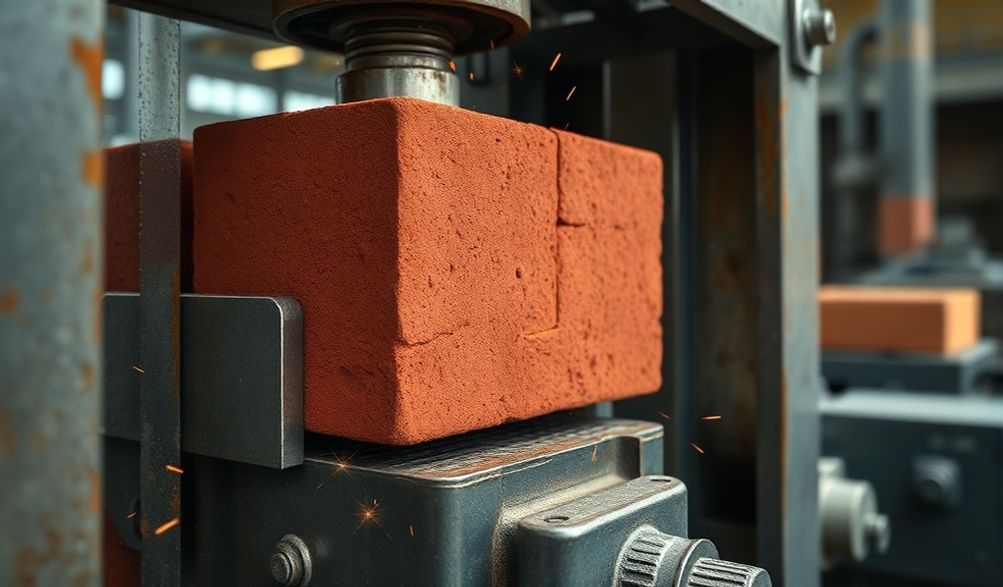
O Guia Definitivo para Máquinas de Prensagem para Fabricação de Tijolos: Tipos, Usos e Como Escolher
Os tijolos são os verdadeiros blocos de construção da civilização. Desde lareiras antigas até arranha-céus modernos, sua resistência duradoura forma a espinha dorsal do nosso mundo. Mas por trás de cada tijolo consistente e durável está uma peça crítica de tecnologia: a prensa para fabricação de tijolos. A demanda da construção moderna por eficiência, resistência e uniformidade tornou essa máquina indispensável. Este guia abrangente foi projetado para ser seu recurso especializado, seja você um gerente de construção, um empreendedor da manufatura ou um engenheiro. Vamos desmistificar os diferentes tipos de prensas para tijolos, suas aplicações específicas e os fatores cruciais para selecionar a correta. Ao final, você terá uma estrutura clara para tomar uma decisão informada que esteja alinhada com seus objetivos de produção, matérias-primas e orçamento.
O que é uma Máquina de Prensar Tijolos? Função Principal e Evolução
Em sua essência, uma prensa de tijolos é um dispositivo que utiliza força imensa para compactar matéria-prima em pó ou semisseca em um tijolo denso e com formato preciso. É a pedra angular da fabricação moderna de tijolos, transformando materiais soltos como argila, cinza volante, concreto ou solo estabilizado em unidades de construção uniformes e de alta resistência.
O Princípio Básico: Da Compressão Manual à Mecânica
O processo fundamental é a compressão. A matéria-prima é alimentada em um molde (ou matriz), e uma força de alta pressão é aplicada, seja através de uma alavanca mecânica, uma cabeça vibratória ou um pistão hidráulico. Essa pressão elimina os vazios de ar, aumenta a coesão das partículas e forma uma massa sólida que mantém sua forma quando ejetada.
- Contexto Histórico:Por séculos, este foi um processo manual e intensivo em mão de obra, que utilizava moldes de madeira e força humana, resultando em qualidade variável e baixa produção.
- Evolução Moderna:As máquinas atuais são maravilhas da engenharia mecânica e hidráulica. Elas aplicam pressão controlada e repetível, medida em toneladas ou megapascals (MPa), garantindo que cada tijolo atenda às especificações exatas de dimensão e resistência. Essa evolução da prensagem manual para a mecanizada é o que possibilita a escala e a consistência necessárias para a infraestrutura contemporânea.
Por que a Pressão é Fundamental: Benefícios para a Qualidade do Tijolo
A aplicação de alta pressão controlada não se trata apenas de moldar; trata-se de projetar um produto superior. Os benefícios são fundamentais para a integridade estrutural:
- Aumento da Densidade e Resistência:Maior compactação se traduz diretamente em maior resistência à compressão, uma métrica crítica medida em MPa. Isso significa que as paredes de carga podem suportar mais peso.
- Durabilidade Aprimorada:Tijolos densos têm menor absorção de água, tornando-os mais resistentes a danos por geada, intempéries e eflorescência.
- Uniformidade Dimensional:Moldes de precisão e pressão consistente produzem tijolos com tolerâncias apertadas. Isso resulta em paredes mais retas, juntas de argamassa mais finas e uma alvenaria mais rápida e eficiente.
- Acabamento Superficial Aprimorado:Tijolos prensados geralmente têm faces mais lisas e bordas mais afiadas, o que é ideal para tijolos de revestimento ou pavimentação, onde a estética é importante.
- Tempo de Cura Reduzido:Para tijolos à base de cimento (como concreto ou cinzas volantes), uma compactação inicial elevada pode reduzir o tempo necessário para o desenvolvimento da resistência final durante a cura.
Tipos de Máquinas de Prensar Tijolos: Encontrando o Modelo Ideal
Escolher o tipo de prensa correto é sua decisão mais crítica. A máquina certa se alinha com sua matéria-prima, produto desejado e volume de produção.
Hydraulic Press Machines: Power and Precision
Hydraulic brick presses use fluid power to generate immense, smoothly applied force. A hydraulic pump drives a ram that compacts the material in the mold. The pressure is easily adjustable and can be held for a set duration (dwell time), allowing for optimal compression.
- Como Funcionam: Hydraulic oil is pressurized by a pump and directed to a cylinder. This cylinder extends a ram that applies direct, linear force to the material in the mold cavity.
- Vantagem Principal: Unmatched, controllable pressure. This makes them exceptionally versatile for a wide range of material densities and brick strengths.
- LSI Applications: Ideal for producing high-strength tijolos de cinzas volantes, precision concrete pavers, complex tijolos de encaixe, and solid clay bricks.
- Melhor Para: High-volume production plants, manufacturers requiring a diverse product range, and applications where ultimate brick strength is non-negotiable.
Mechanical (Vibration) Press Machines: Speed and Efficiency
Often called block-making machines, these units combine high-frequency vibration with a compaction force. The vibration fluidizes the concrete mix, allowing it to flow evenly into all corners of the mold before a descending head applies final compaction pressure.
- Como Funcionam: An eccentric weight creates vibrations transmitted to the mold table. Simultaneously, a mechanical or hydraulic press head descends to compact the material.
- Vantagem Principal: High production speed and excellent consistency for fluid concrete mixes.
- LSI Applications: Primarily used for producing blocos vazados, blocos sólidos, and lightweight CLC (Cellular Lightweight Concrete) blocks.
- Melhor Para: Large-scale production of standard concrete blocks and pavers, where output speed is a primary driver.
Manual & Semi-Automatic Presses: For Startups and Special Projects
These are the entry point into brick pressing, requiring more operator involvement but with a significantly lower capital investment.
- Pressiones de Alavanca Manual Simple, human-powered machines. The operator fills a mold and uses a lever to apply pressure. Output is low but perfect for small-scale brick making, DIY projects, or community-led low-cost housing initiatives.
- Small Hydraulic Presses: Often semi-automatic, where the operator places the mold and initiates a hydraulic cycle. They offer a good balance between improved quality/output over manual presses and manageable cost.
- Role: Essential for prototyping, artisanal production, small batches of specialty bricks, or markets with very low labor costs.
Automatic vs. Semi-Automatic Brick Production Lines
This distinction refers to the level of automation in the entire production process, not just the pressing action.
- Linhas Semi-Automáticas: The core pressing cycle is automated, but tasks like raw material feeding, mold changing, or brick stacking may require operator intervention. They offer a middle ground in terms of cost, output, and flexibility.
- Linhas Totalmente Automáticas: Integrated systems where everything—from raw material conveying and mixing, to pressing, curing, stacking, and palletizing—is automated via PLC controls. They maximize output (bricks per hour) and minimize labor but require a major capital investment.
- The Trade-off: It’s a calculation of capital expenditure versus long-term operational (labor) costs and target output volume.
Critical Factors for Choosing a Brick Press Machine
Beyond the machine type, drill down into these specific criteria to find your perfect match.
Production Capacity & Output Targets
Your business plan should dictate the machine’s speed.
* Calculate BPMH: Determine your required Bricks Per Machine Hour. Consider your shift patterns and market demand.
* Entenda o Tempo de Ciclo: This is the total time for one complete pressing cycle (fill, press, eject). A machine with a 15-second cycle time is fundamentally different from one with a 45-second cycle time.
* Match to Goals: A startup might prioritize a lower-cost, slower semi-automatic press, while a supplier for a large development needs a high-speed automatic line.
Compatibilidade de Matérias-Primas
Not all presses work with all materials. This is a non-negotiable specification.
* Clay Brick Making: Requires a press capable of handling semi-dry or stiff-mud clay with significant abrasive wear resistance.
* Cement Brick Machine: Designed for no-slump concrete mixes, often paired with vibration.
* Fly Ash Brick Press: Must handle the specific mix of fly ash, sand, and lime/cement, often requiring high static pressure from a hydraulic system.
* Soil Stabilization: For compressed earth blocks (CEBs), the press must compact soil mixed with a small stabilizer (like cement or lime).
Brick Type, Size, and Shape Specifications
Your product catalog is defined by your machine’s mold capabilities.
* Versatilidade do Molde: Can the machine easily switch between molds for different products (e.g., from solid bricks to pavers)?
* Personalização: Will the manufacturer create custom molds for unique, proprietary shapes or sizes?
* Standard Offerings: Ensure the machine can produce the standard sizes relevant to your market (e.g., modular, queen, or engineer-sized bricks).
Fonte de Energia e Custos Operacionais
Consider your facility’s infrastructure and long-term running expenses.
* Electric vs. Diesel: Electric motors are cleaner and quieter for indoor factories with stable grid power. Diesel engines provide mobility and are crucial for off-grid or remote site production.
* Consumo de Energia Analyze the kW or horsepower rating. A more efficient machine has a lower cost-per-brick over its lifetime.
* Total ROI: Factor in not just the purchase price, but estimated energy, maintenance, and labor costs over 5-10 years.
Space Requirements and After-Sales Support
- Factory Layout: Account for the machine’s footprint, plus space for raw material storage, mixing, brick stacking, curing, and movement.
- The Trustworthiness Factor: Your relationship with the supplier is critical. Investigate:
- Supplier Reputation: How long have they been in business? Can they provide references?
- Garantia: What is covered and for how long?
- Peças de Reposição: Is there a local depot or guaranteed supply chain for critical wear parts like hydraulic seals, molds, and vibration motors?
- Suporte Técnico: Do they offer installation, training, and troubleshooting support?
Operational Best Practices and Maintenance
A machine is only as good as its operation and upkeep.
Safe Operation Procedures for Brick Presses
Safety must be the absolute priority.
* Treinamento de Operadores: No one should operate the machine without thorough training on its controls and hazards.
* Lockout-Tagout (LOTO): Strict procedures must be in place for any maintenance or clearing of jams to prevent accidental activation.
* Equipamento de Proteção Individual (EPI): Safety glasses, hearing protection (for vibration presses), and steel-toed boots are mandatory.
* Guarding: Ensure all moving parts, especially pinch points and the compression area, are properly guarded.
Routine Maintenance Checklist
Preventive maintenance prevents costly downtime.
* Diário: Check hydraulic oil levels, inspect for leaks, clean the mold and press head, ensure safety devices are functional.
* Semanal: Lubricate all moving parts per the manual, check belt tensions, inspect electrical connections.
* Mensalmente: Change hydraulic filters, check and tighten all bolts and fittings, perform a detailed inspection of the mold for wear or damage.
* Annually: Consider a full system check by a qualified technician, including hydraulic fluid analysis.
Solução de Problemas Comuns
- Low Brick Density/Strength: Often caused by insufficient pressure, incorrect raw material mix (too dry or poor grading), or a worn mold allowing material escape.
- Bricks Sticking in Mold: Can be due to a worn or damaged mold, insufficient release agent (if used), or overly wet material.
- Hydraulic Leaks: Inspect seals, hoses, and fittings. Address immediately to prevent system contamination and pressure loss.
- Uneven Compression: This may indicate an unlevel machine, a worn or misaligned press head, or uneven material feeding into the mold.
Perguntas Frequentes (FAQ)
Q1: What is the average cost of a brick press machine?
A: Costs vary dramatically. A small manual press can be a few thousand dollars. A robust semi-automatic hydraulic press may range from $15,000 to $50,000. High-capacity, fully automatic production lines can cost from $100,000 to over $500,000. Key cost factors are the type (hydraulic/mechanical), level of automation, production capacity, and the manufacturer’s brand and location.
Q2: Can one machine produce different types of bricks?
A: Yes, in most cases. This is achieved by changing the mold or die. The critical factor is the machine’s mold-changing system—how quick and easy it is. When evaluating a press, inquire about mold compatibility, changeover time, and the cost of additional molds.
Q3: What is the difference between a brick press and a brick extruder?
A: They use different forming principles. An extruder forces a plastic, wet clay mix through a shaped die to create a continuous column, which is then cut into bricks. A press compacts a drier mix into a discrete mold in a single, high-pressure stroke. Presses generally offer higher dimensional accuracy for products like pavers and are better suited for non-plastic materials like fly ash or concrete.
Q4: How important is the brick curing process after pressing?
A: It is absolutely critical. The press gives the brick its shape and initial green strength, but final structural strength is developed during curing. For cement-based bricks, this typically involves controlled moisture and temperature (often steam curing) for a set period. Proper curing is as vital as proper pressing for achieving the advertised MPa strength.
Q5: What are the key certifications or standards to look for in a machine?
A: Look for international certifications that indicate adherence to safety and quality manufacturing standards. Common ones include:
* Marcação CE:Indica conformidade com os padrões de saúde, segurança e proteção ambiental para produtos vendidos na Área Econômica Europeia.
* Certificação ISO: (e.g., ISO 9001 for quality management systems) shows the manufacturer follows standardized production processes.
* Local/National Standards: Depending on your country, there may be specific industrial equipment standards. Always request the machine’s compliance documentation.
Conclusão
Escolhendo o certopress machine for brick production is a strategic investment that impacts your product quality, operational efficiency, and business profitability. The journey begins with a clear understanding of your raw materials, desired brick specifications, and production targets. From the immense, controllable force of a hydraulic press to the rapid efficiency of a vibration machine, the correct choice hinges on aligning technology with purpose.
As a final piece of expert guidance, we urge you to go beyond brochures. Conduct thorough due diligence: request to test your specific raw material mix on a supplier’s machine, ask for detailed performance data, and if possible, visit an existing plant to see the equipment in operation. The future of brick pressing points towards greater automation, energy efficiency, and versatility in using sustainable, recycled materials.
Pronto para dar o próximo passo? Consult with reputable manufacturers, request detailed specification sheets tailored to your project, and leverage expert advice to make a confident investment in your brick-making future.
<