
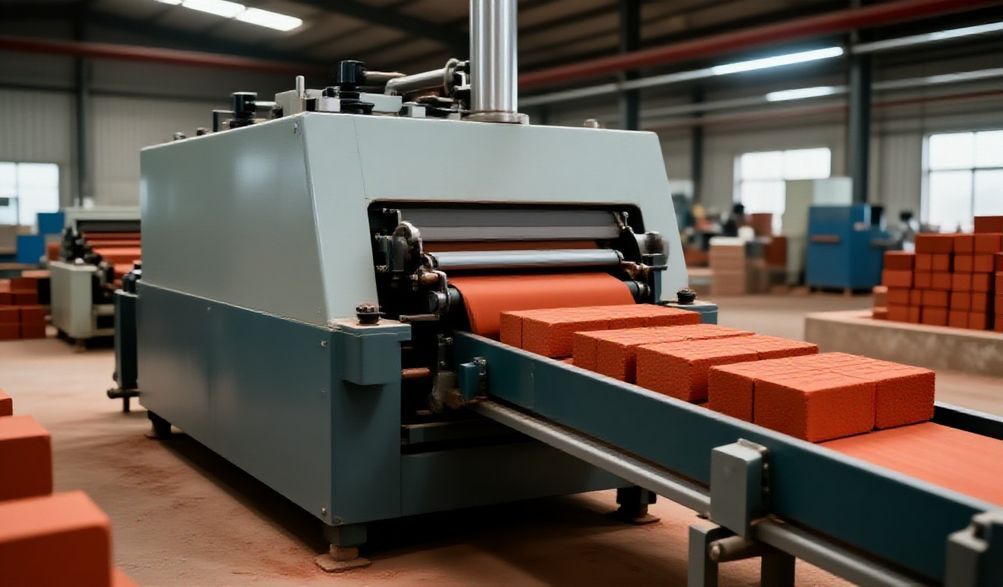
Пенджабтағы саз кірпіш жасау машиналары туралы жетілдірілген нұсқаулық | FUDA Зауытына назар аудару
Кіріспе
Пенджабтың сәулет келбеті дамудың айғағы болып табылады. Лудхиана мен Амритсардағы жанданған қалалық орталықтардан бастап, кеңейіп келе жатқан қалашықтарға дейін құрылыс саласы гүлденуде. Бұл прогрестің негізінде қарапайым, бірақ өте маңызды компонент жатыр: саздан жасалған кірпіш. Ұрпақтан-ұрпаққа Пенджаб құрылыстарының беріктігі мен сенімділігі жергілікті өндірілген кірпіштерге негізделген. Дегенмен, бұл сала даму жолын таңдау кезеңінде тұр. Еңбекті қарқынды талап ететін және пеш жағдайларының өзгергіштігіне байланысты дәстүрлі қолөнер әдістері ауқымдылық, біркелкілік және заманауи сапа стандарттарына қойылатын талаптарды қанағаттандыруда қиындықтарға тап болуда.
Бұл олқылық өндірушілер мен кәсіпкерлер үшін анық бір шақыруды көрсетеді: сапалы саман кірпіштерді қалай тиімді, үнемді және бәсекеге қабілетті жылдамдықта шығаруға болады? Жауап ландшафтты түбегейлі өзгертуде – автоматтандырылған саман кірпіш жасау машиналары. Бұл нұсқаулық осы заманауи шешімді тереңірек қарастырады, ерекше назарды отандық көшбасшыға –ФУДА Кірпіш Өндіру Зауыты.
Біз ФУДА-ның Пенджабтың бай саман кірпіш мұрасын заманауи өндірістік технологиямен қалай біріктіретінін зерттейміз. Бұл нұсқаулық саладағы шеберлік пен жергілікті нарықты терең түсінуге негізделген, сондықтан ол әрбір адам үшін сенімді ақпарат көзі болып табылады.Пенджабта құмыра кірпіш жасау машинасыКірпіштен кірпішке, берік және тиімді болашақ құрайық.
Саман кірпіш жасау машиналарын түсіну: Түрлері мен технологиялары
Қол еңбектен автоматтандыруға көшу жай ғана жаңарту емес; бұл түбегейлі өзгеріс. Бұл дәлдікпен сәйкессіздікті алмастыру және сенімді технология арқылы әлеуетті кеңейту туралы.
Автоматтандырылған машиналар Пенджабтағы дәстүрлі кірпіш пештерін қалай төңкеріп жатыр
Дәстүрлі кірпіш пеші, өзінің бейнесімен танымал болса да, көптеген қиындықтарға тап болады:
* Еңбек сыйымдылығы:Үлкен, білікті жұмыс күшіне қалыптау, тасымалдау және жинау үшін өте тәуелді.
* Сапаның тұрақсыздығы:Қолдан жасау кірпіш өлшемінің, тығыздығының және беріктігінің әртүрлі болуына әкеледі. Кламптарда немесе Bull’s Trench пештерінде (BTK) күйдіру жиі біркелкі емес қыздыруға алып келеді.
* Баяу өндіріс:Процесс циклді және ауа-райына байланысты, әсіресе кептіру кезеңі.
* Жоғары шығындар:Қолмен өңдеу және біркелкі емес күйдіру салдарынан сыну деңгейі айтарлықтай жоғары.
Автоматтандырылған машиналар бұл мәселелерді тікелей шешеді. Олар біркелкі араластыруды, дәл жоғары қысымды тығыздауды және маусымдық жұмыс күші тапшылығына тәуелсіз, тұрақты өнімді тәулік бойы қамтамасыз етеді. Нәтижесінде қысымға төзімділік пен өлшемдік дәлдік бойынша қазіргі құрылыс стандарттарына сәйкес келетін өнім алынады.
Кірпіш жасау машиналарының негізгі түрлері
Барлық машиналар бірдей жасалмаған. Дұрыс таңдау сіздің ауқымыңызға, инвестицияңызға және автоматтандыру мақсаттарыңызға байланысты.
- Ұшқан күл кірпіш жасау машиналары:Біздің назарымыз сазға аударылғанымен, айырмашылықты ажырату маңызды. Бұл машиналар ұшқын күлін (жылу электр станциясының қалдығы), цемент пен құмды пайдаланады. Олар экологиялық таза құрылыс үшін өте жақсы, бірақ таза сазды машиналардан өзгеше шикізат принципімен жұмыс істейді.
- Толық автоматтандырылған саз кірпіш зауыттары:Тиімділіктің шыңы. Бұл материалдарды автоматты түрде беру, араластыру, тасымалдау, престеу және жинақтау функциялары бар толық өндірістік желілер. Ауысымына 10 000+ кірпіш өндіруді және қол еңбегін азайтуды мақсат ететін ірі өндірушілер үшін таптырмас нұсқа.
- Жартылай автоматты кірпіш машиналары:Пенджаб бизнесінің көпшілігі үшін ең тиімді нүкте. Олар маңызды престеу және шығару процестерін механикаландырады, бірақ қоспаны қолмен беруді немесе шикі кірпіштерді өңдеуді талап етуі мүмкін. Бастапқы шығындар мен өнімділіктің айтарлықтай артуын теңестіретін орташа масштабты операциялар үшін өте қолайлы.
- Қолмен басылатын престер:Бұл қолмен қалыптау қысымын арттыратын механикалық престер («Midget» немесе «Aswani» сияқты танымал түрлері). Инвестициялар минималды болуы керек өте шағын көлемді, ауылдық жерлердегі немесе арнайы кірпіш өндірісіне жарамды.
Негізгі құрамдас бөліктер және олардың жұмыс істеу принципі
Understanding the machine’s anatomy demystifies the process. A standard automatic clay brick machine integrates several key components:
- Тәуекелдегіш және араластырғыш: Receives and homogeneously blends clay with optimal water content, creating a pliable, consistent mix.
- Конвейер жүйесі: Transports the prepared clay mix to the pressing chamber without manual lifting.
- Hydraulic Press & Mold (Die): The heart of the machine. A high-pressure hydraulic ram compacts the clay into a precision-engineered steel mold. This pressure is what determines the final brick’s density and strength.
- Құтылу жүйесі: Automatically pushes the formed “green brick” out of the mold onto a pallet or conveyor for collection.
- PLC Басқару Панелі: The brain. This computerized system allows operators to set parameters like pressure, cycle time, and brick count, ensuring repeatable, error-free production.
Why Choose a Clay Brick Making Machine from Punjab’s FUDA Factory?
In a market filled with options, choosing a partner is as crucial as choosing a machine. Here’s why FUDA Brick Making Factory stands out as a leader in Punjab.
FUDA’s Legacy in Punjabi Manufacturing
FUDA isn’t just a seller; it’s a manufacturer rooted in the soil of Punjab. With years of dedicated operation, the company has built its билік by specializing exclusively in brick and block making machinery. This deep-seated experience means FUDA understands not just engineering, but the very fabric of Punjab’s industrial needs—from the characteristics of local alluvial clay to the power infrastructure and business aspirations of local entrepreneurs.
Engineering Expertise and Machine Durability
Біліктілік is engineered into every machine. FUDA invests in in-house research and development to adapt to evolving market demands. Their machines are built for the rigors of continuous industrial operation, featuring:
* Robust, heavy-duty frames to withstand constant vibration.
* High-grade hydraulic components from reputable brands for reliable pressure.
* Hardened steel molds that resist wear, ensuring brick dimensional accuracy for thousands of cycles.
This focus on durability translates to lower long-term maintenance costs and higher uptime for your business.
Customization for Punjab’s Clay and Market
ФУДА-ныңтәжірибе shines in its ability to customize. Clay from Malwa is different from clay from Doaba. FUDA technicians can calibrate machine settings—like moisture content and compression ratio—for your specific local clay. Furthermore, they offer customization for:
* Brick Size: Standard (9″x4.5″x3″), modular, jumbo, or any custom size required by architects.
* Кірпіш түрі: Solid, hollow (for reduced weight and improved insulation), or even patterned facing bricks.
* Шығу қабілеті: From small semi-automatic setups to large fully automatic plants.
After-Sales Support: Training, Spares, and Service
A machine is only as good as the support behind it. FUDA establishes сенімділік through a comprehensive after-sales ecosystem:
* On-Site Installation & Commissioning: Expert engineers set up your plant for optimal operation.
* Hands-On Operator Training: They don’t just deliver a machine; they transfer knowledge on operation, daily maintenance, and safety.
* Local Spares Inventory: A dedicated inventory of critical spare parts within Punjab ensures you are not waiting for shipments from distant states, minimizing costly downtime.
* Responsive Service Network: A team of service technicians is on call to provide prompt support, ensuring your business keeps running smoothly.
Key Features to Look for in a Quality Clay Brick Machine
Whether you’re evaluating FUDA or other brands, these are the non-negotiable features that define a quality investment.
Өндірістік қуат (сағатына кірпіш саны)
This is your starting point. Align capacity with your business plan:
* Small Scale: 1,000 – 2,500 bricks per hour (often semi-automatic).
* Medium Scale: 2,500 – 6,000 bricks per hour (semi or fully automatic).
* Large Scale Plant: 6,000 – 15,000+ bricks per hour (fully automatic lines).
Hydraulic System Pressure and Brick Density
This is the technical core of quality. Higher hydraulic pressure (measured in tons or PSI) compacts the clay particles more tightly.
* Result: Bricks with higher compressive strength (exceeding 70-100 kg/cm² easily), lower water absorption, and better frost resistance. Always ask for the machine’s maximum pressure and the tested strength of the bricks it produces.
Automation Level and Control Panel
The control system dictates ease of use and consistency.
* Look for PLC (Programmable Logic Controller) systems with touchscreen interfaces. These allow for precise setting of production parameters, store recipes for different brick types, and provide fault diagnostics, drastically reducing operator error and training time.
Power Requirement and Energy Efficiency
Consider your local industrial power situation in Punjab.
* Электр қозғалтқыштар: Cleaner, quieter, and more efficient for areas with stable grid power.
* Diesel Engine Options: Crucial for locations with frequent power cuts, ensuring uninterrupted production. Evaluate the machine’s specific power consumption (HP/KW) per thousand bricks for long-term cost efficiency.
Mold Quality and Interchangeability
The mold defines the brick. Insist on:
* Precision-Engineered Molds: Made from hardened, wear-resistant steel (e.g., EN-31) for a long lifespan and sharp brick edges.
* Easy Interchangeability: A design that allows one operator to change molds within minutes to switch between brick types, maximizing plant flexibility.
The Business Case: ROI and Setting Up Your Plant in Punjab
Investing in a brick making machine is a strategic business decision. Let’s break down the practicalities.
Investment Breakdown and Government Schemes
Your initial investment goes beyond the machine price:
* Machinery Cost: The core machine (semi or fully automatic).
* Civil Work: A covered shed for the production line, raw material storage bays, and drying areas.
* Land: Adequate space for the plant, drying yards, and stockpiling.
* Ancillaries: A tractor/pug mill for clay mixing, trolleys, and pallets.
* Кеңес: Explore potential support from Punjab’s MSME or industrial policies, which may offer subsidies on machinery, interest subventions on loans, or favorable land allotments in industrial clusters.
Calculating Your Return on Investment (ROI)
A simplified model illustrates the potential. Let’s compare a semi-automatic machine with manual production.
| Factor | Manual Production (Per 10,000 Bricks) | Semi-Auto Machine (Per 10,000 Bricks) |
| :— | :— | :— |
| Жұмыс күші қажет | 25-30 persons | 8-12 persons |
| Production Time | 2-3 days | 4-6 hours |
| Key Cost Savings | Very high, recurring labor cost | Drastically reduced labor cost |
| Quality Premium | Sells at standard market rate | Can command a 10-15% premium for consistent, high-strength bricks |
| Wastage | High (15-20%) | Low (5-7%) |
ROI Calculation: The significant savings in labor, time, and wastage, combined with the ability to produce and sell more high-quality bricks daily, typically allows the machine to pay for itself within 12 to 24 months, depending on scale and market rates.
Ideal Plant Layout and Space Requirements
Efficiency is also about layout. A well-planned plant (approx. 1-2 acres for medium scale) should have a logical flow:
1. Raw Material Yard: Where clay is weathered and stored.
2. Production Shed: Houses the machine, mixer, and conveyor.
3. Green Brick Drying Area: A covered, ventilated space for initial drying before firing.
4. Kiln Area: For setting up a Hoffman Kiln, Tunnel Kiln, or using a clamp.
5. Finished Goods Storage: For cooled, fired bricks before dispatch.
Sourcing Raw Materials: Clay in Punjab
Punjab is endowed with good alluvial clay. Expert insight for sourcing:
* Test the Clay: Simple tests include checking plasticity, shrinkage on drying, and presence of harmful salts like sulfates.
* Дайындық - Негізгі Қағидат: Clay must be “weathered” by exposure to rain and sun for weeks to improve plasticity. It should then be properly crushed and mixed to a uniform consistency before feeding into the machine.
* FUDA’s Advantage: Their experience allows them to advise on optimal preparation techniques for your specific clay source.
FAQs: Clay Bricks Making Machines in Punjab
Q1: What is the approximate price range for a FUDA clay brick making machine in Punjab?
A: Prices vary significantly based on automation level and capacity. A basic semi-automatic machine can start from several lakhs, while a high-capacity fully automatic plant can run into crores. We advise contacting FUDA for a detailed, customized quote based on your desired output, brick type, and automation needs. Remember, the focus should be on long-term value and ROI, not just the initial price tag.
Q2: Can the machine produce different types and sizes of bricks?
A: Absolutely. By changing the mold/die, a single FUDA machine can produce various bricks—standard solid bricks, hollow blocks for partition walls, and even decorative paving bricks. They offer a wide range of standard mold sizes and can fabricate custom molds to your specifications.
Q3: What kind of after-sales service and warranty does FUDA provide?
A: FUDA typically offers a comprehensive warranty (e.g., 12 months) on major components like the hydraulic system and mainframe. Their commitment extends beyond warranty with readily available technical support, a robust spare parts supply chain within Punjab, and a responsive service team to ensure minimal operational disruption.
Q4: How much manpower is required to operate a semi-automatic vs. fully automatic plant?
A: This is a key differentiator. A fully automatic line, with automated handling from mixing to stacking, may require only 3-5 personnel for supervision and handling. A semi-automatic line, which might involve manual feeding or brick handling, typically requires 8-12 people. Both represent a massive reduction compared to traditional methods.
Q5: Is training provided for machine operation and maintenance?
A: Yes, comprehensively. FUDA provides mandatory on-site training for your operators and maintenance staff. This covers safe startup/shutdown procedures, daily maintenance routines, basic troubleshooting for common issues, and best practices for optimal brick quality and machine longevity.
Қорытынды
The evolution from manual kilns to automated brick making is not merely a trend; it’s an essential strategic move for anyone serious about the brick manufacturing business in Punjab. It’s an investment in unparalleled consistency, scalable production, and superior product quality that the modern construction market demands.
Throughout this guide, one partner has consistently exemplified the blend of local insight and technical prowess needed to succeed: ФУДА Кірпіш Өндіру Зауыты. They represent more than a machinery supplier; they are a true business partner invested in your success—from customizing a machine for your local clay to supporting you with training and service long after the sale.
If you are ready to transform your brick production, boost your profitability, and build a future-proof business, the next step is clear.
Contact FUDA Brick Making Factory today for a personalized consultation, a live machine demonstration at their facility, and a detailed project report tailored to your specific location and business goals in Punjab. Discover the power of partnering with a local expert for your Пенджабта құмыра кірпіш жасау машинасы.
<