
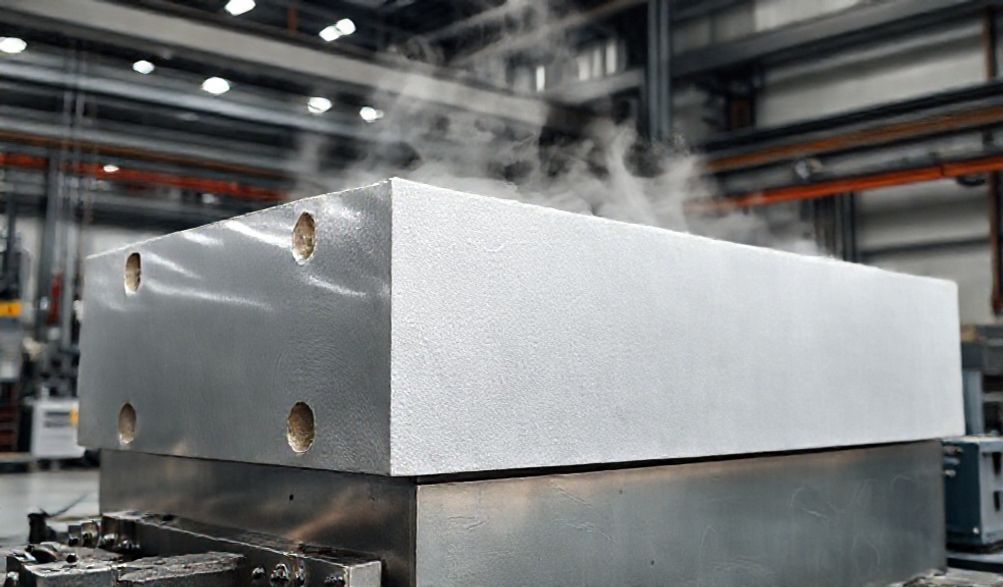
폼 블록 기계의 완벽 가이드: 제조에서 숙련까지
단열, 포장 및 건설 분야의 사업주와 공장 관리자에게 효율성과 수익성 추구는 종종 하나의 핵심 장비인 폼 블록 기계로 이어집니다. 첫 자본 투자를 고려 중이든 기존 라인을 최적화하려는 경우, 이 기술을 이해하는 것이 중요합니다. 발포 폴리스티렌(EPS)과 압출 폴리스티렌(XPS) 폼 블록은 단순한 경량 소재가 아닙니다. 이들은 에너지 효율적인 건물, 보호 포장 솔루션 및 다양한 산업 분야의 혁신적 응용 분야를 위한 기초 구성 요소입니다.
이 포괄적인 가이드는 단순한 판매 브로셔를 넘어서 명확하고 권위 있으며 실용적인 정보를 제공하기 위해 설계되었습니다. 우리는 폼 블록 생산의 핵심 기술을 분석하고, 이 기술이 수요가 높은 시장에 어떻게 적용되는지 살펴보며, 기계를 선택, 운영, 유지 관리하는 데 필요한 상세하고 객관적인 체계를 제시할 것입니다. 우리의 목표는 정보에 기반한 결정을 내리고, 생산을 최적화하며, 비즈니스 성장을 위한 신뢰할 수 있는 기반을 구축하는 데 필요한 업계 지식과 운영 통찰력을 제공하는 것입니다.
폼 블록 기계란 무엇인가? 핵심 기술 설명
본질적으로, 폼 블록 제조기는 원재료 폴리머—일반적으로 발포성 폴리스티렌(EPS) 비드나 XPS 수지—를 크고 단단한 폼 블록으로 변환하도록 설계된 산업 시스템입니다. 이는 단순한 공정이 아닙니다; 일관되고 고품질의 결과물을 얻기 위해 증기, 압력, 온도의 정밀한 제어에 의존합니다. 이 핵심 기술을 이해하는 것이 숙달로 가는 첫걸음입니다.
기본 원리: 사전 확장과 최종 확장
EPS 블록 제조는 두 단계의 열적 공정으로 이루어집니다. 이 과정은 발포제(일반적으로 펜테인)가 포함된 작고 단단한 폴리스티렌 비드로 시작됩니다.
- 사전 확장:원료 비드가 프리 익스팬더에 투입되어 증기에 노출됩니다. 열에 의해 각 비드 내 발포제가 기화되며, 비드는 원래 부피의 최대 50배까지 팽창합니다. 이를 통해 저밀도의 자유 유동성 프리퍼프가 생성됩니다.
- 최종 확장 (블록 성형)프리퍼프는 안정화를 위해 숙성된 후, 천공된 대형 알루미늄 블록 몰드로 불어 넣어집니다. 그런 다음 다시 증기를 주입하여 프리퍼프가 더욱 팽창하고 경계면에서 서로 융합되어 몰드의 정확한 형태를 취하게 됩니다. 이후 블록은 배출되기 전에 형태를 고정시키기 위해 종종 물 분사를 통해 냉각됩니다.
주요 구성 요소와 그 기능
표준 EPS 블록 생산 라인은 여러 통합 구성 요소로 구성됩니다.
- 프리 익스팬더:원료 비드가 처음으로 목표 벌크 밀도로 팽창되는 시작점입니다.
- 증기 보일러:시스템의 핵심입니다. 이는 두 단계의 팽창 과정에 필요한 포화 증기를 생성합니다. 그 효율성은 운영 비용에 직접적인 영향을 미칩니다.
- 블록 몰드블록의 치수(예: 1200 x 600 x 3000 mm)를 결정하는 대형 이중 벽 알루미늄 몰드입니다. 균일한 증기 분포를 위한 정밀한 증기 구멍이 특징입니다.
- 건조 챔버/구역탈형 후 블록에는 잔열과 수분이 남아 있습니다. 전용 양생 구역(12~48시간)에서 완전한 건조와 안정화를 거쳐 후속 수축이나 변형을 방지합니다.
- 커팅 시스템:열선 절단기나 컴퓨터 수치 제어(CNC) 장비는 대형 원형 블록을 최종 용도에 맞는 시트, 판재 또는 맞춤형 형태로 절단합니다.
EPS와 XPS 블록 기계의 차이점 이해하기
EPS와 XPS는 모두 단열용 경질 폼을 생산하지만, 각각 다른 기술을 사용합니다.
- EPS 블록 제조기:확장 가능한구슬위에서 설명한 바와 같이, 이 공정은 불연속적(배치 방식)입니다. 결과적으로 생성된 EPS 폼은 약간 개방된 셀 구조를 가지며, 증기 투과성이 있고, 뛰어난 장기 열 저항성과 비용 효율성으로 알려져 있습니다.
- XPS 블록 머신:단단한 폴리스티렌을 사용하세요수지발포제와 혼합됩니다. 이 혼합물은 다이를 통해 지속적으로 압출되어 연속적인 블록을 형성한 후, 냉각 및 절단됩니다. XPS는 폐쇄 기포 구조로 인해 더 높은 압축 강도, 내재된 방습성, 그리고 매끄럽고 조밀한 표면을 가집니다. 해당 장비는 일반적으로 더 많은 자본이 투입되며 연속적으로 가동됩니다.
주요 응용 분야: 폼 블록이 높은 수요를 받는 이유
폼 블록의 다용도성은 글로벌 시장 전반에 걸쳐 수요를 주도하고 있습니다. 폼 블록 제조 기계에 투자한다는 것은 이러한 탄력적이고 성장하는 분야에 발을 들이는 것을 의미합니다.
건축 및 건물 단열(가장 큰 시장)
이것이 폼 블록 생산의 주요 동인입니다. EPS와 XPS는 최고의 단열 재료입니다.
* 단열 콘크리트 폼(ICFs)EPS 블록은 상호 연결되는 형태로 절단되어 콘크리트 타설을 위한 영구 거푸집 역할을 하며, 매우 높은 에너지 효율의 벽체를 형성합니다.
* 구조용 단열 패널(SIPs)폼 코어(EPS 또는 XPS)는 배향성 스트랜드 보드(OSB) 사이에 샌드위치 구조로 배치되어 고강도 단열 벽체 및 지붕 패널을 형성합니다.
* 지붕, 벽, 바닥 단열블록은 외부 단열 마감 시스템(EIFS), 공동 벽 단열 및 슬래브 하부 적용을 위해 판재로 절단됩니다.
보호 포장 및 물류
정밀한 전자제품부터 무거운 산업 장비까지, 맞춤형 폼 포장은 안전한 운송을 보장합니다.
* 맞춤형 절단 포장:CNC 기계는 제품을 안전하게 고정하기 위해 폼 블록에서 정밀한 공동을 절단합니다. 이는 전자제품, 의료 기기, 제약품 및 자동차 부품에 널리 사용됩니다.
* Lightweight Void Fill & Blocking/Bracing: Loose fill (beads) or cut pieces are used to stabilize loads in shipping containers and pallets, replacing heavier, less efficient materials.
Specialized Uses: From Arts to Aquaponics
The utility of foam blocks extends into niche markets:
* Arts, Models, and Set Design: EPS blocks are easily carved and shaped for sculptures, architectural models, and theatrical or film sets.
* Geofoam: Ultra-lightweight EPS blocks are used in civil engineering for road embankments over soft ground, slope stabilization, and reducing lateral pressure on retaining walls.
* Floating Docks and Aquaponics: The buoyancy and rot-resistance of foam make it ideal for floating platforms in marinas and as a supportive medium in hydroponic systems.
Critical Factors When Choosing a Foam Blocks Machine
Selecting the right machine is a balance of technical specs, business strategy, and total cost. Objective evaluation here is key to a profitable investment.
Production Capacity: Matching Output to Your Business Goals
Capacity is not just about machine size; it’s about aligning with your market.
* 사이클 타임: This is the total time to produce one block (filling, steaming, cooling, ejection). Faster cycles mean higher output.
* Block Dimensions: Standard mold sizes exist, but you can customize. Consider the most common sheet sizes your target market requires to minimize cutting waste.
* Daily Output: Calculate based on cycle time and operational hours. A machine with a 5-minute cycle can theoretically produce 288 blocks in a 24-hour period, but practical output will be lower due to curing and handling.
Automation Level: Manual, Semi-Automatic, and Fully Automatic
- 매뉴얼: Operators control each step (valves, filling, ejection). Lowest upfront cost but highest labor cost, variability, and physical demand.
- 반자동 The core molding cycle (steam, water, air) is controlled by a Programmable Logic Controller (PLC). Operators handle loading and unloading. Offers the best balance of cost, control, and consistency for many businesses.
- 완전 자동 Integrated with automated pre-expander, silos, and robotic handling systems. Minimizes labor, maximizes consistency and output. Highest capital cost, justified by large-scale, continuous production.
Energy Efficiency: The Role of Steam Boilers and Control Systems
Steam generation is the largest operational expense. Modern machines focus on reducing steam consumption.
* Steam-to-Bead Ratio: A key performance metric (e.g., kg of steam per kg of beads). More efficient machines have lower ratios.
* 고급 제어 시스템 Precise PLCs manage steam injection timing and pressure, optimizing expansion and reducing waste.
* Boiler Type: Condensing boilers or efficient oil/gas-fired boilers can significantly cut energy costs compared to older models.
Total Cost of Ownership: Beyond the Initial Purchase Price
The machine price is just the entry ticket. A realistic budget must include:
1. Capital Costs: Machine, mold, boiler, cutting system, installation, and commissioning.
2. Utilities: Steam (fuel for boiler), electricity for motors and controls, and process water.
3. 원자재 Cost of EPS beads or XPS resin, which fluctuates with oil prices.
4. 노동 Wages for operators, maintenance technicians, and material handlers.
5. 유지보수 및 예비 부품: Regular servicing and a budget for replacement parts (steam valves, seals, cutting wires).
Operational Best Practices and Maintenance
Owning the machine is one thing; operating it optimally is another. These practices separate profitable operations from problematic ones.
The Optimal Production Workflow: A Step-by-Step Overview
- 원자재 취급 Store EPS beads in a dry, temperature-stable silo or container.
- 사전 확장: Expand beads to the precise bulk density required for the final block (e.g., 10kg/m³, 15kg/m³, 20kg/m³).
- Aging: Allow pre-puff to stabilize in aerated bags or silos for 6-24 hours.
- 블록 성형 Fill the mold, execute the automated steam cycle, cool with water, and eject the block.
- 치유: Move blocks to a flat, stable curing area for the recommended period. Do not skip this.
- Cutting & Finishing: Use calibrated hot-wire or CNC machines to cut blocks to customer specifications.
Common Operational Challenges and Troubleshooting
- Poor Fusion (Blocks Breaking Apart): Cause: Insufficient steam pressure/time, low bead pre-expansion density, or wet pre-puff. 해결책: Check steam system, increase cycle parameters, ensure proper aging.
- Shrinkage or Warping After Cutting: Cause: Insufficient curing time, blocks cut while still warm/hot. 해결책: Enforce strict minimum curing schedules.
- Uneven Density (Hard Spots or Soft Sections): Cause: Uneven steam distribution due to clogged mold holes, improper filling, or faulty steam valves. 해결책: Perform regular mold cleaning and steam system maintenance.
- Surface Defects (Holes or Rough Skin): Cause: Bead size too large, condensation in mold, or incorrect vacuum cycle. 해결책: Use appropriate bead grade, ensure mold is heated properly before filling.
Essential Maintenance Schedule for Longevity
- Daily: Visually inspect steam and water lines for leaks. Check hydraulic oil levels. Clean the area around the mold.
- Weekly: Clean mold steam holes with a dedicated cleaning brush or rod. Check tension on cutting wires. Inspect seals and gaskets.
- Monthly: Calibrate pressure and temperature sensors. Perform a thorough check of the boiler system (as per manufacturer’s guide). Lubricate all moving parts.
- Annually: Schedule a full professional service, including hydraulic system check, electrical panel inspection, and control system review.
Navigating the Market: Supplier Selection and Quality Checks
Your relationship with the machine manufacturer is a long-term partnership. Due diligence is non-negotiable.
Evaluating Machine Manufacturers: Red Flags and Green Flags
- Green Flags: Decades of industry presence, a portfolio of successful client references (ask for them!), in-house engineering and R&D, and transparency about component origins (e.g., brand of PLC, pumps).
- Red Flags: No physical factory address, inability to provide client contacts, pressure for immediate payment, use of generic or uncertified pressure vessels, and vague warranties.
The Importance of After-Sales Support and Training
The best machine is only as good as the support behind it. Prioritize suppliers who offer:
* On-site Installation & Commissioning: Supervised setup by factory engineers.
* 종합 운영자 교육 Hands-on training for your team on operation, basic troubleshooting, and safety.
* 쉽게 구할 수 있는 예비 부품 A clear parts catalog and a commitment to shipping critical spares quickly.
* 기술 지원 Access to remote or on-call technical assistance.
Key Questions to Ask Before You Buy
Go into discussions armed with these questions:
1. “What is the guaranteed steam-to-bead ratio for this model?”
2. “Can you provide contact information for 2-3 clients in my region who have run this model for over a year?”
3. “What is the structure of your warranty (e.g., 12 months on machine, 6 months on mold)? What is excluded?”
4. “What is included in your training and commissioning package? Is it on-site?”
5. “What is the lead time for critical spare parts, and do you keep a local inventory?”
Frequently Asked Questions (FAQ) About Foam Blocks Machines
What is the typical price range for a foam block making machine?
Prices vary dramatically based on size, automation, and region. A basic semi-automatic line can start around $50,000 – $100,000. A medium-capacity, well-equipped semi-auto system often falls in the $150,000 – $300,000 range. Large-scale, fully automatic production lines with integrated cutting can exceed $500,000. Always factor in shipping, installation, and boiler costs.
What is the minimum factory space required for a foam block production line?
You need space for the machine itself (approx. 10m x 5m), plus significant area for curing (blocks need space between them) and storage for raw beads and finished product. A realistic minimum for a small operation is 300 – 500 square meters, with good ceiling height and ventilation.
How many workers are needed to operate a semi-automatic machine?
For a single shift operating a semi-automatic machine, a team of 2-3 operators is typical. One may focus on the pre-expander and material handling, while the other(s) manage the block mold, ejection, and moving blocks to the curing area.
Can one machine produce blocks of different densities and sizes?
Yes, but with conditions. Different densities are achieved by changing the pre-expansion parameters and using different bead grades. Different sizes require 교환 가능한 몰드. While changing a mold is a major task, a single machine can be adapted to produce various standard block dimensions by investing in multiple molds.
What are the main safety considerations when operating these machines?
* Steam & Pressure: High-temperature steam and pressurized vessels pose burn and explosion risks. Proper training, pressure relief valves, and regular inspections are critical.
* 전기 The system involves high-voltage components. Lock-out/tag-out procedures must be followed for maintenance.
* 기계적: Moving parts like hydraulic presses and cutting systems require guarding.
* Fumes/Ventilation: During processing, small amounts of styrene vapor may be released. Adequate factory ventilation or extraction systems are essential for operator health.
결론
Investing in a foam blocks machine represents a significant step toward securing your position in the robust insulation and packaging markets. Success, however, is not guaranteed by the purchase alone. It is achieved by meticulously aligning the right technology with your specific business goals, committing to sound operational practices, and forging a partnership with a reputable, supportive supplier.
This journey requires thorough due diligence. Use this guide as a framework for your evaluation. Visit factories, request live demonstrations, and speak directly to existing customers of your shortlisted suppliers. By combining informed decision-making with hands-on expertise, you can transform this capital investment into a reliable engine for sustainable growth and profitability.
<