
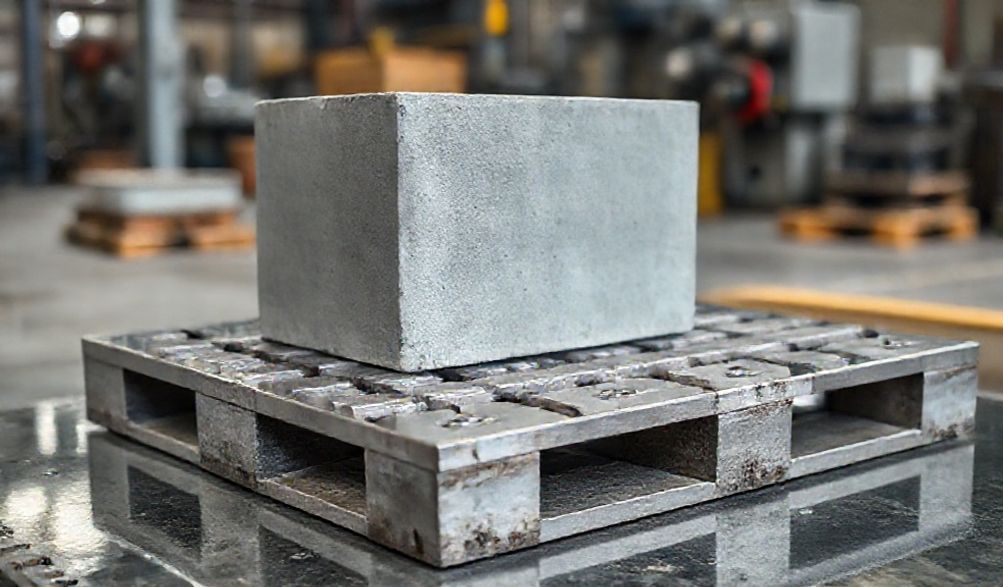
ຄູ່ມືສຸດທ້າຍສຳລັບແຜ່ນພື້ນສຳລັບເຄື່ອງຈັກເຮັດບລັອກ: ການເລືອກ, ການນຳໃຊ້ & ການບຳລຸງຮັກສາ
ການແນະນຳ
ທ່ານໄດ້ປັບປຸງສ່ວນປະສົມຄອນກີດໃຫ້ດີທີ່ສຸດ, ກວດຄືນການສັ່ນສະເທືອນ, ແລະ ບຳລຸງຮັກສາລະບົບໄຮໂດຼລິກຂອງທ່ານແລ້ວ. ແຕ່ກໍຍັງພົບກັບບັນຫາໃນການຜະລິດທີ່ໜ້າລຳຄານຢູ່: ກ້ອນຕັນທີ່ມີລະດັບສູງບໍ່ເທົ່າກັນ, ຮອຍດ່າງຜິວທີ່ນຳໄປສູ່ການປະຕິເສດ, ຫຼື ການເສື່ອມສະພາບຂອງແມ່ພິມທີ່ບໍ່ຄາດຄິດ. ກ່ອນທີ່ຈະຕຳໜິເຄື່ອງຈັກ, ໃຫ້ເບິ່ງລົງມາທີ່ພື້ນ. ຕົວການທີ່ມັກຖືກລືມຄືແຜ່ນຮອງທີ່ງ່າຍດາຍທີ່ຕັ້ງຢູ່ພາຍໃຕ້ກ້ອນຕັນທຸກອັນທີ່ທ່ານຜະລິດ—ນັ້ນຄື ແຜ່ນພາເລດ.
ແຜ່ນທີ່ວາງໃນເຄື່ອງຜະລິດກ້ອນ (Block Making Machine Pallet) ມັກຖືກຖືເປັນວັດຖຸທີ່ໃຊ້ແລ້ວຖິ້ມ ແຕ່ໃນຄວາມເປັນຈິງ ມັນເປັນສ່ວນປະກອບທີ່ມີຄວາມຊັດເຈນຂັ້ນພື້ນຖານ. ຄູ່ມືນີ້ມາຈາກປະສົບການໃນອຸດສາຫະກຳຫຼາຍສິບປີ ປະກອບດວຍຄວາມຮູ້ທີ່ຫາມາໄດ້ຍາກຈາກຜູ້ຜະລິດເຄື່ອງຈັກ ພະນັກງານຜະລິດທີ່ມີປະສົບການ ແລະ ວິສະວະກອນວັດສະດຸ. ເຮົາຢູ່ທີ່ນີ້ເພື່ອປ່ຽນທັດສະນະຂອງທ່ານ.
แผ่นรองเครื่องอัดบล็อกเป็นแผ่นเหล็กเคลื่อนที่ที่สำคัญซึ่งใช้ในการขึ้นรูป อัด และบ่มคอนกรีตชั่วคราว มันเป็นฐานของผลิตภัณฑ์ของคุณที่เคลื่อนผ่านขั้นตอนการเติม การอัด และการปล่อยในเครื่อง ก่อนที่จะนำบล็อกดิบไปยังพื้นที่บ่ม
ການເລືອກແລະບຳລຸງຮັກສາແຜ່ນຮອງສິນຄ້າທີ່ຖືກຕ້ອງບໍ່ແມ່ນພຽງແຕ່ວຽກຈັດຊື້ເພີ່ມເຕີມ; ມັນແມ່ນການລົງທຶນໂດຍກົງໃນກຳໄລຂອງໂຮງງານ, ຄຸນນະພາບຜະລິດຕະພັນ, ແລະອາຍຸການໃຊ້ງານຂອງເຄື່ອງຈັກ. ການເລືອກແຜ່ນຮອງສິນຄ້າທີ່ບໍ່ດີຈະທຳລາຍກຳໄລຢ່າງງຽບໆຜ່ານສິ່ງເສດເຫຼືອ, ເວລາຢຸດງານ, ແລະການສວມໃສ່ທີ່ເພີ່ມຂຶ້ນ. ຄູ່ມືທີ່ສຳຄັນນີ້ໃຫ້ຄວາມເຂົ້າໃຈທີ່ສາມາດນຳໄປປະຕິບັດໄດ້ເພື່ອປ່ຽນແຜ່ນຮອງສິນຄ້າຂອງທ່ານຈາກສູນຕົ້ນທຶນໃຫ້ກາຍເປັນເສົາຄ້ຳຂອງການຜະລິດທີ່ເຊື່ອຖືໄດ້. ຖ້າທ່ານເປັນເຈົ້າຂອງໂຮງງານຜະລິດຕັນ, ຜູ້ຈັດການຝ່າຍຜະລິດ, ຫົວໜ້າຝ່າຍບຳລຸງຮັກສາ, ຫຼືເຈົ້າໜ້າທີ່ຈັດຊື້, ຂໍ້ມູນຕໍ່ໄປນີ້ແມ່ນສຳລັບທ່ານ.
ເຫດຜົນທີ່ການເລືອກແຜ່ນຮອງຂອງເຄື່ອງປັ້ນດິນຈີ່ມີຄວາມສຳຄັນຕໍ່ກຳໄລ
ການບໍ່ສົນໃຈຖາດວາງສິນຄ້າກໍຄືກັບທີມງານ Formula 1 ທີ່ບໍ່ສົນໃຈຢາງລົດ. ມັນເປັນຈຸດຕິດຕໍ່ດຽວລະຫວ່າງເຄື່ອງຈັກກັບຜະລິດຕະພັນຂອງເຈົ້າ, ແລະສະພາບຂອງມັນກໍານົດຜົນງານ. ຂໍ້ກໍານົດຂອງຖາດວາງສິນຄ້າມີຜົນກະທົບໂດຍກົງ ແລະວັດແທກໄດ້ຕໍ່ຜົນກໍາໄລສຸດທິຂອງເຈົ້າ.
ຜົນກະທົບຕໍ່ຄຸນນະພາບ ແລະ ຄວາມສອດຄ່ອງຂອງຜະລິດຕະພັນ
ຄຸນນະພາບຂອງທ່ອນໄມ້ຂອງເຈົ້າຈະດີພຽງແຕ່ຕາມພື້ນຜິວທີ່ມັນຖືກປັ້ນໃສ່ເທົ່ານັ້ນ.
- ຄວາມຖືກຕ້ອງຂອງຂະໜາດຄວາມຮາບພຽງຂອງພາເລດແມ່ນສຳຄັນທີ່ສຸດ. ພາເລດທີ່ບິດເບືອນ ຫຼື ໂຄ້ງຈະເຮັດໃຫ້ເກີດຊັ້ນຫີນທີ່ມີຄວາມສູງບໍ່ເທົ່າກັນ ແລະ ຂະໜາດທີ່ບໍ່ໄດ້ຕາມມາດຕະຖານ. ເຊິ່ງນຳໄປສູ່ການກວດຄຸນນະພາບທີ່ລົ້ມເຫຼວ, ລູກຄ້າຈົ່ມວ່າວາງຍາກ, ແລະ ສິນຄ້າເສຍຫາຍຫຼາຍ.
- ພື້ນຜິວສໍາເລັດ & ການປ່ອຍຜິວໜ້າຂອງພາເລັດ (ພື້ນກ້ຽງ, ມີລວດລາຍເບົາໆ) ມີຜົນກະທົບໂດຍກົງຕໍ່ການປົດປ່ອຍບລັອກຫຼັງຈາກການສະກັດອອກ. ຜິວໜ້າທີ່ເປັນຂຸມ ຫຼື ຫຍາບສາມາດເຮັດໃຫ້ຕິດ, ນຳໄປສູ່ຄວາມເສຍຫາຍຂອງບລັອກ ຫຼື ຂໍ້ບົກພ່ອງຂອງຜິວໜ້າທີ່ສາມາດເຫັນໄດ້ໃນຜະລິດຕະພັນສຸດທ້າຍ.
- ການປ້ອງກັນຂໍ້ບົກພ່ອງ:ຮອຍແຕກ ຫຼື ຈຸດບົກພ່ອງສາມາດເກີດຈາກແຜ່ນຮອງກໍ່ໄດ້. ພື້ນຜິວທີ່ຊຸດໂສມຢ່າງຮ້າຍແຮງ ຫຼື ມີຄອນກຣີດສະສົມສ້າງການຮອງຮັບທີ່ບໍ່ເທົ່າກັນໃນໄລຍະການອັດແໝ່ນຄວາມດັນສູງ, ເຮັດໃຫ້ເກີດຈຸດຄວາມກົດດັນທີ່ສະແດງອອກເປັນຮອຍແຕກ.
ຜົນກະທົບໂດຍກົງຕໍ່ສຸຂະພາບເຄື່ອງຈັກ ແລະ ເວລາເຮັດວຽກ
ພາສາລາວ
- Accelerated Wear: A worn, uneven pallet acts like sandpaper against the mold bottom and the press head. It causes premature wear on these expensive, precision components. It also increases abrasion on conveyor chains and rollers.
- Misalignment and Jams: Pallet warping or edge damage is a primary cause of jams in the pallet magazine, feeder, or transfer systems. These unplanned stoppages halt your entire production line, leading to significant losses in output and frantic troubleshooting.
The Hidden Costs of the Wrong Pallet
The initial savings from a cheaper, substandard pallet evaporate quickly under operational scrutiny.
- Increased Waste: Sticking and dimensional inaccuracies directly translate to broken or out-of-spec blocks that must be scrapped.
- Higher Maintenance Costs: Frequent replacement of molds, press heads, and conveyor parts due to accelerated wear becomes a recurring expense.
- Frequent Replacement Cycles: A pallet that wears out in 6 months has a much higher total cost than a premium pallet that lasts 3 years, when you factor in downtime for changeovers and procurement overhead.
- Energy Inefficiency: In steam curing environments, a warped pallet has poor contact with the curing bed, reducing heat transfer efficiency and potentially leading to uneven curing.
Types of Pallets for Block Making Machines: Materials & Specifications
Not all steel plates are created equal. Understanding the material science behind pallet options allows you to specify the right tool for your job.
Standard Steel Pallets: The Workhorse
These are the most common pallets, made from durable, abrasion-resistant steel plate.
- Typical Specs: Made from grades like Hardox 400 or AR400, with thicknesses typically ranging from 6mm to 12mm, depending on machine size and block weight.
- ຂໍ້ດີ: Excellent balance of durability and cost-effectiveness. They offer good impact resistance and heat transfer properties, making them suitable for high-volume production of standard blocks.
- ຂໍ້ເສຍ While abrasion-resistant, they are not immune to wear and will gradually lose flatness. They are also susceptible to corrosion if exposed to moisture and the alkaline environment of concrete without protection.
Hardened & Ground Steel Pallets: For Precision & Longevity
This is the premium choice for operations focused on minimal downtime and superior product finish.
- ຂັ້ນຕອນການດຳເນີນງານ: After being cut to size, these pallets undergo a heat treatment (hardening) process, followed by precision grinding on large surface grinders. This creates an exceptionally hard, flat, and smooth surface.
- ຂໍ້ໄດ້ປຽບຫຼັກ:
- Superior Wear Resistance: The hardened surface withstands abrasion far longer than standard steel, drastically extending service life.
- Exceptional Flatness Retention: They resist warping and dishing under cyclic loading, maintaining dimensional accuracy for your blocks over time.
- Smooth Block Release: The mirror-like ground finish provides an almost non-stick surface, reducing release agent needs and improving block bottom finish.
- Ideal Use: Essential for producing high-tolerance products like interlocking paving stones, architectural masonry, and any application where a perfect bottom finish is required.
Specialty & Coated Pallets
For specific environmental or production challenges, specialized pallets offer solutions.
- Galvanized or Painted Pallets: A zinc coating (galvanizing) or a robust industrial paint system provides a barrier against corrosion. This is crucial for plants in coastal/humid regions or those using accelerants or mix designs that are particularly corrosive.
- Non-Stick Coatings: Applied over steel, coatings like PTFE (Teflon) or specialized polymers create a surface to which concrete minimally adheres. These are valuable for intricate mold designs with deep ribs or for mixes that are prone to sticking, though they may wear over time and require re-coating.
Key Specifications to Specify When Ordering
Never just order a “steel plate.” Provide a detailed specification sheet to your supplier.
- ຂະໜາດ Exact length, width, and thickness. Include permissible tolerances (e.g., ±0.2mm on thickness).
- Flatness Tolerance: The most critical spec. Usually expressed as a deviation over a length (e.g., “±0.5mm over any 1-meter span”).
- ພື້ນຜິວສຳເລັດຮູບ: Specify “Precision Ground,” “Milled,” or “As-rolled.” For ground pallets, you may specify a surface roughness (Ra) value.
- Hardness: Define the Brinell Hardness Number (BHN). For example, AR400 has a nominal hardness of 400 BHN.
- Edge Preparation: Require all edges to be deburred, beveled, or radiused. Sharp edges are a safety hazard, damage conveyor guides, and can chip easily.
How to Select the Right Pallet for Your Machine and Product Mix
Selecting a pallet is a three-part equation: your machine’s requirements, your product’s demands, and your plant’s environment.
Matching Pallet to Machine Model
This is non-negotiable. Your block machine is engineered for a specific pallet profile.
- Consult the Manual: The manufacturer’s manual provides the exact dimensions, thickness, and maximum weight specifications. Deviating from these can void warranties and cause mechanical failure.
- Weight Matters: The machine’s pallet feeder, elevator, and turnover systems are designed for a specific weight range. A pallet that is too heavy can overload drives and cause misalignment.
Matching Pallet to Your Block Products
Different products exert different stresses on a pallet.
- ທ່ອນຕັນກະທົບມາດຕະຖານ Create a concentrated wear pattern along the outer edges of the mold. A durable, abrasion-resistant steel is key.
- Dense Pavers or Solid Blocks: Apply pressure more evenly across the entire pallet surface. Flatness retention under full-area compression is the critical factor here.
- Abrasive Mixes: If your mix contains industrial by-products like slag or certain manufactured aggregates, the abrasiveness skyrockets. This is a strong case for investing in the hardest, most wear-resistant pallet you can justify.
Evaluating Your Production Environment
The atmosphere in your plant plays a role in pallet longevity.
- Humidity & Corrosion Risk: Assess your climate and indoor humidity. If rust is a frequent sight, prioritize coated or galvanized pallets, or commit to a rigorous protective maintenance routine.
- Cleaning Processes: Do you use high-pressure water jets for cleaning? This forceful, concentrated water can accelerate corrosion if pallets are not dried and treated afterward. It can also damage non-stick coatings.
Best Practices for Pallet Maintenance & Maximizing Lifespan
A premium pallet is an investment; proper maintenance is the insurance policy. A simple, consistent routine can double or triple a pallet’s service life.
Daily & Weekly Inspection Routines
Catch problems early, before they damage blocks or the machine.
- Visual Checklist: Each shift, operators should quickly look for:
- Warping/Bowing: Sight down the length of the pallet.
- Edge Damage: Dings, curls, or cracks on the edges.
- Surface Pitting: Signs of corrosion or impact damage.
- Concrete Buildup: Residual “packing” on the surface.
- The Straightedge Test: Weekly, use a precision straightedge and a feeler gauge to check flatness. Document any pallets exceeding your flatness tolerance (e.g., >1mm gap).
Proper Cleaning Techniques
Remove concrete residue without damaging the pallet.
- Immediate Removal: Scrape off wet concrete buildup promptly before it cures.
- For Cured Residue: Use a plastic or nylon scraper. Avoid aggressive steel wire brushes, which score the surface and create grooves that promote sticking.
- Chemical Cleaners: If needed, use a mild, acidic concrete dissolver, but ensure it is compatible with your pallet’s material/coating and rinse thoroughly.
Correct Handling & Storage
Most physical damage occurs off the machine.
- Never Drop or Drag: Use designated pallet carts. Dropping pallets onto concrete floors is a surefire way to cause warping and edge damage.
- Flat, Dry Storage: When not in use, store pallets in a clean, dry area. Stack them flat on a level surface with support across their full area to prevent sagging.
When to Repair vs. Replace
Knowing when to retire a pallet saves money in the long run.
- Signs for Replacement:
- Excessive warping that cannot be corrected in a press (>3mm deviation).
- Deep grooves or scoring that affects block release.
- Severe corrosion that has pitted through the material, compromising structural integrity.
- Consider Repair/Refurbishment: For high-quality hardened pallets that have lost flatness or surface finish but are not deeply worn, professional re-grinding by a specialized workshop can be a cost-effective way to restore them to like-new condition, extending their life significantly.
Frequently Asked Questions (FAQ) About Block Machine Pallets
Q1: How often should I replace my block machine pallets?
A: There is no universal timeline. Replacement should be driven by condition, not calendar. A well-maintained hardened pallet in a low-abrasion environment could last 5+ years. A standard pallet in high-volume, abrasive production might need replacement in 12-18 months. Let your weekly inspection and flatness tests dictate the schedule.
Q2: Can I use a thicker pallet than what my machine manual specifies?
A: It is strongly discouraged without explicit written approval from the machine manufacturer. A thicker pallet may not fit in the magazine, can overload the elevator and drive mechanisms, and critically, it can alter the compression stroke distance, leading to under-compacted blocks or machine damage.
Q3: Why are my blocks sticking to the pallet?
A: Sticking is a common symptom with multiple potential causes. Diagnose in this order:
1. Pallet Surface: Is it pitted, rough, or contaminated with old buildup? Refurbish or replace.
2. Mix Design: Is the mix too wet or has a high fines content? Adjust the water-cement ratio.
3. Release Agent: Are you using one? Is it applied correctly and at the right dosage?
4. Machine Process: Is the vibration time and pressure sufficient for proper compaction and release?
Q4: Is it worth investing in more expensive hardened pallets?
A: Analyze it through ຄ່າໃຊ້ຈ່າຍທັງໝົດໃນການຄອງຄອງ (TCO). While hardened pallets can cost 2-3x more upfront, consider:
* They last 3-5x longer than standard pallets.
* They drastically reduce downtime for pallet changes and machine wear.
* They improve product quality and reduce waste.
For high-volume or precision-focused plants, the math almost always favors hardened pallets in the long run.
Q5: How can I prevent my steel pallets from rusting?
A: A proactive approach is key:
1. Clean Thoroughly & Dry: After washing, ensure pallets are completely dry before storage.
2. Apply a Protective Film: During weekend shutdowns or extended inactivity, lightly spray or wipe pallet surfaces with a thin layer of a water-displacing, rust-inhibitive oil (ensure it’s compatible with concrete and won’t affect curing).
3. Control Storage Environment: Keep spare pallets in a dry, covered area off damp floors.
ສະຫຼຸບ
The pallet for your block making machine is far more than a simple slab of steel. It is a precision-engineered component that sits at the heart of your production quality, efficiency, and cost control. Treating it as a disposable commodity is one of the most common and costly oversights in block manufacturing.
The strategic choice is clear: prioritize quality, correct specifications, and a partnership with a reputable supplier who understands the demands of block production over the temptation of the lowest upfront cost. Your pallets should be an asset you manage, not an expense you dread.
Your Call to Action: This week, conduct a pallet audit. Pull 10-20 pallets from your line at random. Perform the straightedge test. Inspect for wear and damage. You may uncover the root cause of persistent production issues. For specific guidance, contact your machine’s OEM or consult with a trusted, specialized pallet manufacturer for a professional assessment of your needs.
By mastering the selection, use, and maintenance of your pallets, you pave the way for a smoother, more profitable, and sustainable block production operation for years to come.
<