Umutungo w’ubwubatsi ku isi uhoraho ushingwa n’icyifuzo cyo kugira ibikoresho by’ubwubatsi byizewe, bikora neza kandi bishoboka kugura. Muri iki mutungo, urufunzo rufite uruhare runini, ari ingenzi cyane mu bikorwa by’ubwubatsi, kandi uburyo bwarwo bwo gukora burimo guhindurwa cyane n’imashini zihanga. Ku bapangisha, abacuruzi, n’abashinzwe gushaka ibikoresho, gusobanukirwa neza ibijyanye n’iyi mishini si gusa ikorwa ry’ubumenyi, ahubwo ni ngombwa mu biro by’ubucuruzi.
Ubusobanuro Bwimbitse ku Miterere yo Gukora Amatafari
1.1 Uburyo Bw’ibanze Bwo Gukora Ibikorwa: Kuva ku Bintu By’ibanze Kugeza ku Bikorwa Byarakozwe
Uburyo imyubakire y'ibyumba bishyushye ishobora gukorwa n'ibikoresho by'ubuhanga bukomeye n'ubumenyi bw'ibikomoka ku bintu. Ihindura ibikomoka ku bintu by'ibanze iba ibikoresho by'imyubakire ifite ubushobozi bukomeye kandi ifite ubunini busa, binyuze mu gahato gahuje imikorere yose.
- Gutegura neza kandi Gukoranya Imiti y'ibikoresho:Urugendo rutangira mu guhitamo neza no gupima ibyitwa iby'ingenzi. Ikiganganijwe cyibanze gisanzwe gikubiyemo sima, ibinyuranyo bitandukanye (urugero nk'umusenyi, umukungugu w'amabuye, cyangwa ivu ry'umuriro), n'amazi. Igipimo cy'ibi byinshi ni ingenzi cyane, bigena imbaraga, imiterere, n'ubuzima bw'ibicuruzwa byanyuma. Mu sisitemu zigeze imbere, ibipimo by'ibiro by'omatike bishinzwe kugira ngo ibicuruzwa bigaragare kimwe buri gihe. Uburyo bwo gukangurura ntibushinzwe gusa gusanga ibintu byose hamwe, ahubwo ni ukugera ku miterere yumye-bishyushye aho buri gace ka sima gafunzwe neza n'ibinyuranyo, kandi umwuzure usasagazwa neza. Iyi miterere imwe ni intego yambere kandi ingenzi cyane mu gukora amatafari afite ubushobozi bwo gukomeza.
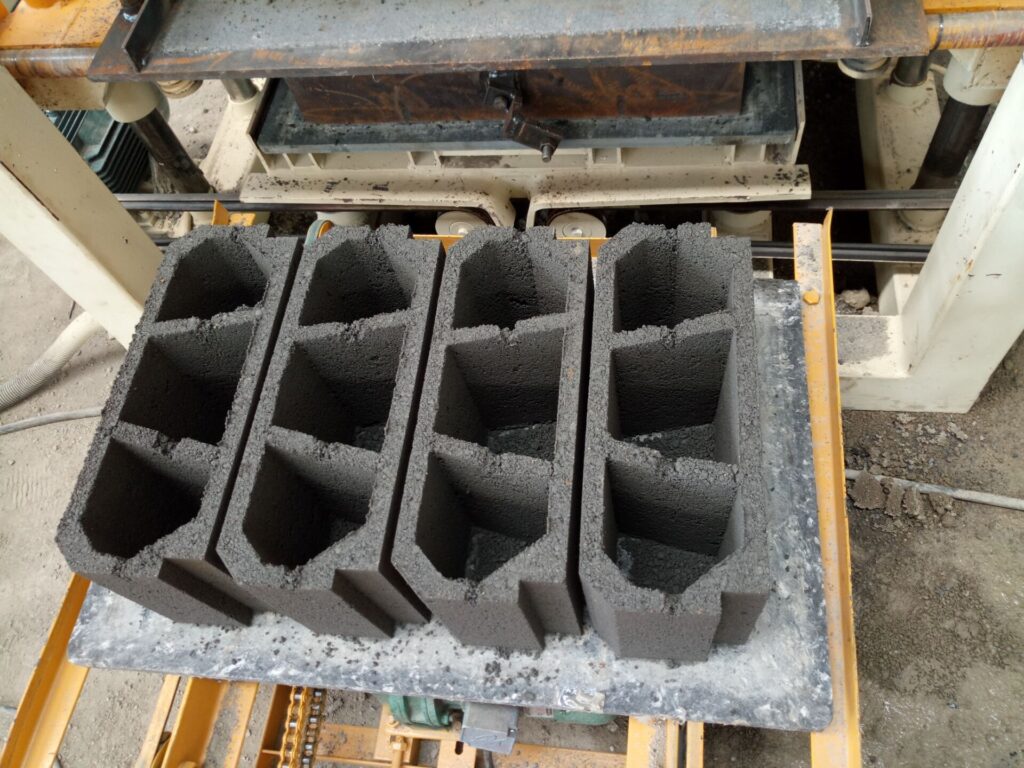
- Igihe Gikomeye cyo Kuzuza no Gukoresha Ubukana bw’Icyuma:Umusanzu wateguwe hanyuma uhamishirizwa mu mwobo w’iforoma. Ubwubatsi n’ubunini bw’iyi foroma ni byo bigena imiterere y’isozo y’inyuma, byaba ari ibuye ry’isanduku risanzwe, imiterere y’umutima uhugiye kugirango rworohe, cyangwa ibuye ry’ubutaka rifite imiterere isesuye. Mu mashini yihariye, sisitemu y’igikoresho cyo kuzura ishimangira ko ibintu bigabanijwe neza mu foroma yose, bigakumira utubitso mu bunini. Nyuma yo kuzura, sisitemu ikoresha ingufu zikomeye za mekanike cyangwa hydrolike. Iki gikorwa si ukumanika gusa; ni umurongo wo kugira ibintu by’ubunini buhagije biganisha ku gushyira mu gaciro umwuka uhugiye, guhuza ibintu bito, no gutangira umurongo wo kubumba, bigatuma haba ibumba “ry’icyatsi” rifite ubufatanye buhagije bwo kugerwaho.
- Gukora ubushakashatsi mu iterambere ry’imbaraga zikomeye no gukora ibisigaye by’ibikorwa:Nyuma yo gukururwa mu ikina, itafari y’icyatsi ifite ishusho yayo ariko ntabwo ifite ingufu yuzuye. Uburyo bwo kwirinda ni ho ihita ihinduka ikomeye. Ibi birashobora kuboneka kuburyo bubiri bukuru. Uburyo bwa mbere ni ugukomeza gutegereza, aho amatafari ateranijwe maze akubikwe mu mabati yo kwirinda cyangwa agashyirwa mu bwiherero aho ubushyuhe n’ubunyobwa bigenzurwa mu gihe runaka, bigatuma sima igasohora umukungugu wacyo wuzuye. Uburyo bwa kabiri, bukoreshwa mu sisitemu zimwe zikora byinshi, ni ugukomeza umwotsi mu bishyushye, bigakuraho ingufu byihuse. Nyuma yo kwirinda, ibyatsi byakomeje bihinduramo ubwoko, bibarurwa, kandi biteranywa ku ntebe n’amaboko ya roboti cyangwa sisitemu zishingiye ku nzira zo kohereza, byiteguye gupakirwa, kubikwa no koherezwa.
1.2 Ubwoko bw'Uburyo bwo Gukora: Guhuza Tekinoloji n'Ubukene bw'Isoko
Uburyo bwo gukora amatafari bushyirwaho mu byiciro bitewe n’uburyo bwo gukoramo no kuba ari bwo mu buryo bwikora, buri buryo bugamije gukora ibicuruzwa bitandukanye mu isoko.
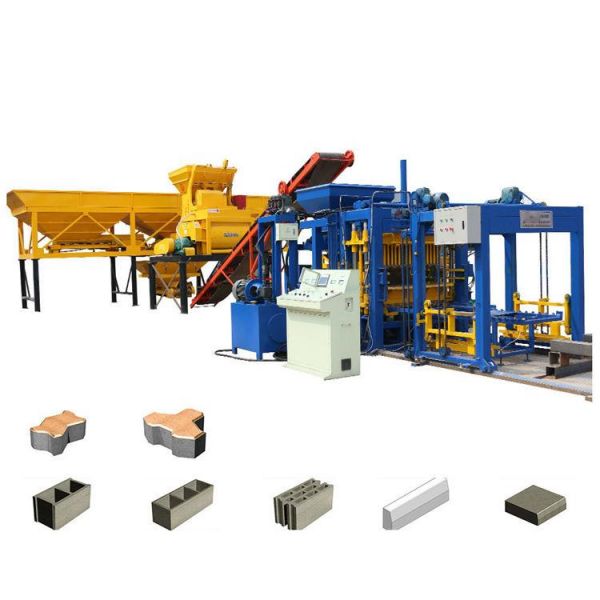
- Imiyoboro yo Gukora Ishyirwa hamwe mu Bumwe:Ayo ni inyamaswa zo mu rwego rwo hejuru mu gukora amatafari, zishyizweho kugira ngo zikore ibintu byinshi bikomeye, bitarenze urugero. Zizwiho uburyo bwo gukora butatanyura, buhuza ibintu byose hamwe: kwinjiza iby'ingenzi, kuvanga, guca amaboko, gukora neza, no gushyira mu ntebe, byose bikorwa hamwe bigenzurwa n'ikoranabuhanga rikuru. Abantu bakoramo cyane ni ugutekerezaho, gukora imikorere, no gushyiraho porogaramu. Aya marongo ni yo ahantu heza cyane ho gutanga ibikorwa by'inganda binini, abasaba ibicuruzwa mu gihugu, n'imisoko aho umubare n'ubwiza buhora ari ibyo bitaboneka.
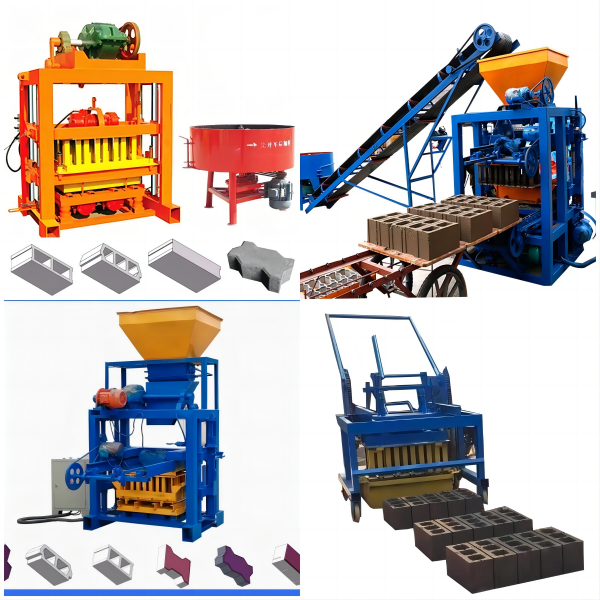
- Ibigize Umurongo wo Gukora ku Gihingwa cya CycleIyi gatsiko yerekana urwego rw’imikoranire myiza, itanga ubunyamabanga bwo hejuru mu gahato gakomeye k’imikorere nyamukuru, mu gihe isaba ubufasha bwa maboko mu bikorwa by’inyuma. Ubu buryo bwa mashini ubwa bwo bukora ibikorwa byo gukandagura no gukora amatafa mu buryo bwikora, ariko abakoresha bashobora gukenerwa kugira ngo bashire ibikoresho by’ingenzi mu gashyi cyangwa kohereza amatafa mashya yakoze ahantu hokonja. Iyi gahunda itanga impindurano nziza, itanga ubushobozi bwo hejuru bwo gukora kandi igira ubwiza bwikubiye ku bijyanye n’ubucuruzi ku giciro gito cyane kuruta urubuga rwuzuye, bigatuma biba byiza ku bikorwa byigenga byari gukura no ku batanga serivisi mu karere.
- Sisitemu z’Igikoresho cy’Ubushobozi bwo Gukomatanya:Aya ni yo modoka zihuse cyane kandi zikora ibintu byinshi, zimenyerewe kubona ku buryo zikunze kuba zoroheje kandi zoroshye guhambira. Uko bikorwa byinshi bikunze kuba bishobora gukorwa n'amaboko: umukoresha ajya ahuza agasanduku k'ibumbe, akoresha ingendo cyangwa pompe nto ya hydraulike kugirango ashyiremo ingufu, hanyuma atangurira amatafari yahanze neza ahita ayashyira hasi cyangwa ku paleti. Nubwo umusaruro wabyo mu isaha uba uri hasi cyane kandi bikenera umwenda w'abakozi, igiciro cyabyo gito, ibyifashisho byo kubungabunga bike, hamwe n'ubushobozi bwo gukoreshwa aho bikenewe bifite ibikoresho bike, bigatuma byaba igikoresho cy'ingirakamaro ku bafite ubucuruzi buto, mu mirimo y'umuryango, no mu bikorwa byihutirwa aho umusaruro uba muke.
1.3 Ibindi Birenze Ibisohoka: Gusuzuma Ibikurikizwa N'ibyiza By'ingenzi by'Umushinga
Kuri umuguzi w'ubucuruzi, gusuzuma umashini ntibirenga gusa ibisobanuro byo mu gupapuro kwacyo. Bitera gusuzumwa mu buryo bwuzuye ibyerekeye imikorere yacyo hamwe n'umwimerere w'ibicuruzwa byavamo.
- Ubushobozi bwo Gukora no Gahunda yo Gukora:Igihembo cy’amatafari mu isaha bigomba gusobanukirwa mu rwego rw’urwego rwose rwo gukora, harimo n’igihe cyo gushira. Ubushobozi bw’ukuri bw’umashini ni umusaruro uhoraho mu gihe cy’amashaha 8 cyangwa 24, si gusa umubare w’ingiro w’ibitekerezo.
- Ubwiza bwo mu Buryo bwa Dimensiyo no mu BuseruziUbwiza bw'igishushanyo cyangwa imodari n'uburyo umunani ukoreshwa mu gukora amatafari biba bifite ingaruka zikomeye ku gipimo cy'amatafari n'ubwiza bw'uruhande rwabyo. Ibikoresho byiza bihana bihagije bitera amatafari afite imfuruka zicucitse, uruhande rwabyo rworoshye, kandi agaciro kabyo kabarirwa mu buryo bumwe, bigatuma gukora urukuta byoroshye kandi bigabanya ukoreshaji rw'isemento.
- Ubwoko bw’ibikoresho by’ingenzi mu gukora ibintu:Inzobere nziza y'ingamba z'ikinyejana cya 21 ni ubushobozi bwayo bwo gukora neza bikoresheje ibikoresho by'inyongera bitandukanye. Ibi birimo ubushobozi bwo kwinjiza ibikomoka mu by'ubucuruzi nka slag cyangwa fly ash, bigafasha kugabanya ibiciro by'ibikoresho no kongera ubuziranenge bw'ikirangamimerere cy'ibicuruzwa.
- Ubukonje n'Ubwiza bwa Serivisi bya Apparati:Ubwiza bwo kubaka umashini, urwego rw’icyuma cyakoreshejwe mu gitsina no mu gishushanyo, hamwe n’ubwizigirire bw’ubushobozi bwa hydrolike n’ubwiteganya, ni byo birenza ubuzima bwa serivisi n’umutungo wose w’ubukire. Uburyo bworoshye bwo kuyikoraho mu gihe cyo kuyikora, hamwe n’ubushobozi bwo kubona ibikoresho by’ibanze byinshi, ni ibintu by’ingenzi mu guteza imbere imikorere.
1.4 Inzira y’ubucuruzi yateguwe mu buryo bwihuse ku bijyanye n’ikoranabuhanga rishya mu bukungu
Gutanga amafaranga mu gushyiraho sisitemu y'ikoranabuhanga ryo gukora amatafari ni umwanzuro w'ingamba utanga ubushobozi bwo kwishyira hamwe mu guhangana butandukanye.
- Ubushobozi Budasanzwe mu Bikorwa by’Ubukungu no Kwiyongera mu Bikorwa.Otomasiyo igabanya igiciro cya buri gikozwe mu gukora ibintu hakoreshejwe ubushobozi bwo gukora ibintu byinshi mu gihe gito, hanyuma ikagabanya umushahara w’abakozi. Ibi bikora umushinga w’ubucuruzi ushobora kongerwa ubunini, aho ukwiyongera kw’ibintu bikozwe ntibikeneye kwiyongera kw’amafarinshi yo gukora umurimo mu buryo busaba kuzamura ibiciro by’ibintu byinshi, bigatuma haboneka inyungu nyinshi.
- Guhagararira Ubwumvikane bw'ibicuruzwa no Gukurikiza Ingingo z'ingenziAmatafari yubatswe mu mashini ari asa. Iyo kungana ni ingenzi ku bakora ubwubatsi, kuko yemeza ko azakora neza nkuko biteganyijwe, yoroshya imikorere yubwubatsi, kandi yemeza ko ari ukurikiza amabwiriza yubwubatsi yigihugu n'iyisi yose, ikaba ari kimwe mu bintu byingenzi bishimisha abakiriya bafite ubwenge.
- Gukomeza ubushobozi binyuze mu gushyiramo ibikorwa by’ubucuruzi bitandukanye:Hafi y'ibikoresho byahinduragaho, amafaranga yatanzwe rimwe arashobora gutanga urutonde rw'ibicuruzwa bitandukanye. Umushoramari arashobora guhindura byihuse kuvanga amatafari yubaka asanzwe kugera ku mabuye y'imikino, amabuye y'urukuta rwubatse, cyangwa ibikoresho byihariye byo gutunganya ubutaka, bimuha ubushobozi bwo kugera ku isoko nyinshi no kwitaba ibyifuzo by'isoko mu buryo bwihuse.
- Kongerera Uburemere bwo Gukomeza Ubukungu The controlled production process significantly reduces material waste compared to traditional methods. Furthermore, the ability to use recycled aggregates and supplementary cementitious materials allows businesses to market a “greener” product, appealing to a growing segment of environmentally conscious contractors and developers.
1.5 Urugamba rwo Gucuruza ku Banyamuryango b'Abikorera
Guhura umurongo wo gucuruza usaba uburyo bwo kwitegura buteganijwe, bushingiye ku gaciro k’igihe kirekire.
- Conducting a Comprehensive Market and Feasibility Analysis: Before selecting a machine, one must have a deep understanding of the local demand—preferred brick types, quality expectations, and price sensitivity. The chosen technology must be a precise fit for this market reality.
- Performing a Rigorous Total Cost of Ownership (TCO) Analysis: The purchase price is just the initial outlay. A prudent buyer will model all ongoing costs: energy consumption, labor, preventive maintenance, spare parts, and the cost of capital. This TCO model provides a true picture of the investment’s profitability.
- Vetting the Equipment Provider’s Support Ecosystem: The machine’s value is heavily dependent on the supplier’s support. Key questions must be asked: What is their lead time for critical spare parts? Do they offer comprehensive operator training? Is technical support readily accessible? A machine without reliable support is a liability.
- Validating Machine Performance and Compliance: Insist on seeing the machine in operation, preferably under conditions similar to your own. Request certification of compliance with relevant international safety and performance standards. This due diligence mitigates risk and ensures the equipment is fit for its intended purpose.
Ibyo byose
The technology behind brick manufacturing represents a mature yet continuously evolving field. For distributors and procurement experts, the selection of appropriate machinery is a cornerstone decision that directly impacts market relevance, operational efficiency, and long-term profitability. The spectrum of available systems—from highly automated production lines to versatile manual presses—ensures that there is a technological solution for every business model and market tier. Success in this arena is not merely about purchasing a machine; it is about strategically investing in a production capability that delivers consistent quality, enables product diversification, and builds a formidable reputation for reliability. In the competitive global construction supply chain, mastery over this technology is synonymous with a sustainable competitive edge.
Bibazo Byinshi Byibazwa (FAQ)
Q1: How does the final product from an automated system differ from one produced by a manual machine?
A: While both can produce structurally sound bricks, the key differences lie in consistency and finish. Automated systems produce bricks with exceptional dimensional uniformity, consistent density, and superior surface finish across thousands of units. Manual machines, while capable, may exhibit slight variations in size, density, and texture from one brick to the next due to the inherent variability in human-operated processes.
Q2: What is the typical lead time from procurement to full operational deployment for a semi-automatic system?
A: Lead times can vary significantly based on the complexity of the system and the manufacturer’s schedule. Generally, for a semi-automatic unit, expect a period of 4 to 8 weeks for manufacturing and shipping. On-site installation, foundation preparation, and operator training can add an additional 1 to 3 weeks before the system is fully operational and producing saleable bricks.
Q3: Can these systems be customized to produce unique or proprietary brick designs?
A: Absolutely. The primary method for defining a brick’s shape is the mold. Reputable equipment providers often offer custom mold design and fabrication services. This allows clients to produce unique, patented brick designs, specialty shapes for architectural projects, or products tailored to specific regional preferences.
Q4: What are the most common maintenance requirements, and what is their typical frequency?
A: Regular maintenance is crucial for longevity. Common tasks include:
- Daily: Cleaning of the mold and hopper, visual inspection for leaks or wear.
- Weekly: Checking and tightening of bolts and nuts, inspecting hydraulic hoses.
- Monthly: Changing hydraulic oil filters, checking and calibrating pressure sensors.
- Annually: A comprehensive inspection of the hydraulic system, electrical components, and structural frame.
Q5: How critical is the quality of raw materials to the machine’s performance and output quality?
A: It is fundamentally critical. The machine is designed to process specific types and sizes of aggregates. Using poorly graded sand, contaminated materials, or an incorrect water-cement ratio can lead to production issues like mold sticking, poor compaction, and low-strength bricks. Consistent, high-quality raw materials are a prerequisite for achieving the machine’s advertised performance and product quality.
Q6: What are the primary power requirements for operating a medium-capacity automated unit?
A: Most medium-to-large industrial units require a three-phase electrical power supply, typically at 380V-440V, with a significant power draw (e.g., 20-50 kW depending on the model). It is essential to have a stable power source and the necessary electrical infrastructure in place. Some systems can also be configured with optional diesel power units for locations with unreliable grid electricity.