ภาคการก่อสร้างทั่วโลกถูกขับเคลื่อนอย่างต่อเนื่องด้วยความต้องการวัสดุก่อสร้างที่เชื่อถือได้ มีประสิทธิภาพ และคุ้มค่าเงิน หัวใจสำคัญของอุตสาหกรรมนี้คืออิฐซึ่งดูเรียบง่าย แต่เป็นส่วนประกอบพื้นฐานที่วิธีการผลิตได้ถูกปฏิวัติด้วยเครื่องจักรอันทันสมัย สำหรับผู้จัดจำหน่าย ผู้ค้า และผู้เชี่ยวชาญด้านการจัดซื้อ การทำความเข้าใจรายละเอียดปลีกย่อยของอุปกรณ์เหล่านี้ไม่เพียงเป็นเรื่องเทคนิค แต่ยังเป็นความจำเป็นทางธุรกิจที่สำคัญ
การตรวจสอบอย่างละเอียดของระบบการผลิตอิฐ
1.1 กระบวนการผลิตพื้นฐาน: จากวัตถุดิบสู่ผลิตภัณฑ์สำเร็จรูป
การทำงานของระบบการผลิตอิฐเป็นเหมือนบทเพลงซิมโฟนีแห่งวิศวกรรมแม่นยำและวัสดุศาสตร์ มันเปลี่ยนวัตถุดิบพื้นฐานให้กลายเป็นหน่วยก่อสร้างมาตรฐานที่มีความแข็งแรงสูงผ่านกระบวนการที่ถูกออกแบบอย่างพิถีพิถัน
- การเตรียมวัสดุและการทำให้เป็นเนื้อเดียวกันอย่างแม่นยำการเดินทางเริ่มต้นด้วยการคัดเลือกและกำหนดสัดส่วนวัตถุดิบอย่างรอบคอบ ส่วนผสมหลักโดยทั่วไปประกอบด้วยปูนซีเมนต์ วัสดุผสมต่างๆ (เช่น ทราย ผงหิน หรือเถ้าลอย) และน้ำ อัตราส่วนขององค์ประกอบเหล่านี้มีความสำคัญสูงสุด เป็นตัวกำหนดความแข็งแรง เนื้อสัมผัส และความทนทานของผลิตภัณฑ์ขั้นสุดท้าย ในระบบขั้นสูง เครื่องป้อนชั่งน้ำหนักอัตโนมัติจะรับประกันความสม่ำเสมอจากล็อตสู่ล็อต กระบวนการผสมไม่ใช่เพียงการรวมส่วนผสม แต่เป็นการทำให้ได้เนื้อสัมผัสที่สม่ำเสมอและกึ่งแห้ง ซึ่งอนุภาคปูนซีเมนต์ทุกเม็ดถูกหุ้มด้วยวัสดุผสมอย่างสม่ำเสมอ และความชื้นกระจายตัวเท่ากันทั่วทั้งก้อน ความสม่ำเสมอสมบูรณ์นี้เป็นขั้นตอนแรกและสำคัญที่สุดสู่การผลิตอิฐที่มีคุณสมบัติทางโครงสร้างที่คงที่
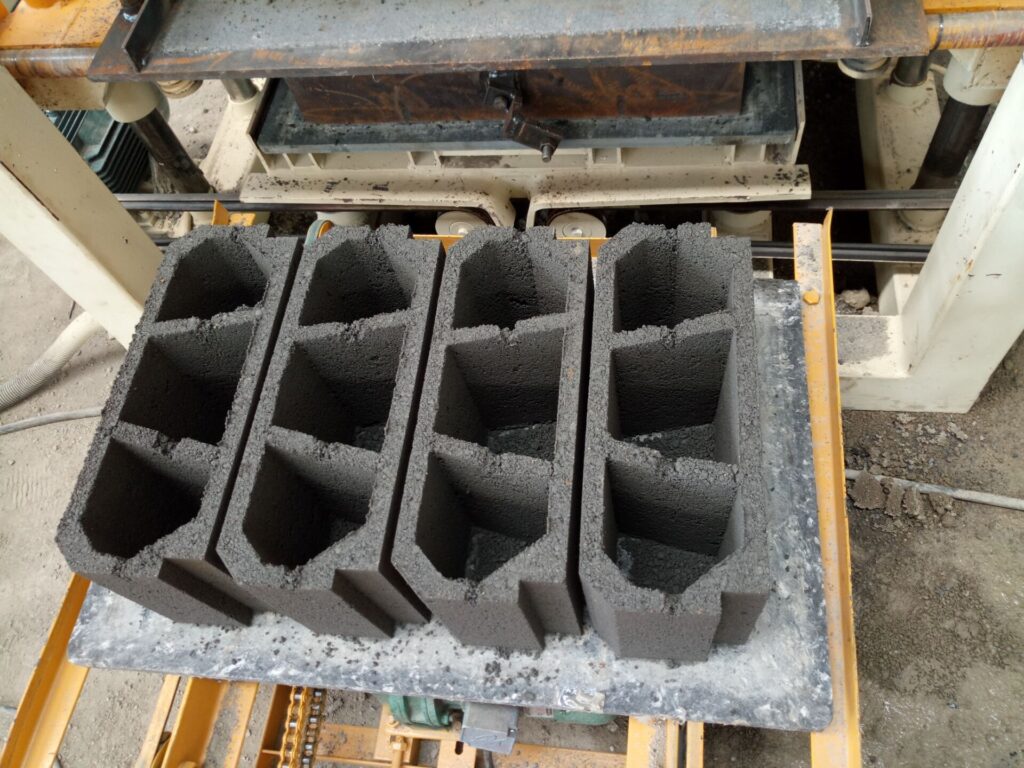
- ช่วงวิกฤตของการเติมและทำให้แน่นของแม่พิมพ์ส่วนผสมที่เตรียมไว้จะถูกเทลงในช่องแบบพิมพ์ การออกแบบและความแม่นยำของแม่พิมพ์นี้เป็นตัวกำหนดรูปร่างสุดท้ายของอิฐ ไม่ว่าจะเป็นบล็อกสี่เหลี่ยมมาตรฐาน แบบมีช่องกลวงสำหรับฉนวน หรือแผ่นปูพื้นที่มีลวดลายซับซ้อน ในเครื่องจักรที่ทันสมัย กลไกการเติมจะกระจายวัสดุอย่างสม่ำเสมอทั่วทั้งแม่พิมพ์ ป้องกันความหนาแน่นที่ไม่สม่ำเสมอ หลังจากเติมแล้ว ระบบจะใช้แรงกดทางกลหรือแรงไฮดรอลิกมหาศาล การกระทำนี้ไม่ใช่เพียงการอัดเท่านั้น แต่เป็นกระบวนการทำให้หนาแน่นที่ขับไล่อากาศที่ติดอยู่ภายใน จัดเรียงอนุภาคของวัสดุ และเริ่มกระบวนการเชื่อมประสานเบื้องต้น ส่งผลให้ได้ "อิฐดิบ" ที่มีความแข็งแรงเพียงพอสำหรับการเคลื่อนย้าย
- การบ่มเพื่อพัฒนาความแข็งแรงสูงสุดและการแปรรูปขั้นสุดท้ายเมื่อถูกปล่อยออกจากแม่พิมพ์ อิฐสีเขียวมีรูปร่างแต่ยังไม่มีความแข็งแรงเต็มที่ กระบวนการบ่มรักษาคือขั้นตอนที่มันได้รับความแข็งแกร่งเชิงโครงสร้าง ซึ่งสามารถทำได้สองวิธีหลัก วิธีแรกคือการบ่มรักษาแบบสถิต โดยการวางอิฐเป็นกองและคลุมด้วยผ้าบ่ม หรือวางในห้องที่มีการควบคุมอุณหภูมิและความชื้นเป็นระยะเวลาที่กำหนด เพื่อให้เกิดปฏิกิริยาไฮเดรชันของซีเมนต์อย่างสมบูรณ์ วิธีที่สองซึ่งใช้ในระบบผลิตปริมาณสูงบางระบบคือการบ่มด้วยไอน้ำในหม้อนึ่งความดัน ซึ่งเร่งการเพิ่มความแข็งแรงได้อย่างมาก หลังการบ่มรักษา หน่วยอิฐที่แข็งตัวแล้วจะถูกจัดเรียง นับจำนวน และวางซ้อนบนพาเลทโดยแขนกลหุ่นยนต์หรือระบบสายพานลำเลียง พร้อมสำหรับการห่อ การเก็บรักษา และการขนส่ง
1.2 ระบบการผลิตแบบจำแนกประเภท: การจับคู่เทคโนโลยีกับความต้องการของตลาด
ระบบการผลิตอิฐถูกจัดหมวดหมู่ตามวิธีการดำเนินงานและระดับการทำให้เป็นอัตโนมัติ ซึ่งแต่ละระบบตอบสนองต่อส่วนตลาดที่แตกต่างกัน
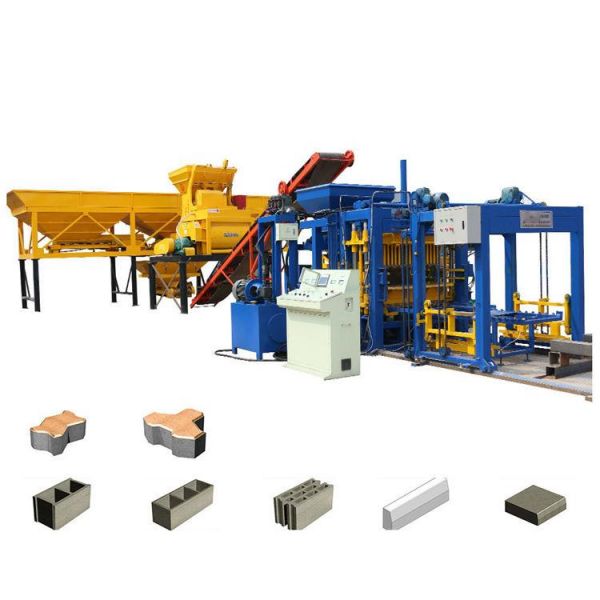
- สายการผลิตแบบบูรณาการเต็มรูปแบบ:สิ่งเหล่านี้คือสุดยอดผู้ล่าในวงการการผลิตอิฐ ออกแบบมาสำหรับผลผลิตมหาศาลที่ต่อเนื่องไม่หยุดชะงัก ลักษณะเฉพาะของพวกเขาคือกระบวนการแบบปิดที่ไร้รอยต่อ โดยที่การป้อนวัตถุดิบ การผสม การขึ้นรูป การบ่ม และการจัดเรียงบนพาเลทล้วนเชื่อมโยงกันและถูกควบคุมโดยระบบควบคุมกลางด้วยคอมพิวเตอร์ การแทรกแซงของมนุษย์จำกัดอยู่ที่การตรวจสอบ การบำรุงรักษา และการตั้งโปรแกรมเป็นหลัก เส้นการผลิตเหล่านี้เป็นตัวเลือกที่เหมาะสมที่สุดสำหรับการจัดหาโครงการโครงสร้างพื้นฐานขนาดใหญ่ ผู้จัดจำหน่ายระดับประเทศ และตลาดที่ปริมาณและคุณภาพที่สม่ำเสมอเป็นสิ่งที่ขาดไม่ได้
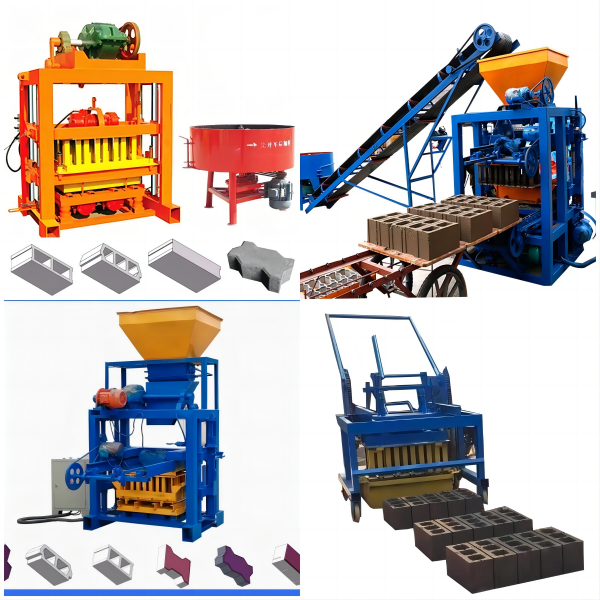
- หน่วยการผลิตที่มุ่งเน้นวัฏจักรหมวดหมู่นี้แสดงถึงจุดกึ่งกลางที่แข็งแกร่ง โดยให้ระบบอัตโนมัติสูงในกระบวนการอัดแกนกลาง ขณะที่ยังต้องการความช่วยเหลือจากมนุษย์สำหรับงานรอบข้าง ตัวเครื่องดำเนินวงจรการอัดและขึ้นรูปโดยอัตโนมัติ แต่ผู้ปฏิบัติงานอาจจำเป็นต้องป้อนวัตถุดิบลงในถังบรรจุหรือเคลื่อนย้ายอิฐที่เพิ่งขึ้นรูปใหม่ไปยังพื้นที่บ่ม การกำหนดค่านี้สร้างสมดุลที่ยอดเยี่ยม โดยให้กำลังการผลิตสูงและความสม่ำเสมอของคุณภาพที่น่าทึ่ง ด้วยการลงทุนด้านทุนที่ต่ำกว่าสายการผลิตแบบบูรณาการเต็มรูปแบบอย่างมาก ทำให้เหมาะสำหรับธุรกิจที่กำลังเติบโตและซัพพลายเออร์ระดับภูมิภาค
- ระบบบีบอัดด้วยมือนี่คือหน่วยผลิตที่เข้าถึงได้ง่ายและใช้งานได้หลากหลายที่สุด มักมีลักษณะเด่นคือความเคลื่อนย้ายได้ง่ายและเรียบง่าย การทำงานเป็นแบบใช้มือเป็นหลัก: ผู้ปฏิบัติงานเติมแบบพิมพ์ จากนั้นใช้คันโยกหรือปั๊มไฮดรอลิกขนาดเล็กเพื่ออัดแรงดัน แล้วปล่อยอิฐที่ขึ้นรูปแล้วลงพื้นหรือพาเลทโดยตรง แม้ว่าผลผลิตต่อชั่วโมงจะต่ำที่สุดและต้องพึ่งพาแรงงาน แต่ต้นทุนต่ำ การบำรุงรักษาน้อย และความสามารถในการติดตั้งในพื้นที่ด้วยโครงสร้างพื้นฐานขั้นต่ำ ทำให้เครื่องมือนี้เป็นอุปกรณ์ทรงพลังสำหรับผู้ประกอบการรายย่อย โครงการชุมชน และการผลิตเฉพาะทางที่ปริมาณไม่มาก
1.3 เกินกว่าผลลัพธ์: การประเมินประสิทธิภาพหลักและพารามิเตอร์ผลิตภัณฑ์
สำหรับผู้ซื้อเชิงพาณิชย์ การประเมินเครื่องจักรต้องมองข้ามข้อมูลจำเพาะในโบรชัวร์ ต้องพิจารณาในมุมมององค์รวมทั้งประสิทธิภาพการทำงานและคุณภาพของผลผลิตที่ได้มา
- ความสามารถในการผลิตและจังหวะการดำเนินงานตัวเลขอิฐต่อชั่วโมงต้องเข้าใจในบริบทของวงจรการผลิตทั้งหมด ซึ่งรวมถึงเวลาการบ่มด้วย ความสามารถที่แท้จริงของเครื่องจักรคือผลผลิตที่ยั่งยืนตลอดกะ 8 ชั่วโมงหรือ 24 ชั่วโมง ไม่ใช่แค่ตัวเลขสูงสุดทางทฤษฎี
- ความแม่นยำเชิงมิติและความเรียบของพื้นผิวความแม่นยำของแม่พิมพ์และความสม่ำเสมอของการใช้แรงกดส่งผลโดยตรงต่อความคลาดเคลื่อนเชิงมิติและคุณภาพพื้นผิวของอิฐ อุปกรณ์คุณภาพสูงจะผลิตอิฐที่มีขอบคม พื้นผิวเรียบ และขนาดสม่ำเสมอ ซึ่งช่วยให้การก่ออิฐทำได้ง่ายขึ้นและลดการใช้ปูนก่อ
- ความหลากหลายในการกำหนดสูตรวัตถุดิบข้อได้เปรียบที่สำคัญของระบบสมัยใหม่คือความสามารถในการทำงานได้อย่างมีประสิทธิภาพด้วยส่วนผสมของวัตถุดิบที่หลากหลาย ซึ่งรวมถึงความสามารถในการผสมผสานผลพลอยได้จากอุตสาหกรรม เช่น เถ้าลอยหรือตะกรัน ซึ่งสามารถช่วยลดต้นทุนวัสดุและเพิ่มมูลค่าทางสิ่งแวดล้อมของผลิตภัณฑ์ได้
- ความทนทานและความสามารถในการให้บริการของอุปกรณ์คุณภาพการก่อสร้างของเครื่องจักร เกรดของเหล็กที่ใช้ในโครงสร้างและแม่พิมพ์ และความน่าเชื่อถือของระบบไฮดรอลิกและระบบควบคุม เป็นตัวกำหนดอายุการใช้งานและต้นทุนรวมในการเป็นเจ้าของ การเข้าถึงง่ายสำหรับการบำรุงรักษาและการหาอะไหล่ทั่วไปได้อย่างแพร่หลาย เป็นปัจจัยทางโลจิสติกส์ที่สำคัญ
1.4 กรณีธุรกิจเชิงกลยุทธ์สำหรับเทคโนโลยีการผลิตขั้นสูง
การลงทุนในระบบการผลิตอิฐสมัยใหม่เป็นการตัดสินใจเชิงกลยุทธ์ที่มอบข้อได้เปรียบทางการแข่งขันหลายชั้น
- ประสิทธิภาพทางเศรษฐกิจและความสามารถในการขยายขนาดที่เหนือชั้นระบบอัตโนมัติลดต้นทุนการผลิตต่อหน่วยลงอย่างมากด้วยการเพิ่มผลผลิตสูงสุดและลดการใช้แรงงานตรง สิ่งนี้สร้างโมเดลธุรกิจที่สามารถขยายขนาดได้ โดยปริมาณที่เพิ่มขึ้นไม่จำเป็นต้องทำให้ต้นทุนการดำเนินงานเพิ่มขึ้นตามสัดส่วนเชิงเส้น นำไปสู่อัตรากำไรที่สูงขึ้น
- Guaranteed Product Consistency and Adherence to Standards: Machine-made bricks are uniform. This consistency is vital for builders, as it ensures predictable performance, simplifies construction processes, and guarantees compliance with national and international building codes, a key selling point for discerning clients.
- Empowerment through Product Diversification: With a library of interchangeable molds, a single investment can yield a diverse product catalog. A supplier can quickly switch from producing standard construction bricks to decorative pavers, retaining wall blocks, or specialized landscaping products, allowing them to capture multiple market segments and respond agilely to trends.
- Enhancement of Sustainability Credentials: The controlled production process significantly reduces material waste compared to traditional methods. Furthermore, the ability to use recycled aggregates and supplementary cementitious materials allows businesses to market a “greener” product, appealing to a growing segment of environmentally conscious contractors and developers.
1.5 A Procurement Framework for Commercial Stakeholders
Navigating the procurement process requires a disciplined, strategic approach focused on long-term value.
- Conducting a Comprehensive Market and Feasibility Analysis: Before selecting a machine, one must have a deep understanding of the local demand—preferred brick types, quality expectations, and price sensitivity. The chosen technology must be a precise fit for this market reality.
- Performing a Rigorous Total Cost of Ownership (TCO) Analysis: The purchase price is just the initial outlay. A prudent buyer will model all ongoing costs: energy consumption, labor, preventive maintenance, spare parts, and the cost of capital. This TCO model provides a true picture of the investment’s profitability.
- Vetting the Equipment Provider’s Support Ecosystem: The machine’s value is heavily dependent on the supplier’s support. Key questions must be asked: What is their lead time for critical spare parts? Do they offer comprehensive operator training? Is technical support readily accessible? A machine without reliable support is a liability.
- Validating Machine Performance and Compliance: Insist on seeing the machine in operation, preferably under conditions similar to your own. Request certification of compliance with relevant international safety and performance standards. This due diligence mitigates risk and ensures the equipment is fit for its intended purpose.
สรุป
The technology behind brick manufacturing represents a mature yet continuously evolving field. For distributors and procurement experts, the selection of appropriate machinery is a cornerstone decision that directly impacts market relevance, operational efficiency, and long-term profitability. The spectrum of available systems—from highly automated production lines to versatile manual presses—ensures that there is a technological solution for every business model and market tier. Success in this arena is not merely about purchasing a machine; it is about strategically investing in a production capability that delivers consistent quality, enables product diversification, and builds a formidable reputation for reliability. In the competitive global construction supply chain, mastery over this technology is synonymous with a sustainable competitive edge.
คำถามที่พบบ่อย (FAQ)
Q1: How does the final product from an automated system differ from one produced by a manual machine?
A: While both can produce structurally sound bricks, the key differences lie in consistency and finish. Automated systems produce bricks with exceptional dimensional uniformity, consistent density, and superior surface finish across thousands of units. Manual machines, while capable, may exhibit slight variations in size, density, and texture from one brick to the next due to the inherent variability in human-operated processes.
Q2: What is the typical lead time from procurement to full operational deployment for a semi-automatic system?
A: Lead times can vary significantly based on the complexity of the system and the manufacturer’s schedule. Generally, for a semi-automatic unit, expect a period of 4 to 8 weeks for manufacturing and shipping. On-site installation, foundation preparation, and operator training can add an additional 1 to 3 weeks before the system is fully operational and producing saleable bricks.
Q3: Can these systems be customized to produce unique or proprietary brick designs?
A: Absolutely. The primary method for defining a brick’s shape is the mold. Reputable equipment providers often offer custom mold design and fabrication services. This allows clients to produce unique, patented brick designs, specialty shapes for architectural projects, or products tailored to specific regional preferences.
Q4: What are the most common maintenance requirements, and what is their typical frequency?
A: Regular maintenance is crucial for longevity. Common tasks include:
- Daily: Cleaning of the mold and hopper, visual inspection for leaks or wear.
- Weekly: Checking and tightening of bolts and nuts, inspecting hydraulic hoses.
- Monthly: Changing hydraulic oil filters, checking and calibrating pressure sensors.
- Annually: A comprehensive inspection of the hydraulic system, electrical components, and structural frame.
Q5: How critical is the quality of raw materials to the machine’s performance and output quality?
A: It is fundamentally critical. The machine is designed to process specific types and sizes of aggregates. Using poorly graded sand, contaminated materials, or an incorrect water-cement ratio can lead to production issues like mold sticking, poor compaction, and low-strength bricks. Consistent, high-quality raw materials are a prerequisite for achieving the machine’s advertised performance and product quality.
Q6: What are the primary power requirements for operating a medium-capacity automated unit?
A: Most medium-to-large industrial units require a three-phase electrical power supply, typically at 380V-440V, with a significant power draw (e.g., 20-50 kW depending on the model). It is essential to have a stable power source and the necessary electrical infrastructure in place. Some systems can also be configured with optional diesel power units for locations with unreliable grid electricity.