Сектори глобалии сохтмон доимо аз тарафи талаботи барои материалҳои сохтмонии боэътимод, самаранок ва арзон баҳогузорӣ идора карда мешавад. Дар маркази ин саноат хишт, як ҷузъи асосӣ, ки усули истеҳсоли он аз тарафи мошинаҳои пешрафта инқилоб ёфтааст, қарор дорад. Барои тақсимкунандагон, дилерҳо ва мутахассисони харид, дарки нуқтаҳои ноаён ин дастгоҳҳо танҳо як машқи техникӣ нест, балки як зарурати ҳаётии тиҷоратӣ мебошад.
Муфассили системаҳои истеҳсоли хишти сохтмонӣ
1.1 Раванди Асосии Истеҳсолӣ: Аз Маводи Хом то Маҳсули Тайёр
Амалиёти системаи истеҳсоли хишт симфонияи муҳандисии дақиқ ва илми материал аст. Ин система тавассути раванди бо тартиби дақиқ ташкилшуда, моддаҳои хоми асосӣро ба воҳидҳои стандартии сохтмонии баландсадоф табдил медиҳад.
- Тайёр кардани дақиқи материалҳо ва ҳамҷунсӣ:Сафар бо интихоб ва мутаносиб кардани дақиқи маводи хом оғоз меёбад. Омехтаи асосӣ одатан аз семент, маҳсулоти гуногун (монанди рег, хоки санг ё хоки парвози) ва об иборат аст. Нисбати ин компонентҳо аз ҳама муҳим аст, ки қувват, сохт ва устувории маҳсули ниҳоиро муайян мекунад. Дар системаҳои пешрафта, тарозуҳои автоматӣ барои пайдоиши мунтазам дар байни батчҳо кафолат медиҳанд. Раванди омехта кардан танҳо дар бораи омехта кардан аст, балки дар бораи ба даст овардани як ҳамоҳангии ҳамвор, нимхушк аст, ки ҳар як зарраи семент бо маҳсулот якхела пӯшида шудааст ва нами ба таври баробар тақсим карда мешавад. Ин ҳамонгунии аввалин ва муҳимтарин қадам ба сӯи истеҳсоли хишти бо хусусиятҳои мунтазами сохторӣ мебошад.
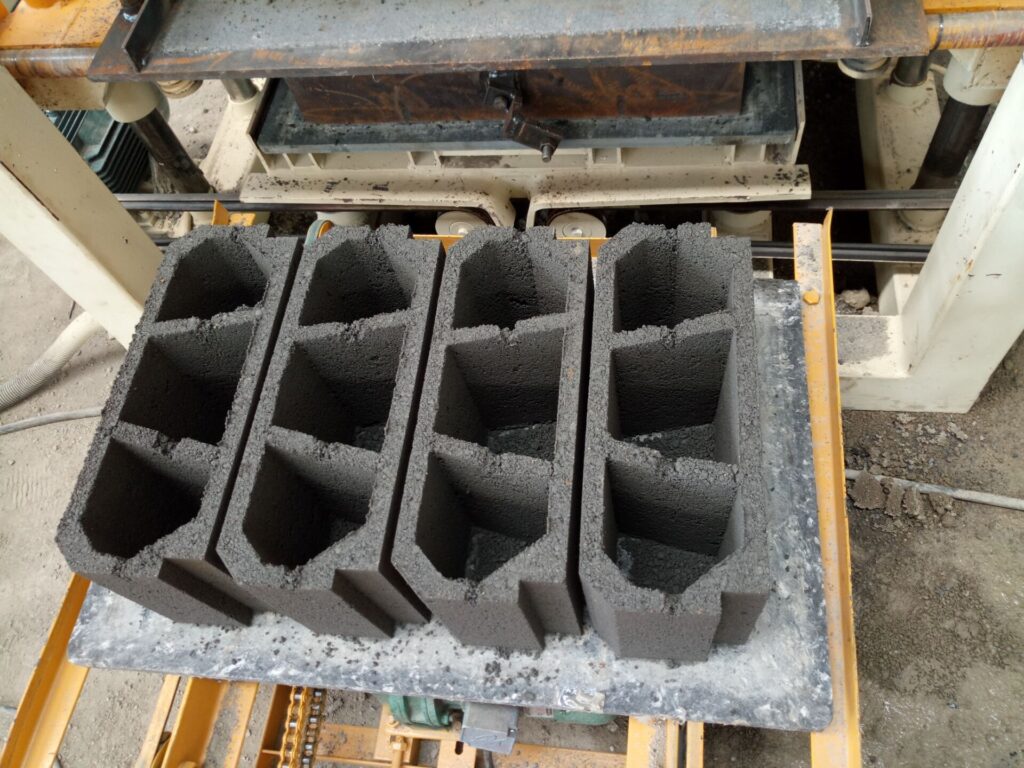
- Марҳилаи ҳалкунандаи пур кардани қолиб ва зичсозӣ:Он омехтаи тайёркардашуда ба ҳуфраи қолиб интиқол дода мешавад. Тарроҳӣ ва дақиқии ин қолиб шакли ниҳоии хиштиро муайян мекунад, ҳамчун блоки росткунҷаи стандартӣ, тарроҳии ҳуфраи ҷофӣ барои изолятсия ё санги фароши бо нақшу нигори мураккаб. Дар дастгоҳҳои мураккаб, механизми пуркунӣ тақсимоти баробари моддаро дар тамоми қолиб таъмин мекунад, ки аз нобаробарии зичии модда пешгирӣ менамояд. Баъди пур кардан, система фишори механикӣ ё гидравликии бузургро татбиқ мекунад. Ин амал танҳо фишор додан нест; ин раванди зичсозӣ аст, ки ҳавои даромандаро ба зӯрӣ берун мефиристад, зарраҳоро мураттаб мекунад ва раванди асосии пайвастшавиро оғоз менамояд, ки натиҷаи он хишти "хоми" бо салоҳияти кофӣ барои коркард аст.
- Барои рушди нерӯи ниҳоӣ ва коркарди ниҳоӣ шифо доданПас аз аз қолиб берун карда шудан, хишти хом шакли худро дорад, аммо пурра сахтиашро не. Раванди сахт кардан ҷоест, ки он сахтӣ ва қуввати сохториашро ба даст меорад. Ин метавонад тавассути ду усули асосӣ ба даст ояд. Якум сахт кардани статикӣ аст, ки дар он хиштҳо рӯи ҳам чанд қабата гузошта ва бо пардаҳои сахт кардан пӯшида мешаванд ё дар ҳуҷрае гузошта мешаванд, ки дар он ҳарорат ва намӣ барои муддати муайян нигоҳ дошта мешаванд, имкон медиҳад, ки гидратсияи семент пурра иҷро шавад. Дуюм, ки дар баъзе системаҳои истеҳсоли баланд истифода мешавад, сахт кардани буғ дар автоклавҳо мебошад, ки ба даст овардани сахтиро ба назаррасе суръат медиҳад. Пас аз сахт шудан, воҳидҳои сахтшуда ба таври худкор ҷудо, шумориш ва рӯи палетҳо тавассути дастҳои роботӣ ё системаҳои асосии конвейерӣ чанд қабата карда мешаванд, барои бастабандӣ, нигоҳдорӣ ва фиристодан омодаанд.
1.2 Таксономияи Системаҳои Истеҳсолӣ: Мувофиқкунии Технология ба Эҳтиёҷоти Бозор
Системаҳои истеҳсоли хишт вобаста ба усули кориашон ва дараҷаи автоматӣ ба гурӯҳҳои гуногун ҷудо карда мешаванд, ки ҳар яке ба сегменти муайяни бозор хидмат мерасонад.
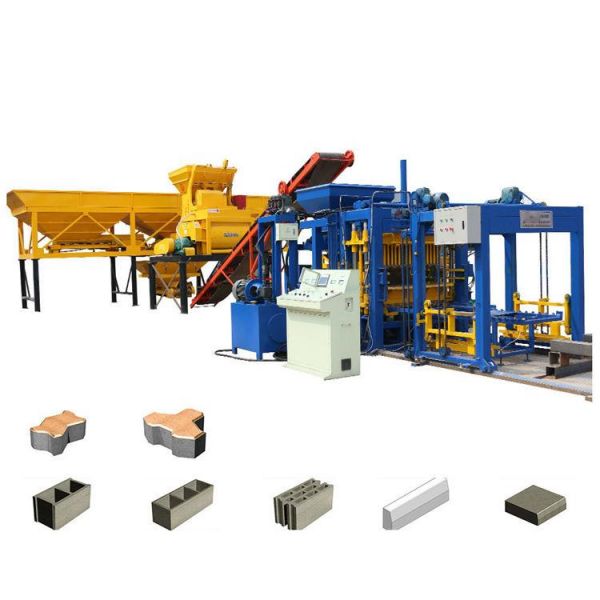
- Хатҳои истеҳсоли пурра интегратсияшуда:Инҳо бозоргарон дар истеҳсоли хишт мебошанд, ки барои истеҳсоли васеъ ва бефосила таҳия шудаанд. Онҳо бо раванди бегузашти басташуда тавсиф мешаванд, ки дар он дохилкунии маводи хом, омехтакунӣ, қолибгирӣ, пурра шудан ва ба палет гузоштан ҳама ба ҳам пайваст буда ва аз тарафи системаи марказии идоракунии компютерӣ идора карда мешаванд. Дастгунонии инсон асосан ба назорат, нигоҳдорӣ ва барномасозӣ маҳдуд аст. Ин хатҳо интихоби беҳтарин барои таъминоти лоиҳаҳои инфрасохтии васеъ, тақсимкунандагони миллӣ ва бозорҳое мебошанд, ки ҳаҷми зиёд ва сифати устувор дар онҳо ҳатмӣ аст.
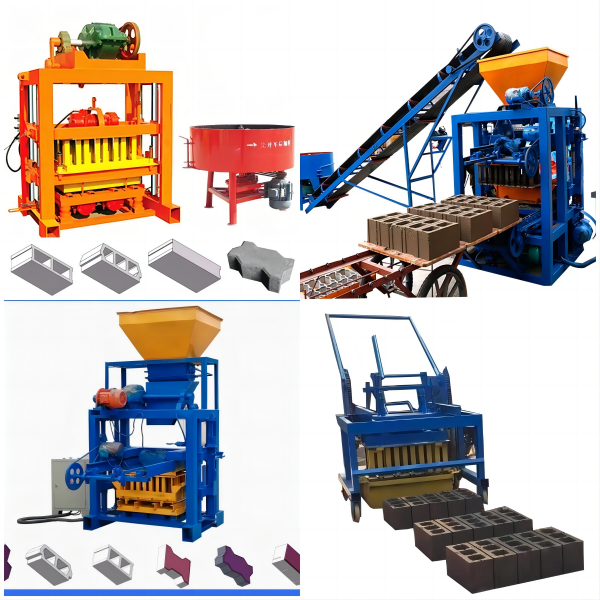
- Воҳидҳои истеҳсолии чархӣ: This category represents a robust middle ground, offering high automation in the core compaction process while requiring manual assistance for peripheral tasks. The machine itself performs the pressing and molding cycles automatically, but operators may be needed to feed raw material into the hopper or transfer the freshly molded bricks to the curing area. This configuration delivers an excellent balance, providing high production capacity and remarkable quality consistency at a capital investment significantly lower than a fully integrated line, making it ideal for growing businesses and regional suppliers.
- Manual Compression Systems: These are the most accessible and versatile units, often characterized by their portability and simplicity. Operation is fundamentally manual: an operator fills the mold box, engages a lever or a small hydraulic pump to apply pressure, and then releases the formed brick directly onto the ground or a pallet. While their output per hour is the lowest and they are labor-dependent, their low cost, minimal maintenance, and ability to be deployed on-site with minimal infrastructure make them a powerful tool for small entrepreneurs, community-based projects, and specialized, low-volume production runs.
1.3 Beyond Output: Evaluating Key Performance and Product Parameters
For a commercial buyer, the assessment of a machine goes beyond its brochure specifications. It involves a holistic view of its performance and the quality of the product it yields.
- Output Capacity and Operational Rhythm: The bricks-per-hour figure must be understood in the context of the entire production cycle, including curing time. A machine’s true capacity is its sustained output over an 8-hour or 24-hour shift, not just a peak theoretical number.
- Dimensional Accuracy and Surface Finish: The precision of the mold and the consistency of the pressure application directly impact the brick’s dimensional tolerances and surface quality. High-quality apparatuses produce bricks with sharp edges, smooth surfaces, and uniform dimensions, which simplifies bricklaying and reduces mortar usage.
- Versatility in Raw Material Formulation: A significant advantage of modern systems is their ability to function effectively with a wide range of raw material mixes. This includes the ability to incorporate industrial by-products like slag or fly ash, which can reduce material costs and enhance the product’s environmental profile.
- Durability and Serviceability of the Apparatus: The machine’s construction quality, the grade of steel used in the frame and mold, and the reliability of its hydraulic and control systems determine its operational lifespan and total cost of ownership. Easy access for maintenance and the widespread availability of common spare parts are critical logistical considerations.
1.4 The Strategic Business Case for Advanced Manufacturing Technology
Investing in a modern brick production system is a strategic decision that confers multiple layers of competitive advantage.
- Unmatched Economic Efficiency and Scalability: Automation slashes the per-unit cost of production by maximizing output and minimizing direct labor. This creates a scalable business model where increasing volume does not necessitate a linear increase in operational costs, leading to higher profit margins.
- Guaranteed Product Consistency and Adherence to Standards: Machine-made bricks are uniform. This consistency is vital for builders, as it ensures predictable performance, simplifies construction processes, and guarantees compliance with national and international building codes, a key selling point for discerning clients.
- Empowerment through Product Diversification: With a library of interchangeable molds, a single investment can yield a diverse product catalog. A supplier can quickly switch from producing standard construction bricks to decorative pavers, retaining wall blocks, or specialized landscaping products, allowing them to capture multiple market segments and respond agilely to trends.
- Enhancement of Sustainability Credentials: The controlled production process significantly reduces material waste compared to traditional methods. Furthermore, the ability to use recycled aggregates and supplementary cementitious materials allows businesses to market a “greener” product, appealing to a growing segment of environmentally conscious contractors and developers.
1.5 A Procurement Framework for Commercial Stakeholders
Navigating the procurement process requires a disciplined, strategic approach focused on long-term value.
- Conducting a Comprehensive Market and Feasibility Analysis: Before selecting a machine, one must have a deep understanding of the local demand—preferred brick types, quality expectations, and price sensitivity. The chosen technology must be a precise fit for this market reality.
- Performing a Rigorous Total Cost of Ownership (TCO) Analysis: The purchase price is just the initial outlay. A prudent buyer will model all ongoing costs: energy consumption, labor, preventive maintenance, spare parts, and the cost of capital. This TCO model provides a true picture of the investment’s profitability.
- Vetting the Equipment Provider’s Support Ecosystem: The machine’s value is heavily dependent on the supplier’s support. Key questions must be asked: What is their lead time for critical spare parts? Do they offer comprehensive operator training? Is technical support readily accessible? A machine without reliable support is a liability.
- Validating Machine Performance and Compliance: Insist on seeing the machine in operation, preferably under conditions similar to your own. Request certification of compliance with relevant international safety and performance standards. This due diligence mitigates risk and ensures the equipment is fit for its intended purpose.
Conclusion
The technology behind brick manufacturing represents a mature yet continuously evolving field. For distributors and procurement experts, the selection of appropriate machinery is a cornerstone decision that directly impacts market relevance, operational efficiency, and long-term profitability. The spectrum of available systems—from highly automated production lines to versatile manual presses—ensures that there is a technological solution for every business model and market tier. Success in this arena is not merely about purchasing a machine; it is about strategically investing in a production capability that delivers consistent quality, enables product diversification, and builds a formidable reputation for reliability. In the competitive global construction supply chain, mastery over this technology is synonymous with a sustainable competitive edge.
Frequently Asked Questions (FAQ)
Q1: How does the final product from an automated system differ from one produced by a manual machine?
A: While both can produce structurally sound bricks, the key differences lie in consistency and finish. Automated systems produce bricks with exceptional dimensional uniformity, consistent density, and superior surface finish across thousands of units. Manual machines, while capable, may exhibit slight variations in size, density, and texture from one brick to the next due to the inherent variability in human-operated processes.
Q2: What is the typical lead time from procurement to full operational deployment for a semi-automatic system?
A: Lead times can vary significantly based on the complexity of the system and the manufacturer’s schedule. Generally, for a semi-automatic unit, expect a period of 4 to 8 weeks for manufacturing and shipping. On-site installation, foundation preparation, and operator training can add an additional 1 to 3 weeks before the system is fully operational and producing saleable bricks.
Q3: Can these systems be customized to produce unique or proprietary brick designs?
A: Absolutely. The primary method for defining a brick’s shape is the mold. Reputable equipment providers often offer custom mold design and fabrication services. This allows clients to produce unique, patented brick designs, specialty shapes for architectural projects, or products tailored to specific regional preferences.
Q4: What are the most common maintenance requirements, and what is their typical frequency?
A: Regular maintenance is crucial for longevity. Common tasks include:
- Daily: Cleaning of the mold and hopper, visual inspection for leaks or wear.
- Weekly: Checking and tightening of bolts and nuts, inspecting hydraulic hoses.
- Monthly: Changing hydraulic oil filters, checking and calibrating pressure sensors.
- Annually: A comprehensive inspection of the hydraulic system, electrical components, and structural frame.
Q5: How critical is the quality of raw materials to the machine’s performance and output quality?
A: It is fundamentally critical. The machine is designed to process specific types and sizes of aggregates. Using poorly graded sand, contaminated materials, or an incorrect water-cement ratio can lead to production issues like mold sticking, poor compaction, and low-strength bricks. Consistent, high-quality raw materials are a prerequisite for achieving the machine’s advertised performance and product quality.
Q6: What are the primary power requirements for operating a medium-capacity automated unit?
A: Most medium-to-large industrial units require a three-phase electrical power supply, typically at 380V-440V, with a significant power draw (e.g., 20-50 kW depending on the model). It is essential to have a stable power source and the necessary electrical infrastructure in place. Some systems can also be configured with optional diesel power units for locations with unreliable grid electricity.