
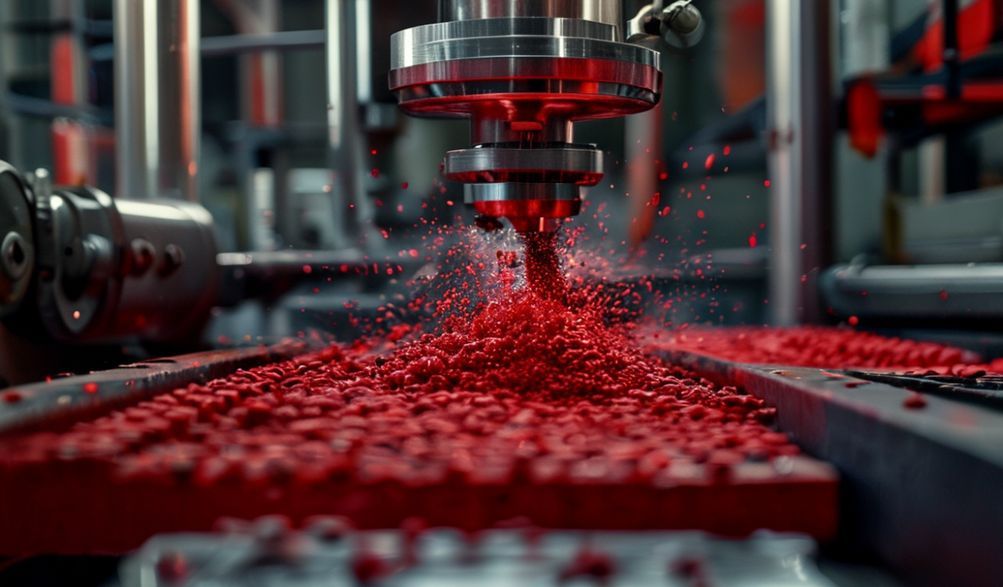
Revolusionering van Konstruksie: Die Volledige Gids vir Hidrouliese Baksteenpersmasjiene van FUDA Fabriek
Die globale konstruksiebedryf is in 'n konstante toestand van evolusie, aangedryf deur 'n onversadigbare vraag na volhoubare, duursame en hoësterkte boumateriaal. Om aan hierdie vraag te voldoen, verg meer as net ambisie; dit vereis die presisie en krag van moderne masjinerie. In die hart van hierdie moderne bourevolusie lê 'n kritieke stuk toerusting: die hidrouliese baksteenpersmasjien.
By FUDA, met meer as twee dekades van ingenieursuitnemendheid wat toegewy is aan baksteenvervaardigingsmasjinerie, het ons uit eerstehand gesien hoe die regte hidrouliese pers nie net stene maak nie—dit transformeer hele produksielyne, besigheidsmodelle en projekuitkomste. Te lank is bouers en vervaardigers beperk deur die beperkings van tradisionele metodes: handmatige vorming is stadig en arbeidsintensief, terwyl ouer meganiese perse dikwels wisselvallige kwaliteit lewer met hoë slytasie.
Die oplossing wat die industrienorm geword het, is die hidrouliese baksteenpersmasjien. Hierdie gids sal diep delf in die tegnologie, ongeëwenaarde voordele, uiteenlopende toepassings en kritieke oorwegings vir die keuse van die regte pers. Ons sal beklemtoon waarom die ingenieursafkoms en toewyding aan kwaliteit van dieFUDA baksteenvervaardigingsfabriekstel die maatstaf in hierdie veld. Teen die einde sal jy 'n duidelike begrip hê van hoe om 'n masjien te kies wat jou produksievermoë kan verhoog, jou produkgehalte kan verhoog en jou mededingende voorsprong kan verskans.
Wat is 'n Hidrouliese Baksteenpersmasjien? Die Kerntegnologie Verduidelik
'n Hidrouliese baksteenpersmasjien is 'n gesofistikeerde stuk industriële toerusting wat ontwerp is om rou materiale in digte, eenvormige bakstene te pers deur gebruik te maak van geweldige hidrouliese krag. Dit verteenwoordig die hoogtepunt van baksteen-vormende tegnologie, wat presisie, krag en herhaalbaarheid bo ouer, minder betroubare metodes prioritiseer.
Basiese Werksbeginsel: Krag en Presisie
Die masjien werk op die fundamentele beginsel vanPascal se Wetwat stel dat druk wat op 'n ingeperkte vloeistof toegepas word, onverminderd in alle rigtings oorgedra word. In die praktyk:
- Hidrouliese olie word onder druk geplaas deur 'n elektriese motor-aangedrewe pomp.
- Hierdie onder druk geplaasde olie word in 'n hidrouliese silinder gelei.
- Die krag wat binne die silinder gegenereer word, word oorgedra na 'n stootstang, wat in 'n vormholte vol rou materiaal indryf.
- Die materiaal—of dit nou klei, beton, vliegas of grond is—word aan geweldige, beheerde druk onderwerp, wat dit tot 'n presiese vorm en digtheid saampers.
Hierdie metode staan in skrille kontras met vibrasie-gebaseerde masjiene, wat op afsakking en oppervlakverdamping staatmaak, of handmetodes wat nie konsekwente druk kan bereik nie. Die resultaat is 'n baksteen met voortreflike strukturele integriteit van sy kern tot sy oppervlak.
Kernkomponente van 'n FUDA Hidrouliese Pers
Die betroubaarheid van enige masjien lê in die gehalte van sy komponente. By FUDA bou ons ons perse met duursaamheid as die voorste prioriteit.
- Hidrouliese Kragpakket:Die hart van die stelsel. Ons gebruik betroubare pompe, kleppe en akkumulators om gladde, konstante en energie-doeltreffende drukaflewering te verseker.
- Silinders:Vervaardig van hoësterkte staal met presisie-seëls, is ons silinders gebou om jare van hoëdruk siklusse sonder mislukking te weerstaan.
- Vorm/Matrijs:Die bepalende element van jou finale produk. FUDA-vorms word CNC-gemasjineer uit geharde legeringstaal, wat skerp steenrande, dimensionele akkuraatheid en buitengewone duursaamheid selfs onder skurende toestande verseker.
- Beheerstelsel:'n Gebruikersvriendelike Programmeerbare Logiese Beheerder (PLC) outomatiseer die produksiesiklus. Dit maak voorsiening vir presiese aanpassing van druk, tyd en volgorde, wat bondel-tot-bondel konsekwentheid verseker.
- Raamstruktuur:Die hele pers is gehuisves in 'n swaardiens-, gelaste staalraam. Hierdie robuuste konstruksie absorbeer die geweldige kragte wat betrokke is, verhoed buiging en verseker langtermyn-belyning en stabiliteit.
Die Produksiesiklus: Van Roumateriaal tot Voltooide Baksteen
Om die siklus te verstaan, demistifiseer dit die doeltreffendheid van die proses. 'n tipiese siklus in 'n semi-outomatiese of ten volle outomatiese FUDA-pers behels:
- Voeding:Die voorbereide rou materiaalmengsel word in die vormkas gevoer, hetsy handmatig of via 'n outomatiese toevoerstelsel.
- Kompression:Die hidrouliese ram daal af en pas voorafgestelde, hoë tonnage druk toe op die materiaal binne-in die vorm.
- VashouDie druk word vir 'n paar sekondes gehandhaaf om optimale materiaalverbinding en digtheid te verseker.
- Uitskiet: The ram retracts, and the newly formed brick is ejected from the mold onto a pallet or conveyor.
- Paletterisering/Stapeling: The finished bricks are systematically stacked for curing and transport.
Why Choose a Hydraulic Press? Unmatched Advantages for Your Business
Investing in a hydraulic brick press is a strategic decision that pays dividends across every aspect of your operation.
Superior Brick Quality and Consistency
This is the most significant advantage. The high, static pressure creates bricks with:
* Hoë Druksterkte: Often exceeding 10-20 MPa or more, making them ideal for load-bearing structures.
* Uniforme Digtheid: No weak spots or voids, leading to better structural performance and frost resistance.
* Sharp Edges and Smooth Faces: Excellent dimensional accuracy provides a professional finish, reducing mortar use and construction time.
* Low Water Absorption: The dense structure minimizes water ingress, enhancing durability and longevity in all climates.
Remarkable Production Efficiency and Output
Hydraulic presses are built for continuous, high-volume production.
* High Cycle Speeds: Modern presses can produce a brick every 10-20 seconds, translating to duisende bakstene per uur.
* Deurlopende Bedryf: Designed for 24/7 shift work with minimal downtime, maximizing your return on investment (ROI).
* Outomatisering Integrasie: From automatic feeding to robotic stacking, the process can be streamlined to require minimal manual intervention, slashing labor costs.
Veelsydigheid in Produkreeks
One machine can become a multi-product factory with simple mold changes.
* Soliede & Hol Blokke: For primary construction.
* Plaat- en Inlegbakstene:Vir landskap- en hardskapontwerp.
* Curb Stones & Specialty Shapes: For infrastructure and architectural projects.
This versatility allows you to diversify your product line and respond to market demands without major capital expenditure on new machines.
Economic and Environmental Benefits
- Verminderde Arbeidsafhanklikheid: Automation significantly cuts the need for a large workforce.
- Eco-Friendly Production: Hydraulic presses excel at utilizing industrial waste products like fly ash, slag, and quarry dust, turning environmental liabilities into valuable building materials.
- Minimal Raw Material Waste: Precise compression and consistent sizing ensure almost all input material is used in the final product.
Inside the FUDA Brick Making Factory: A Commitment to Excellence
Choosing a hydraulic press is also about choosing the manufacturer behind it. Our factory is where our philosophy becomes tangible machinery.
Our Engineering Philosophy: Durability Meets Innovation
We don’t just build machines to meet specifications; we over-engineer them to exceed expectations for years. Our design principles focus on:
* Longevity: Using componentry rated for higher loads and longer lifespans than the minimum requirement.
* User-Centricity: Intuitive controls, easy access for maintenance, and clear safety features.
* Energie Doeltreffendheid: Optimized hydraulic circuits and motor selections that reduce power consumption without sacrificing performance.
Rigorous Quality Control and Testing Protocols
Every machine that leaves the FUDA factory is a testament to our uncompromising standards.
1. Component Inspection: Every purchased part, from seals to steel plates, is verified against our specifications.
2. Assembly Verification: Each stage of assembly is checked for torque, alignment, and weld integrity.
3. Performance Trial: The completed machine undergoes a full production run under load, simulating real-world conditions.
4. Final Brick Test: Bricks produced during the trial are tested for strength and dimension. Only after passing all checks is a machine approved for shipment.
Customization and Client-Centric Solutions
Our experience serving diverse markets from Africa to Southeast America has taught us that one size does not fit all. We specialize in customizing our presses:
* Druk Kapasiteit: From 100 to 1000+ tons for different brick densities.
* Vormontwerp: Tailored to produce bricks that meet local building codes and aesthetic preferences.
* Outomatiseringsvlak: Configured from semi-automatic to fully automatic lines based on your labor and investment goals.
* Material Adaptation: We can adjust the system design to optimally process your locally available raw materials.
Selecting the Right Hydraulic Brick Press: A Buyer’s Checklist
Navigating the purchase requires a clear assessment of your needs and the machine’s capabilities.
Assessing Your Production Needs: Capacity and Output
- Calculate your current and projected brick demand (bricks per day/month).
- Consider your project scale: Are you supplying a single development or establishing a commercial plant?
- Plan for future growth. Investing in a slightly higher capacity machine can be more economical than upgrading in two years.
Kern Masjien Spesifikasies om te Ondersoek
- Druk (Tonnasie): Directly correlates to brick density and strength. Higher tonnage is needed for solid concrete blocks.
- Grootte van die vorm: Determines the final brick dimensions (e.g., 400x200x200mm for a standard hollow block).
- Power Rating: Impacts your electricity costs. Look for efficient systems.
- Graad van Outomatisering: Balances initial investment with long-term labor savings and output consistency.
Beyond the Machine: The Importance of Service and Support
The machine is just the beginning. Reliable after-sales support is critical for your operational success.
* Installasie & Opleiding: Does the supplier provide on-site commissioning and operator training?
* Waarborg: What is covered and for how long?
* Onderdele Beskikbaarheid: Is there a readily accessible inventory of wear parts?
* Tegniese Ondersteuning: Can you get remote or on-site assistance for troubleshooting?
FUDA maintains a global network of service partners and keeps a comprehensive stock of spare parts to ensure your production line keeps running, building trust through action, not just promises.
Applications and Materials: What Can You Produce?
The hydraulic press is a remarkably adaptable technology.
Ideal Raw Materials for Hydraulic Compression
- Klei: For traditional, high-strength clay bricks.
- Concrete Mix: Cement, sand, and aggregates for versatile concrete blocks.
- Vliegas: An excellent pozzolanic material, ideal for eco-friendly bricks.
- Stabilized Soil: For compressed earth blocks (CEBs), a sustainable building option.
End-Use Applications for High-Quality Bricks
- Residensiële & Kommersiële Konstruksie Load-bearing walls, partitions, and facades.
- Pavements & Landscaping: Durable paving stones, interlocking pavers, and garden edging.
- Infrastruktuurprojekte: Retaining wall blocks, culvert linings, and drainage channel bricks.
- Architectural Facades: Specialty shaped and colored bricks for aesthetic appeal.
FAQ Section
Q1: What is the average production capacity of a FUDA hydraulic brick press machine?
A: Capacity varies by model and automation level. A standard semi-automatic press can produce 5,000 to 8,000 bricks per 8-hour shift, while a fully automatic line can output 15,000 to 30,000+ bricks in the same period. The exact number depends on brick size, material, and cycle time settings.
Q2: How does a hydraulic press compare to an egg-laying or vibrating type machine?
A: The key difference is in pressure and brick quality. Hydraulic presses apply high, static pressure (measured in tons), producing dense, high-strength bricks with low water absorption. Egg-laying (mobile) and vibrating table machines use vibration and lower pressure, resulting in bricks suitable for non-load-bearing applications at a generally lower machine cost and simpler operation.
Q3: What kind of after-sales support does FUDA factory provide?
A: Our support is comprehensive: supervised installation and commissioning at your site, thorough training for your operators, a standard warranty on parts and workmanship, a guaranteed supply of genuine spare parts, and lifelong access to remote technical support via phone or video call.
Q4: Can the machine use local raw materials, or do we need special mixes?
A: A major strength of FUDA machines is their adaptability. We encourage clients to send samples of their local raw materials (soil, sand, fly ash) to our factory. Our engineers can then test them and, if necessary, recommend mix ratios or minor machine customizations to ensure optimal performance with your available resources.
Q5: What is the typical lead time and how does shipping work?
A: Lead time is typically 30-45 days after order confirmation for standard models, and longer for fully customized lines. We handle all export procedures professionally. Machines are securely loaded into shipping containers (20ft or 40ft). We offer standard FOB (Free On Board) terms and can arrange CIF (Cost, Insurance, and Freight) shipping to your nearest port, assisting with all necessary documentation.
Conclusion
The hydraulic brick press machine is more than equipment; it is a transformative investment in quality, efficiency, and business growth. By delivering unmatched brick strength, enabling high-volume production, and allowing for incredible product versatility, this technology is redefining what’s possible in construction material manufacturing.
Choosing the right partner for this investment is paramount. The FUDA baksteenvervaardigingsfabriek distinguishes itself through a deep-rooted engineering philosophy, relentless quality control, and a genuine commitment to client-centric customization and lifelong support. We don’t just sell machines; we build lasting partnerships by empowering your success with reliable, high-performance solutions.
Ready to transform your brick production? Contact the FUDA engineering team today for a free consultation and a customized quote based on your specific project requirements and local materials. Let’s build the future, brick by precise brick.
<