
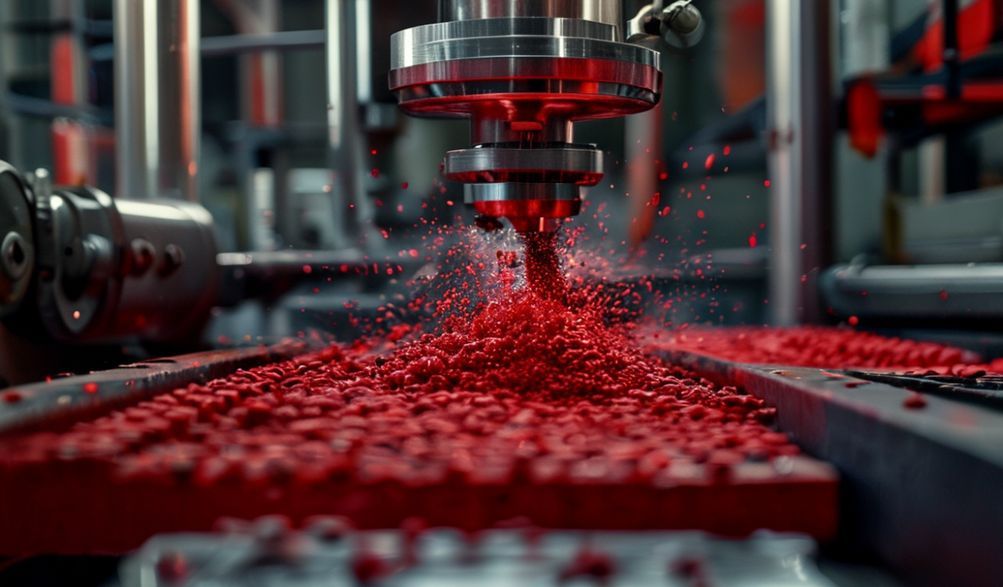
Cách mạng hóa Ngành Xây dựng: Hướng dẫn Toàn diện về Máy Ép Gạch Thủy lực từ Nhà máy FUDA
Ngành công nghiệp xây dựng toàn cầu đang trong quá trình tiến hóa không ngừng, được thúc đẩy bởi nhu cầu không ngừng về vật liệu xây dựng bền vững, bền bỉ và có độ bền cao. Để đáp ứng nhu cầu này, chỉ có tham vọng là chưa đủ; nó đòi hỏi sự chính xác và sức mạnh của máy móc hiện đại. Trung tâm của cuộc cách mạng xây dựng hiện đại này nằm ở một thiết bị then chốt: máy ép gạch thủy lực.
Tại FUDA, với hơn hai thập kỷ tinh hoa kỹ thuật chuyên sâu vào máy móc sản xuất gạch, chúng tôi đã trực tiếp chứng kiến cách một máy ép thủy lực phù hợp không chỉ đơn thuần tạo ra gạch—mà còn chuyển hóa toàn bộ dây chuyền sản xuất, mô hình kinh doanh và kết quả dự án. Quá lâu rồi, các nhà thầu xây dựng và nhà sản xuất đã bị gò bó bởi những hạn chế của phương pháp truyền thống: đúc thủ công thì chậm chạp và tốn nhiều nhân công, trong khi các máy ép cơ khí cũ thường cho chất lượng không đồng đều với mức độ hao mòn cao.
Giải pháp đã trở thành tiêu chuẩn ngành chính là máy ép gạch thủy lực. Hướng dẫn này sẽ đi sâu phân tích công nghệ, những lợi ích vượt trội, ứng dụng đa dạng và các yếu tố quan trọng cần cân nhắc khi lựa chọn máy ép phù hợp. Chúng tôi sẽ làm nổi bật lý do tại sao nền tảng kỹ thuật và cam kết chất lượng từNhà máy sản xuất gạch FUDAđịnh ra tiêu chuẩn trong lĩnh vực này. Đến cuối cùng, bạn sẽ hiểu rõ cách lựa chọn một máy móc có thể tăng cường năng lực sản xuất, nâng cao chất lượng sản phẩm và củng cố lợi thế cạnh tranh của mình.
Máy Ép Gạch Thủy Lực là Gì? Giải Thích Công Nghệ Cốt Lõi
Máy ép gạch thủy lực là một thiết bị công nghiệp tinh vi, được thiết kế để nén nguyên liệu thô thành những viên gạch đặc chắc và đồng đều nhờ lực thủy lực cực lớn. Nó đại diện cho đỉnh cao của công nghệ định hình gạch, đề cao độ chính xác, công suất và khả năng lặp lại so với các phương pháp cũ kém tin cậy hơn.
Nguyên Lý Hoạt Động Cơ Bản: Công Suất và Độ Chính Xác
Máy hoạt động dựa trên nguyên lý cơ bản củaĐịnh luật Pascal, trong đó áp suất tác dụng lên chất lỏng bị giới hạn sẽ được truyền đi nguyên vẹn theo mọi hướng. Trong thực tế:
- Dầu thủy lực được nén bởi một máy bơm chạy bằng động cơ điện.
- Dầu áp suất này được dẫn vào một xi lanh thủy lực.
- Lực sinh ra trong xi lanh được truyền đến một piston, đẩy vào khoang khuôn chứa đầy nguyên liệu thô.
- Vật liệu—dù là đất sét, bê tông, tro bay, hay đất—được chịu áp lực khổng lồ có kiểm soát, nén chặt thành hình dạng và mật độ chính xác.
Phương pháp này hoàn toàn đối lập với các máy dựa trên rung động, vốn phụ thuộc vào sự lắng đọng và nén chặt bề mặt, hay các phương pháp thủ công không thể tạo ra áp lực đồng đều. Kết quả là viên gạch có tính toàn vẹn cấu trúc vượt trội từ lõi đến bề mặt.
Các Thành Phần Chính của Máy Ép Thủy Lực FUDA
Độ tin cậy của bất kỳ máy móc nào đều nằm ở chất lượng của các thành phần cấu tạo. Tại FUDA, chúng tôi chế tạo máy ép với ưu tiên hàng đầu là độ bền vượt trội.
- Bộ Nguồn Thủy Lực:Trái tim của hệ thống. Chúng tôi sử dụng các máy bơm, van và bình tích áp đáng tin cậy để đảm bảo việc cung cấp áp suất diễn ra trơn tru, ổn định và tiết kiệm năng lượng.
- Xi lanh:Được sản xuất từ thép cường độ cao với các vòng đệm chính xác, xi lanh của chúng tôi được chế tạo để chịu đựng hàng năm chu kỳ áp suất cao mà không bị hỏng.
- Khuôn/Đúc:Yếu tố định hình sản phẩm cuối cùng của bạn. Khuôn FUDA được gia công CNC từ thép hợp kim đã tôi cứng, đảm bảo các cạnh gạch sắc nét, độ chính xác về kích thước và tuổi thọ vượt trội ngay cả trong điều kiện mài mòn cao.
- Hệ Thống Điều Khiển:Một Bộ điều khiển Logic Khả trình (PLC) thân thiện với người dùng tự động hóa chu kỳ sản xuất. Nó cho phép điều chỉnh chính xác áp suất, thời gian và trình tự, đảm bảo tính nhất quán giữa các lô sản xuất.
- Cấu trúc khungToàn bộ máy ép được đặt trong khung thép hàn chắc chắn, loại chịu lực cao. Kết cấu bền vững này giúp hấp thụ lực tác động cực lớn, ngăn ngừa biến dạng và đảm bảo độ liên kết cũng như tính ổn định lâu dài.
Chu trình sản xuất: Từ nguyên liệu thô đến viên gạch thành phẩm
Hiểu rõ chu trình giúp làm sáng tỏ hiệu quả của quy trình. Một chu trình điển hình trong máy ép FUDA bán tự động hoặc tự động hoàn toàn bao gồm:
- Cho ăn:Hỗn hợp nguyên liệu thô đã chuẩn bị được đưa vào hộp khuôn, bằng tay hoặc thông qua hệ thống cấp liệu tự động.
- Nén:Bộ phận thủy lực hạ xuống, tác động áp lực cao với lực định sẵn lên vật liệu trong khuôn.
- Giữ The pressure is maintained for a few seconds to allow for optimal material bonding and density.
- Đẩy ra: The ram retracts, and the newly formed brick is ejected from the mold onto a pallet or conveyor.
- Xếp chồng/Chất đống: The finished bricks are systematically stacked for curing and transport.
Why Choose a Hydraulic Press? Unmatched Advantages for Your Business
Investing in a hydraulic brick press is a strategic decision that pays dividends across every aspect of your operation.
Superior Brick Quality and Consistency
This is the most significant advantage. The high, static pressure creates bricks with:
* Độ Bền Nén Cao: Often exceeding 10-20 MPa or more, making them ideal for load-bearing structures.
* Mật độ đồng đều: No weak spots or voids, leading to better structural performance and frost resistance.
* Sharp Edges and Smooth Faces: Excellent dimensional accuracy provides a professional finish, reducing mortar use and construction time.
* Khả năng hấp thụ nước thấp The dense structure minimizes water ingress, enhancing durability and longevity in all climates.
Remarkable Production Efficiency and Output
Hydraulic presses are built for continuous, high-volume production.
* High Cycle Speeds: Modern presses can produce a brick every 10-20 seconds, translating to hàng ngàn viên gạch mỗi giờ.
* Hoạt động liên tục: Designed for 24/7 shift work with minimal downtime, maximizing your return on investment (ROI).
* Tích hợp Tự động hóa: From automatic feeding to robotic stacking, the process can be streamlined to require minimal manual intervention, slashing labor costs.
Tính Đa Dạng Trong Dải Sản Phẩm
One machine can become a multi-product factory with simple mold changes.
* Gạch Đặc & Gạch Rỗng: For primary construction.
* Gạch lát & Gạch lồng ghépCho cảnh quan và hạ tầng cứng.
* Curb Stones & Specialty Shapes: For infrastructure and architectural projects.
This versatility allows you to diversify your product line and respond to market demands without major capital expenditure on new machines.
Economic and Environmental Benefits
- Giảm Sự Phụ Thuộc Vào Lao Động Automation significantly cuts the need for a large workforce.
- Eco-Friendly Production: Hydraulic presses excel at utilizing industrial waste products like fly ash, slag, and quarry dust, turning environmental liabilities into valuable building materials.
- Minimal Raw Material Waste: Precise compression and consistent sizing ensure almost all input material is used in the final product.
Inside the FUDA Brick Making Factory: A Commitment to Excellence
Choosing a hydraulic press is also about choosing the manufacturer behind it. Our factory is where our philosophy becomes tangible machinery.
Our Engineering Philosophy: Durability Meets Innovation
We don’t just build machines to meet specifications; we over-engineer them to exceed expectations for years. Our design principles focus on:
* Longevity: Using componentry rated for higher loads and longer lifespans than the minimum requirement.
* User-Centricity: Intuitive controls, easy access for maintenance, and clear safety features.
* Hiệu suất Năng lượng: Optimized hydraulic circuits and motor selections that reduce power consumption without sacrificing performance.
Rigorous Quality Control and Testing Protocols
Every machine that leaves the FUDA factory is a testament to our uncompromising standards.
1. Component Inspection: Every purchased part, from seals to steel plates, is verified against our specifications.
2. Assembly Verification: Each stage of assembly is checked for torque, alignment, and weld integrity.
3. Performance Trial: The completed machine undergoes a full production run under load, simulating real-world conditions.
4. Final Brick Test: Bricks produced during the trial are tested for strength and dimension. Only after passing all checks is a machine approved for shipment.
Customization and Client-Centric Solutions
Our experience serving diverse markets from Africa to Southeast America has taught us that one size does not fit all. We specialize in customizing our presses:
* Pressure Capacity: From 100 to 1000+ tons for different brick densities.
* Thiết kế Khuôn Tailored to produce bricks that meet local building codes and aesthetic preferences.
* Mức độ Tự động hóa: Configured from semi-automatic to fully automatic lines based on your labor and investment goals.
* Material Adaptation: We can adjust the system design to optimally process your locally available raw materials.
Selecting the Right Hydraulic Brick Press: A Buyer’s Checklist
Navigating the purchase requires a clear assessment of your needs and the machine’s capabilities.
Assessing Your Production Needs: Capacity and Output
- Calculate your current and projected brick demand (bricks per day/month).
- Consider your project scale: Are you supplying a single development or establishing a commercial plant?
- Plan for future growth. Investing in a slightly higher capacity machine can be more economical than upgrading in two years.
Các Thông Số Kỹ Thuật Máy Móc Cần Kiểm Tra Kỹ Lưỡng
- Áp lực (Tấn lực): Directly correlates to brick density and strength. Higher tonnage is needed for solid concrete blocks.
- Kích thước khuôn: Determines the final brick dimensions (e.g., 400x200x200mm for a standard hollow block).
- Power Rating: Impacts your electricity costs. Look for efficient systems.
- Mức độ Tự động hóa: Balances initial investment with long-term labor savings and output consistency.
Beyond the Machine: The Importance of Service and Support
The machine is just the beginning. Reliable after-sales support is critical for your operational success.
* Cài đặt & Đào tạo: Does the supplier provide on-site commissioning and operator training?
* Bảo hành: What is covered and for how long?
* Sẵn có Phụ tùng Thay thế: Is there a readily accessible inventory of wear parts?
* Hỗ trợ Kỹ thuật: Can you get remote or on-site assistance for troubleshooting?
FUDA maintains a global network of service partners and keeps a comprehensive stock of spare parts to ensure your production line keeps running, building trust through action, not just promises.
Applications and Materials: What Can You Produce?
The hydraulic press is a remarkably adaptable technology.
Ideal Raw Materials for Hydraulic Compression
- Đất sét For traditional, high-strength clay bricks.
- Concrete Mix: Cement, sand, and aggregates for versatile concrete blocks.
- Tro bay: An excellent pozzolanic material, ideal for eco-friendly bricks.
- Stabilized Soil: For compressed earth blocks (CEBs), a sustainable building option.
End-Use Applications for High-Quality Bricks
- Dân dụng & Thương mại Xây dựng Load-bearing walls, partitions, and facades.
- Pavements & Landscaping: Durable paving stones, interlocking pavers, and garden edging.
- Dự án Hạ tầng: Retaining wall blocks, culvert linings, and drainage channel bricks.
- Architectural Facades: Specialty shaped and colored bricks for aesthetic appeal.
FAQ Section
Q1: What is the average production capacity of a FUDA hydraulic brick press machine?
A: Capacity varies by model and automation level. A standard semi-automatic press can produce 5,000 to 8,000 bricks per 8-hour shift, while a fully automatic line can output 15,000 to 30,000+ bricks in the same period. The exact number depends on brick size, material, and cycle time settings.
Q2: How does a hydraulic press compare to an egg-laying or vibrating type machine?
A: The key difference is in pressure and brick quality. Hydraulic presses apply high, static pressure (measured in tons), producing dense, high-strength bricks with low water absorption. Egg-laying (mobile) and vibrating table machines use vibration and lower pressure, resulting in bricks suitable for non-load-bearing applications at a generally lower machine cost and simpler operation.
Q3: What kind of after-sales support does FUDA factory provide?
A: Our support is comprehensive: supervised installation and commissioning at your site, thorough training for your operators, a standard warranty on parts and workmanship, a guaranteed supply of genuine spare parts, and lifelong access to remote technical support via phone or video call.
Q4: Can the machine use local raw materials, or do we need special mixes?
A: A major strength of FUDA machines is their adaptability. We encourage clients to send samples of their local raw materials (soil, sand, fly ash) to our factory. Our engineers can then test them and, if necessary, recommend mix ratios or minor machine customizations to ensure optimal performance with your available resources.
Q5: What is the typical lead time and how does shipping work?
A: Lead time is typically 30-45 days after order confirmation for standard models, and longer for fully customized lines. We handle all export procedures professionally. Machines are securely loaded into shipping containers (20ft or 40ft). We offer standard FOB (Free On Board) terms and can arrange CIF (Cost, Insurance, and Freight) shipping to your nearest port, assisting with all necessary documentation.
Conclusion
The hydraulic brick press machine is more than equipment; it is a transformative investment in quality, efficiency, and business growth. By delivering unmatched brick strength, enabling high-volume production, and allowing for incredible product versatility, this technology is redefining what’s possible in construction material manufacturing.
Choosing the right partner for this investment is paramount. The Nhà máy sản xuất gạch FUDA distinguishes itself through a deep-rooted engineering philosophy, relentless quality control, and a genuine commitment to client-centric customization and lifelong support. We don’t just sell machines; we build lasting partnerships by empowering your success with reliable, high-performance solutions.
Ready to transform your brick production? Contact the FUDA engineering team today for a free consultation and a customized quote based on your specific project requirements and local materials. Let’s build the future, brick by precise brick.
<