
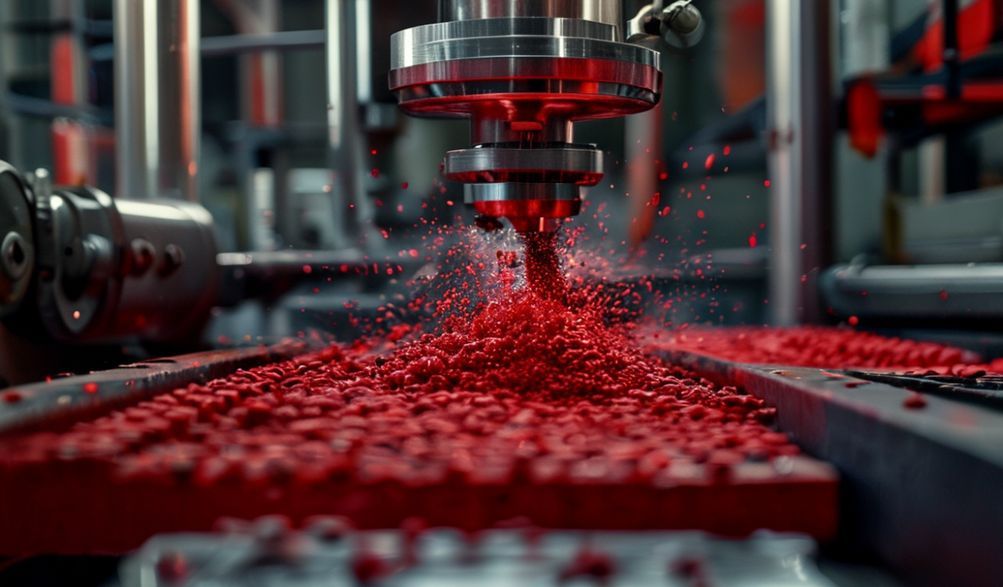
건설 혁신: 푸다 공장의 수력 벽돌 프레스 기계 완벽 가이드
글로벌 건설 산업은 지속 가능하고 내구성 있으며 고강도의 건축 자재에 대한 끊임없는 수요에 의해 끊임없이 진화하고 있습니다. 이 수요를 충족시키는 데는 단순한 야망 이상의 것이 필요합니다. 바로 현대 기계의 정밀성과 힘이 요구됩니다. 이러한 현대 건설 혁명의 중심에는 중요한 장비인 수압 벽돌 프레스 기계가 자리 잡고 있습니다.
20년 이상 벽돌 제작 기계 분야의 공학적 노하우를 보유한 FUDA에서는 적합한 유압 프레스가 단순히 벽돌을 만드는 것을 넘어, 전체 생산 라인, 비즈니스 모델 및 프로젝트 성과를 혁신하는 모습을 직접 목격해 왔습니다. 오랜 기간 동안 건설업자와 제조업자들은 전통적 방식의 한계에 묶여 있었습니다: 수동 성형은 느리고 노동 집약적이며, 구형 기계식 프레스는 마모가 심하고 품질이 일관되지 않는 경우가 많았습니다.
산업 표준이 된 해결책은 바로 수압식 벽돌 프레스 기계입니다. 본 가이드에서는 이 기술, 뛰어난 장점, 다양한 적용 분야, 그리고 적합한 프레스를 선택하기 위한 핵심 고려사항에 대해 깊이 있게 살펴볼 것입니다. 또한,푸다 벽돌 제조 공장이 분야의 기준을 제시합니다. 마지막에는 생산 능력을 향상시키고, 제품 품질을 높이며, 경쟁 우위를 확고히 할 수 있는 기계를 선택하는 방법에 대한 명확한 이해를 갖게 될 것입니다.
수압 벽돌 프레스 기계란 무엇인가? 핵심 기술 설명
유압 벽돌 프레스 기계는 강력한 유압력을 이용해 원자재를 밀집되고 균일한 벽돌로 압축하는 정교한 산업 장비입니다. 이 기계는 정밀성, 힘, 반복 가능성을 중시하며, 오래되고 덜 신뢰할 수 있는 방법들을 넘어 벽돌 성형 기술의 정점을 보여줍니다.
기본 작동 원리: 힘과 정밀성
이 기계는 기본 원리에 따라 작동합니다.파스칼의 법칙밀폐된 유체에 가해진 압력은 모든 방향으로 감소 없이 전달된다는 원리를 말합니다. 실제로는:
- 유압 오일은 전동 모터 구동 펌프에 의해 가압됩니다.
- 이 가압된 오일은 유압 실린더로 유입됩니다.
- 실린더 내에서 발생된 힘은 램으로 전달되어, 원료가 채워진 금형 캐비티로 밀어 넣어집니다.
- 재료—점토, 콘크리트, 플라이 애시, 흙 등—는 엄청난 압력을 조절된 상태로 받아 정밀한 형태와 밀도로 압축됩니다.
이 방법은 진동 기반 기계나 일관된 압력을 달성할 수 없는 수동 방식과는 극명히 대비됩니다. 그 결과, 코어부터 표면까지 우수한 구조적 견고성을 지닌 벽돌이 만들어집니다.
FUDA 유압 프레스의 주요 구성 요소
어떤 기계의 신뢰성도 그 구성 부품의 품질에 달려 있습니다. FUDA에서는 내구성을 최우선으로 하여 프레스를 제작합니다.
- 유압 파워 팩시스템의 핵심입니다. 우리는 안정적인 펌프, 밸브, 그리고 어큐뮬레이터를 사용하여 원활하고 일관적이며 에너지 효율적인 압력 전달을 보장합니다.
- 실린더고강도 강철과 정밀한 실링으로 제작된 당사의 실린더는 고압 사이클을 수년간 견디며 고장 없이 작동하도록 설계되었습니다.
- 금형/다이최종 제품의 결정적 요소. FUDA 몰드는 경화 합금강으로 CNC 가공되어, 마모성 조건에서도 날카로운 벽돌 모서리, 치수 정확성, 그리고 탁월한 내구성을 보장합니다.
- 제어 시스템사용자 친화적인 프로그래머블 로직 컨트롤러(PLC)는 생산 사이클을 자동화합니다. 이를 통해 압력, 시간, 순서를 정밀하게 조정할 수 있어 배치 간 일관성을 보장합니다.
- 프레임 구조:전체 프레스는 내구성이 뛰어난 용접 강철 프레임 내에 장착되어 있습니다. 이 견고한 구조는 가공 중 발생하는 엄청난 힘을 흡수하여 휨을 방지하고 장기적인 정렬과 안정성을 보장합니다.
생산 사이클: 원자재에서 완성된 벽돌까지
사이클을 이해하면 공정의 효율성이 명확해집니다. 반자동 또는 완전 자동 FUDA 프레스의 일반적인 사이클은 다음과 같습니다:
- 급식준비된 원료 혼합물은 수동으로 또는 자동 공급 시스템을 통해 몰드 박스에 투입됩니다.
- 압축유압 램이 하강하여 금형 내 재료에 미리 설정된 고토압을 가합니다.
- 보유압력은 최적의 재료 접착과 밀도를 위해 몇 초간 유지됩니다.
- 이젝션램이 후퇴하면서 새로 형성된 벽돌이 몰드에서 팔레트나 컨베이어 위로 배출됩니다.
- 팔레타이징/스태킹:완성된 벽돌은 경화와 운송을 위해 체계적으로 쌓입니다.
Why Choose a Hydraulic Press? Unmatched Advantages for Your Business
Investing in a hydraulic brick press is a strategic decision that pays dividends across every aspect of your operation.
Superior Brick Quality and Consistency
This is the most significant advantage. The high, static pressure creates bricks with:
* 높은 압축 강도: Often exceeding 10-20 MPa or more, making them ideal for load-bearing structures.
* 균일 밀도 No weak spots or voids, leading to better structural performance and frost resistance.
* Sharp Edges and Smooth Faces: Excellent dimensional accuracy provides a professional finish, reducing mortar use and construction time.
* 낮은 흡수율 The dense structure minimizes water ingress, enhancing durability and longevity in all climates.
Remarkable Production Efficiency and Output
Hydraulic presses are built for continuous, high-volume production.
* High Cycle Speeds: Modern presses can produce a brick every 10-20 seconds, translating to 시간당 수천 개의 벽돌.
* 지속적인 운영 Designed for 24/7 shift work with minimal downtime, maximizing your return on investment (ROI).
* 자동화 통합: From automatic feeding to robotic stacking, the process can be streamlined to require minimal manual intervention, slashing labor costs.
제품 라인업의 다양성
One machine can become a multi-product factory with simple mold changes.
* 솔리드 블록 & 홀로우 블록: For primary construction.
* 포장 및 인터록킹 브릭:조경 및 경관 설계용
* Curb Stones & Specialty Shapes: For infrastructure and architectural projects.
This versatility allows you to diversify your product line and respond to market demands without major capital expenditure on new machines.
Economic and Environmental Benefits
- 노동 의존도 감소 Automation significantly cuts the need for a large workforce.
- Eco-Friendly Production: Hydraulic presses excel at utilizing industrial waste products like fly ash, slag, and quarry dust, turning environmental liabilities into valuable building materials.
- Minimal Raw Material Waste: Precise compression and consistent sizing ensure almost all input material is used in the final product.
Inside the FUDA Brick Making Factory: A Commitment to Excellence
Choosing a hydraulic press is also about choosing the manufacturer behind it. Our factory is where our philosophy becomes tangible machinery.
Our Engineering Philosophy: Durability Meets Innovation
We don’t just build machines to meet specifications; we over-engineer them to exceed expectations for years. Our design principles focus on:
* Longevity: Using componentry rated for higher loads and longer lifespans than the minimum requirement.
* User-Centricity: Intuitive controls, easy access for maintenance, and clear safety features.
* 에너지 효율 Optimized hydraulic circuits and motor selections that reduce power consumption without sacrificing performance.
Rigorous Quality Control and Testing Protocols
Every machine that leaves the FUDA factory is a testament to our uncompromising standards.
1. Component Inspection: Every purchased part, from seals to steel plates, is verified against our specifications.
2. Assembly Verification: Each stage of assembly is checked for torque, alignment, and weld integrity.
3. Performance Trial: The completed machine undergoes a full production run under load, simulating real-world conditions.
4. Final Brick Test: Bricks produced during the trial are tested for strength and dimension. Only after passing all checks is a machine approved for shipment.
Customization and Client-Centric Solutions
Our experience serving diverse markets from Africa to Southeast America has taught us that one size does not fit all. We specialize in customizing our presses:
* 압력 용량 From 100 to 1000+ tons for different brick densities.
* 금형 설계 Tailored to produce bricks that meet local building codes and aesthetic preferences.
* 자동화 수준: Configured from semi-automatic to fully automatic lines based on your labor and investment goals.
* 재료 적응: We can adjust the system design to optimally process your locally available raw materials.
Selecting the Right Hydraulic Brick Press: A Buyer’s Checklist
Navigating the purchase requires a clear assessment of your needs and the machine’s capabilities.
Assessing Your Production Needs: Capacity and Output
- Calculate your current and projected brick demand (bricks per day/month).
- Consider your project scale: Are you supplying a single development or establishing a commercial plant?
- Plan for future growth. Investing in a slightly higher capacity machine can be more economical than upgrading in two years.
검토해야 할 주요 기계 사양
- 압력 (톤수): Directly correlates to brick density and strength. Higher tonnage is needed for solid concrete blocks.
- 금형 크기: Determines the final brick dimensions (e.g., 400x200x200mm for a standard hollow block).
- Power Rating: Impacts your electricity costs. Look for efficient systems.
- 자동화 정도: Balances initial investment with long-term labor savings and output consistency.
Beyond the Machine: The Importance of Service and Support
The machine is just the beginning. Reliable after-sales support is critical for your operational success.
* 설치 및 교육: Does the supplier provide on-site commissioning and operator training?
* 보증:어떤 내용이 포함되며, 얼마나 오래 적용되나요?
* 예비 부품 가용성: Is there a readily accessible inventory of wear parts?
* 기술 지원 Can you get remote or on-site assistance for troubleshooting?
FUDA maintains a global network of service partners and keeps a comprehensive stock of spare parts to ensure your production line keeps running, building trust through action, not just promises.
Applications and Materials: What Can You Produce?
The hydraulic press is a remarkably adaptable technology.
Ideal Raw Materials for Hydraulic Compression
- 클레이: For traditional, high-strength clay bricks.
- Concrete Mix: Cement, sand, and aggregates for versatile concrete blocks.
- 플라이 애시 An excellent pozzolanic material, ideal for eco-friendly bricks.
- Stabilized Soil: For compressed earth blocks (CEBs), a sustainable building option.
End-Use Applications for High-Quality Bricks
- 주거 및 상업 건설: Load-bearing walls, partitions, and facades.
- Pavements & Landscaping: Durable paving stones, interlocking pavers, and garden edging.
- 인프라 프로젝트: Retaining wall blocks, culvert linings, and drainage channel bricks.
- Architectural Facades: Specialty shaped and colored bricks for aesthetic appeal.
FAQ Section
Q1: What is the average production capacity of a FUDA hydraulic brick press machine?
A: Capacity varies by model and automation level. A standard semi-automatic press can produce 5,000 to 8,000 bricks per 8-hour shift, while a fully automatic line can output 15,000 to 30,000+ bricks in the same period. The exact number depends on brick size, material, and cycle time settings.
Q2: How does a hydraulic press compare to an egg-laying or vibrating type machine?
A: The key difference is in pressure and brick quality. Hydraulic presses apply high, static pressure (measured in tons), producing dense, high-strength bricks with low water absorption. Egg-laying (mobile) and vibrating table machines use vibration and lower pressure, resulting in bricks suitable for non-load-bearing applications at a generally lower machine cost and simpler operation.
Q3: What kind of after-sales support does FUDA factory provide?
A: Our support is comprehensive: supervised installation and commissioning at your site, thorough training for your operators, a standard warranty on parts and workmanship, a guaranteed supply of genuine spare parts, and lifelong access to remote technical support via phone or video call.
Q4: Can the machine use local raw materials, or do we need special mixes?
A: A major strength of FUDA machines is their adaptability. We encourage clients to send samples of their local raw materials (soil, sand, fly ash) to our factory. Our engineers can then test them and, if necessary, recommend mix ratios or minor machine customizations to ensure optimal performance with your available resources.
Q5: What is the typical lead time and how does shipping work?
A: Lead time is typically 30-45 days after order confirmation for standard models, and longer for fully customized lines. We handle all export procedures professionally. Machines are securely loaded into shipping containers (20ft or 40ft). We offer standard FOB (Free On Board) terms and can arrange CIF (Cost, Insurance, and Freight) shipping to your nearest port, assisting with all necessary documentation.
결론
The hydraulic brick press machine is more than equipment; it is a transformative investment in quality, efficiency, and business growth. By delivering unmatched brick strength, enabling high-volume production, and allowing for incredible product versatility, this technology is redefining what’s possible in construction material manufacturing.
Choosing the right partner for this investment is paramount. The 푸다 벽돌 제조 공장 distinguishes itself through a deep-rooted engineering philosophy, relentless quality control, and a genuine commitment to client-centric customization and lifelong support. We don’t just sell machines; we build lasting partnerships by empowering your success with reliable, high-performance solutions.
Ready to transform your brick production? Contact the FUDA engineering team today for a free consultation and a customized quote based on your specific project requirements and local materials. Let’s build the future, brick by precise brick.
<