
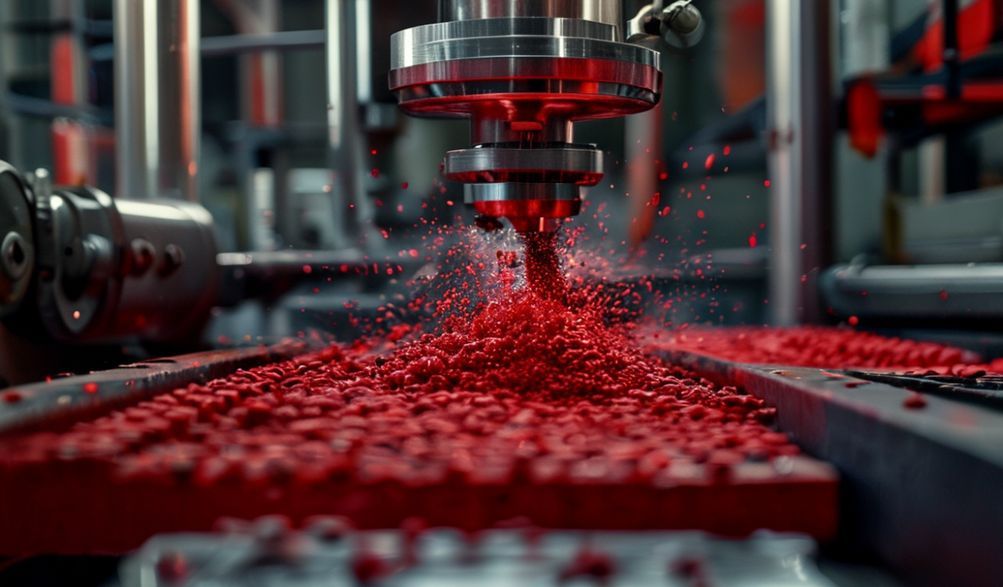
Gyarawa Gina Gine-gine: Cikakken Jagora na Injinan Dannawa na Tubali na Hydraulic daga Masana'antar FUDA
Masana'antar ginin gine-gine a duniya tana ci gaba da canzawa, wanda ke haifar da buƙatar kayan gini masu dorewa, masu ƙarfi, da ƙarfi. Don cika wannan buƙatar yana buƙatar fiye da buri kawai; yana buƙatar daidaito da ƙarfin injinan zamani. A tsakiyar wannan juyin juya halin ginin zamani akwai wani muhimmin kayan aiki: injin latsa bulo na hydraulic.
A FUDA, tare da sama da shekaru ashirin na ƙwararrun injiniya da aka keɓe don na'urorin yin bulo, mun shaida yadda madaidaicin matsi na hydraulic ba kawai yana yin bulo ba—yana canza gaba ɗaya layukan samarwa, tsarin kasuwanci, da sakamakon ayyuka. Tsawon lokaci, masu gini da masana'antun sun kasance cikin takurawa ta hanyar iyakantattun hanyoyin gargajiya: ƙirar hannu tana da jinkiri kuma tana da ƙarfin aiki, yayin da tsofaffin injinan matsi sukan samar da ingancin da bai dace ba tare da babban lalacewa.
Maganin da ya zama ma'auni a masana'antar shine injin matse bulo na hydraulic. Wannan jagorar za ta binciko fasahar, fa'idodin da ba su da misaltuwa, aikace-aikace iri-iri, da muhimman abubuwan da ake la'akari da su don zaɓar matsin da ya dace. Za mu bayyana dalilin da yasa ginin injiniyanci da sadaukarwa ga inganci dagaKAMFANIN YIN BULALO NA FUDAkafa ma'auni a wannan fanni. A ƙarshe, za ku sami cikakkiyar fahimtar yadda zaɓi na'ura mai iya haɓaka ƙarfin samarwa, inganta ingancin samfurin ku, da ƙarfafa fa'idar gasa.
Menene Injin Danna Bulo na Hydraulic? Fasahar Cibiyar Ta Bayyana
Na'urar matse bulo ta hydraulic wata na'ura ce ta masana'antu mai cikakken fasaha wacce aka ƙera don matsa kayan danyan da ake amfani da su zuwa ga bulo mai ƙarfi da kauri ta amfani da ƙarfin hydraulic mai ƙarfi. Tana wakiltar kololuwar fasahar ƙirƙirar bulo, tana ba da fifiko ga daidaito, ƙarfi, da maimaitawa fiye da tsofaffin hanyoyin da ba su da aminci.
Tsarin Aiki na Asali: Ƙarfi da Daidaito
Injin yana aiki bisa ka'idar asali taDokar Pascalwanda ke bayyana cewa matsin da aka yi wa ruwa mai iyaka yana watsawa ba tare da raguwa ba a kowane bangare. A aikace:
- Man fetur mai amfani da ruwa yana matsewa ta hanyar famfo mai amfani da injin lantarki.
- Wannan man da aka matsa ana kai shi cikin silinda na hydraulic.
- Ƙarfin da aka samar a cikin silinda ana canja shi zuwa wani rago, wanda ke shiga cikin ramin ƙirar da ke cike da albarkatun ƙasa.
- Kayan - ko yumbu, siminti, toka mai tashi, ko ƙasa - ana fuskantar babban matsi, mai sarrafawa, ana matsawa shi zuwa daidaitaccen siffa da yawa.
Wannan hanya ta bambanta sosai da na'urorin da ke amfani da girgiza, waɗanda suka dogara da daidaitawa da kafa ƙasa, ko kuma hanyoyin hannu waɗanda ba za su iya samun matsi mai daidaito ba. Sakamakon haka shi ne bulo mai ingantacciyar tsarin gini daga cikinsa har zuwa samansa.
Abubuwan Muhimman na Matsi na Hydraulic FUDA
Amincin da za a iya yiwa kowane na'ura ya dogara ne akan ingancin sassanta. A FUDA, muna gina injinan mu tare da fifita ƙarfi da tsayayyen aiki a matsayin babban fifiko.
- Kunshin Hydraulic Power Pack:Zuciyar tsarin. Muna amfani da famfo masu dogaro, bawuloli, da na'urori masu tattara ruwa don tabbatar da isar da matsi mai santsi, daidaito, da kuma ingantaccen amfani da makamashi.
- Silindori:An yi su ne daga ƙarfe mai ƙarfi tare da hatimin daidaitaccen ma'auni, silindanmu an gina su ne don jure shekaru masu yawa na zagayowar matsi mai ƙarfi ba tare da lalacewa ba.
- Kalubale/Kalubale:Abin da ya ke bayyana kayan aikin ku na ƙarshe. FUDA molds an sarrafa su ta hanyar CNC daga ƙarfe gami mai tauri, yana tabbatar da kaifi ga gefunan bulo, daidaiton girma, da kuma dogon rayuwa na musamman ko da a cikin yanayi mai ɓarna.
- Tsarin Gudanarwa:Na'urar Sarrafa Ma'ana mai Sauƙin Amfani (PLC) tana sarrafa zagayen samarwa ta atomatik. Tana ba da damar daidaita matsi, lokaci, da tsari daidai, yana tabbatar da daidaiton kowane tsari.
- Tsarin FiramDukkanin injin bugu yana cikin wani ƙaƙƙarfan firam ɗin ƙarfe da aka walda. Wannan ƙaƙƙarfan ginin yana ɗaukar manyan ƙarfin da ake ciki, yana hana lanƙwasa kuma yana tabbatar da daidaitawa da kwanciyar hankali na dogon lokaci.
Tsarin Samarwa: Daga Albarkatun Ƙasa zuwa Bulo Mai Gama Note: The Hausa translation captures the essence of the production process, using "Albarkatun Ƙasa" (literally "Resources of the Earth") for "Raw Material" as it is a common and natural term for unprocessed resources in this context. "Bulo Mai Gama" directly translates to "Finished Brick." The phrase "Tsarin Samarwa" is a standard term for "Production Cycle."
Fahimtar zagayowar tana bayyana yadda ake samun inganci a cikin tsari. Zagayowar da ake yi a matsi na FUDA mai cin gashin kansa ko na atomatik gaba ɗaya ya ƙunshi:
- Ciyarwa:Ana shigar da cakuda kayan da aka shirya a cikin akwatin ƙirar, ko dai da hannu ko ta hanyar tsarin ciyarwa mai sarrafa kansa.
- Matsawa.Ram ɗin na'urar motsa ruwa yana sauka, yana amfani da matsa lamba mai nauyi mai yawa da aka riga aka saita akan kayan da ke cikin madaidaicin.
- Riƙewa:Ana kiyaye matsin na 'yan daƙiƙoƙi don ba da damar haɗin kayan da ingantaccen yawa.
- Fitarwa:Ragon ya ja da baya, kuma sabon bulo da aka kafa ya fitar daga cikin madaidaicin a kan pallet ko na'urar motsawa.
- Tattarawa/Tsara Kayayyaki: The finished bricks are systematically stacked for curing and transport.
Why Choose a Hydraulic Press? Unmatched Advantages for Your Business
Investing in a hydraulic brick press is a strategic decision that pays dividends across every aspect of your operation.
Superior Brick Quality and Consistency
This is the most significant advantage. The high, static pressure creates bricks with:
* Ƙarfin Matsi Mai Girma: Often exceeding 10-20 MPa or more, making them ideal for load-bearing structures.
* Matsakaicin Matsakaici: No weak spots or voids, leading to better structural performance and frost resistance.
* Sharp Edges and Smooth Faces: Excellent dimensional accuracy provides a professional finish, reducing mortar use and construction time.
* Low Water Absorption: The dense structure minimizes water ingress, enhancing durability and longevity in all climates.
Remarkable Production Efficiency and Output
Hydraulic presses are built for continuous, high-volume production.
* High Cycle Speeds: Modern presses can produce a brick every 10-20 seconds, translating to thousands of bricks per hour.
* Aiki na ci gaba: Designed for 24/7 shift work with minimal downtime, maximizing your return on investment (ROI).
* Haɗin Kayan Aikin Kanta: From automatic feeding to robotic stacking, the process can be streamlined to require minimal manual intervention, slashing labor costs.
Yawan Samfura a cikin Kewayon Kayayyaki
One machine can become a multi-product factory with simple mold changes.
* Tubali Masu Ƙarfi & Masu Rami: For primary construction.
* Fasahar Paving da Tubalin Haɗin Kai:Don kayan ado da kayan gini.
* Curb Stones & Specialty Shapes: For infrastructure and architectural projects.
This versatility allows you to diversify your product line and respond to market demands without major capital expenditure on new machines.
Economic and Environmental Benefits
- Ragewar Aiki: Automation significantly cuts the need for a large workforce.
- Eco-Friendly Production: Hydraulic presses excel at utilizing industrial waste products like fly ash, slag, and quarry dust, turning environmental liabilities into valuable building materials.
- Minimal Raw Material Waste: Precise compression and consistent sizing ensure almost all input material is used in the final product.
Inside the FUDA Brick Making Factory: A Commitment to Excellence
Choosing a hydraulic press is also about choosing the manufacturer behind it. Our factory is where our philosophy becomes tangible machinery.
Our Engineering Philosophy: Durability Meets Innovation
We don’t just build machines to meet specifications; we over-engineer them to exceed expectations for years. Our design principles focus on:
* Longevity: Using componentry rated for higher loads and longer lifespans than the minimum requirement.
* User-Centricity: Intuitive controls, easy access for maintenance, and clear safety features.
* Ingantaccen Amfani da Makamashi: Optimized hydraulic circuits and motor selections that reduce power consumption without sacrificing performance.
Rigorous Quality Control and Testing Protocols
Every machine that leaves the FUDA factory is a testament to our uncompromising standards.
1. Component Inspection: Every purchased part, from seals to steel plates, is verified against our specifications.
2. Assembly Verification: Each stage of assembly is checked for torque, alignment, and weld integrity.
3. Performance Trial: The completed machine undergoes a full production run under load, simulating real-world conditions.
4. Final Brick Test: Bricks produced during the trial are tested for strength and dimension. Only after passing all checks is a machine approved for shipment.
Customization and Client-Centric Solutions
Our experience serving diverse markets from Africa to Southeast America has taught us that one size does not fit all. We specialize in customizing our presses:
* Ƙarfin Matsawa: From 100 to 1000+ tons for different brick densities.
* Zanen Gyare-gyaren Gyare-gyare: Tailored to produce bricks that meet local building codes and aesthetic preferences.
* Matsayin Sarrafa Kansa: Configured from semi-automatic to fully automatic lines based on your labor and investment goals.
* Material Adaptation: We can adjust the system design to optimally process your locally available raw materials.
Selecting the Right Hydraulic Brick Press: A Buyer’s Checklist
Navigating the purchase requires a clear assessment of your needs and the machine’s capabilities.
Assessing Your Production Needs: Capacity and Output
- Calculate your current and projected brick demand (bricks per day/month).
- Consider your project scale: Are you supplying a single development or establishing a commercial plant?
- Plan for future growth. Investing in a slightly higher capacity machine can be more economical than upgrading in two years.
Mahimman Ƙayyadaddun Injin da Ya Kamata a Bincika
- Matsi (Tona): Directly correlates to brick density and strength. Higher tonnage is needed for solid concrete blocks.
- Girman Ƙirƙira: Determines the final brick dimensions (e.g., 400x200x200mm for a standard hollow block).
- Power Rating: Impacts your electricity costs. Look for efficient systems.
- Matsakaicin Sarrafa Kansa: Balances initial investment with long-term labor savings and output consistency.
Beyond the Machine: The Importance of Service and Support
The machine is just the beginning. Reliable after-sales support is critical for your operational success.
* Shigarwa & Horarwa: Does the supplier provide on-site commissioning and operator training?
* Warranty: What is covered and for how long?
* Samun Kayan Gyara: Is there a readily accessible inventory of wear parts?
* Tallafin Fasaha: Can you get remote or on-site assistance for troubleshooting?
FUDA maintains a global network of service partners and keeps a comprehensive stock of spare parts to ensure your production line keeps running, building trust through action, not just promises.
Applications and Materials: What Can You Produce?
The hydraulic press is a remarkably adaptable technology.
Ideal Raw Materials for Hydraulic Compression
- Yumbu For traditional, high-strength clay bricks.
- Concrete Mix: Cement, sand, and aggregates for versatile concrete blocks.
- Kurar Fly Ash: An excellent pozzolanic material, ideal for eco-friendly bricks.
- Stabilized Soil: For compressed earth blocks (CEBs), a sustainable building option.
End-Use Applications for High-Quality Bricks
- Gine-gine na Gidaje da Kasuwanci Load-bearing walls, partitions, and facades.
- Pavements & Landscaping: Durable paving stones, interlocking pavers, and garden edging.
- Ayyukan Kayayyakin More Rayuwa: Retaining wall blocks, culvert linings, and drainage channel bricks.
- Architectural Facades: Specialty shaped and colored bricks for aesthetic appeal.
FAQ Section
Q1: What is the average production capacity of a FUDA hydraulic brick press machine?
A: Capacity varies by model and automation level. A standard semi-automatic press can produce 5,000 to 8,000 bricks per 8-hour shift, while a fully automatic line can output 15,000 to 30,000+ bricks in the same period. The exact number depends on brick size, material, and cycle time settings.
Q2: How does a hydraulic press compare to an egg-laying or vibrating type machine?
A: The key difference is in pressure and brick quality. Hydraulic presses apply high, static pressure (measured in tons), producing dense, high-strength bricks with low water absorption. Egg-laying (mobile) and vibrating table machines use vibration and lower pressure, resulting in bricks suitable for non-load-bearing applications at a generally lower machine cost and simpler operation.
Q3: What kind of after-sales support does FUDA factory provide?
A: Our support is comprehensive: supervised installation and commissioning at your site, thorough training for your operators, a standard warranty on parts and workmanship, a guaranteed supply of genuine spare parts, and lifelong access to remote technical support via phone or video call.
Q4: Can the machine use local raw materials, or do we need special mixes?
A: A major strength of FUDA machines is their adaptability. We encourage clients to send samples of their local raw materials (soil, sand, fly ash) to our factory. Our engineers can then test them and, if necessary, recommend mix ratios or minor machine customizations to ensure optimal performance with your available resources.
Q5: What is the typical lead time and how does shipping work?
A: Lead time is typically 30-45 days after order confirmation for standard models, and longer for fully customized lines. We handle all export procedures professionally. Machines are securely loaded into shipping containers (20ft or 40ft). We offer standard FOB (Free On Board) terms and can arrange CIF (Cost, Insurance, and Freight) shipping to your nearest port, assisting with all necessary documentation.
Ƙarshe
The hydraulic brick press machine is more than equipment; it is a transformative investment in quality, efficiency, and business growth. By delivering unmatched brick strength, enabling high-volume production, and allowing for incredible product versatility, this technology is redefining what’s possible in construction material manufacturing.
Choosing the right partner for this investment is paramount. The KAMFANIN YIN BULALO NA FUDA distinguishes itself through a deep-rooted engineering philosophy, relentless quality control, and a genuine commitment to client-centric customization and lifelong support. We don’t just sell machines; we build lasting partnerships by empowering your success with reliable, high-performance solutions.
Ready to transform your brick production? Contact the FUDA engineering team today for a free consultation and a customized quote based on your specific project requirements and local materials. Let’s build the future, brick by precise brick.
<