
Merevolusikan Pembinaan: Panduan Lengkap untuk Mesin Tekan Bata Hidraulik dari Kilang FUDA
Industri pembinaan global sentiasa berkembang, didorong oleh permintaan yang tidak pernah puas untuk bahan binaan yang mampan, tahan lama dan berketahanan tinggi. Memenuhi permintaan ini memerlukan lebih daripada sekadar cita-cita; ia memerlukan ketepatan dan kuasa jentera moden. Di teras revolusi pembinaan moden ini terletak peralatan kritikal: mesin penekan bata hidraulik.
Di FUDA, dengan kecemerlangan kejuruteraan lebih dua dekad yang didedikasikan untuk mesin pembuatan bata, kami telah menyaksikan sendiri bagaimana mesin tekan hidraulik yang tepat bukan sekadar membuat bata—ia mengubah seluruh barisan pengeluaran, model perniagaan, dan hasil projek. Terlalu lama, pembina dan pengeluar telah dibelenggu oleh batasan kaedah tradisional: acuan manual adalah perlahan dan memerlukan tenaga kerja yang tinggi, sementara mesin tekan mekanikal lama sering menghasilkan kualiti yang tidak konsisten dengan haus dan lusuh yang tinggi.
Penyelesaian yang telah menjadi pemiawaian industri adalah mesin akhbar bata hidraulik. Panduan ini akan menyelami teknologi, faedah tiada tandingan, aplikasi pelbagai, dan pertimbangan kritikal untuk memilih akhbar yang tepat. Kami akan menekankan mengapa keturunan kejuruteraan dan komitmen terhadap kualiti daripadaKilang bata FUDAtetapkan penanda aras dalam bidang ini. Pada akhirnya, anda akan mempunyai pemahaman yang jelas tentang cara memilih mesin yang dapat meningkatkan kapasiti pengeluaran anda, meningkatkan kualiti produk anda, dan mengukuhkan kelebihan daya saing anda.
Apakah itu Mesin Tekan Bata Hidraulik? Teknologi Teras Dijelaskan
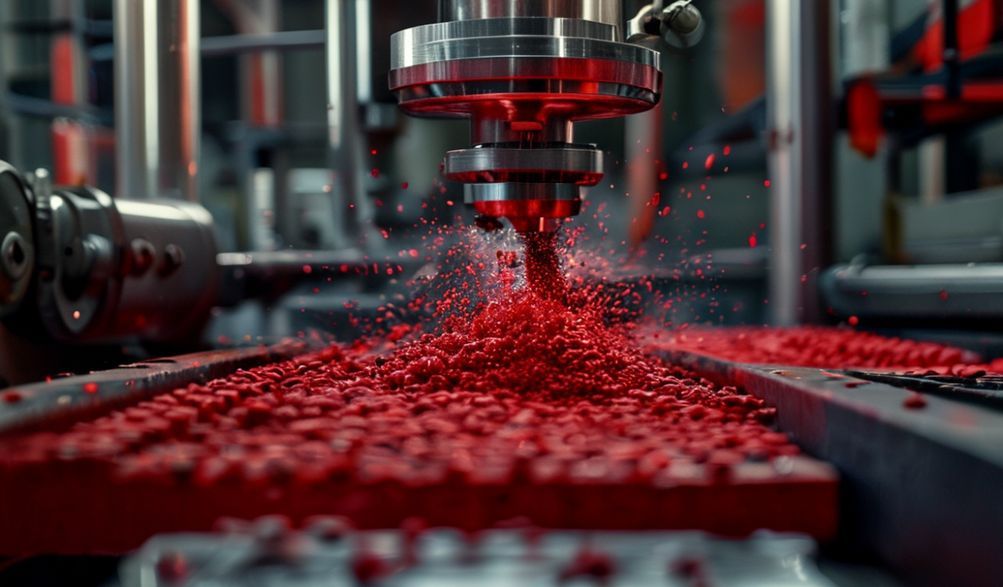
Mesin penekan bata hidraulik adalah peralatan industri canggih yang direka untuk memampatkan bahan mentah menjadi bata padat dan seragam menggunakan daya hidraulik yang sangat besar. Ia mewakili kemuncak teknologi pembentukan bata, mengutamakan ketepatan, kuasa, dan kebolehulangan berbanding kaedah lama yang kurang boleh dipercayai.
Prinsip Asas Kerja: Kuasa dan Ketepatan
Mesin ini beroperasi berdasarkan prinsip asasHukum Pascalyang menyatakan bahawa tekanan yang dikenakan pada cecair tertutup dihantar tanpa pengurangan ke semua arah. Dalam praktik:
- Minyak hidraulik ditekan oleh pam yang digerakkan oleh motor elektrik.
- Minyak bertekanan ini diarahkan ke dalam silinder hidraulik.
- Daya yang dihasilkan dalam silinder dipindahkan ke ram, yang menolak masuk ke rongga acuan yang dipenuhi dengan bahan mentah.
- Bahan tersebut—sama ada tanah liat, konkrit, abu terbang, atau tanah—dikenakan tekanan terkawal yang sangat tinggi, memampatkannya kepada bentuk dan ketumpatan yang tepat.
Kaedah ini berbeza sama sekali dengan mesin berasaskan getaran, yang bergantung pada pemadatan permukaan dan penyelesaian, atau kaedah manual yang tidak dapat mencapai tekanan yang konsisten. Hasilnya adalah batu bata dengan integriti struktur yang unggul dari teras hingga permukaannya.
Komponen Utama Mesin Tekan Hidraulik FUDA
Kebolehpercayaan mana-mana mesin terletak pada kualiti komponennya. Di FUDA, kami membina mesin tekan kami dengan ketahanan sebagai keutamaan utama.
- Pek Kuasa Hidraulik:Jantung sistem. Kami menggunakan pam, injap, dan pengumpul yang boleh dipercayai untuk memastikan penghantaran tekanan yang lancar, konsisten, dan cekap tenaga.
- Silinder:Dihasilkan daripada keluli berketeguhan tinggi dengan meterai tepat, silinder kami dibina untuk menahan kitaran tekanan tinggi selama bertahun-tahun tanpa kegagalan.
- Acuan/Die:Elemen penentu produk akhir anda. Acuan FUDA dikilangkan CNC daripada keluli aloi yang dikeraskan, memastikan tepi bata yang tajam, ketepatan dimensi, dan ketahanan luar biasa walaupun dalam keadaan abrasif.
- Sistem Kawalan:Pengawal Logik Boleh Atur Cara (PLC) yang mesra pengguna mengautomasikan kitaran pengeluaran. Ia membolehkan pelarasan tekanan, masa dan urutan yang tepat, memastikan konsistensi dari kelompok ke kelompok.
- Struktur Bingkai: The entire press is housed within a heavy-duty, welded steel frame. This robust construction absorbs the tremendous forces involved, preventing flex and ensuring long-term alignment and stability.
The Production Cycle: From Raw Material to Finished Brick
Understanding the cycle demystifies the efficiency of the process. A typical cycle in a semi-automatic or fully automatic FUDA press involves:
- Pemberian Makan: The prepared raw material mixture is fed into the mold box, either manually or via an automated feeder system.
- Pemampatan: The hydraulic ram descends, applying pre-set, high tonnage pressure to the material within the mold.
- Holding: The pressure is maintained for a few seconds to allow for optimal material bonding and density.
- Pengusiran: The ram retracts, and the newly formed brick is ejected from the mold onto a pallet or conveyor.
- Pemaletan/Penimbunan: The finished bricks are systematically stacked for curing and transport.
Why Choose a Hydraulic Press? Unmatched Advantages for Your Business
Investing in a hydraulic brick press is a strategic decision that pays dividends across every aspect of your operation.
Kualiti dan Konsistensi Bata yang Unggul
This is the most significant advantage. The high, static pressure creates bricks with:
* Kekuatan Mampatan Tinggi: Often exceeding 10-20 MPa or more, making them ideal for load-bearing structures.
* Ketumpatan Seragam: No weak spots or voids, leading to better structural performance and frost resistance.
* Sharp Edges and Smooth Faces: Excellent dimensional accuracy provides a professional finish, reducing mortar use and construction time.
* Penyerapan Air Rendah: The dense structure minimizes water ingress, enhancing durability and longevity in all climates.
Remarkable Production Efficiency and Output
Hydraulic presses are built for continuous, high-volume production.
* High Cycle Speeds: Modern presses can produce a brick every 10-20 seconds, translating to ribuan batu bata per jam.
* Operasi Berterusan: Designed for 24/7 shift work with minimal downtime, maximizing your return on investment (ROI).
* Integrasi Automasi: From automatic feeding to robotic stacking, the process can be streamlined to require minimal manual intervention, slashing labor costs.
Kepelbagaian dalam Julat Produk
One machine can become a multi-product factory with simple mold changes.
* Blok Pejal & Blok Berongga: For primary construction.
* Batu Paving & Interlocking Bricks:Untuk landskap dan hardskap.
* Curb Stones & Specialty Shapes: For infrastructure and architectural projects.
This versatility allows you to diversify your product line and respond to market demands without major capital expenditure on new machines.
Economic and Environmental Benefits
- Pengurangan Kebergantungan Tenaga Kerja: Automation significantly cuts the need for a large workforce.
- Eco-Friendly Production: Hydraulic presses excel at utilizing industrial waste products like fly ash, slag, and quarry dust, turning environmental liabilities into valuable building materials.
- Minimal Raw Material Waste: Precise compression and consistent sizing ensure almost all input material is used in the final product.
Inside the FUDA Brick Making Factory: A Commitment to Excellence
Choosing a hydraulic press is also about choosing the manufacturer behind it. Our factory is where our philosophy becomes tangible machinery.
Our Engineering Philosophy: Durability Meets Innovation
We don’t just build machines to meet specifications; we over-engineer them to exceed expectations for years. Our design principles focus on:
* Longevity: Using componentry rated for higher loads and longer lifespans than the minimum requirement.
* User-Centricity: Intuitive controls, easy access for maintenance, and clear safety features.
* Kecekapan Tenaga: Optimized hydraulic circuits and motor selections that reduce power consumption without sacrificing performance.
Rigorous Quality Control and Testing Protocols
Every machine that leaves the FUDA factory is a testament to our uncompromising standards.
1. Component Inspection: Every purchased part, from seals to steel plates, is verified against our specifications.
2. Assembly Verification: Each stage of assembly is checked for torque, alignment, and weld integrity.
3. Performance Trial: The completed machine undergoes a full production run under load, simulating real-world conditions.
4. Final Brick Test: Bricks produced during the trial are tested for strength and dimension. Only after passing all checks is a machine approved for shipment.
Customization and Client-Centric Solutions
Our experience serving diverse markets from Africa to Southeast America has taught us that one size does not fit all. We specialize in customizing our presses:
* Kapasiti Tekanan: From 100 to 1000+ tons for different brick densities.
* Reka Bentuk Acuan: Tailored to produce bricks that meet local building codes and aesthetic preferences.
* Tahap Automasi: Configured from semi-automatic to fully automatic lines based on your labor and investment goals.
* Material Adaptation: We can adjust the system design to optimally process your locally available raw materials.
Selecting the Right Hydraulic Brick Press: A Buyer’s Checklist
Navigating the purchase requires a clear assessment of your needs and the machine’s capabilities.
Assessing Your Production Needs: Capacity and Output
- Calculate your current and projected brick demand (bricks per day/month).
- Consider your project scale: Are you supplying a single development or establishing a commercial plant?
- Plan for future growth. Investing in a slightly higher capacity machine can be more economical than upgrading in two years.
Spesifikasi Utama Mesin yang Perlu Diteliti
- Tekanan (Tan) Directly correlates to brick density and strength. Higher tonnage is needed for solid concrete blocks.
- Saiz Acuan: Determines the final brick dimensions (e.g., 400x200x200mm for a standard hollow block).
- Power Rating: Impacts your electricity costs. Look for efficient systems.
- Tahap Automasi: Balances initial investment with long-term labor savings and output consistency.
Beyond the Machine: The Importance of Service and Support
The machine is just the beginning. Reliable after-sales support is critical for your operational success.
* Pemasangan & Latihan: Does the supplier provide on-site commissioning and operator training?
* Jaminan: What is covered and for how long?
* Ketersediaan Alat Ganti: Is there a readily accessible inventory of wear parts?
* Sokongan Teknikal: Can you get remote or on-site assistance for troubleshooting?
FUDA maintains a global network of service partners and keeps a comprehensive stock of spare parts to ensure your production line keeps running, building trust through action, not just promises.
Applications and Materials: What Can You Produce?
The hydraulic press is a remarkably adaptable technology.
Ideal Raw Materials for Hydraulic Compression
- Tanah liat For traditional, high-strength clay bricks.
- Concrete Mix: Cement, sand, and aggregates for versatile concrete blocks.
- Abu Terbang: An excellent pozzolanic material, ideal for eco-friendly bricks.
- Stabilized Soil: For compressed earth blocks (CEBs), a sustainable building option.
End-Use Applications for High-Quality Bricks
- Pembinaan Kediaman & Komersial Load-bearing walls, partitions, and facades.
- Pavements & Landscaping: Durable paving stones, interlocking pavers, and garden edging.
- Projek Infrastruktur: Retaining wall blocks, culvert linings, and drainage channel bricks.
- Architectural Facades: Specialty shaped and colored bricks for aesthetic appeal.
FAQ Section
Q1: What is the average production capacity of a FUDA hydraulic brick press machine?
A: Capacity varies by model and automation level. A standard semi-automatic press can produce 5,000 to 8,000 bricks per 8-hour shift, while a fully automatic line can output 15,000 to 30,000+ bricks in the same period. The exact number depends on brick size, material, and cycle time settings.
Q2: How does a hydraulic press compare to an egg-laying or vibrating type machine?
A: The key difference is in pressure and brick quality. Hydraulic presses apply high, static pressure (measured in tons), producing dense, high-strength bricks with low water absorption. Egg-laying (mobile) and vibrating table machines use vibration and lower pressure, resulting in bricks suitable for non-load-bearing applications at a generally lower machine cost and simpler operation.
Q3: What kind of after-sales support does FUDA factory provide?
A: Our support is comprehensive: supervised installation and commissioning at your site, thorough training for your operators, a standard warranty on parts and workmanship, a guaranteed supply of genuine spare parts, and lifelong access to remote technical support via phone or video call.
Q4: Can the machine use local raw materials, or do we need special mixes?
A: A major strength of FUDA machines is their adaptability. We encourage clients to send samples of their local raw materials (soil, sand, fly ash) to our factory. Our engineers can then test them and, if necessary, recommend mix ratios or minor machine customizations to ensure optimal performance with your available resources.
Q5: What is the typical lead time and how does shipping work?
A: Lead time is typically 30-45 days after order confirmation for standard models, and longer for fully customized lines. We handle all export procedures professionally. Machines are securely loaded into shipping containers (20ft or 40ft). We offer standard FOB (Free On Board) terms and can arrange CIF (Cost, Insurance, and Freight) shipping to your nearest port, assisting with all necessary documentation.
Kesimpulan
The hydraulic brick press machine is more than equipment; it is a transformative investment in quality, efficiency, and business growth. By delivering unmatched brick strength, enabling high-volume production, and allowing for incredible product versatility, this technology is redefining what’s possible in construction material manufacturing.
Choosing the right partner for this investment is paramount. The Kilang bata FUDA distinguishes itself through a deep-rooted engineering philosophy, relentless quality control, and a genuine commitment to client-centric customization and lifelong support. We don’t just sell machines; we build lasting partnerships by empowering your success with reliable, high-performance solutions.
Ready to transform your brick production? Contact the FUDA engineering team today for a free consultation and a customized quote based on your specific project requirements and local materials. Let’s build the future, brick by precise brick.
<