
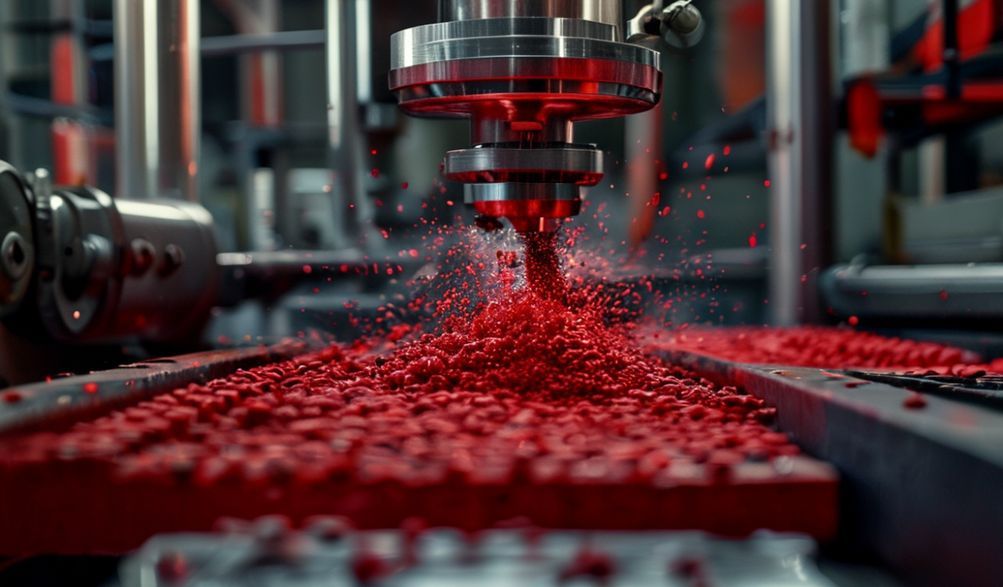
Revolusyon sa Konstruksyon: Ang Kumpletong Gabay sa Hydraulic Brick Press Machines mula sa FUDA Factory
Ang pandaigdigang industriya ng konstruksiyon ay patuloy na umuunlad, hinihimok ng isang walang sawang pangangailangan para sa mga materyales na pang-gusali na sustainable, matibay, at may mataas na lakas. Ang pagtugon sa pangangailangang ito ay nangangailangan ng higit pa sa ambisyon; nangangailangan ito ng katumpakan at kapangyarihan ng mga makabagong makinarya. Sa sentro ng makabagong rebolusyong ito sa pagtatayo ay matatagpuan ang isang kritikal na kagamitan: ang haydrolikong makina ng pagpindot ng ladrilyo.
Sa FUDA, na may mahigit dalawang dekada ng kahusayan sa inhinyeriya na nakatuon sa makinarya ng paggawa ng ladrilyo, nasaksihan namin nang personal kung paano ang tamang haydrolikong pindot ay hindi lamang gumagawa ng mga ladrilyo—binabago nito ang buong linya ng produksyon, modelo ng negosyo, at resulta ng proyekto. Sa matagal na panahon, ang mga tagapagtayo at tagagawa ay napipigilan ng mga limitasyon ng tradisyonal na pamamaraan: ang manwal na paghubog ay mabagal at matrabaho, habang ang mas lumang mga mekanikal na pindot ay kadalasang nagbubunga ng hindi pare-parehong kalidad na may mataas na pagkasira.
Ang naging pamantayan sa industriya ay ang makina ng hydraulic brick press. Tutuklasin ng gabay na ito ang malalim na teknolohiya, walang kapantay na mga benepisyo, iba't ibang aplikasyon, at mahahalagang konsiderasyon sa pagpili ng tamang press. Ipapakita natin kung bakit napakahalaga ng linya ng inhenyeriya at ang dedikasyon sa de-kalidad mula saPabrika ng paggawa ng ladrilyo ng FUDAmagtakda ng pamantayan sa larangang ito. Sa huli, magkakaroon ka ng malinaw na pag-unawa kung paano pumili ng makina na makapagpapataas ng iyong kapasidad sa produksyon, magpapabuti sa kalidad ng iyong produkto, at magpapatatag sa iyong kalamangan sa kompetisyon.
Ano ang isang Hydraulic Brick Press Machine? Ang Pangunahing Teknolohiya na Ipinaliwanag
Ang isang haydrolikong makina ng pagpindot ng ladrilyo ay isang sopistikadong kagamitang pang-industriya na idinisenyo upang pindutin ang mga hilaw na materyales upang maging siksik at pantay-pantay na mga ladrilyo gamit ang napakalakas na haydrolikong puwersa. Ito ang pinakamataas na antas ng teknolohiya sa paghubog ng ladrilyo, na binibigyang-prayoridad ang katumpakan, lakas, at kakayahang ulitin kaysa sa mga mas lumang at hindi gaanong maaasahang pamamaraan.
Pangunahing Prinsipyo ng Paggawa: Kapangyarihan at Katumpakan
Ang makina ay gumagana sa pangunahing prinsipyo ngBatas ni Pascalna nagsasabing ang presyur na inilapat sa isang nakakulong na likido ay ipinapadala nang walang pagbabawas sa lahat ng direksyon. Sa praktika:
- Ang hydraulic oil ay pinapataas ang presyon ng isang pump na pinatatakbo ng motor na de-kuryente.
- Ang presurisadong langis ay dinidirekta sa isang haydrolikong silindro.
- Ang puwersang nabuo sa loob ng silindro ay inililipat sa isang pambayo, na tumutulak sa isang lukab ng hulmahan na puno ng hilaw na materyal.
- Ang materyal—maging ito ay luwad, kongkreto, abo mula sa pagsunog, o lupa—ay sumasailalim sa napakalaking, kontroladong presyon, na pinapaknit ito sa isang tiyak na hugis at densidad.
Ang pamamaraang ito ay malayong naiiba sa mga makina na batay sa panginginig, na umaasa sa pagpatag at pagpapatibay sa ibabaw, o sa mga manwal na pamamaraan na hindi makakamit ng tuluy-tuloy na presyon. Ang resulta ay isang ladrilyo na may natatanging integridad ng istruktura mula sa kanyang ubod hanggang sa ibabaw.
Mga Pangunahing Bahagi ng isang FUDA Hydraulic Press
Ang pagiging maaasahan ng anumang makina ay nakasalalay sa kalidad ng mga bahagi nito. Sa FUDA, itinatayo namin ang aming mga press na may tibay bilang pangunahing prayoridad.
- Hydraulic Power Pack:Ang puso ng sistema. Gumagamit kami ng maaasahang mga bomba, balbula, at akumulador upang matiyak ang maayos, tuluy-tuloy, at matipid sa enerhiyang paghahatid ng presyon.
- Mga Silindro:Gawa mula sa mataas na kalidad na bakal na may tumpak na mga selyo, ang aming mga silindro ay idinisenyo upang matagalan ang maraming taon ng mataas na presyon nang walang pagkabigo.
- Molde/Matris:Ang pangunahing elemento ng iyong panghuling produkto. Ang mga molde ng FUDA ay ginagamitan ng CNC machining mula sa pinatigas na haluang metal na asero, tinitiyak ang matatalim na gilid ng ladrilyo, tumpak na sukat, at pambihirang tibay kahit sa ilalim ng mga mapang-agos na kondisyon.
- Sistema ng Kontrol A user-friendly Programmable Logic Controller (PLC) automates the production cycle. It allows for precise adjustment of pressure, time, and sequence, ensuring batch-to-batch consistency.
- Frame Structure: The entire press is housed within a heavy-duty, welded steel frame. This robust construction absorbs the tremendous forces involved, preventing flex and ensuring long-term alignment and stability.
The Production Cycle: From Raw Material to Finished Brick
Understanding the cycle demystifies the efficiency of the process. A typical cycle in a semi-automatic or fully automatic FUDA press involves:
- Pagpapakain: The prepared raw material mixture is fed into the mold box, either manually or via an automated feeder system.
- Kompresyon: The hydraulic ram descends, applying pre-set, high tonnage pressure to the material within the mold.
- Holding: The pressure is maintained for a few seconds to allow for optimal material bonding and density.
- Pag-eject: The ram retracts, and the newly formed brick is ejected from the mold onto a pallet or conveyor.
- Pagpapalete/Pagpapatong: The finished bricks are systematically stacked for curing and transport.
Why Choose a Hydraulic Press? Unmatched Advantages for Your Business
Investing in a hydraulic brick press is a strategic decision that pays dividends across every aspect of your operation.
Superior Brick Quality and Consistency
This is the most significant advantage. The high, static pressure creates bricks with:
* Mataas na Lakas ng Kompresyon: Often exceeding 10-20 MPa or more, making them ideal for load-bearing structures.
* Pantay na Densidad: No weak spots or voids, leading to better structural performance and frost resistance.
* Sharp Edges and Smooth Faces: Excellent dimensional accuracy provides a professional finish, reducing mortar use and construction time.
* Mababang Pagsipsip ng Tubig: The dense structure minimizes water ingress, enhancing durability and longevity in all climates.
Remarkable Production Efficiency and Output
Hydraulic presses are built for continuous, high-volume production.
* High Cycle Speeds: Modern presses can produce a brick every 10-20 seconds, translating to thousands of bricks per hour.
* Patuloy na Operasyon: Designed for 24/7 shift work with minimal downtime, maximizing your return on investment (ROI).
* Integrasyon ng Automatiko: From automatic feeding to robotic stacking, the process can be streamlined to require minimal manual intervention, slashing labor costs.
Pagiging Maraming Gamit sa Saklaw ng Produkto
One machine can become a multi-product factory with simple mold changes.
* Solid at Hollow Blocks: For primary construction.
* Paving at Interlocking Bricks:Para sa pag-aayos ng tanawin at paggawa ng matitigas na estruktura.
* Curb Stones & Specialty Shapes: For infrastructure and architectural projects.
This versatility allows you to diversify your product line and respond to market demands without major capital expenditure on new machines.
Economic and Environmental Benefits
- Nabawasang Pag-asa sa Lakas-Paggawa: Automation significantly cuts the need for a large workforce.
- Eco-Friendly Production: Hydraulic presses excel at utilizing industrial waste products like fly ash, slag, and quarry dust, turning environmental liabilities into valuable building materials.
- Minimal Raw Material Waste: Precise compression and consistent sizing ensure almost all input material is used in the final product.
Inside the FUDA Brick Making Factory: A Commitment to Excellence
Choosing a hydraulic press is also about choosing the manufacturer behind it. Our factory is where our philosophy becomes tangible machinery.
Our Engineering Philosophy: Durability Meets Innovation
We don’t just build machines to meet specifications; we over-engineer them to exceed expectations for years. Our design principles focus on:
* Longevity: Using componentry rated for higher loads and longer lifespans than the minimum requirement.
* User-Centricity: Intuitive controls, easy access for maintenance, and clear safety features.
* Enerhiyang Mabisâ: Optimized hydraulic circuits and motor selections that reduce power consumption without sacrificing performance.
Rigorous Quality Control and Testing Protocols
Every machine that leaves the FUDA factory is a testament to our uncompromising standards.
1. Component Inspection: Every purchased part, from seals to steel plates, is verified against our specifications.
2. Assembly Verification: Each stage of assembly is checked for torque, alignment, and weld integrity.
3. Performance Trial: The completed machine undergoes a full production run under load, simulating real-world conditions.
4. Final Brick Test: Bricks produced during the trial are tested for strength and dimension. Only after passing all checks is a machine approved for shipment.
Customization and Client-Centric Solutions
Our experience serving diverse markets from Africa to Southeast America has taught us that one size does not fit all. We specialize in customizing our presses:
* Pressure Capacity: From 100 to 1000+ tons for different brick densities.
* Mold Design: Tailored to produce bricks that meet local building codes and aesthetic preferences.
* Antas ng Automation: Configured from semi-automatic to fully automatic lines based on your labor and investment goals.
* Material Adaptation: We can adjust the system design to optimally process your locally available raw materials.
Selecting the Right Hydraulic Brick Press: A Buyer’s Checklist
Navigating the purchase requires a clear assessment of your needs and the machine’s capabilities.
Assessing Your Production Needs: Capacity and Output
- Calculate your current and projected brick demand (bricks per day/month).
- Consider your project scale: Are you supplying a single development or establishing a commercial plant?
- Plan for future growth. Investing in a slightly higher capacity machine can be more economical than upgrading in two years.
Mga Pangunahing Espesipikasyon ng Makina na Dapat Suriin
- Puwersa (Tonelahe): Directly correlates to brick density and strength. Higher tonnage is needed for solid concrete blocks.
- Sukat ng Molde: Determines the final brick dimensions (e.g., 400x200x200mm for a standard hollow block).
- Power Rating: Impacts your electricity costs. Look for efficient systems.
- Antas ng Automatisasyon: Balances initial investment with long-term labor savings and output consistency.
Beyond the Machine: The Importance of Service and Support
The machine is just the beginning. Reliable after-sales support is critical for your operational success.
* Pag-install at Pagsasanay: Does the supplier provide on-site commissioning and operator training?
* Garantiya: What is covered and for how long?
* Kagamitan sa Pagkukumpuni: Is there a readily accessible inventory of wear parts?
* Suportang Teknikal: Can you get remote or on-site assistance for troubleshooting?
FUDA maintains a global network of service partners and keeps a comprehensive stock of spare parts to ensure your production line keeps running, building trust through action, not just promises.
Applications and Materials: What Can You Produce?
The hydraulic press is a remarkably adaptable technology.
Ideal Raw Materials for Hydraulic Compression
- Luad: For traditional, high-strength clay bricks.
- Concrete Mix: Cement, sand, and aggregates for versatile concrete blocks.
- Abu ng Pugon: An excellent pozzolanic material, ideal for eco-friendly bricks.
- Stabilized Soil: For compressed earth blocks (CEBs), a sustainable building option.
End-Use Applications for High-Quality Bricks
- Paggawa ng Residensyal at Komersyal: Load-bearing walls, partitions, and facades.
- Pavements & Landscaping: Durable paving stones, interlocking pavers, and garden edging.
- Mga Proyektong Pang-imprastruktura: Retaining wall blocks, culvert linings, and drainage channel bricks.
- Architectural Facades: Specialty shaped and colored bricks for aesthetic appeal.
FAQ Section
Q1: What is the average production capacity of a FUDA hydraulic brick press machine?
Isalin ang teksto sa Filipino. I-output LAMANG ang isinalin na teksto. Capacity varies by model and automation level. A standard semi-automatic press can produce 5,000 to 8,000 bricks per 8-hour shift, while a fully automatic line can output 15,000 to 30,000+ bricks in the same period. The exact number depends on brick size, material, and cycle time settings.
Q2: How does a hydraulic press compare to an egg-laying or vibrating type machine?
Isalin ang teksto sa Filipino. I-output LAMANG ang isinalin na teksto. The key difference is in pressure and brick quality. Hydraulic presses apply high, static pressure (measured in tons), producing dense, high-strength bricks with low water absorption. Egg-laying (mobile) and vibrating table machines use vibration and lower pressure, resulting in bricks suitable for non-load-bearing applications at a generally lower machine cost and simpler operation.
Q3: What kind of after-sales support does FUDA factory provide?
Isalin ang teksto sa Filipino. I-output LAMANG ang isinalin na teksto. Our support is comprehensive: supervised installation and commissioning at your site, thorough training for your operators, a standard warranty on parts and workmanship, a guaranteed supply of genuine spare parts, and lifelong access to remote technical support via phone or video call.
Q4: Can the machine use local raw materials, or do we need special mixes?
Isalin ang teksto sa Filipino. I-output LAMANG ang isinalin na teksto. A major strength of FUDA machines is their adaptability. We encourage clients to send samples of their local raw materials (soil, sand, fly ash) to our factory. Our engineers can then test them and, if necessary, recommend mix ratios or minor machine customizations to ensure optimal performance with your available resources.
Q5: What is the typical lead time and how does shipping work?
Isalin ang teksto sa Filipino. I-output LAMANG ang isinalin na teksto. Lead time is typically 30-45 days after order confirmation for standard models, and longer for fully customized lines. We handle all export procedures professionally. Machines are securely loaded into shipping containers (20ft or 40ft). We offer standard FOB (Free On Board) terms and can arrange CIF (Cost, Insurance, and Freight) shipping to your nearest port, assisting with all necessary documentation.
Konklusyon
The hydraulic brick press machine is more than equipment; it is a transformative investment in quality, efficiency, and business growth. By delivering unmatched brick strength, enabling high-volume production, and allowing for incredible product versatility, this technology is redefining what’s possible in construction material manufacturing.
Choosing the right partner for this investment is paramount. The Pabrika ng paggawa ng ladrilyo ng FUDA distinguishes itself through a deep-rooted engineering philosophy, relentless quality control, and a genuine commitment to client-centric customization and lifelong support. We don’t just sell machines; we build lasting partnerships by empowering your success with reliable, high-performance solutions.
Ready to transform your brick production? Contact the FUDA engineering team today for a free consultation and a customized quote based on your specific project requirements and local materials. Let’s build the future, brick by precise brick.
<