
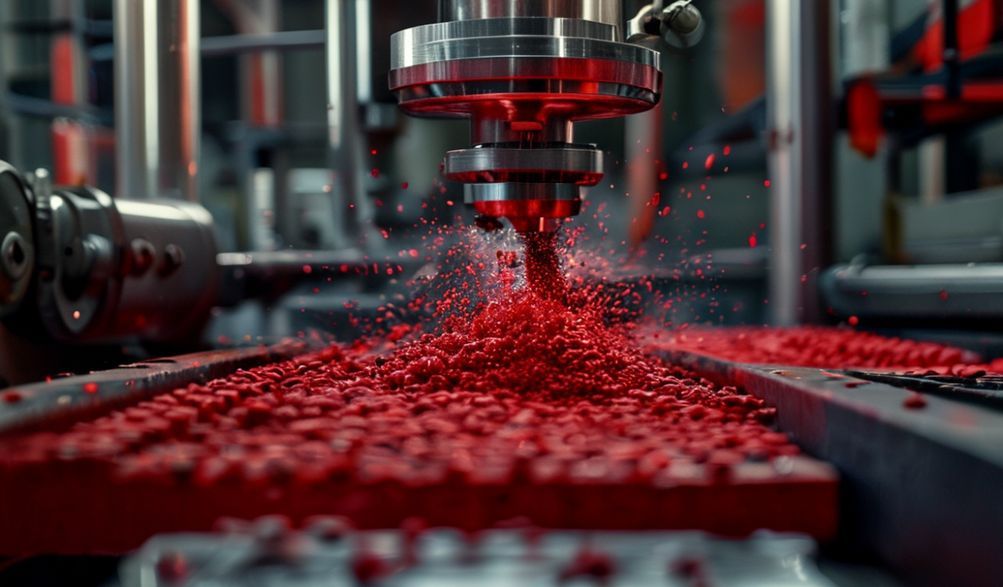
Revolucionando la Construcción: La Guía Completa de Máquinas Hidráulicas para Prensa de Ladrillos de la Fábrica FUDA
La industria de la construcción global se encuentra en un estado constante de evolución, impulsada por una demanda insaciable de materiales de construcción sostenibles, duraderos y de alta resistencia. Satisfacer esta demanda requiere más que solo ambición; requiere la precisión y potencia de la maquinaria moderna. En el centro de esta revolución constructiva moderna se encuentra una pieza crítica de equipo: la prensa hidráulica para ladrillos.
En FUDA, con más de dos décadas de excelencia en ingeniería dedicada a maquinaria para fabricar ladrillos, hemos sido testigos de primera mano de cómo la prensa hidráulica adecuada no solo fabrica ladrillos, sino que transforma líneas de producción completas, modelos de negocio y resultados de proyectos. Durante demasiado tiempo, constructores y fabricantes han estado limitados por las restricciones de los métodos tradicionales: el moldeo manual es lento y requiere mucha mano de obra, mientras que las prensas mecánicas más antiguas a menudo producen una calidad inconsistente con un alto desgaste.
La solución que se ha convertido en el estándar de la industria es la prensa hidráulica para ladrillos. Esta guía profundizará en la tecnología, los beneficios sin igual, las diversas aplicaciones y las consideraciones críticas para elegir la prensa adecuada. Destacaremos por qué el pedigrí de ingeniería y el compromiso con la calidad de la...Fábrica de ladrillos FUDAEstablece el referente en este campo. Al final, tendrás una comprensión clara de cómo seleccionar una máquina que pueda aumentar tu capacidad de producción, elevar la calidad de tu producto y consolidar tu ventaja competitiva.
¿Qué es una Máquina Prensa de Ladrillos Hidráulica? La Tecnología Central Explicada
Una prensa hidráulica para ladrillos es una pieza sofisticada de equipo industrial diseñada para comprimir materias primas en ladrillos densos y uniformes utilizando una fuerza hidráulica inmensa. Representa la cumbre de la tecnología de formación de ladrillos, priorizando la precisión, la potencia y la repetibilidad sobre métodos más antiguos y menos confiables.
Principio Básico de Funcionamiento: Potencia y Precisión
La máquina opera sobre el principio fundamental deLa Ley de Pascalel cual establece que la presión aplicada a un fluido confinado se transmite sin disminución en todas las direcciones. En la práctica:
- El aceite hidráulico es presurizado por una bomba accionada por un motor eléctrico.
- Este aceite presurizado se dirige hacia un cilindro hidráulico.
- La fuerza generada dentro del cilindro se transfiere a un pistón, que se introduce en una cavidad del molde llena de materia prima.
- El material—ya sea arcilla, hormigón, cenizas volantes o tierra—se somete a una presión inmensa y controlada, compactándolo hasta una forma y densidad precisas.
Este método contrasta marcadamente con las máquinas basadas en vibración, que dependen del asentamiento y la compactación superficial, o con los métodos manuales que no pueden lograr una presión uniforme. El resultado es un ladrillo con una integridad estructural superior desde su núcleo hasta su superficie.
Componentes Clave de una Prensa Hidráulica FUDA
La fiabilidad de cualquier máquina reside en la calidad de sus componentes. En FUDA, construimos nuestras prensas con la durabilidad como máxima prioridad.
- Grupo de Potencia Hidráulica:El corazón del sistema. Utilizamos bombas, válvulas y acumuladores confiables para garantizar una entrega de presión suave, constante y energéticamente eficiente.
- Cilindros:Fabricados con acero de alta resistencia y sellos de precisión, nuestros cilindros están construidos para soportar años de ciclos de alta presión sin fallos.
- Moldes/Troqueles:El elemento definitorio de su producto final. Los moldes FUDA son mecanizados por CNC a partir de acero aleado endurecido, garantizando bordes de ladrillo nítidos, precisión dimensional y una longevidad excepcional incluso en condiciones abrasivas.
- Sistema de Control:Un Controlador Lógico Programable (PLC) fácil de usar automatiza el ciclo de producción. Permite el ajuste preciso de la presión, el tiempo y la secuencia, garantizando la consistencia entre lotes.
- Estructura del Marco: The entire press is housed within a heavy-duty, welded steel frame. This robust construction absorbs the tremendous forces involved, preventing flex and ensuring long-term alignment and stability.
El Ciclo de Producción: Desde la Materia Prima hasta el Ladrillo Terminado
Understanding the cycle demystifies the efficiency of the process. A typical cycle in a semi-automatic or fully automatic FUDA press involves:
- Alimentación: The prepared raw material mixture is fed into the mold box, either manually or via an automated feeder system.
- Compresión: The hydraulic ram descends, applying pre-set, high tonnage pressure to the material within the mold.
- Holding: The pressure is maintained for a few seconds to allow for optimal material bonding and density.
- Expulsión: The ram retracts, and the newly formed brick is ejected from the mold onto a pallet or conveyor.
- Paletización/Apilamiento: The finished bricks are systematically stacked for curing and transport.
Why Choose a Hydraulic Press? Unmatched Advantages for Your Business
Investing in a hydraulic brick press is a strategic decision that pays dividends across every aspect of your operation.
Calidad y Consistencia Superior del Ladrillo
This is the most significant advantage. The high, static pressure creates bricks with:
* Alta Resistencia a la Compresión: Often exceeding 10-20 MPa or more, making them ideal for load-bearing structures.
* Densidad Uniforme: No weak spots or voids, leading to better structural performance and frost resistance.
* Sharp Edges and Smooth Faces: Excellent dimensional accuracy provides a professional finish, reducing mortar use and construction time.
* Baja Absorción de Agua: The dense structure minimizes water ingress, enhancing durability and longevity in all climates.
Remarkable Production Efficiency and Output
Hydraulic presses are built for continuous, high-volume production.
* High Cycle Speeds: Modern presses can produce a brick every 10-20 seconds, translating to miles de ladrillos por hora.
* Operación Continua: Designed for 24/7 shift work with minimal downtime, maximizing your return on investment (ROI).
* Integración de Automatización: From automatic feeding to robotic stacking, the process can be streamlined to require minimal manual intervention, slashing labor costs.
Versatilidad en la Gama de Productos
One machine can become a multi-product factory with simple mold changes.
* Bloques Macizos y Huecos: For primary construction.
* Pavimentación y Ladrillos de Entrelazado:Para paisajismo y diseño de exteriores.
* Curb Stones & Specialty Shapes: For infrastructure and architectural projects.
This versatility allows you to diversify your product line and respond to market demands without major capital expenditure on new machines.
Economic and Environmental Benefits
- Reducción de la Dependencia Laboral: Automation significantly cuts the need for a large workforce.
- Eco-Friendly Production: Hydraulic presses excel at utilizing industrial waste products like fly ash, slag, and quarry dust, turning environmental liabilities into valuable building materials.
- Minimal Raw Material Waste: Precise compression and consistent sizing ensure almost all input material is used in the final product.
Inside the FUDA Brick Making Factory: A Commitment to Excellence
Choosing a hydraulic press is also about choosing the manufacturer behind it. Our factory is where our philosophy becomes tangible machinery.
Our Engineering Philosophy: Durability Meets Innovation
We don’t just build machines to meet specifications; we over-engineer them to exceed expectations for years. Our design principles focus on:
* Longevidad: Using componentry rated for higher loads and longer lifespans than the minimum requirement.
* User-Centricity: Intuitive controls, easy access for maintenance, and clear safety features.
* Eficiencia Energética: Optimized hydraulic circuits and motor selections that reduce power consumption without sacrificing performance.
Rigorous Quality Control and Testing Protocols
Every machine that leaves the FUDA factory is a testament to our uncompromising standards.
1. Component Inspection: Every purchased part, from seals to steel plates, is verified against our specifications.
2. Assembly Verification: Each stage of assembly is checked for torque, alignment, and weld integrity.
3. Performance Trial: The completed machine undergoes a full production run under load, simulating real-world conditions.
4. Final Brick Test: Bricks produced during the trial are tested for strength and dimension. Only after passing all checks is a machine approved for shipment.
Customization and Client-Centric Solutions
Our experience serving diverse markets from Africa to Southeast America has taught us that one size does not fit all. We specialize in customizing our presses:
* Capacidad de Presión: From 100 to 1000+ tons for different brick densities.
* Diseño de Moldes: Tailored to produce bricks that meet local building codes and aesthetic preferences.
* Nivel de Automatización: Configured from semi-automatic to fully automatic lines based on your labor and investment goals.
* Material Adaptation: We can adjust the system design to optimally process your locally available raw materials.
Selecting the Right Hydraulic Brick Press: A Buyer’s Checklist
Navigating the purchase requires a clear assessment of your needs and the machine’s capabilities.
Evaluando tus Necesidades de Producción: Capacidad y Rendimiento
- Calculate your current and projected brick demand (bricks per day/month).
- Consider your project scale: Are you supplying a single development or establishing a commercial plant?
- Plan for future growth. Investing in a slightly higher capacity machine can be more economical than upgrading in two years.
Especificaciones Clave de la Máquina a Examinar
- Presión (Tonelaje): Directly correlates to brick density and strength. Higher tonnage is needed for solid concrete blocks.
- Tamaño del Molde: Determines the final brick dimensions (e.g., 400x200x200mm for a standard hollow block).
- Power Rating: Impacts your electricity costs. Look for efficient systems.
- Grado de Automatización: Balances initial investment with long-term labor savings and output consistency.
Beyond the Machine: The Importance of Service and Support
The machine is just the beginning. Reliable after-sales support is critical for your operational success.
* Instalación y Capacitación: Does the supplier provide on-site commissioning and operator training?
* Garantía: What is covered and for how long?
* Disponibilidad de Repuestos: Is there a readily accessible inventory of wear parts?
* Soporte Técnico: Can you get remote or on-site assistance for troubleshooting?
FUDA maintains a global network of service partners and keeps a comprehensive stock of spare parts to ensure your production line keeps running, building trust through action, not just promises.
Applications and Materials: What Can You Produce?
The hydraulic press is a remarkably adaptable technology.
Ideal Raw Materials for Hydraulic Compression
- Arcilla: For traditional, high-strength clay bricks.
- Concrete Mix: Cement, sand, and aggregates for versatile concrete blocks.
- Cenizas Volantes: An excellent pozzolanic material, ideal for eco-friendly bricks.
- Stabilized Soil: For compressed earth blocks (CEBs), a sustainable building option.
End-Use Applications for High-Quality Bricks
- Construcción Residencial y Comercial: Load-bearing walls, partitions, and facades.
- Pavements & Landscaping: Durable paving stones, interlocking pavers, and garden edging.
- Proyectos de Infraestructura: Retaining wall blocks, culvert linings, and drainage channel bricks.
- Architectural Facades: Specialty shaped and colored bricks for aesthetic appeal.
FAQ Section
Q1: What is the average production capacity of a FUDA hydraulic brick press machine?
A: Capacity varies by model and automation level. A standard semi-automatic press can produce 5,000 to 8,000 bricks per 8-hour shift, while a fully automatic line can output 15,000 to 30,000+ bricks in the same period. The exact number depends on brick size, material, and cycle time settings.
Q2: How does a hydraulic press compare to an egg-laying or vibrating type machine?
A: The key difference is in pressure and brick quality. Hydraulic presses apply high, static pressure (measured in tons), producing dense, high-strength bricks with low water absorption. Egg-laying (mobile) and vibrating table machines use vibration and lower pressure, resulting in bricks suitable for non-load-bearing applications at a generally lower machine cost and simpler operation.
Q3: What kind of after-sales support does FUDA factory provide?
A: Our support is comprehensive: supervised installation and commissioning at your site, thorough training for your operators, a standard warranty on parts and workmanship, a guaranteed supply of genuine spare parts, and lifelong access to remote technical support via phone or video call.
Q4: Can the machine use local raw materials, or do we need special mixes?
A: A major strength of FUDA machines is their adaptability. We encourage clients to send samples of their local raw materials (soil, sand, fly ash) to our factory. Our engineers can then test them and, if necessary, recommend mix ratios or minor machine customizations to ensure optimal performance with your available resources.
Q5: What is the typical lead time and how does shipping work?
A: Lead time is typically 30-45 days after order confirmation for standard models, and longer for fully customized lines. We handle all export procedures professionally. Machines are securely loaded into shipping containers (20ft or 40ft). We offer standard FOB (Free On Board) terms and can arrange CIF (Cost, Insurance, and Freight) shipping to your nearest port, assisting with all necessary documentation.
Conclusión
The hydraulic brick press machine is more than equipment; it is a transformative investment in quality, efficiency, and business growth. By delivering unmatched brick strength, enabling high-volume production, and allowing for incredible product versatility, this technology is redefining what’s possible in construction material manufacturing.
Choosing the right partner for this investment is paramount. The Fábrica de ladrillos FUDA distinguishes itself through a deep-rooted engineering philosophy, relentless quality control, and a genuine commitment to client-centric customization and lifelong support. We don’t just sell machines; we build lasting partnerships by empowering your success with reliable, high-performance solutions.
Ready to transform your brick production? Contact the FUDA engineering team today for a free consultation and a customized quote based on your specific project requirements and local materials. Let’s build the future, brick by precise brick.
<