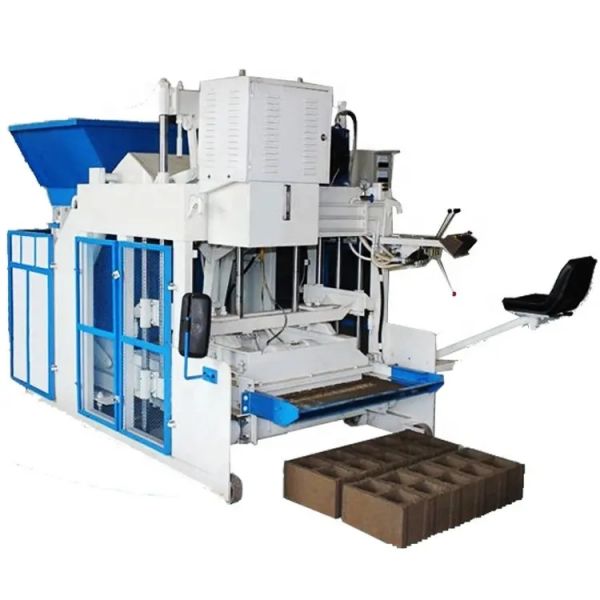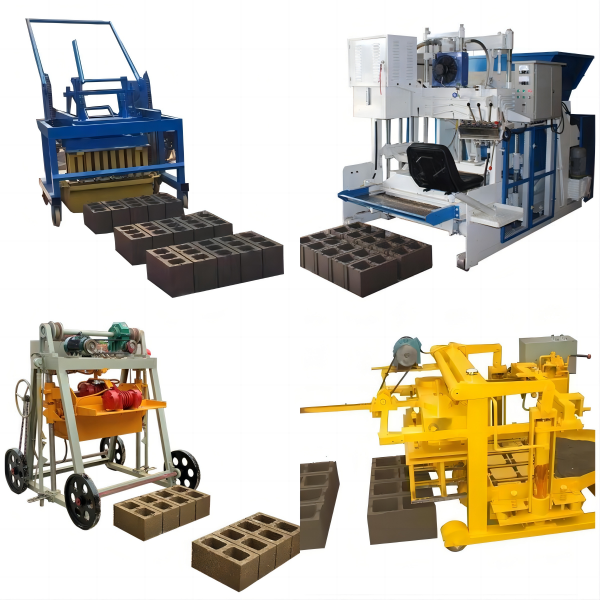
مقدمة في تكنولوجيا تصنيع الطوب المتنقل
في المشهد المتطور للبناء العالمي، أصبحت إمكانية الوصول والمرونة التشغيلية بقيمة حجم الإنتاج الهائل. هنا يأتي دور آلة وضع الطوب، وهي فئة من المعدات تختلف عن المصانع الثابتة واسعة النطاق، مصممة للإنتاج في الموقع ونماذج التصنيع اللامركزية. تمثل هذه الآلات، التي تتميز بقابليتها للنقل وتشغيلها المباشر، فرصة سوقية كبيرة للوكلاء الذين يستهدفون المؤسسات الصغيرة والمتوسطة، والمطورين الريفيين، ومشاريع البناء التي تركز على المجتمع.
تحليل متعمق لتكنولوجيا آلات وضع الطوب
1.1 الآلية التشغيلية الأساسية والميزات المميزة
على عكس نظيراتها المؤتمتة بالكامل، تعمل آلة وضع الطوب على مبدأ الإنتاج الموضعي الدفعي. ويتمثل سِمتها المميزة في قدرتها على التنقل؛ حيث يمكن نقل الوحدة بأكملها بسهولة عبر موقع العمل أو إلى موقع مشروع جديد، دون الحاجة في كثير من الأحيان إلى تفكيكها.
- عملية "الوضع" مُوضحة ببساطة:المصطلح "وضع" هو حرفي. يتم وضع الآلة على أرض مستوية أو بلاطة خرسانية مجهزة. يقوم المشغل بملء حجرة القالب بخليط الخرسانة المحضر. ثم يتم تشغيل رافعة ميكانيكية أو نظام هيدروليكي مضغوط، مما يطبق ضغطًا كبيرًا لضغط المادة. بمجرد تشكيل الطوبة، يتم رفع الآلة أو دفعها بعيدًا، "وضع" الطوبة الطازجة المشكلة حديثًا مباشرة على الأرض في موقع معالجتها الدقيق. وهذا يلغي الحاجة لأنظمة النقل المعقدة أو الروبوتات المخصصة للتكديس.
- تبسيط التعامل مع المواد وسير العملسير العمل الإنتاجي خطي وبسيط. تخلط المواد الخام (الأسمنت، التربة، أو الرمل) في خلاط مركزي يدوي غالباً. ثم تنقل الخلطة إلى موقع الماكينة. تتكرر دورة الملء والضغط والوضع، مع تحرك الماكينة للخلف في خط مستقيم، تاركة وراءها مساراً من الطوب النهائي. تقلل هذه الطريقة بشكل كبير من الحاجة لنقل الطوب قبل المعالجة، مما يبسط سير العمل في الموقع.
- المكونات الرئيسية للتصميم:هيكل الآلة قوي وبسيط في نفس الوقت. يتكون عادةً من إطار فولاذي متين، وصندوق قوالب مصمم بدقة (غالباً ما يكون قادراً على إنتاج عدة طوب في كل دورة)، وآلية ضغط (يدوية أو ميكانيكية أو هيدروليكية)، ونظام طرد بسيط. يعطي التصميم الأولوية للمتانة وسهولة الاستخدام على الأتمتة المعقدة، مما يؤدي إلى آلة ذات عمر تشغيلي طويل ونقاط صيانة قليلة.
1.2 تحديد الموقع في السوق وسيناريوهات التطبيق المثالية
تحتل آلة وضع الطوب مكانة محددة وحيوية في النظام البيئي للبناء، حيث تلبي احتياجات القطاعات التي تكون فيها المصانع واسعة النطاق غير عملية أو غير اقتصادية.
- بطل البناء الريفي والنائيفي المناطق ذات البنية التحتية غير المتطورة أو الوصول المحدود إلى موردي الطوب المركزيين، تمكن هذه الآلة من الإنتاج المحلي. يمكن للمجتمعات تصنيع مواد البناء الخاصة بها باستخدام التربة أو الرمال المتاحة محلياً، مما يعزز الاكتفاء الذاتي ويقلل تكاليف النقل بشكل كبير.
- محرك المشاريع الريادية الصغيرة النطاقبالنسبة لأصحاب الأعمال الحرة، فإن انخفاض رأس المال المطلوب لآلة صنع الطوب يمثل فرصة تجارية جذابة. يمكن للفرد إنشاء مزرعة صغيرة لصنع الطوب، لإنتاج الطوب حسب الطلب للبناة المحليين، ومشاريع السياج، والمباني التجارية الصغيرة، مما يُنشئ مشروعًا صغيرًا مستدامًا.
- الحل للإنتاج حسب الطلب وفي الموقعفي مشاريع البناء التي يكون فيها العدد الدقيق للطوب غير مؤكد أو حيث يكون الإنتاج في الوقت المناسب مفيدًا، تعتبر هذه الآلة مثالية. تتيح للمقاولين إنتاج الطوب مباشرة في موقع البناء، مما يضمن تطابق تام لدفعات الطوب لمشروع واحد، ويزيل هدر المواد ومشاكل التخزين.
- التطبيقات المتخصصة والإغاثة في حالات الكوارثتتيح قابلية نقلها إنتاج طوب متخصص لأغراض تنسيق الحدائق وممرات الحدائق والبنية التحتية صغيرة النطاق. علاوة على ذلك، في سيناريوهات إعادة الإعمار بعد الكوارث، يمكن نشر هذه الآلات بسرعة لإنتاج مواد البناء محليًا، مما يساعد على تسريع جهود التعافي.
١.٣ المزايا الاستراتيجية للموزعين والمستخدمين النهائيين
إن الجاذبية التجارية لآلة وضع الطوب تقوم على أسس تتمثل في انخفاض حواجز الدخول ومرونة تشغيلية عالية.
- الحد الأدنى لرأس المال الأولي This is the most significant advantage. The cost of a single laying brick machine is a fraction of that of a semi- or fully-automatic system, making it an accessible product for a vast segment of the market. For distributors, this means a larger potential customer base and faster sales cycles.
- Unmatched Operational Flexibility and Low Overhead: The machine does not require a dedicated factory shed or a permanent concrete foundation. It can operate in open spaces, requiring only a source of raw materials and a few square meters of level ground. This results in extremely low setup and overhead costs for the end-user.
- Reduced Reliance on Complex Logistics and Energy Grids: Since production is decentralized and the bricks are cured in place, the complex logistics of transporting fragile green bricks are eliminated. Furthermore, most models are entirely mechanical or use low-power hydraulics, making them suitable for operation in areas with unreliable or no electricity.
- Robust Construction and Ease of Maintenance: With fewer moving parts and no sophisticated electronics, these machines are inherently durable. Maintenance is straightforward, often requiring only basic tools and mechanical knowledge. This translates to high machine uptime, customer satisfaction, and a lower burden on the distributor’s after-sales service network.
1.4 Critical Technical and Commercial Evaluation Parameters
For a distributor or procurement manager, assessing the quality and suitability of a laying brick machine requires a focused set of criteria.
- Production Output and Cycle Time: Output is measured in bricks per day rather than per hour. A critical metric is the cycle time—how long it takes to produce one batch of bricks (e.g., 3-5 bricks) and reposition the machine. A faster cycle time directly increases daily yield.
- Build Quality and Material Specifications: The quality of the steel used in the frame and mold determines the machine’s longevity. The hardness and precision of the mold liners are crucial for producing bricks with consistent dimensions and smooth surfaces. A robust vibration system (if present) ensures proper compaction.
- تعدد الاستخدامات في مخرجات المنتج: Many modern laying-type machines come with interchangeable molds. A single base unit can potentially produce solid blocks, hollow blocks, and paving stones. This versatility increases the value proposition for the end-user, allowing them to serve diverse customer needs.
- Ergonomics and Operator Safety: The design should prioritize operator safety and ease of use. Features like ergonomic lever handles, safety guards on moving parts, and a design that minimizes strenuous lifting are important differentiators that reduce the risk of workplace injury and operator fatigue.
خاتمة
The laying brick machine is a testament to the principle that appropriate technology can be as transformative as high-tech solutions. It democratizes the production of construction materials, placing the capability to manufacture bricks directly into the hands of small entrepreneurs, rural communities, and pragmatic contractors. For distributors and B2B stakeholders, this segment represents a dynamic and resilient market less susceptible to the economic fluctuations that can affect large-scale industrial projects. By understanding the unique operational logic, target applications, and commercial drivers of the laying brick machine, businesses can effectively cultivate a valuable and growing customer base, providing them with the tools to build not just structures, but sustainable local economies.
الأسئلة الشائعة (FAQ)
Q1: What is the primary difference between a “laying” machine and a “stationary” block making machine?
A: The core difference lies in mobility and brick handling. A laying machine is mobile, compacting and then ejecting bricks directly onto the ground for curing. A stationary machine is fixed in place, requiring a system to transport the freshly molded (green) bricks to a separate curing area, often involving pallets, racks, or conveyor belts.
Q2: What is the typical production output a single operator can achieve with a manual laying machine?
A: Output is highly dependent on the operator’s efficiency and the machine’s cycle time. A skilled operator using a manual machine producing 3-4 bricks per cycle can typically manufacture between 500 and 1,000 bricks in an 8-hour workday. Hydraulically-assisted models can increase this output.
Q3: Are the bricks produced by these machines of sufficient quality for permanent residential construction?
A: Yes, provided the correct raw material mix and compaction pressure are used. The bricks must be properly cured, typically by keeping them moist and covered for a minimum of 7-14 days. It is recommended that sample bricks be tested for compressive strength at a local laboratory to ensure they meet regional building standards.
Q4: What kind of raw material mix is required for optimal performance?
A: These machines are versatile but work best with a semi-dry concrete mix. A common ratio is 1 part cement to 6-8 parts of a well-graded aggregate (such as a mix of sand and fine gravel). The mixture must have just enough moisture to hold its shape when compacted but not be wet or sloppy.
Q5: What does the typical after-sales support package for this category of machine include?
A: A comprehensive support package should include detailed operational manuals, a set of basic tools, and a starter kit of critical wear parts (like replacement mold liners or seals for hydraulic models). Additionally, suppliers should offer remote troubleshooting support and ready access to a catalog of spare parts.
Q6: Can these machines be easily exported and used in different international markets?
A: Absolutely. Their simple design, lack of dependency on specific voltage standards, and robust construction make them ideal for export. The main considerations are ensuring the accompanying documentation is in the local language and that the distributor has a clear understanding of the local demand for specific brick sizes and types to supply the correct molds.