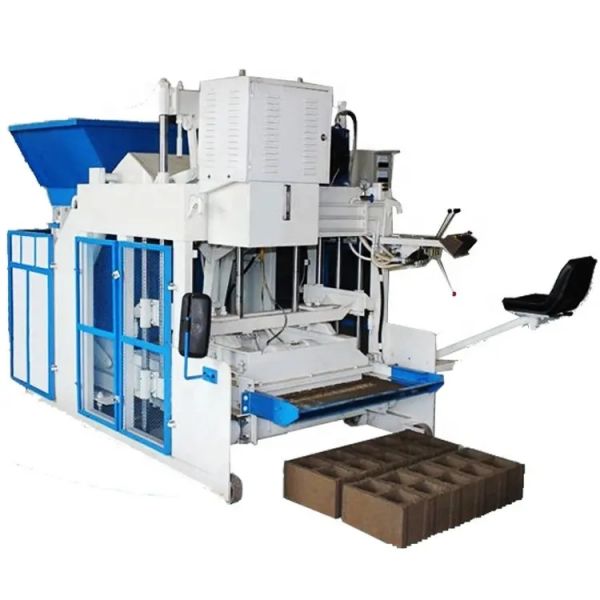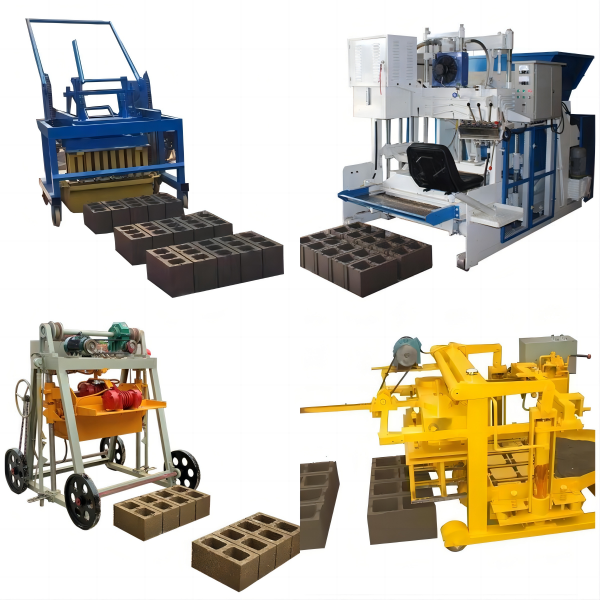
모바일 벽돌 제조 기술 소개
전 세계 건설 환경이 진화함에 따라 접근성과 운영 유연성은 단순한 생산량만큼이나 가치 있는 요소가 되었습니다. 이러한 흐름 속에서 등장한 벽돌 쌓기 기계는 대규모 고정식 공장과는 구별되는 장비 범주로, 현장 생산 및 분산 제조 모델에 맞게 설계되었습니다. 이 기계는 휴대성과 직관적인 운영이 특징이며, 중소기업, 농촌 개발업체, 지역사회 중심 건설 프로젝트를 대상으로 하는 유통업체에게 상당한 시장 기회를 제공합니다.
벽돌 쌓기 기계 기술에 대한 심층 분석
1.1 핵심 운영 메커니즘과 차별화된 특징
완전 자동화된 기계들과 달리, 벽돌 쌓기 기계는 국소적이고 일괄 처리 방식의 생산 원리에 따라 작동합니다. 그 특징은 이동성에 있으며, 전체 장치를 작업 현장 내에서 또는 새로운 프로젝트 현장으로 분해 없이 쉽게 재배치할 수 있습니다.
- "레이어링" 과정의 이해:"레이잉"이라는 용어는 문자 그대로입니다. 기계는 평평하게 조성된 지면이나 미리 준비된 콘크리트 슬래브 위에 위치시킵니다. 조작자는 몰드 챔버에 준비된 콘크리트 혼합물을 채웁니다. 그런 다음 기계식 레버 또는 소형 유압 시스템을 가동하여 재료를 다지는 상당한 압력을 가합니다. 벽돌이 성형되면 기계를 들어 올리거나 바퀴로 이동시켜 갓 성형된 생벽돌을 정확한 양생 위치의 지면에 직접 "깔아" 놓습니다. 이로 인해 복잡한 컨베이어 시스템이나 팔레타이징 로봇이 필요 없어집니다.
- 단순화된 자재 처리 및 작업 흐름생산 워크플로우는 직선적이고 복잡하지 않습니다. 원자재(시멘트, 흙 또는 모래)는 중앙에 위치한, 종종 수동식인 팬 믹서에서 혼합됩니다. 그런 다음 혼합물은 기계가 위치한 장소로 운반됩니다. 채우기, 다지기, 놓기의 과정이 반복되며, 기계는 직선으로 후진하면서 완성된 벽돌을 뒤에 남깁니다. 이 방법은 경화 전 벽돌 운반의 필요성을 극적으로 줄여 현장 작업 흐름을 효율화합니다.
- 주요 설계 구성 요소:이 기계의 구조는 견고하면서도 단순합니다. 일반적으로 내구성이 뛰어난 강철 프레임, 정밀 설계된 몰드 박스(종종 한 주기당 여러 개의 벽돌을 생산 가능), 압축 메커니즘(수동, 기계식 또는 유압식), 그리고 간단한 배출 시스템으로 구성됩니다. 이 설계는 복잡한 자동화보다 내구성과 사용 편의성을 우선시하여, 긴 운영 수명과 최소한의 유지 보수 포인트를 가진 기계를 구현합니다.
1.2 시장 포지셔닝과 이상적인 적용 시나리오
벽돌 쌓기 기계는 대규모 공장이 비실용적이거나 경제적이지 않은 분야를 충족시키며, 건설 생태계에서 특정하고 중요한 위치를 차지하고 있습니다.
- 농촌 및 외딴 지역 건설의 챔피언인프라가 미비하거나 중앙 벽돌 공급업체에 대한 접근이 제한된 지역에서 이 기계는 현지 생산을 가능하게 합니다. 지역사회는 현지에서 조달한 흙이나 모래를 사용해 자체 건축 자재를 제조할 수 있어 자립을 강화하고 운송 비용을 크게 절감할 수 있습니다.
- 소규모 창업 기업의 엔진개인 사업자에게는 적은 자본 투자로도 벽돌 제조기를 도입할 수 있어 매력적인 사업 기회를 제공합니다. 개인이 소규모 벽돌 제조 공장을 설립하여 지역 주택 건설업체, 울타리 설치 프로젝트, 소규모 상업 건물을 위한 맞춤형 벽돌을 생산함으로써 지속 가능한 소규모 기업을 창출할 수 있습니다.
- 수요에 따른 현장 생산 솔루션벽돌의 정확한 수량이 불확실하거나 적시 생산이 유리한 건설 프로젝트에 이 기계는 이상적입니다. 이를 통해 계약자는 건설 현장에서 직접 벽돌을 생산할 수 있어, 단일 프로젝트에 대한 벽돌 배치의 완벽한 일치를 보장하고 자재 낭비 및 저장 문제를 제거합니다.
- 전문 응용 및 재난 구호이 기계의 휴대성은 조경용 특수 벽돌, 정원 산책로 및 소규모 인프라용 벽돌 생산에 적합합니다. 더 나아가, 재해 후 복구 상황에서는 이러한 기계를 신속히 배치해 현지에서 건축 자재를 생산함으로써 복구 작업을 가속화할 수 있습니다.
1.3 유통업체 및 최종 사용자를 위한 전략적 이점
벽돌 쌓기 기계의 상업적 매력은 진입 장벽이 낮고 운영 유연성이 높다는 기반 위에 구축되어 있습니다.
- 최소 초기 자본 투자이것이 가장 큰 장점입니다. 단일 적층 벽돌 제작기의 비용은 반자동 또는 완전 자동 시스템의 일부에 불과하여, 시장의 광범위한 부문에서 접근 가능한 제품이 됩니다. 유통업자에게 이는 더 큰 잠재적 고객 기반과 더 빠른 판매 주기를 의미합니다.
- 탁월한 운영 유연성과 낮은 간접비:이 기계는 전용 공장 건물이나 영구적인 콘크리트 기초가 필요하지 않습니다. 야외 공간에서도 작동할 수 있으며, 원자재 공급원과 몇 평방미터의 평평한 지면만 있으면 됩니다. 이로 인해 최종 사용자의 설치 및 간접 비용이 극히 낮습니다.
- 복잡한 물류 및 에너지 그리드에 대한 의존도 감소생산이 분산되어 벽돌이 현장에서 양생되기 때문에, 깨지기 쉬운 생벽돌을 운반하는 복잡한 물류 과정이 제거됩니다. 더욱이 대부분의 모델은 완전히 기계식이거나 저전력 유압 방식을 사용하여, 전기 공급이 불안정하거나 전혀 없는 지역에서도 운영하기에 적합합니다.
- 견고한 구조와 쉬운 유지보수:움직이는 부품이 적고 정교한 전자 장치가 없어, 이 기계들은 본질적으로 내구성이 뛰어납니다. 유지 보수는 간단하며, 종종 기본적인 도구와 기계적 지식만으로 충분합니다. 이는 높은 기계 가동률, 고객 만족도, 그리고 유통업체의 애프터서비스 네트워크 부담 감소로 이어집니다.
1.4 핵심 기술 및 상업적 평가 매개변수
유통업자나 구매 관리자로서, 벽돌 제조 기계의 품질과 적합성을 평가하려면 집중된 기준 세트가 필요합니다.
- 생산 출력 및 사이클 시간생산량은 시간당이 아닌 일일 벽돌 생산량으로 측정됩니다. 중요한 지표는 사이클 타임, 즉 한 배치의 벽돌(예: 3-5개)을 생산하고 기계를 재배치하는 데 걸리는 시간입니다. 사이클 타임이 빨라지면 일일 생산량이 직접적으로 증가합니다.
- 빌드 품질 및 재질 사양프레임과 몰드에 사용된 강철의 품질은 기계의 내구성을 결정합니다. 몰드 라이너의 경도와 정밀도는 일관된 치수와 매끄러운 표면의 벽돌 생산에 매우 중요합니다. 강력한 진동 시스템(있는 경우)은 적절한 다짐을 보장합니다.
- 제품 생산의 다용도성:많은 현대식 적층형 기계들은 교체 가능한 몰드를 갖추고 있습니다. 단일 기본 장비로 솔리드 블록, 중공 블록 및 포장 돌을 생산할 수 있습니다. 이러한 다용도성은 최종 사용자에게 다양한 고객 요구를 충족시킬 수 있게 하여 가치 제안을 높여줍니다.
- 인체공학과 작업자 안전 The design should prioritize operator safety and ease of use. Features like ergonomic lever handles, safety guards on moving parts, and a design that minimizes strenuous lifting are important differentiators that reduce the risk of workplace injury and operator fatigue.
결론
The laying brick machine is a testament to the principle that appropriate technology can be as transformative as high-tech solutions. It democratizes the production of construction materials, placing the capability to manufacture bricks directly into the hands of small entrepreneurs, rural communities, and pragmatic contractors. For distributors and B2B stakeholders, this segment represents a dynamic and resilient market less susceptible to the economic fluctuations that can affect large-scale industrial projects. By understanding the unique operational logic, target applications, and commercial drivers of the laying brick machine, businesses can effectively cultivate a valuable and growing customer base, providing them with the tools to build not just structures, but sustainable local economies.
자주 묻는 질문 (FAQ)
Q1: What is the primary difference between a “laying” machine and a “stationary” block making machine?
A: The core difference lies in mobility and brick handling. A laying machine is mobile, compacting and then ejecting bricks directly onto the ground for curing. A stationary machine is fixed in place, requiring a system to transport the freshly molded (green) bricks to a separate curing area, often involving pallets, racks, or conveyor belts.
Q2: What is the typical production output a single operator can achieve with a manual laying machine?
A: Output is highly dependent on the operator’s efficiency and the machine’s cycle time. A skilled operator using a manual machine producing 3-4 bricks per cycle can typically manufacture between 500 and 1,000 bricks in an 8-hour workday. Hydraulically-assisted models can increase this output.
Q3: Are the bricks produced by these machines of sufficient quality for permanent residential construction?
A: Yes, provided the correct raw material mix and compaction pressure are used. The bricks must be properly cured, typically by keeping them moist and covered for a minimum of 7-14 days. It is recommended that sample bricks be tested for compressive strength at a local laboratory to ensure they meet regional building standards.
Q4: What kind of raw material mix is required for optimal performance?
A: These machines are versatile but work best with a semi-dry concrete mix. A common ratio is 1 part cement to 6-8 parts of a well-graded aggregate (such as a mix of sand and fine gravel). The mixture must have just enough moisture to hold its shape when compacted but not be wet or sloppy.
Q5: What does the typical after-sales support package for this category of machine include?
A: A comprehensive support package should include detailed operational manuals, a set of basic tools, and a starter kit of critical wear parts (like replacement mold liners or seals for hydraulic models). Additionally, suppliers should offer remote troubleshooting support and ready access to a catalog of spare parts.
Q6: Can these machines be easily exported and used in different international markets?
A: Absolutely. Their simple design, lack of dependency on specific voltage standards, and robust construction make them ideal for export. The main considerations are ensuring the accompanying documentation is in the local language and that the distributor has a clear understanding of the local demand for specific brick sizes and types to supply the correct molds.