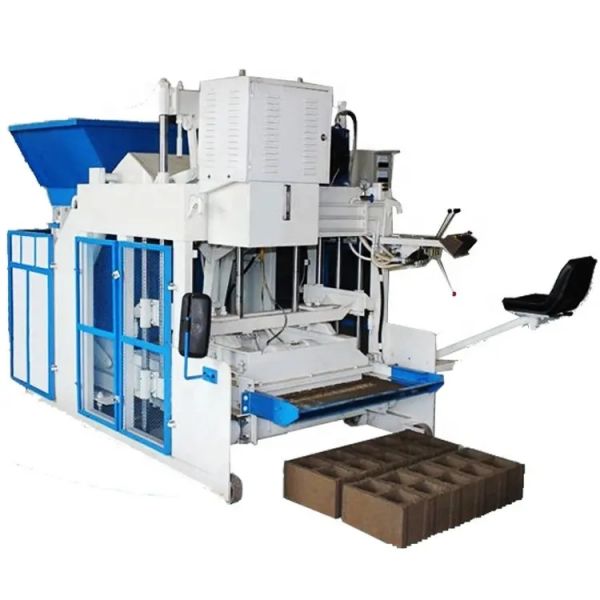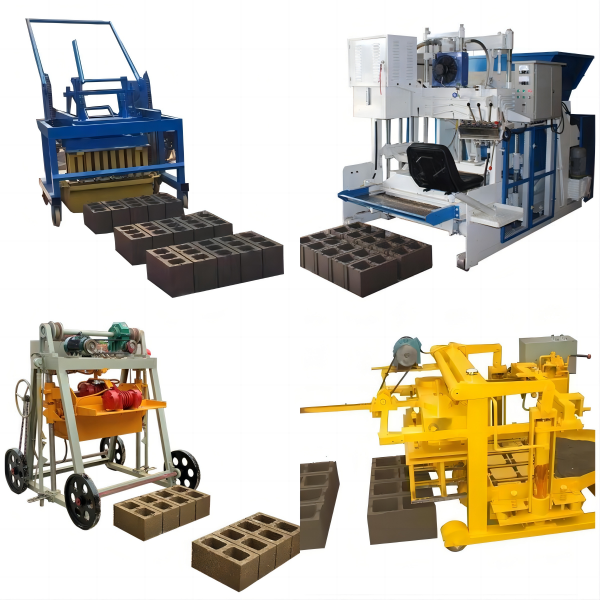
Giới thiệu Công nghệ Sản xuất Gạch Di động
Trong bối cảnh phát triển không ngừng của ngành xây dựng toàn cầu, khả năng tiếp cận và tính linh hoạt trong vận hành đã trở nên quan trọng không kém quy mô sản xuất thuần túy. Máy đặt gạch ra đời, một loại thiết bị khác biệt với các nhà máy cố định quy mô lớn, được thiết kế cho sản xuất tại chỗ và mô hình sản xuất phi tập trung. Loại máy móc này, với đặc điểm di động và vận hành đơn giản, đại diện cho cơ hội thị trường đáng kể cho các nhà phân phối hướng đến doanh nghiệp vừa và nhỏ (SMEs), nhà phát triển nông thôn và các dự án xây dựng tập trung vào cộng đồng.
Phân Tích Chuyên Sâu Về Công Nghệ Máy Xây Gạch
1.1 Cơ Chế Hoạt Động Cốt Lõi và Đặc Điểm Nổi Bật
Khác với các đối tác hoàn toàn tự động, máy đặt gạch hoạt động dựa trên nguyên lý sản xuất theo từng đợt tại chỗ. Đặc điểm nổi bật của nó là tính di động; toàn bộ hệ thống có thể dễ dàng di chuyển khắp công trường hoặc đến địa điểm dự án mới, thường không yêu cầu tháo dỡ.
- Quy Trình "Đẻ Trứng" Được Giải Mã:Thuật ngữ "đặt" được hiểu theo nghĩa đen. Máy được đặt trên mặt đất bằng phẳng hoặc một tấm bê tông đã được chuẩn bị sẵn. Người vận hành sẽ đổ hỗn hợp bê tông đã trộn vào buồng khuôn. Sau đó, một cần gạt cơ học hoặc hệ thống thủy lực nhỏ gọn được kích hoạt, tạo áp lực lớn để nén chặt vật liệu. Khi viên gạch đã được định hình, máy sẽ được nâng lên hoặc di chuyển bằng bánh xe, "đặt" viên gạch mới ra khuôn, còn ướt trực tiếp xuống mặt đất ngay tại vị trí bảo dưỡng chính xác của nó. Điều này loại bỏ nhu cầu sử dụng các hệ thống băng tải phức tạp hoặc robot xếp pallet.
- Đơn Giản Hóa Việc Xử Lý Vật Liệu và Quy Trình Làm ViệcQuy trình sản xuất mang tính tuyến tính và đơn giản. Nguyên liệu thô (xi măng, đất hoặc cát) được trộn trong một máy trộn thủ công tập trung. Hỗn hợp sau đó được vận chuyển đến vị trí đặt máy. Chu kỳ đổ liệu, nén và đặt gạch được lặp lại, với máy di chuyển lùi theo đường thẳng, để lại phía sau một dải gạch thành phẩm. Phương pháp này giảm đáng kể nhu cầu vận chuyển gạch trước khi bảo dưỡng, giúp tối ưu hóa quy trình làm việc tại chỗ.
- Các Thành Phần Thiết Kế Chính:Kiến trúc của máy vừa chắc chắn vừa đơn giản. Nó thường bao gồm khung thép chịu lực, hộp khuôn được thiết kế chính xác (thường có khả năng sản xuất nhiều viên gạch mỗi chu kỳ), cơ chế nén (thủ công, cơ khí hoặc thủy lực) và hệ thống đẩy sản phẩm đơn giản. Thiết kế ưu tiên độ bền và tính dễ sử dụng hơn là tự động hóa phức tạp, mang lại cho máy tuổi thọ vận hành dài và các điểm bảo trì tối thiểu.
1.2 Định vị thị trường và các kịch bản ứng dụng lý tưởng
Máy đặt gạch chiếm một vị trí chuyên biệt và quan trọng trong hệ sinh thái xây dựng, phục vụ các phân khúc mà các nhà máy quy mô lớn không khả thi hoặc không kinh tế.
- Nhà Vô Địch Xây Dựng Nông Thôn và Vùng Sâu Vùng XaỞ những khu vực có cơ sở hạ tầng kém phát triển hoặc khó tiếp cận nhà cung cấp gạch tập trung, máy này cho phép sản xuất tại chỗ. Các cộng đồng có thể tự sản xuất vật liệu xây dựng bằng đất hoặc cát tại địa phương, nâng cao khả năng tự chủ và giảm đáng kể chi phí vận chuyển.
- Động lực của các Doanh nghiệp Khởi nghiệp Quy mô Nhỏ For individual entrepreneurs, the low capital investment required for a laying brick machine presents a compelling business opportunity. An individual can establish a small brick-making yard, producing bricks on demand for local homebuilders, fencing projects, and small commercial structures, creating a sustainable micro-enterprise.
- The Solution for On-Demand, On-Site Production: For construction projects where the exact number of bricks is uncertain or where just-in-time production is beneficial, this machine is ideal. It allows contractors to produce bricks directly on the construction site, ensuring a perfect match of brick batches for a single project and eliminating material waste and storage issues.
- Specialized Applications and Disaster Relief: Its portability makes it suitable for producing specialized bricks for landscaping, garden pathways, and small-scale infrastructure. Furthermore, in post-disaster reconstruction scenarios, these machines can be rapidly deployed to produce building materials locally, accelerating recovery efforts.
1.3 Strategic Advantages for Distributors and End-Users
The commercial appeal of the laying brick machine is built on a foundation of low barriers to entry and high operational flexibility.
- Minimal Initial Capital Outlay: This is the most significant advantage. The cost of a single laying brick machine is a fraction of that of a semi- or fully-automatic system, making it an accessible product for a vast segment of the market. For distributors, this means a larger potential customer base and faster sales cycles.
- Unmatched Operational Flexibility and Low Overhead: The machine does not require a dedicated factory shed or a permanent concrete foundation. It can operate in open spaces, requiring only a source of raw materials and a few square meters of level ground. This results in extremely low setup and overhead costs for the end-user.
- Reduced Reliance on Complex Logistics and Energy Grids: Since production is decentralized and the bricks are cured in place, the complex logistics of transporting fragile green bricks are eliminated. Furthermore, most models are entirely mechanical or use low-power hydraulics, making them suitable for operation in areas with unreliable or no electricity.
- Robust Construction and Ease of Maintenance: With fewer moving parts and no sophisticated electronics, these machines are inherently durable. Maintenance is straightforward, often requiring only basic tools and mechanical knowledge. This translates to high machine uptime, customer satisfaction, and a lower burden on the distributor’s after-sales service network.
1.4 Critical Technical and Commercial Evaluation Parameters
For a distributor or procurement manager, assessing the quality and suitability of a laying brick machine requires a focused set of criteria.
- Production Output and Cycle Time: Output is measured in bricks per day rather than per hour. A critical metric is the cycle time—how long it takes to produce one batch of bricks (e.g., 3-5 bricks) and reposition the machine. A faster cycle time directly increases daily yield.
- Build Quality and Material Specifications: The quality of the steel used in the frame and mold determines the machine’s longevity. The hardness and precision of the mold liners are crucial for producing bricks with consistent dimensions and smooth surfaces. A robust vibration system (if present) ensures proper compaction.
- Versatility in Product Output: Many modern laying-type machines come with interchangeable molds. A single base unit can potentially produce solid blocks, hollow blocks, and paving stones. This versatility increases the value proposition for the end-user, allowing them to serve diverse customer needs.
- Ergonomics and Operator Safety: The design should prioritize operator safety and ease of use. Features like ergonomic lever handles, safety guards on moving parts, and a design that minimizes strenuous lifting are important differentiators that reduce the risk of workplace injury and operator fatigue.
Conclusion
The laying brick machine is a testament to the principle that appropriate technology can be as transformative as high-tech solutions. It democratizes the production of construction materials, placing the capability to manufacture bricks directly into the hands of small entrepreneurs, rural communities, and pragmatic contractors. For distributors and B2B stakeholders, this segment represents a dynamic and resilient market less susceptible to the economic fluctuations that can affect large-scale industrial projects. By understanding the unique operational logic, target applications, and commercial drivers of the laying brick machine, businesses can effectively cultivate a valuable and growing customer base, providing them with the tools to build not just structures, but sustainable local economies.
Các Câu Hỏi Thường Gặp (FAQ)
Q1: What is the primary difference between a “laying” machine and a “stationary” block making machine?
A: The core difference lies in mobility and brick handling. A laying machine is mobile, compacting and then ejecting bricks directly onto the ground for curing. A stationary machine is fixed in place, requiring a system to transport the freshly molded (green) bricks to a separate curing area, often involving pallets, racks, or conveyor belts.
Q2: What is the typical production output a single operator can achieve with a manual laying machine?
A: Output is highly dependent on the operator’s efficiency and the machine’s cycle time. A skilled operator using a manual machine producing 3-4 bricks per cycle can typically manufacture between 500 and 1,000 bricks in an 8-hour workday. Hydraulically-assisted models can increase this output.
Q3: Are the bricks produced by these machines of sufficient quality for permanent residential construction?
A: Yes, provided the correct raw material mix and compaction pressure are used. The bricks must be properly cured, typically by keeping them moist and covered for a minimum of 7-14 days. It is recommended that sample bricks be tested for compressive strength at a local laboratory to ensure they meet regional building standards.
Q4: What kind of raw material mix is required for optimal performance?
A: These machines are versatile but work best with a semi-dry concrete mix. A common ratio is 1 part cement to 6-8 parts of a well-graded aggregate (such as a mix of sand and fine gravel). The mixture must have just enough moisture to hold its shape when compacted but not be wet or sloppy.
Q5: What does the typical after-sales support package for this category of machine include?
A: A comprehensive support package should include detailed operational manuals, a set of basic tools, and a starter kit of critical wear parts (like replacement mold liners or seals for hydraulic models). Additionally, suppliers should offer remote troubleshooting support and ready access to a catalog of spare parts.
Q6: Can these machines be easily exported and used in different international markets?
A: Absolutely. Their simple design, lack of dependency on specific voltage standards, and robust construction make them ideal for export. The main considerations are ensuring the accompanying documentation is in the local language and that the distributor has a clear understanding of the local demand for specific brick sizes and types to supply the correct molds.