Мобильді кірпіш өндіру технологиясына кіріспе
Жаһандық құрылыстың дамып келе жатқан ландшафтында қолжетімділік пен операциялық икемділік өндіріс көлемі сияқты құнды болып отыр. Осындай жағдайда, ірі стационарлық зауыттардан ерекшеленетін, құрылыс алаңында өндіруге және орталықтандырылмаған өндіріс модельдеріне арналған кірпіш төсеу машинасы пайда болды. Портативтілігі мен қарапайымдылығымен сипатталатын бұл техника шағын және орта кәсіпорындарға (ШОК), ауылдық дамушыларға және қоғамдық құрылыс жобаларына бағытталған дистрибьюторлар үшін маңызды нарықтық мүмкіндік болып табылады.
Кірпіш төсеу машинасы технологиясына терең талдау
1.1 Негізгі операциялық механизм және ерекшеліктері
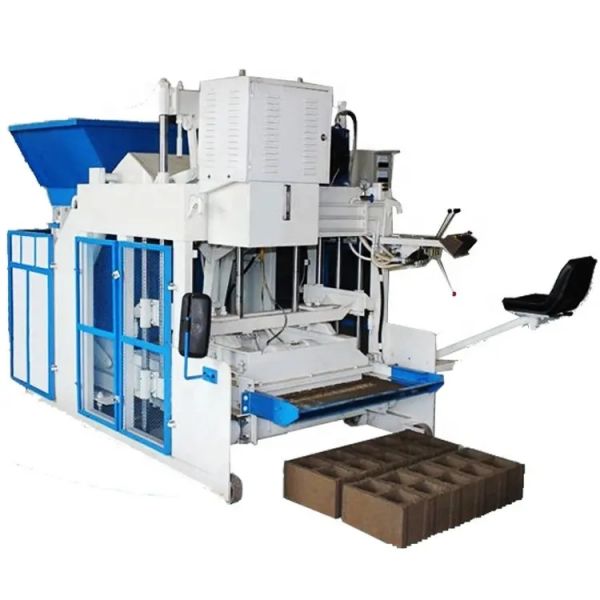
Толық автоматтандырылған аналогтарынан айырмашылығы, кірпіш төсеу машинасы жергілікті, партиялап өндіру принципі бойынша жұмыс істейді. Оның ерекше сипаттамасы - қозғалмалылығы; бүкіл агрегат құрылыс алаңы бойынша немесе жаңа жоба орнына оңай жылжытылуы мүмкін, көбінесе бөлшектеуді қажет етпейді.
- «Төсеу» процесінің сырын ашу:"Төсеу" термині тура мағынада қолданылады. Машина тегістелген жерге немесе дайындалған темірбетон плитасына орнатылады. Оператор дайындалған бетон қоспасын қалып камерасына толтырады. Содан кейін механикалық тұтқа немесе ықшам гидравликалық жүйе іске қосылып, материалды тығыздау үшін айтарлықтай қысым түсіреді. Кірпіш қалыптасқаннан кейін, машина көтеріліп немесе дөңгелектеп алынып, жаңа қалыптасқан, ылғалды кірпішті тікелей жерге, оның нақты қатайтын орнына "төсейді". Бұл күрделі тасымалдау жүйелерінің немесе паллеттеу роботтарының қажеттілігін жояды.
- Жеңілдетілген материалдарды өңдеу және жұмыс ағыныӨндірістік жұмыс процесі сызықтық және күрделі емес. Шикізаттар (цемент, топырақ немесе құм) орталық, көбінесе қолмен басқарылатын, табақты араластырғышта араластырылады. Содан кейін қоспа машинаның орнына тасымалданады. Толтыру, нығыздау және төсеу циклі қайталанады, машина түзу сызық бойымен артқа жылжып, артында дайын кірпіштердің ізін қалдырады. Бұл әдіс кірпіштерді кептіру алдында тасымалдау қажеттілігін едәуір азайтып, орындағы жұмыс процесін жеңілдетеді.
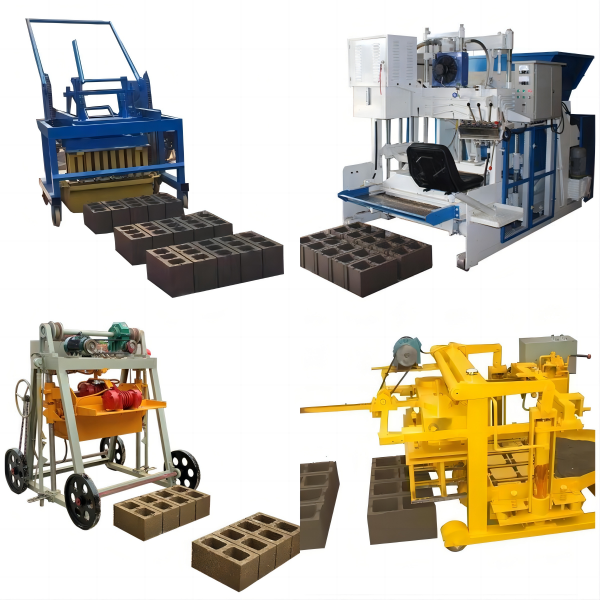
- Негізгі дизайн компоненттері:Машинаның архитектурасы берік және қарапайым. Ол әдетте ауыр жүкті болат жақтаудан, дәл инженерлік өңделген қалып жәшігінен (көбінесе бір циклде бірнеше кірпіш шығара алады), тығыздау механизмінен (қолмен, механикалық немесе гидравликалық) және қарапайым шығару жүйесінен тұрады. Дизайн күрделі автоматтандырудан гөрі беріктік пен қолданудың қарапайымдылығына басымдық береді, нәтижесінде ұзақ пайдалану мерзімі және ең аз техникалық қызмет көрсету нүктелері бар машина шығады.
1.2 Нарықтағы орналасуы және оңтайлы қолдану сценарийлері
Төсеу кірпіш машинасы құрылыс экожүйесінде нақты және маңызды орын алады, ірі көлемді зауыттар практикалық немесе үнемді емес сегменттерге қызмет етеді.
- Ауылдық және шалғай аймақтардың құрылыс чемпионыИнфрақұрылымы дамымаған немесе орталықтандырылған кірпіш жеткізушілеріне қол жеткізу шектеулі аймақтарда бұл машина жергілікті өндірісті қамтамасыз етеді. Қауымдастықтар жергілікті көздерден алынған топырақ немесе құмды пайдаланып өз құрылыс материалдарын дайындай алады, бұл өзін-өзі қамтамасыз етуге мүмкіндік береді және тасымалдау шығындарын айтарлықтай төмендетеді.
- The Engine of Small-Scale Entrepreneurial Ventures: For individual entrepreneurs, the low capital investment required for a laying brick machine presents a compelling business opportunity. An individual can establish a small brick-making yard, producing bricks on demand for local homebuilders, fencing projects, and small commercial structures, creating a sustainable micro-enterprise.
- The Solution for On-Demand, On-Site Production: For construction projects where the exact number of bricks is uncertain or where just-in-time production is beneficial, this machine is ideal. It allows contractors to produce bricks directly on the construction site, ensuring a perfect match of brick batches for a single project and eliminating material waste and storage issues.
- Specialized Applications and Disaster Relief: Its portability makes it suitable for producing specialized bricks for landscaping, garden pathways, and small-scale infrastructure. Furthermore, in post-disaster reconstruction scenarios, these machines can be rapidly deployed to produce building materials locally, accelerating recovery efforts.
1.3 Strategic Advantages for Distributors and End-Users
The commercial appeal of the laying brick machine is built on a foundation of low barriers to entry and high operational flexibility.
- Minimal Initial Capital Outlay: This is the most significant advantage. The cost of a single laying brick machine is a fraction of that of a semi- or fully-automatic system, making it an accessible product for a vast segment of the market. For distributors, this means a larger potential customer base and faster sales cycles.
- Unmatched Operational Flexibility and Low Overhead: The machine does not require a dedicated factory shed or a permanent concrete foundation. It can operate in open spaces, requiring only a source of raw materials and a few square meters of level ground. This results in extremely low setup and overhead costs for the end-user.
- Reduced Reliance on Complex Logistics and Energy Grids: Since production is decentralized and the bricks are cured in place, the complex logistics of transporting fragile green bricks are eliminated. Furthermore, most models are entirely mechanical or use low-power hydraulics, making them suitable for operation in areas with unreliable or no electricity.
- Robust Construction and Ease of Maintenance: With fewer moving parts and no sophisticated electronics, these machines are inherently durable. Maintenance is straightforward, often requiring only basic tools and mechanical knowledge. This translates to high machine uptime, customer satisfaction, and a lower burden on the distributor’s after-sales service network.
1.4 Critical Technical and Commercial Evaluation Parameters
For a distributor or procurement manager, assessing the quality and suitability of a laying brick machine requires a focused set of criteria.
- Production Output and Cycle Time: Output is measured in bricks per day rather than per hour. A critical metric is the cycle time—how long it takes to produce one batch of bricks (e.g., 3-5 bricks) and reposition the machine. A faster cycle time directly increases daily yield.
- Build Quality and Material Specifications: The quality of the steel used in the frame and mold determines the machine’s longevity. The hardness and precision of the mold liners are crucial for producing bricks with consistent dimensions and smooth surfaces. A robust vibration system (if present) ensures proper compaction.
- Versatility in Product Output: Many modern laying-type machines come with interchangeable molds. A single base unit can potentially produce solid blocks, hollow blocks, and paving stones. This versatility increases the value proposition for the end-user, allowing them to serve diverse customer needs.
- Ergonomics and Operator Safety: The design should prioritize operator safety and ease of use. Features like ergonomic lever handles, safety guards on moving parts, and a design that minimizes strenuous lifting are important differentiators that reduce the risk of workplace injury and operator fatigue.
Қорытынды
The laying brick machine is a testament to the principle that appropriate technology can be as transformative as high-tech solutions. It democratizes the production of construction materials, placing the capability to manufacture bricks directly into the hands of small entrepreneurs, rural communities, and pragmatic contractors. For distributors and B2B stakeholders, this segment represents a dynamic and resilient market less susceptible to the economic fluctuations that can affect large-scale industrial projects. By understanding the unique operational logic, target applications, and commercial drivers of the laying brick machine, businesses can effectively cultivate a valuable and growing customer base, providing them with the tools to build not just structures, but sustainable local economies.
Жиі қойылатын сұрақтар (ЖҚС)
Q1: What is the primary difference between a “laying” machine and a “stationary” block making machine?
A: The core difference lies in mobility and brick handling. A laying machine is mobile, compacting and then ejecting bricks directly onto the ground for curing. A stationary machine is fixed in place, requiring a system to transport the freshly molded (green) bricks to a separate curing area, often involving pallets, racks, or conveyor belts.
Q2: What is the typical production output a single operator can achieve with a manual laying machine?
A: Output is highly dependent on the operator’s efficiency and the machine’s cycle time. A skilled operator using a manual machine producing 3-4 bricks per cycle can typically manufacture between 500 and 1,000 bricks in an 8-hour workday. Hydraulically-assisted models can increase this output.
Q3: Are the bricks produced by these machines of sufficient quality for permanent residential construction?
A: Yes, provided the correct raw material mix and compaction pressure are used. The bricks must be properly cured, typically by keeping them moist and covered for a minimum of 7-14 days. It is recommended that sample bricks be tested for compressive strength at a local laboratory to ensure they meet regional building standards.
Q4: What kind of raw material mix is required for optimal performance?
A: These machines are versatile but work best with a semi-dry concrete mix. A common ratio is 1 part cement to 6-8 parts of a well-graded aggregate (such as a mix of sand and fine gravel). The mixture must have just enough moisture to hold its shape when compacted but not be wet or sloppy.
Q5: What does the typical after-sales support package for this category of machine include?
A: A comprehensive support package should include detailed operational manuals, a set of basic tools, and a starter kit of critical wear parts (like replacement mold liners or seals for hydraulic models). Additionally, suppliers should offer remote troubleshooting support and ready access to a catalog of spare parts.
Q6: Can these machines be easily exported and used in different international markets?
A: Absolutely. Their simple design, lack of dependency on specific voltage standards, and robust construction make them ideal for export. The main considerations are ensuring the accompanying documentation is in the local language and that the distributor has a clear understanding of the local demand for specific brick sizes and types to supply the correct molds.