Panimula sa Teknolohiya ng Paggawa ng Mobile Brick
Sa nagbabagong larangan ng konstruksiyon sa buong mundo, ang pagkamadaling gamitin at kakayahang umangkop sa operasyon ay naging kasing halaga ng mismong dami ng produksiyon. Dito pumapasok ang laying brick machine, isang uri ng kagamitan na naiiba sa malalaking nakatigil na planta, na idinisenyo para sa produksiyon sa mismong lugar at desentralisadong mga modelo ng pagmamanupaktura. Ang makinaryang ito, na kilala sa pagiging madaling ilipat at prangkang operasyon, ay kumakatawan sa isang malaking oportunidad sa merkado para sa mga distributor na tumatarget sa maliliit hanggang katamtamang negosyo (SMEs), mga developer sa kanayunan, at mga proyektong nakatuon sa komunidad.
Isang Malalim na Pagsusuri sa Teknolohiya ng Makinang Paglalagay ng Bato (Brick Laying Machine)
1.1 Pangunahing Mekanismo ng Pagpapatakbo at Natatanging Katangian
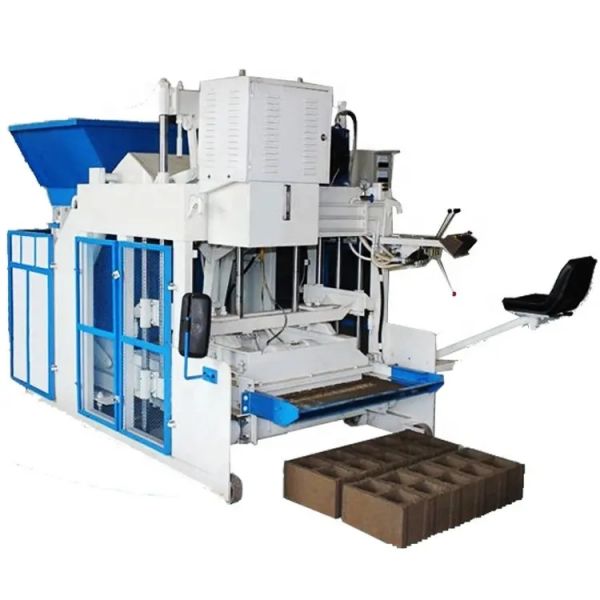
Hindi tulad ng mga ganap na awtomatikong katapat nito, ang makina ng paglalagay ng ladrilyo ay gumagana sa prinsipyo ng lokal na produksyon, sunud-sunod. Ang natatanging katangian nito ay ang pagiging madaling ilipat; ang buong yunit ay maaaring madaling ilipat sa buong lugar ng trabaho o sa isang bagong lokasyon ng proyekto, kadalasan nang hindi nangangailangan ng pagkalas.
- Ang Proseso ng "Pagpapahid" Ipinaliwanag:Ang terminong "paglalagay" ay literal. Ang makina ay inilalagay sa pantay na lupa o isang handang kongkretong slab. Pinupuno ng operator ang hulmahan ng handang kongkretong timpla. Isang mekanikal na lever o isang kompaktong haydrolikong sistema ang ginagamit, na naglalapat ng malaking presyon upang pindutin ang materyal. Kapag nabuo na ang ladrilyo, ang makina ay itinataas o itinutulak papalayo, "naglalagay" ng sariwang hulmang hilaw na ladrilyo nang direkta sa lupa sa eksaktong lokasyon ng pagpapatigas nito. Inaalis nito ang pangangailangan para sa masalimuot na mga sistema ng conveyor o mga robot na nagpapaleta.
- Pinadaling Paghawak ng Materyales at Daloy ng Trabaho:Ang workflow ng produksyon ay tuwid at hindi kumplikado. Ang mga hilaw na materyales (semento, lupa, o buhangin) ay hinahalo sa isang sentral, kadalasang manwal, na pan mixer. Ang timpla ay saka inililipat sa lokasyon ng makina. Ang siklo ng paglalagay, pagpapatigas, at paglalatag ay paulit-ulit na isinasagawa, habang ang makina ay umuurong sa isang tuwid na linya, na nag-iiwan ng isang hanay ng mga tapos na ladrilyo sa likuran nito. Ang pamamaraang ito ay lubhang nagbabawas sa pangangailangan ng transportasyon ng mga ladrilyo bago ang pagpapatibay, na nagpapadali sa workflow sa mismong lugar.
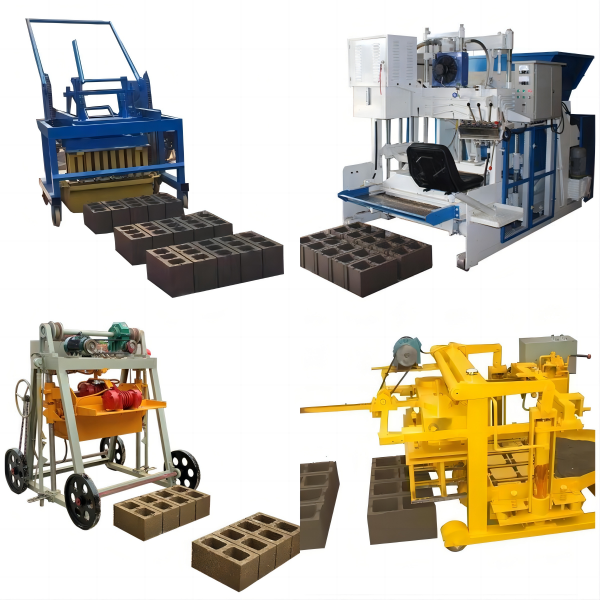
- Mga Pangunahing Bahagi ng Disenyo:Ang arkitektura ng makina ay matatag ngunit simple. Karaniwan itong binubuo ng isang matibay na balangkas na yari sa bakal, isang de-kalidad na kahon ng hulma (kadalasang kayang gumawa ng maraming brick bawat ikot), isang mekanismo ng pagpapatigas (manwal, mekanikal, o haydroliko), at isang simpleng sistema ng paglabas. Ang disenyo ay nagbibigay-prioridad sa tibay at kadalian ng paggamit kaysa sa kumplikadong awtomasyon, na nagreresulta sa isang makina na may mahabang buhay ng operasyon at kaunting mga punto ng pagpapanatili.
1.2 Pagpoposisyon sa Merkado at mga Ideyal na Senaryo ng Paggamit
Ang makina para sa paglalagay ng ladrilyo ay sumasakop sa isang tiyak at mahalagang puwang sa ekosistema ng konstruksiyon, na tumutugon sa mga segment kung saan ang malalaking planta ay hindi praktikal o hindi magiging matipid.
- Ang Kampeon ng Konstruksiyon sa Kanayunan at Malalayong LugarSa mga lugar na may hindi maunlad na imprastraktura o limitadong access sa sentralisadong mga supplier ng ladrilyo, nagbibigay-daan ang makina na ito sa lokal na produksyon. Maaaring gumawa ang mga komunidad ng kanilang sariling materyales sa paggawa gamit ang lokal na lupa o buhangin, na nagpapalakas ng sariling kakayahan at lubhang nagpapababa sa mga gastos sa transportasyon.
- The Engine of Small-Scale Entrepreneurial Ventures: For individual entrepreneurs, the low capital investment required for a laying brick machine presents a compelling business opportunity. An individual can establish a small brick-making yard, producing bricks on demand for local homebuilders, fencing projects, and small commercial structures, creating a sustainable micro-enterprise.
- The Solution for On-Demand, On-Site Production: For construction projects where the exact number of bricks is uncertain or where just-in-time production is beneficial, this machine is ideal. It allows contractors to produce bricks directly on the construction site, ensuring a perfect match of brick batches for a single project and eliminating material waste and storage issues.
- Specialized Applications and Disaster Relief: Its portability makes it suitable for producing specialized bricks for landscaping, garden pathways, and small-scale infrastructure. Furthermore, in post-disaster reconstruction scenarios, these machines can be rapidly deployed to produce building materials locally, accelerating recovery efforts.
1.3 Strategic Advantages for Distributors and End-Users
The commercial appeal of the laying brick machine is built on a foundation of low barriers to entry and high operational flexibility.
- Minimal Initial Capital Outlay: This is the most significant advantage. The cost of a single laying brick machine is a fraction of that of a semi- or fully-automatic system, making it an accessible product for a vast segment of the market. For distributors, this means a larger potential customer base and faster sales cycles.
- Unmatched Operational Flexibility and Low Overhead: The machine does not require a dedicated factory shed or a permanent concrete foundation. It can operate in open spaces, requiring only a source of raw materials and a few square meters of level ground. This results in extremely low setup and overhead costs for the end-user.
- Reduced Reliance on Complex Logistics and Energy Grids: Since production is decentralized and the bricks are cured in place, the complex logistics of transporting fragile green bricks are eliminated. Furthermore, most models are entirely mechanical or use low-power hydraulics, making them suitable for operation in areas with unreliable or no electricity.
- Robust Construction and Ease of Maintenance: With fewer moving parts and no sophisticated electronics, these machines are inherently durable. Maintenance is straightforward, often requiring only basic tools and mechanical knowledge. This translates to high machine uptime, customer satisfaction, and a lower burden on the distributor’s after-sales service network.
1.4 Critical Technical and Commercial Evaluation Parameters
For a distributor or procurement manager, assessing the quality and suitability of a laying brick machine requires a focused set of criteria.
- Production Output and Cycle Time: Output is measured in bricks per day rather than per hour. A critical metric is the cycle time—how long it takes to produce one batch of bricks (e.g., 3-5 bricks) and reposition the machine. A faster cycle time directly increases daily yield.
- Build Quality and Material Specifications: The quality of the steel used in the frame and mold determines the machine’s longevity. The hardness and precision of the mold liners are crucial for producing bricks with consistent dimensions and smooth surfaces. A robust vibration system (if present) ensures proper compaction.
- Versatility in Product Output: Many modern laying-type machines come with interchangeable molds. A single base unit can potentially produce solid blocks, hollow blocks, and paving stones. This versatility increases the value proposition for the end-user, allowing them to serve diverse customer needs.
- Ergonomics and Operator Safety: The design should prioritize operator safety and ease of use. Features like ergonomic lever handles, safety guards on moving parts, and a design that minimizes strenuous lifting are important differentiators that reduce the risk of workplace injury and operator fatigue.
Konklusyon
The laying brick machine is a testament to the principle that appropriate technology can be as transformative as high-tech solutions. It democratizes the production of construction materials, placing the capability to manufacture bricks directly into the hands of small entrepreneurs, rural communities, and pragmatic contractors. For distributors and B2B stakeholders, this segment represents a dynamic and resilient market less susceptible to the economic fluctuations that can affect large-scale industrial projects. By understanding the unique operational logic, target applications, and commercial drivers of the laying brick machine, businesses can effectively cultivate a valuable and growing customer base, providing them with the tools to build not just structures, but sustainable local economies.
Mga Madalas Itanong (FAQ)
Q1: What is the primary difference between a “laying” machine and a “stationary” block making machine?
A: The core difference lies in mobility and brick handling. A laying machine is mobile, compacting and then ejecting bricks directly onto the ground for curing. A stationary machine is fixed in place, requiring a system to transport the freshly molded (green) bricks to a separate curing area, often involving pallets, racks, or conveyor belts.
Q2: What is the typical production output a single operator can achieve with a manual laying machine?
A: Output is highly dependent on the operator’s efficiency and the machine’s cycle time. A skilled operator using a manual machine producing 3-4 bricks per cycle can typically manufacture between 500 and 1,000 bricks in an 8-hour workday. Hydraulically-assisted models can increase this output.
Q3: Are the bricks produced by these machines of sufficient quality for permanent residential construction?
A: Yes, provided the correct raw material mix and compaction pressure are used. The bricks must be properly cured, typically by keeping them moist and covered for a minimum of 7-14 days. It is recommended that sample bricks be tested for compressive strength at a local laboratory to ensure they meet regional building standards.
Q4: What kind of raw material mix is required for optimal performance?
A: These machines are versatile but work best with a semi-dry concrete mix. A common ratio is 1 part cement to 6-8 parts of a well-graded aggregate (such as a mix of sand and fine gravel). The mixture must have just enough moisture to hold its shape when compacted but not be wet or sloppy.
Q5: What does the typical after-sales support package for this category of machine include?
A: A comprehensive support package should include detailed operational manuals, a set of basic tools, and a starter kit of critical wear parts (like replacement mold liners or seals for hydraulic models). Additionally, suppliers should offer remote troubleshooting support and ready access to a catalog of spare parts.
Q6: Can these machines be easily exported and used in different international markets?
A: Absolutely. Their simple design, lack of dependency on specific voltage standards, and robust construction make them ideal for export. The main considerations are ensuring the accompanying documentation is in the local language and that the distributor has a clear understanding of the local demand for specific brick sizes and types to supply the correct molds.