
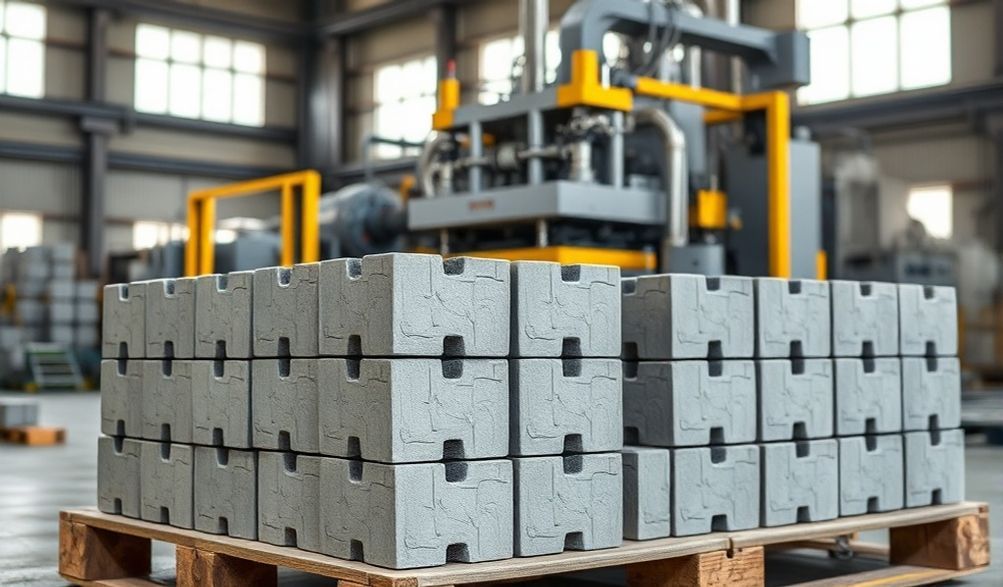
دليلك الشامل لشراء آلة صنع الطوب الخرساني المعروضة للبيع (2024)
مقدمة
تبني مشروع بناء مربح أو توسيع قدراتك الإنتاجية؟ فإن آلة صنع الطوب الخرساني المناسبة هي استثمارك الأكثر حيوية. فهي محرك عملياتك، التي تحدد إنتاجك وجودة منتجك، وفي النهاية أرباحك الصافية. ومع ذلك، فإن التنقل في السوق الواسع للآلات المعروضة للبيع يمكن أن يكون مهمة شاقة، مليئة بالمصطلحات التقنية والمخاطر المالية الكبيرة.
هذا الدليل الشامل لعام 2024، المستند إلى عقود من الخبرة في المجال، سيكون خارطة الطريق الموثوقة لك. سنخترق التعقيد لنساعدك على فهم ما يجب أن تبحث عنه بالضبط فيآلة صنع الطوب الخرساني للبيعستتعلم كيفية مطابقة أنواع الآلات مع أهدافك المحددة، وفك رموز عوامل التسعير، وتقييم الشركات المصنعة بعين ناقدة، وتجنب الأخطاء الشائعة المكلفة. وفي النهاية، ستكون مجهزًا لاتخاذ قرار شراء واثق ومستنير يدفع بنموك لسنوات قادمة.
فهم آلات صناعة البلوك الخرساني: الأنواع والتطبيقات
قبل الخوض في المواصفات والأسعار، من الضروري فهم الفئات الأساسية للآلات المتاحة. يعتمد الاختيار المناسب على حجم إنتاجك وميزانيتك واستراتيجية العمل.
الآلات اليدوية مقابل الآلات شبه الأوتوماتيكية مقابل الآلات الأوتوماتيكية الكاملة لصناعة البلوك
مستوى الأتمتة هو المميز الأساسي في آلات الطوب، مما يؤثر بشكل مباشر على الإنتاج، وتكاليف العمالة، والاستثمار الأولي.
-
آلات صناعة الطوب اليدوية
- العملية:يعمل بالكامل على الطاقة البشرية. يقوم العمال يدوياً بملء القالب، وضغط الخرسانة (غالباً عبر ذراع رافعة)، وإزالة القالب من الطابوق.
- العمل والإنتاجكثافة عالية في العمالة، إنتاج منخفض جداً (عادةً 100-500 قطعة في اليوم). مناسب لعامل أو عاملين.
- توصية الخبير:مثالي للشركات الناشئة الصغيرة جدًا، والمشاريع المجتمعية، أو في المناطق النائية ذات توفر الطاقة المنخفض ورأس المال المحدود. إنها نقطة دخول منخفضة المخاطر ولكنها ليست للإنتاج التجاري بكميات كبيرة.
-
آلات صناعة الكتل شبه الأوتوماتيكية:
- العملية:يُمكنن عملية الدك الأساسية (عن طريق الاهتزاز والضغط الهيدروليكي) لكنه يتطلب التغذية اليدوية للمواد الخام وإزالة/ترتيب البلوكات النهائية على المنصات.
- العمل والإنتاجمتطلبات عمالة معتدلة (2-4 أشخاص)، إنتاجية جيدة (1,000 إلى 6,000+ طوبة لكل وردية عمل مدتها 8 ساعات، اعتمادًا على الموديل).
- توصية الخبير:النقطة المثالية لمعظم المؤسسات الصغيرة والمتوسطة. فهي توفر توازنًا ممتازًا بين القدرة على تحمل التكلفة، وتحسين معدل الإنتاج، وثبات جودة البلوكات. مثالية للشركات التي تسعى للتوسع من العمليات اليدوية.
-
آلات صناعة البلوك الآلية بالكامل:
- العملية:مُشغَّلة بالكامل عبر أنظمة متحكم منطقي قابل للبرمجة (PLC). وتتميز بالتغذية التلقائية للمواد، والقولبة، والضغط، والمعالجة، والتراص. غالبًا ما تكون جزءًا من خط إنتاج كامل.
- العمل والإنتاجحد أدنى من العمالة (للإشراف والصيانة)، إنتاجية عالية جداً (من 8,000 إلى 20,000+ قطعة لكل وردية).
- توصية الخبير:مخصص للمحطات التجارية الكبيرة والعقود عالية الحجم. يتم تبرير الاستثمار الرأسمالي الكبير بكفاءة لا مثيل لها، وتكلفة أقل لكل وحدة، وتناسق فائق. يتطلب طاقة موثوقة وصيانة أكثر تطوراً.
آلات صناعة الطوب الثابتة مقابل آلات الطوب المتنقلة
هذا التمييز يتعلق بقابلية الآلة للتنقل وبصمتها التثبيتية.
-
آلات صناعة الكتل الثابتة:
- هذه منشآت ثابتة، تُركب عادةً على أساس خرساني متين في مصنع أو ساحة مخصصة.
- إنها بشكل عام أكثر متانة وقوة وقدرة على إنتاج كميات أكبر.
- تطبيقالخيار المعياري لمصانع تصنيع الكتل الدائمة التي تزود سوقًا إقليميًا.
-
آلات صناعة الكتل المتنقلة (أو "واضعات البيض"):
- يتم تركيب هذه الوحدات على عجلات أو مقطورة. وهي تنتج الكتل مباشرة على الأرض أو على بلاطة خرسانية، ثم تتحرك للأمام لوضع الدفعة التالية.
- إنها أبسط، وغالبًا ما تتطلب أعمال أساس أقل، وهي عالية التنقل.
- تطبيقممتاز للإنتاج في الموقع لمشاريع البناء الكبيرة (مثل بناء مجمع سكني) حيث تكون تكلفة نقل البلوكات مرتفعة. فهي تلغي أضرار النقل وتكاليفه.
المنتجات الرئيسية: ماذا يمكنك تصنيع؟
إمكانات عملك لا تقتصر على الكتل القياسية. إن تنوع الآلة، الذي تحدده نظام القالب الخاص بها، هو ما يحدد كتالوج منتجاتك.
- الطوب المجوف:المنتج الأكثر شيوعًا في البناء، ويوفر نسبة قوة إلى وزن ممتازة وعزلًا حراريًا.
- كتل صلبة:يُستخدم في التطبيقات الحاملة للأحمال الثقيلة ورصف الطرق.
- ألواح الرصف والبلاط المتشابك:مناسبة للممرات والطرقات والباحات. سوق عالية الطلب في أعمال تنسيق الحدائق والبلديات.
- أحجار الرصيف والحواف Essential for road construction and landscaping projects.
- الأشكال المتخصصة Interlocking blocks for retaining walls, chimney blocks, and decorative landscaping units.
رؤية الخبير: When evaluating a آلة صنع الطوب الخرساني للبيع, inquire about the mold compatibility and cost. A machine that allows for quick mold changes with a wide range of available mold designs enables you to pivot with market demands and capture diverse revenue streams.
عوامل حاسمة يجب مراعاتها قبل الشراء
Armed with an understanding of machine types, you must now drill down into the specifics that separate a wise investment from a costly mistake.
القدرة الإنتاجية ومتطلبات الإنتاج
Don’t just look at the “maximum” output in a brochure. Think practically.
- Cycles per Hour & Blocks per Cycle: Multiply these figures to get the theoretical hourly output. A machine with a 10-second cycle time producing 4 blocks per cycle can theoretically make 1,440 blocks per hour.
- Real-World Calculation: Deduct time for mold changes, maintenance breaks, material loading delays, and operator shifts. A realistic daily output is often 70-80% of the theoretical maximum.
- مطابقة للأهداف: Align the machine’s realistic output with your current orders and projected growth for the next 3-5 years. Buying slightly more capacity than you need today is often smarter than outgrowing a machine too quickly.
Machine Specifications & Technical Details
These are the nuts and bolts that determine performance and longevity.
- الضغط (الطناج): Higher compaction pressure (measured in tons) generally produces denser, stronger blocks. For standard hollow blocks, machines range from 50 to 400+ tons.
- متطلبات الطاقة: Manuals may need no power, while semi-automatics often use a standard 3-phase motor (e.g., 380V/50Hz or 440V/60Hz). Verify your local power supply.
- نظام الاهتزاز: This is critical for compacting the concrete and releasing air bubbles. Look for durable, high-frequency vibrators mounted effectively within the mold table.
- نظام التحكم From simple relay logic to touch-screen PLCs. More advanced controls offer precision, diagnostic tools, and easier operation.
- Trust Factor: Always ask about the availability of technical manuals, wiring diagrams, and spare parts lists. A supplier’s reluctance to provide these is a major red flag.
Quality of Construction & Key Components
This is where “you get what you pay for” becomes starkly real.
- الإطار والهيكل: The frame should be made from heavy-duty, reinforced steel plate to withstand constant vibration and pressure without warping.
- النظام الهيدروليكي: The heart of an automatic machine. Look for reputable component brands (e.g., Bosch Rexroth, Parker, Yuken) and a well-designed, accessible system with proper filtration and cooling.
- القوالب: These are high-wear items. They should be made from hardened, high-chrome steel for longevity and precise block dimensions.
- Authoritative Benchmark: Reputable manufacturers will often build to recognized standards (like ISO) and can provide material certificates for critical components. Don’t hesitate to ask for them.
Space, Logistics, and Foundation Needs
A machine isn’t just the machine itself.
- Factory Space: You need space for the machine, raw material storage (aggregates, cement), a mixing area, a curing area, and finished product storage. Include space for forklift movement.
- Foundation: Most stationary machines require a solid, level concrete foundation of specified thickness to absorb vibrations. The supplier should provide detailed foundation drawings.
- اللوجستيات: Consider the machine’s shipping dimensions and weight. Do you have access for a delivery truck? Do you need a crane or heavy forklift for unloading and placement?
Navigating the Market: Cost, Suppliers, and Selection
This is the phase where due diligence separates successful buyers from regretful ones.
Concrete Block Making Machine Price Ranges
Prices vary astronomically based on the factors we’ve discussed. Here’s a transparent 2024 overview:
- الآلات اليدوية: $1,000 – $5,000 USD.
- الآلات شبه الآلية: $8,000 – $50,000+ USD. A robust, mid-capacity model for SME production typically starts around $15,000-$25,000.
- Fully Automatic Machines / Production Lines: $50,000 – $300,000+ USD. Single-pallet fully automatic machines start around $50k-$80k, while large multi-pallet lines with full automation can reach several hundred thousand.
Critical Expertise Note: The initial purchase price is just one part of the Total Cost of Ownership (TCO). A cheaper, poorly supported machine can cost far more in downtime, repair costs, and lost production than a higher-quality, well-supported alternative.
How to Choose a Reputable Manufacturer or Supplier
Your relationship with the supplier is as important as the machine itself. Use this checklist:
- Company History & Reputation: How long have they been in business? Search for their brand name online alongside keywords like “review,” “problem,” or “service.” A 10+ year track record is a good sign.
- Quality Evidence: Do they have quality management certifications (ISO)? Can they provide test reports or videos of the machine in operation? Will they share material certificates for key parts?
- After-Sales Support Structure: This is non-negotiable. Do they have technical support staff? What is the warranty period and what does it cover? Is there a stock of commonly needed spare parts? Do they offer installation supervision and operator training?
- Transparency & References: A trustworthy supplier will be proud to connect you with previous customers in your region or a similar industry. They should also be open to a factory visit or a live video tour of their production facility.
- Red Flags: Extremely low prices, pressure to pay via insecure methods, vague company addresses, inability to communicate clearly in your language, and no physical contact details.
New vs. Used Concrete Block Making Machines
A used machine can be a great value—or a money pit.
- New Machine Pros: Full warranty, latest technology, customized to your needs, reliable performance from day one.
- Used Machine Pros: Lower upfront cost, potential for faster delivery, depreciation already absorbed.
- Used Machine Inspection Checklist:
- Hours/Cycles: Check the machine’s service hour meter or get an estimate of total production cycles.
- Physical Inspection: Look for cracks in the frame, signs of weld repairs, hydraulic oil leaks, and excessive wear on molds and vibrators.
- Test Run: دائماً insist on seeing the machine under power, producing blocks. Listen for unusual noises in the hydraulics or vibrations.
- Documentation: Request the original manuals, part lists, and maintenance history.
Maximizing Your Investment: Operation and Beyond
Your new machine is the centerpiece, but its success depends on the ecosystem around it.
Essential Auxiliary Equipment
Rarely does a machine work in isolation. Consider these for an efficient line:
- خلاطة الخرسانة: A pan mixer or planetary mixer ensures a consistent, homogenous mix, which is vital for block quality.
- نظام الناقل Transports mixed concrete to the machine hopper, saving labor and time.
- نظام التغذية/التداول بالبالتات Automatic systems move pallets in and out of the machine, crucial for high-output automation.
- Block Curing System: This can be a simple rack system in a sheltered yard or a sophisticated steam curing chamber for faster strength gain.
- Forklift or Block Clamp: Essential for handling raw materials and moving stacks of finished blocks.
Raw Material Considerations for Optimal Blocks
The machine can only form what you feed it.
- تصميم الخلطة: A proper ratio of cement, sand, aggregate (gravel or crushed stone), and water is critical. The water-cement ratio directly affects strength.
- Aggregate Size: Must be compatible with your mold dimensions—typically between 5mm and 10mm for standard blocks.
- Consistency is Key: Variations in raw material quality or moisture content will lead to inconsistent block density and strength, causing production issues and customer complaints.
The Importance of After-Sales Support
The sale is the beginning of the relationship, not the end.
- التثبيت والتشكيل: Professional setup ensures the machine is level, calibrated, and operating safely from the start.
- تدريب شامل: Operators must be trained not just on how to run the machine, but on basic troubleshooting, daily maintenance, and safety protocols.
- Warranty & Long-Term Support: Understand the response time for technical queries. How quickly can they ship a critical spare part? A supplier with a strong support network is investing in your long-term success.
الأسئلة الشائعة (FAQ)
Q: What is the average cost of a concrete block making machine for sale?
أ: As detailed above, there’s no single “average.” Prices range from around $1,000 for a basic manual model to well over $200,000 for a high-capacity, fully automatic production line. Your final cost depends on automation level, capacity, brand, and included support.
Q: How many blocks can a standard machine produce per day?
أ: Output varies dramatically. A آلة شبه آلية might produce 2,000 to 6,000 standard hollow blocks in an 8-hour shift. A fully automatic single-pallet machine can produce 8,000 to 15,000, while large multi-pallet lines can exceed 20,000 blocks per day.
Q: Can one machine produce different block types and sizes?
أ: Yes, absolutely. This is achieved through قوالب قابلة للتبديل. However, factor in the cost of additional molds and the time required for mold changeover, which can temporarily halt production.
Q: What kind of power supply is needed?
أ: It depends entirely on the machine. Small manuals may need none. Semi-automatic and automatic machines almost always require a three-phase industrial power supply (commonly 380V/50Hz or 440V/60Hz). Always confirm the exact voltage and power (kW) requirements with the supplier before purchase.
Q: How do I ensure I’m choosing a trustworthy supplier?
أ: Follow the checklist in the guide: verify their business history, ask for quality certifications, demand details on after-sales service and spare parts, and always request customer references or a factory visit. A reputable company will be transparent and eager to prove its credibility.
خاتمة
Purchasing a آلة صنع الطوب الخرساني للبيع is a pivotal decision that hinges on careful planning and informed selection. We’ve walked through the essential pillars: defining your production needs and scale, understanding the core differences between manual, semi-automatic, and automatic systems, and prioritizing durable construction and robust after-sales support over price alone.
Remember, this machine is a long-term partner in your business growth. The most cost-effective choice isn’t the cheapest sticker price, but the machine—backed by a reputable supplier—that delivers reliable, efficient production for years with minimal downtime. Thorough research and partnering with experienced, trustworthy experts are the true foundations of your success in the block manufacturing industry.
Ready to take the next step? Browse our curated selection of verified, high-performance concrete block making machines for sale, or contact our team of technical experts today for a free, no-obligation consultation tailored to your project goals.
<