
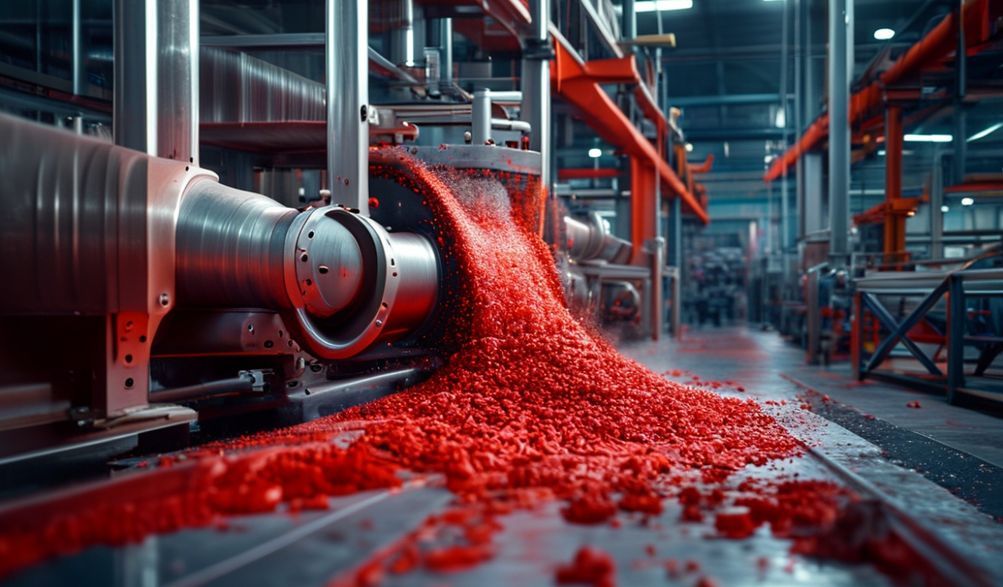
دليلك الشامل لآلة الطوب الطيني ومصنع فودا لصناعة الطوب
لآلاف السنين، ظلت الطوب الطيني حجر الأساس للحضارة. من الأقواس القديمة إلى ناطحات السحاب الحديثة، أثبتت متانته وكتلته الحرارية وجماليته الخالدة أنها لا يمكن الاستغناء عنها. اليوم، يستمر هذا الطلب، لكن التحدي تحول من صنع الطوب إلى صنعه بكفاءة واتساق وربحية. بالنسبة لشركات البناء والصناعيين الطموحين وأخصائيي المشتريات، يكمن جوهر هذا التحدي في قرار حاسم واحد: اختيار آلة صنع الطوب الطيني المناسبة.
يمكن أن يكون التنقل في عالم آلات الطوب أمرًا شاقًا. تنتشر ادعاءات الإنتاج العالي والتكلفة المنخفضة، لكن العثور على شريك موثوق يفي بوعوده الجودة والمتانة والدعم هو المفتاح الحقيقي لتشغيل ناجح. هنا يأتي دور المصنعين الراسخين مثل مصنع فودا لصناعة الطوب.
تم تجميع هذا الدليل من تحليل الصناعة والمواصفات الفنية ورؤى التميز التصنيعي لمساعدتك على اتخاذ قرار مستنير. سنتجاوز الكتيبات التسويقية لنوفر مصدرًا شاملاً وخبيرًا. سواء كنت توسع مصنعًا قائمًا أو تطلق مشروعًا جديدًا، ستتعلم عن آليات إنتاج الطوب، والقيمة المحددة التي تقدمها آلات فودا، والعوامل الحاسمة لاستثمار سليم.
فهم آلات صناعة الطوب الطيني
قبل تقييم أي مصنع، من الضروري فهم أساسيات التكنولوجيا. آلة الطوب الطيني ليست مجرد مكبس؛ إنها نظام مصمم لتحويل الطين الخام والمطاطي إلى وحدات بناء مكتملة التكوين ومتينة هيكلياً.
كيف تعمل آلة صنع الطوب الطيني؟
أكثر عملية شائعة لإنتاج الطوب الحديث هي البثق. إليك تفصيل للمراحل الأساسية:
- التغذية والخلط:يتم تغذية الطين الخام، الذي غالباً ما يتم خلطه بالماء وأحياناً بإضافات مثل الرماد المتطاير أو الرمل، في الخلاط. وهذا ينتج كتلة لدنة متجانسة ذات قوام مناسب للقولبة.
- بثق:ثم يتم نقل الطين المختلط إلى آلة البثق. حيث يدفع برغي قوي (أو لولب) الطين عبر غرفة تفريغ لإزالة الجيوب الهوائية - وهو أمر حاسم للمتانة النهائية - ثم يجبره على المرور عبر قالب. هذا القالب يحدد شكل المقطع العرضي للطوبة (مجوف، صلب، مسنن، إلخ).
- قطعيتم قطع عمود الطين المستمر (أو "السبيكة") الخارج من القالب إلى وحدات طوب فردية. يتم ذلك باستخدام أسلاك دقيقة أو منضدة قطع، مما يضمن طولًا متسقًا للطوب.
- التكديس والتجفيف:يتم تكديس الطوب الأخضر (غير المحروق) تلقائيًا على عربات الأفران أو الرفوف باستخدام مكدسات أو أذرع آلية، استعدادًا لعملية التجفيف والحرق اللاحقة في الفرن.
طريقة بديلة، غالبًا ما تُستخدم لأحجار الرصف أو الأشكال الخاصة، هيالضغط الهيدروليكييتم ضغط الطين تحت ضغط عالٍ في قالب.
أنواع آلات الطوب الطيني
يتم تصنيف الآلات حسب مستوى أتمتتها ومخرجاتها.
- الآلات اليدوية/الصغيرة النطاقتُشغَّل يدويًا في المقام الأول، وتناسب الإنتاج منخفض الحجم جدًا أو المشاريع الحرفية. تكلفة رأسمالية منخفضة ولكن كثافة عالية في العمالة.
- الآلات شبه الآلية:توازن بين الأتمتة والتدخل اليدوي. غالبًا ما يتم أتمتة عملية البثق والقطع، ولكن قد تتطلب التعامل اليدوي للتكديس. مثالي للمؤسسات الصغيرة والمتوسطة التي تسعى لتحسين الإنتاج باستثمار معتدل.
- خطوط الإنتاج الآلية بالكامل:أنظمة متكاملة حيث تتم أتمتة العملية من التغذية إلى التكديس، ويتم التحكم فيها بواسطة وحدات التحكم المنطقية القابلة للبرمجة (PLCs). مصممة لإنتاج عالي الحجم ومتسق مع الحد الأدنى من العمالة. هذا هو الخيار للمصانع التجارية واسعة النطاق.
علاوة على ذلك، تم تصميم الآلات لمنتجات محددة:
* آلات الطوب المجوف:إنشاء طوب بفراغات، مما يقلل الوزن واستخدام المواد مع تحسين العزل.
* آلات الطوب الصلب:إنتاج طوب كثيف عالي القوة للتطبيقات الإنشائية.
* آلات صناعة البلاط/الطوب:تُستخدم عادةً المكابس الهيدروليكية لصنع بلاط الأرصفة المتشابك، وكتل تنسيق الحدائق، وأحجار الأرصفة.
Why Choose a FUDA Brick Making Factory Machine?
In a crowded market, a manufacturer’s reputation is built on engineering, reliability, and the tangible quality of the end product. Here’s how a factory like FUDA positions itself to meet these industry demands.
Proven Engineering and Durability
The foundation of any industrial machine is its build. A brick machine operates in a harsh, high-vibration, and dusty environment.
- بناء قوي: Reputable manufacturers use high-grade steel for critical components like the extruder barrel, auger shafts, and machine frame. This resists wear, deformation, and corrosion over years of operation.
- الهندسة الدقيقة: Key components like gearboxes, bearings, and cutting mechanisms are sourced from trusted suppliers and assembled to tight tolerances. This reduces vibration, noise, and premature failure.
- Compliance & Safety: Adherence to international machinery safety and design standards (like CE marking for export) is a strong indicator of a manufacturer’s commitment to quality and user safety.
الابتكار وتكامل التكنولوجيا
Modern brick making is about precision and control. Leading factories integrate technology to enhance efficiency and product quality.
- أنظمة التحكم بالـ PLC In automatic lines, a PLC allows for precise control over extrusion speed, vacuum levels, and cutting sequences. It enables troubleshooting, production data logging, and consistent repeatability.
- Energy-Efficient Drives: Variable Frequency Drives (VFDs) on motors allow the machine to use only the power needed for the specific load, reducing electricity consumption and mechanical stress.
- Advanced Cutting Mechanisms: Servo-driven cutting systems provide exceptional accuracy in brick length, minimizing waste and ensuring every brick meets dimensional standards.
Focus on Output Quality and Consistency
The ultimate test of a machine is the quality of the bricks it produces. A superior machine delivers consistency.
- Uniform Density & Strength: A powerful, stable vacuum system and consistent extrusion pressure ensure the clay column is free of laminations and air pockets. This results in bricks with uniform density, which directly translates to consistent compressive strength—critical for meeting ASTM C62 or equivalent local standards.
- الدقة الأبعادية Precision-machined dies and accurate cutting systems produce bricks with tight dimensional tolerances. This makes bricklaying faster, reduces mortar use, and improves the aesthetic of the finished wall.
Key Models and Specifications from FUDA
While specific model numbers and specs should always be verified directly with the factory, product lines from a manufacturer like FUDA typically cater to a spectrum of business needs.
High-Volume Automatic Production Lines
These are the flagship systems for establishing a major brick manufacturing facility.
* الإخراج:قادر على إنتاج20,000 to 80,000+ standard bricks per 8-hour shift, depending on the model and configuration.
* الأتمتة Fully integrated lines featuring automatic feeders, extruders, multi-wire cutters, robotic stackers, and transfer systems.
* قوة Require significant industrial power supply (e.g., 380V/50Hz or 440V/60Hz) and substantial factory floor space with reinforced foundations.
* مثالي لـ: Large construction firms backward-integrating their supply or established brick manufacturers expanding capacity.
Versatile Semi-Automatic Machines for SMEs
This category offers the best balance for growing businesses.
* الإخراج: Typically range from 5,000 to 20,000 bricks per shift. They automate the core forming process but may use manual or semi-auto brick carts and stacking.
* المرونة: Often easier to set up and maintain. They allow operators to change brick types or dies with relative ease.
* فعالية التكلفة: Lower initial investment and operational complexity than full lines, while still providing a substantial leap in productivity over manual methods.
* مثالي لـ: Entrepreneurs starting a brick yard, medium-sized plants, or businesses in regions with lower labor costs.
Customizable Solutions for Special Bricks
Beyond standard bricks, demand exists for specialized products.
* Capabilities: A technically adept factory can provide solutions for:
* Perforated bricks (for improved insulation and lighter weight).
* Textured or rustic-faced bricks.
* Special shapes for corners, sills, or decorative purposes.
* Requirement: This involves custom die design, potential adjustments to the extrusion parameters, and sometimes different cutting setups. It highlights a manufacturer’s engineering depth.
Critical Factors Before You Invest
Purchasing a brick machine is a major capital expenditure. A disciplined evaluation framework is essential to protect your investment.
تقييم احتياجاتك الإنتاجية
ابدأ بخطة عمل واضحة.
* المخرجات المطلوبة: Calculate your daily/weekly brick needs based on market demand or internal projects. Don’t just buy the biggest machine; buy the right size for your growth trajectory.
* نوع الطوب: What will you primarily produce? Hollow blocks for partitions, solid bricks for load-bearing walls, or pavers for landscaping? This dictates the machine type.
* المواد الخام Test your clay. Its plasticity, shrinkage, and mineral content will influence machine settings and may require specific feeder or mixer attachments.
تحليل التكلفة الإجمالية للملكية
Look far beyond the sticker price.
* Initial Price:تكلفة الآلة نفسها.
* التثبيت والتشكيل: Includes foundation work, electrical hookup, and potential on-site technician costs from the supplier.
* تدريب Are operators and maintenance staff trained by the supplier?
* Maintenance & Spare Parts: What is the expected annual maintenance cost? How available and affordable are wear parts like augers, liners, and cutting wires? A manufacturer with a strong parts supply chain is invaluable.
* استهلاك الطاقة A more efficient machine may have a higher upfront cost but lower operating expenses for years.
* دعم ما بعد البيع This is where trust is earned. What is the warranty period? Is remote (video) support available? How quickly can a technician be dispatched if needed?
Site and Operational Requirements
Ensure your facility is ready.
* الفضاء You need space for the machine, raw material storage, green brick drying, and the kiln. Include space for material handling equipment.
* قوة Verify the voltage, phase, and amperage requirements. You may need a transformer or upgraded electrical service.
* Foundation: Industrial machines require a solid, level concrete foundation, often with specific bolt patterns, to operate smoothly and safely.
* معالجة المواد الخام: Plan for how clay will be delivered, stored, and fed into the machine (e.g., forklifts, conveyor belts).
Maximizing Your Investment with FUDA
Your relationship with the manufacturer shouldn’t end at the point of sale. A successful installation is a partnership.
Installation, Training, and Commissioning
A professional supplier manages this process.
* Expectations: The process should include detailed foundation drawings in advance, supervised installation by factory engineers, thorough operational training for your team, and a production run to commission the machine and ensure it meets agreed-upon output and quality benchmarks.
Routine Maintenance and Care Checklist
Preventive maintenance is the key to uptime.
* Daily: Lubricate all grease points as per manual, check for loose bolts, clean sensors, and inspect the cutting wires.
* Weekly/Monthly: Check wear on the auger and liner, inspect hydraulic fluid levels and filters (if applicable), tighten drive chains.
* Annually: A comprehensive inspection of gearboxes, motors, and bearings. Follow the manufacturer’s scheduled maintenance plan meticulously.
Sourcing Quality Spare Parts and Technical Support
Downtime is lost revenue.
* Genuine Parts: Always use OEM-recommended spare parts. Non-genuine parts may seem cheaper but can cause accelerated wear or machine damage.
* Support Network: Before purchasing, investigate the supplier’s support structure. Do they have regional agents or service centers? What is their typical response time for technical queries? Request contact information for existing customers in a similar region to verify their service experience.
الأسئلة الشائعة (FAQ)
Q1: What is the average production capacity of a FUDA clay brick machine?
أ: Capacity varies dramatically by model. Semi-automatic machines may produce 5,000-20,000 bricks per 8-hour shift, while fully automatic lines can range from 20,000 to over 80,000 bricks per shift. The specific output depends on brick type, clay quality, and machine configuration.
Q2: Can FUDA machines use different types of clay or raw materials?
أ: Quality extruder-based machines are designed to handle a range of plastic clays. Many can also process mixes incorporating industrial by-products like fly ash or shale. It is crucial to provide your raw material sample to the factory for testing and machine calibration recommendations.
س3: ما نوع خدمة ما بعد البيع والضمان التي تقدمها شركة فودا؟
أ: This must be confirmed in your purchase agreement. Reputable manufacturers typically offer a standard warranty (e.g., 12 months on major components) against manufacturing defects. Service packages vary but may include remote video support, detailed manuals, and the availability of on-site technician visits.
Q4: How do I choose between a semi-automatic and a fully automatic model?
أ: Consider four factors: ميزانية (automatic lines cost significantly more), Labor (automatic reduces labor count but requires skilled technicians), Output Needs (match the machine to your sales forecast), and Long-term Scale (if planning rapid growth, investing in higher automation sooner may be prudent).
Q5: Are FUDA machines suitable for export and operation in my country?
أ: Established manufacturers regularly export worldwide. Key checks are: Power Compatibility (machines can be built for 380V/50Hz, 440V/60Hz, etc.), Language & Documentation (manuals should be available in your language), and most importantly, Local Agent Support (having a local representative for parts and service is a major advantage).
خاتمة
Selecting a clay brick making machine is a decision that will define your production capability, product quality, and profitability for years to come. It requires moving beyond basic specifications to evaluate engineering integrity, technological reliability, and the manufacturer’s commitment to being a true long-term partner. As we’ve explored, factories like FUDA build their reputation on these very pillars: durable construction, precision engineering, and a focus on delivering consistent, high-quality output.
Remember, you’re not just buying a machine; you’re forming a partnership for business growth. The right equipment becomes the reliable heart of your operation.
For the most accurate and current specifications, pricing, and to verify technical support for your region, we recommend contacting the official FUDA brick making factory directly. Request detailed brochures, ask for customer references, and if possible, visit a working installation to see the machines in operation. This guide aimed to equip you with the knowledge to have informed, confident discussions with manufacturers, ensuring your investment builds a solid foundation for success.
<