
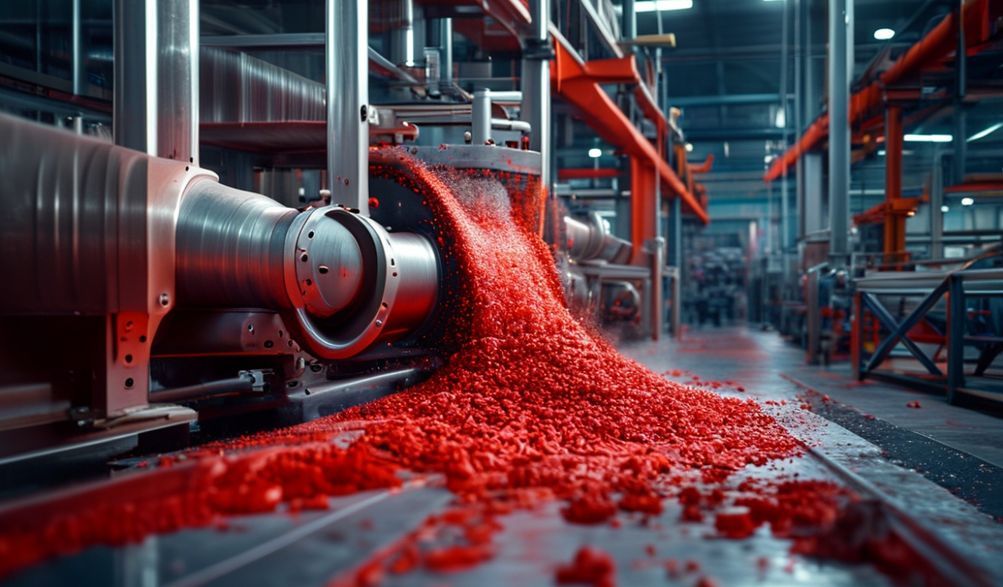
Sizning Eng Mukammal Qo‘l G‘isht Mashinasi va FUDA G‘isht Ishlab Chiqarish Zavodi Qo‘llanmangiz
Minglab yillar davomida g‘isht sivilizatsiya poydevori bo‘lib kelgan. Qadimiy kamarlardan tortib zamonaviy osmono‘par binolargacha, uning bardoshli, issiqlikni saqlash xususiyati va abadiy estetikasi o‘rnini boshqa narsa bilan to‘ldirib bo‘lmasligini isbotlagan. Bugungi kunda bu talab davom etmoqda, lekin muammo g‘isht ishlab chiqarishdan uning samarali, izchil va foydali tarzda tayyorlashiga o‘tgan. Qurilish kompaniyalari, yangi ishlab chiqaruvchilar va xarid qilish mutaxassislari uchun bu muammoning yadrosi hal qiluvchi bir qarorda yotadi: to‘g‘ri loy g‘isht ishlab chiqarish mashinasini tanlash.
G'isht ishlab chiqarish mashinalari olamida harakat qilish qiyin bo'lishi mumkin. Yuqori mahsuldorlik va past narxlar haqidagi da'volar ko'p, ammo muvaffaqiyatli ishlash uchun asosiy kalit sifat, bardoshlik va qo'llab-quvvatlash va'dalarini bajara oladigan ishonchli hamkor topishdir. Aynan shu yerda FUDA g'isht ishlab chiqarish zavodi kabi o'rnatilgan ishlab chiqaruvchilar diqqat markaziga keladi.
Ushbu qo‘llanma sizga oqilona qaror qabul qilishda yordam berish uchun sanoat tahlili, texnik spetsifikatsiyalar va ishlab chiqarishda mukammallik haqidagi tushunchalardan tuzilgan. Biz savolda broshyuralardan tashqariga chiqib, keng qamrovli va mutaxassislik manbasini taqdim etamiz. Siz mavjud zavodni kengaytirmoqchi bo‘ling yoki yangi loyihani boshlashni rejalashtiryapsiz, g‘isht ishlab chiqarish mexanikasi, FUDA texnikasining o‘ziga xos qimmati va ishonchli investitsiya uchun muhim omillar haqida bilib olasiz.
Loydan g'isht yasash mashinalarini tushunish
Har qanday ishlab chiqaruvchini baholashdan oldin, texnologiyaning asosiy tamoyillarini tushunish muhimdir. G'isht pichog'i mashinasi nafaqat presslovchi qurilma, balki xom, plastik loyni mukammal shakllangan, tuzilish jihatidan mustahkam qurilish birliklariga aylantirish uchun mo'ljallangan tizimdir.
Loydan g'isht mashinasi qanday ishlaydi?
Zamonaviy g'isht ishlab chiqarishning eng keng tarqalgan jarayoni ekstruziya hisoblanadi. Asosiy bosqichlar quyidagilardan iborat:
- Oziqlantirish va Aralashtirish:Xom loy, odatda suv va ba'zan uchqun kul yoki qum kabi qo'shimchalar bilan aralashtirilib, aralashtirgichga yuklanadi. Bu esa qoliplash uchun zarur bo'lgan bir xil, plastik massa hosil qiladi.
- Estrudirlash:Aralash loy keyin ekstruderga o'tkaziladi. Kuchli burg'u (yoki vint) loyni vakuum kamerasidan o'tkazib havo bo'shliqlarini olib tashlaydi—bu yakuniy mustahkamlik uchun juda muhimdir—va keyin uni kalıp orqali itaradi. Ushbu kalıp g'ishtning kesma shaklini (bo'sh, qattiq, tishli va boshqalar) belgilaydi.
- Kesish:Davomli loy ustuni (yoki "slug") qolipdan chiqqandan so'ng, aniq uzunlikdagi g'isht birliklariga kesiladi. Bu ish aniqlik bilan simlar yoki kesish stoli yordamida amalga oshiriladi, g'isht uzunligining bir xilligini ta'minlash maqsadida.
- To'plash va quritish:Yashil (pishirilmagan) g'ishtlar avtomatik ravishda stekerlər yoki robot qo'llar yordamida pech mashinalari yoki stendlarga yig'iladi, keyin ularni pechda quritish va pishirish jarayoniga tayyorlanadi.
Muqobil usul, ko'pincha tosh yotqizish yoki maxsus shakllar uchun,gidravlik presslashloy yuksak bosim ostida qolipta siqiladi.
Loy g'isht mashinalari turlari
Mashinalar avtomatlashtirish darajasi va mahsulotiga qarab tasniflanadi.
- Qo'lda/Kichik O'lchamdagi Mashinalar:Asosan qo'l bilan boshqariladi, juda past hajmdagi ishlab chiqarish yoki hunarmandchilik loyihalari uchun mos keladi. Kapital xarajatlari past, lekin mehnat zichligi yuqori.
- Yarim avtomat mashinalar:Avtomatlashtirish va qo‘lda aralashuv muvozanati. Ular ko‘pincha ekstruziya va kesish jarayonlarini avtomatlashtiradilar, lekin yig‘ish uchun qo‘lda boshqarish talab qilinishi mumkin. O‘rtacha investitsiya bilan chiqishni optimallashtirishni istaydigan kichik va o‘rta korxonalar (SMEs) uchun ideal.
- Toʻliq avtomatlashtirilgan ishlab chiqarish liniyalari: Integrated systems where the process from feeding to stacking is automated, controlled by Programmable Logic Controllers (PLCs). Designed for high-volume, consistent output with minimal labor. This is the choice for large-scale commercial factories.
Furthermore, machines are designed for specific products:
* Hollow Brick Machines: Create bricks with cavities, reducing weight and material use while improving insulation.
* Solid Brick Machines: Produce dense, high-strength bricks for structural applications.
* Paver/Block Making Machines: Typically use hydraulic pressing to create interlocking pavers, landscaping blocks, and curb stones.
Why Choose a FUDA Brick Making Factory Machine?
In a crowded market, a manufacturer’s reputation is built on engineering, reliability, and the tangible quality of the end product. Here’s how a factory like FUDA positions itself to meet these industry demands.
Proven Engineering and Durability
The foundation of any industrial machine is its build. A brick machine operates in a harsh, high-vibration, and dusty environment.
- Mustahkam Qurilish: Reputable manufacturers use high-grade steel for critical components like the extruder barrel, auger shafts, and machine frame. This resists wear, deformation, and corrosion over years of operation.
- Aniq Mühəndislik: Key components like gearboxes, bearings, and cutting mechanisms are sourced from trusted suppliers and assembled to tight tolerances. This reduces vibration, noise, and premature failure.
- Compliance & Safety: Adherence to international machinery safety and design standards (like CE marking for export) is a strong indicator of a manufacturer’s commitment to quality and user safety.
Innovatsiya va texnologiyalarni integratsiyalash
Modern brick making is about precision and control. Leading factories integrate technology to enhance efficiency and product quality.
- PLC Boshqaruv Tizimlari: In automatic lines, a PLC allows for precise control over extrusion speed, vacuum levels, and cutting sequences. It enables troubleshooting, production data logging, and consistent repeatability.
- Energy-Efficient Drives: Variable Frequency Drives (VFDs) on motors allow the machine to use only the power needed for the specific load, reducing electricity consumption and mechanical stress.
- Advanced Cutting Mechanisms: Servo-driven cutting systems provide exceptional accuracy in brick length, minimizing waste and ensuring every brick meets dimensional standards.
Focus on Output Quality and Consistency
The ultimate test of a machine is the quality of the bricks it produces. A superior machine delivers consistency.
- Uniform Density & Strength: A powerful, stable vacuum system and consistent extrusion pressure ensure the clay column is free of laminations and air pockets. This results in bricks with uniform density, which directly translates to consistent compressive strength—critical for meeting ASTM C62 or equivalent local standards.
- O'lchov aniqligi: Precision-machined dies and accurate cutting systems produce bricks with tight dimensional tolerances. This makes bricklaying faster, reduces mortar use, and improves the aesthetic of the finished wall.
Key Models and Specifications from FUDA
While specific model numbers and specs should always be verified directly with the factory, product lines from a manufacturer like FUDA typically cater to a spectrum of business needs.
High-Volume Automatic Production Lines
These are the flagship systems for establishing a major brick manufacturing facility.
* Chiqish:Ishlab chiqarish qobiliyatiga ega20,000 to 80,000+ standard bricks per 8-hour shift, depending on the model and configuration.
* Avtomatlashtirish: Fully integrated lines featuring automatic feeders, extruders, multi-wire cutters, robotic stackers, and transfer systems.
* Kuch: Require significant industrial power supply (e.g., 380V/50Hz or 440V/60Hz) and substantial factory floor space with reinforced foundations.
* Mukammal mos keladi: Large construction firms backward-integrating their supply or established brick manufacturers expanding capacity.
Versatile Semi-Automatic Machines for SMEs
This category offers the best balance for growing businesses.
* Chiqish: Typically range from 5,000 to 20,000 bricks per shift. They automate the core forming process but may use manual or semi-auto brick carts and stacking.
* Moslashuvchanlik: Often easier to set up and maintain. They allow operators to change brick types or dies with relative ease.
* Xarajat samaradorligi: Lower initial investment and operational complexity than full lines, while still providing a substantial leap in productivity over manual methods.
* Mukammal mos keladi: Entrepreneurs starting a brick yard, medium-sized plants, or businesses in regions with lower labor costs.
Customizable Solutions for Special Bricks
Beyond standard bricks, demand exists for specialized products.
* Capabilities: A technically adept factory can provide solutions for:
* Perforated bricks (for improved insulation and lighter weight).
* Textured or rustic-faced bricks.
* Special shapes for corners, sills, or decorative purposes.
* Requirement: This involves custom die design, potential adjustments to the extrusion parameters, and sometimes different cutting setups. It highlights a manufacturer’s engineering depth.
Critical Factors Before You Invest
Purchasing a brick machine is a major capital expenditure. A disciplined evaluation framework is essential to protect your investment.
Ishlab chiqarish ehtiyojlaringizni baholash
Start with a clear business plan.
* Noto'g'ri ishlatilgan asbob-uskunalar va noto'g'ri qurilgan xomashyo omborlari ta'siri natijasida, ba'zi uran konlaridagi radiatsiya darajasi odatdagi darajadan taxminan 2.5 baravar yuqori. Calculate your daily/weekly brick needs based on market demand or internal projects. Don’t just buy the biggest machine; buy the right size for your growth trajectory.
* G'isht turi: What will you primarily produce? Hollow blocks for partitions, solid bricks for load-bearing walls, or pavers for landscaping? This dictates the machine type.
* Xomashyo: Test your clay. Its plasticity, shrinkage, and mineral content will influence machine settings and may require specific feeder or mixer attachments.
Total Cost of Ownership Analysis
Look far beyond the sticker price.
* Initial Price: The cost of the machine itself.
* Oʻrnatish va ishga tushirish: Includes foundation work, electrical hookup, and potential on-site technician costs from the supplier.
* Training: Are operators and maintenance staff trained by the supplier?
* Xizmat ko‘rsatish va ehtiyot qismlar What is the expected annual maintenance cost? How available and affordable are wear parts like augers, liners, and cutting wires? A manufacturer with a strong parts supply chain is invaluable.
* Energiya iste'moli: A more efficient machine may have a higher upfront cost but lower operating expenses for years.
* Sotilgandan keyingi qo'llab-quvvatlash: This is where trust is earned. What is the warranty period? Is remote (video) support available? How quickly can a technician be dispatched if needed?
Site and Operational Requirements
Ensure your facility is ready.
* Kosmik makon You need space for the machine, raw material storage, green brick drying, and the kiln. Include space for material handling equipment.
* Kuch: Verify the voltage, phase, and amperage requirements. You may need a transformer or upgraded electrical service.
* Foundation: Industrial machines require a solid, level concrete foundation, often with specific bolt patterns, to operate smoothly and safely.
* Raw Material Handling: Plan for how clay will be delivered, stored, and fed into the machine (e.g., forklifts, conveyor belts).
Maximizing Your Investment with FUDA
Your relationship with the manufacturer shouldn’t end at the point of sale. A successful installation is a partnership.
Installation, Training, and Commissioning
A professional supplier manages this process.
* Expectations: The process should include detailed foundation drawings in advance, supervised installation by factory engineers, thorough operational training for your team, and a production run to commission the machine and ensure it meets agreed-upon output and quality benchmarks.
Routine Maintenance and Care Checklist
Preventive maintenance is the key to uptime.
* Daily: Lubricate all grease points as per manual, check for loose bolts, clean sensors, and inspect the cutting wires.
* Weekly/Monthly: Check wear on the auger and liner, inspect hydraulic fluid levels and filters (if applicable), tighten drive chains.
* Annually: A comprehensive inspection of gearboxes, motors, and bearings. Follow the manufacturer’s scheduled maintenance plan meticulously.
Sourcing Quality Spare Parts and Technical Support
Downtime is lost revenue.
* Genuine Parts: Always use OEM-recommended spare parts. Non-genuine parts may seem cheaper but can cause accelerated wear or machine damage.
* Support Network: Before purchasing, investigate the supplier’s support structure. Do they have regional agents or service centers? What is their typical response time for technical queries? Request contact information for existing customers in a similar region to verify their service experience.
Tez-tez so'raladigan savollar (FAQ)
Q1: What is the average production capacity of a FUDA clay brick machine?
A: Capacity varies dramatically by model. Semi-automatic machines may produce 5,000-20,000 bricks per 8-hour shift, while fully automatic lines can range from 20,000 to over 80,000 bricks per shift. The specific output depends on brick type, clay quality, and machine configuration.
Q2: Can FUDA machines use different types of clay or raw materials?
A: Quality extruder-based machines are designed to handle a range of plastic clays. Many can also process mixes incorporating industrial by-products like fly ash or shale. It is crucial to provide your raw material sample to the factory for testing and machine calibration recommendations.
Q3: What kind of after-sales service and warranty does FUDA offer?
A: This must be confirmed in your purchase agreement. Reputable manufacturers typically offer a standard warranty (e.g., 12 months on major components) against manufacturing defects. Service packages vary but may include remote video support, detailed manuals, and the availability of on-site technician visits.
Q4: How do I choose between a semi-automatic and a fully automatic model?
A: Consider four factors: Budget (automatic lines cost significantly more), Labor (automatic reduces labor count but requires skilled technicians), Output Needs (match the machine to your sales forecast), and Long-term Scale (if planning rapid growth, investing in higher automation sooner may be prudent).
Q5: Are FUDA machines suitable for export and operation in my country?
A: Established manufacturers regularly export worldwide. Key checks are: Power Compatibility (machines can be built for 380V/50Hz, 440V/60Hz, etc.), Language & Documentation (manuals should be available in your language), and most importantly, Local Agent Support (having a local representative for parts and service is a major advantage).
Xulosa
Selecting a clay brick making machine is a decision that will define your production capability, product quality, and profitability for years to come. It requires moving beyond basic specifications to evaluate engineering integrity, technological reliability, and the manufacturer’s commitment to being a true long-term partner. As we’ve explored, factories like FUDA build their reputation on these very pillars: durable construction, precision engineering, and a focus on delivering consistent, high-quality output.
Remember, you’re not just buying a machine; you’re forming a partnership for business growth. The right equipment becomes the reliable heart of your operation.
For the most accurate and current specifications, pricing, and to verify technical support for your region, we recommend contacting the official FUDA brick making factory directly. Request detailed brochures, ask for customer references, and if possible, visit a working installation to see the machines in operation. This guide aimed to equip you with the knowledge to have informed, confident discussions with manufacturers, ensuring your investment builds a solid foundation for success.
<