
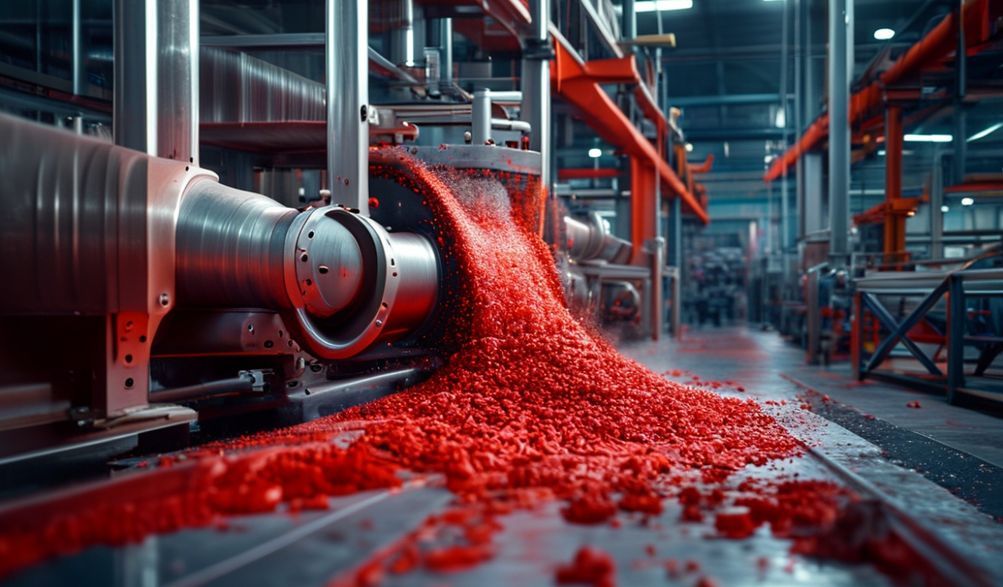
Hướng Dẫn Toàn Diện Về Máy Sản Xuất Gạch Đất Sét & Nhà Máy Gạch FUDA
Trong hàng nghìn năm, gạch đất sét đã là nền tảng của nền văn minh nhân loại. Từ những mái vòm cổ xưa đến các tòa nhà chọc trời hiện đại, độ bền vững, khả năng tích nhiệt và vẻ đẹp vượt thời gian của nó đã chứng minh tính không thể thay thế. Ngày nay, nhu cầu này vẫn tiếp tục, nhưng thách thức đã chuyển từ việc sản xuất gạch sang sản xuất chúng một cách hiệu quả, đồng đều và có lợi nhuận. Đối với các công ty xây dựng, nhà sản xuất đầy tham vọng và chuyên gia thu mua, cốt lõi của thách thức này nằm ở một quyết định quan trọng: lựa chọn đúng máy làm gạch đất sét.
Việc tìm hiểu thế giới máy móc sản xuất gạch có thể là một thách thức. Các lời quảng cáo về sản lượng cao và chi phí thấp tràn lan, nhưng tìm được một đối tác đáng tin cậy, thực sự đảm bảo chất lượng, độ bền và hỗ trợ hậu mãi mới chính là chìa khóa cho một hoạt động sản xuất thành công. Đây chính là lúc những nhà sản xuất có uy tín lâu năm như nhà máy sản xuất gạch FUDA trở thành điểm đáng chú ý.
Hướng dẫn này được tổng hợp từ phân tích ngành, thông số kỹ thuật và những hiểu biết sâu sắc về sản xuất ưu việt, nhằm giúp bạn đưa ra quyết định sáng suốt. Chúng tôi sẽ vượt ra ngoài các tài liệu quảng cáo thông thường để cung cấp một nguồn thông tin chuyên sâu và toàn diện. Dù bạn đang mở rộng quy mô nhà máy hiện có hay khởi nghiệp mới, bạn sẽ tìm hiểu về cơ chế sản xuất gạch, giá trị cụ thể mà máy móc FUDA mang lại, cùng những yếu tố then chốt để có một khoản đầu tư vững chắc.
Tìm hiểu về Máy Sản Xuất Gạch Đất Sét
Trước khi đánh giá bất kỳ nhà sản xuất nào, điều cốt yếu là phải nắm vững những nguyên lý cơ bản của công nghệ. Một máy làm gạch đất sét không chỉ đơn thuần là một chiếc máy ép; nó là một hệ thống được thiết kế để biến đất sét thô, dẻo thành những viên gạch xây dựng hoàn chỉnh, có cấu trúc chắc chắn.
Máy Sản Xuất Gạch Đất Sét Hoạt Động Như Thế Nào?
Quy trình phổ biến nhất để sản xuất gạch hiện đại là đùn ép. Dưới đây là phân tích chi tiết các giai đoạn cốt lõi:
- Cho ăn & Trộn thức ăn:Đất sét thô, thường được trộn với nước và đôi khi thêm các phụ gia như tro bay hoặc cát, được đưa vào máy trộn. Quá trình này tạo ra một khối đồng nhất, dẻo với độ sệt phù hợp để đúc khuôn.
- Đùn ép:Hỗn hợp đất sét sau đó được chuyển vào máy đùn. Một trục vít công suất lớn đẩy đất sét qua buồng chân không để loại bỏ các bọt khí—điều quan trọng cho độ bền cuối cùng—rồi ép nó qua khuôn. Khuôn này xác định hình dạng mặt cắt ngang của viên gạch (rỗng, đặc, có rãnh, v.v.).
- Cắt:Cột đất sét liên tục (hay "thanh") đi ra từ khuôn được cắt thành từng viên gạch riêng lẻ. Quá trình này được thực hiện bằng dây cắt chính xác hoặc bàn cắt, đảm bảo chiều dài viên gạch đồng đều.
- Xếp chồng & Sấy khô:Những viên gạch xanh (chưa nung) được tự động xếp lên xe goòng hoặc giá đỡ trong lò bằng máy xếp chồng hoặc cánh tay robot, sẵn sàng cho quá trình sấy và nung tiếp theo trong lò.
Một phương pháp thay thế, thường dùng cho đá lát hoặc hình dạng đặc biệt, làép thủy lựcnơi đất sét được nén chặt dưới áp suất cao trong khuôn.
Các Loại Máy Sản Xuất Gạch Đất Sét
Máy móc được phân loại theo mức độ tự động hóa và sản lượng đầu ra.
- Máy móc Thủ công/Quy mô NhỏVận hành chủ yếu bằng tay, phù hợp cho sản xuất khối lượng rất thấp hoặc các dự án thủ công. Chi phí vốn thấp nhưng cường độ lao động cao.
- Máy Bán Tự Động:Sự cân bằng giữa tự động hóa và can thiệp thủ công. Họ thường tự động hóa quá trình đùn và cắt nhưng có thể yêu cầu xử lý thủ công để xếp chồng. Lý tưởng cho các doanh nghiệp vừa và nhỏ (SMEs) muốn tối ưu hóa sản lượng với mức đầu tư vừa phải.
- Dây chuyền sản xuất hoàn toàn tự động: Integrated systems where the process from feeding to stacking is automated, controlled by Programmable Logic Controllers (PLCs). Designed for high-volume, consistent output with minimal labor. This is the choice for large-scale commercial factories.
Furthermore, machines are designed for specific products:
* Hollow Brick Machines: Create bricks with cavities, reducing weight and material use while improving insulation.
* Máy Sản Xuất Gạch Đặc: Produce dense, high-strength bricks for structural applications.
* Paver/Block Making Machines: Typically use hydraulic pressing to create interlocking pavers, landscaping blocks, and curb stones.
Why Choose a FUDA Brick Making Factory Machine?
In a crowded market, a manufacturer’s reputation is built on engineering, reliability, and the tangible quality of the end product. Here’s how a factory like FUDA positions itself to meet these industry demands.
Proven Engineering and Durability
The foundation of any industrial machine is its build. A brick machine operates in a harsh, high-vibration, and dusty environment.
- Xây Dựng Bền Vững: Reputable manufacturers use high-grade steel for critical components like the extruder barrel, auger shafts, and machine frame. This resists wear, deformation, and corrosion over years of operation.
- Kỹ thuật Chính xác: Key components like gearboxes, bearings, and cutting mechanisms are sourced from trusted suppliers and assembled to tight tolerances. This reduces vibration, noise, and premature failure.
- Compliance & Safety: Adherence to international machinery safety and design standards (like CE marking for export) is a strong indicator of a manufacturer’s commitment to quality and user safety.
Đổi mới và Tích hợp Công nghệ
Modern brick making is about precision and control. Leading factories integrate technology to enhance efficiency and product quality.
- Hệ thống điều khiển PLC: In automatic lines, a PLC allows for precise control over extrusion speed, vacuum levels, and cutting sequences. It enables troubleshooting, production data logging, and consistent repeatability.
- Energy-Efficient Drives: Variable Frequency Drives (VFDs) on motors allow the machine to use only the power needed for the specific load, reducing electricity consumption and mechanical stress.
- Advanced Cutting Mechanisms: Servo-driven cutting systems provide exceptional accuracy in brick length, minimizing waste and ensuring every brick meets dimensional standards.
Focus on Output Quality and Consistency
The ultimate test of a machine is the quality of the bricks it produces. A superior machine delivers consistency.
- Mật độ và Cường độ Đồng đều A powerful, stable vacuum system and consistent extrusion pressure ensure the clay column is free of laminations and air pockets. This results in bricks with uniform density, which directly translates to consistent compressive strength—critical for meeting ASTM C62 or equivalent local standards.
- Độ chính xác kích thước: Precision-machined dies and accurate cutting systems produce bricks with tight dimensional tolerances. This makes bricklaying faster, reduces mortar use, and improves the aesthetic of the finished wall.
Key Models and Specifications from FUDA
While specific model numbers and specs should always be verified directly with the factory, product lines from a manufacturer like FUDA typically cater to a spectrum of business needs.
High-Volume Automatic Production Lines
These are the flagship systems for establishing a major brick manufacturing facility.
* Đầu ra:Có khả năng sản xuất20,000 to 80,000+ standard bricks per 8-hour shift, depending on the model and configuration.
* Tự động hóa: Fully integrated lines featuring automatic feeders, extruders, multi-wire cutters, robotic stackers, and transfer systems.
* Quyền lực: Require significant industrial power supply (e.g., 380V/50Hz or 440V/60Hz) and substantial factory floor space with reinforced foundations.
* Lý Tưởng Cho: Large construction firms backward-integrating their supply or established brick manufacturers expanding capacity.
Versatile Semi-Automatic Machines for SMEs
This category offers the best balance for growing businesses.
* Đầu ra: Typically range from 5,000 to 20,000 bricks per shift. They automate the core forming process but may use manual or semi-auto brick carts and stacking.
* Tính linh hoạt: Often easier to set up and maintain. They allow operators to change brick types or dies with relative ease.
* Hiệu quả Chi phí: Lower initial investment and operational complexity than full lines, while still providing a substantial leap in productivity over manual methods.
* Lý Tưởng Cho: Entrepreneurs starting a brick yard, medium-sized plants, or businesses in regions with lower labor costs.
Customizable Solutions for Special Bricks
Beyond standard bricks, demand exists for specialized products.
* Capabilities: A technically adept factory can provide solutions for:
* Perforated bricks (for improved insulation and lighter weight).
* Textured or rustic-faced bricks.
* Special shapes for corners, sills, or decorative purposes.
* Requirement: This involves custom die design, potential adjustments to the extrusion parameters, and sometimes different cutting setups. It highlights a manufacturer’s engineering depth.
Critical Factors Before You Invest
Purchasing a brick machine is a major capital expenditure. A disciplined evaluation framework is essential to protect your investment.
Đánh Giá Nhu Cầu Sản Xuất Của Bạn
Start with a clear business plan.
* Đầu ra yêu cầu: Calculate your daily/weekly brick needs based on market demand or internal projects. Don’t just buy the biggest machine; buy the right size for your growth trajectory.
* Loại Gạch: What will you primarily produce? Hollow blocks for partitions, solid bricks for load-bearing walls, or pavers for landscaping? This dictates the machine type.
* Nguyên liệu thô Test your clay. Its plasticity, shrinkage, and mineral content will influence machine settings and may require specific feeder or mixer attachments.
Total Cost of Ownership Analysis
Look far beyond the sticker price.
* Initial Price:Máy móc tự thân chi phí.
* Lắp đặt & Vận hành: Includes foundation work, electrical hookup, and potential on-site technician costs from the supplier.
* Đào tạo: Are operators and maintenance staff trained by the supplier?
* Maintenance & Spare Parts: What is the expected annual maintenance cost? How available and affordable are wear parts like augers, liners, and cutting wires? A manufacturer with a strong parts supply chain is invaluable.
* Tiêu thụ Năng lượng A more efficient machine may have a higher upfront cost but lower operating expenses for years.
* Hỗ trợ sau bán hàng: This is where trust is earned. What is the warranty period? Is remote (video) support available? How quickly can a technician be dispatched if needed?
Site and Operational Requirements
Ensure your facility is ready.
* Không gian You need space for the machine, raw material storage, green brick drying, and the kiln. Include space for material handling equipment.
* Quyền lực: Verify the voltage, phase, and amperage requirements. You may need a transformer or upgraded electrical service.
* Foundation: Industrial machines require a solid, level concrete foundation, often with specific bolt patterns, to operate smoothly and safely.
* Raw Material Handling: Plan for how clay will be delivered, stored, and fed into the machine (e.g., forklifts, conveyor belts).
Maximizing Your Investment with FUDA
Your relationship with the manufacturer shouldn’t end at the point of sale. A successful installation is a partnership.
Installation, Training, and Commissioning
A professional supplier manages this process.
* Expectations: The process should include detailed foundation drawings in advance, supervised installation by factory engineers, thorough operational training for your team, and a production run to commission the machine and ensure it meets agreed-upon output and quality benchmarks.
Routine Maintenance and Care Checklist
Preventive maintenance is the key to uptime.
* Hàng ngày: Lubricate all grease points as per manual, check for loose bolts, clean sensors, and inspect the cutting wires.
* Weekly/Monthly: Check wear on the auger and liner, inspect hydraulic fluid levels and filters (if applicable), tighten drive chains.
* Hàng năm A comprehensive inspection of gearboxes, motors, and bearings. Follow the manufacturer’s scheduled maintenance plan meticulously.
Sourcing Quality Spare Parts and Technical Support
Downtime is lost revenue.
* Genuine Parts: Always use OEM-recommended spare parts. Non-genuine parts may seem cheaper but can cause accelerated wear or machine damage.
* Support Network: Before purchasing, investigate the supplier’s support structure. Do they have regional agents or service centers? What is their typical response time for technical queries? Request contact information for existing customers in a similar region to verify their service experience.
Các Câu Hỏi Thường Gặp (FAQ)
Q1: What is the average production capacity of a FUDA clay brick machine?
A: Capacity varies dramatically by model. Semi-automatic machines may produce 5,000-20,000 bricks per 8-hour shift, while fully automatic lines can range from 20,000 to over 80,000 bricks per shift. The specific output depends on brick type, clay quality, and machine configuration.
Q2: Can FUDA machines use different types of clay or raw materials?
A: Quality extruder-based machines are designed to handle a range of plastic clays. Many can also process mixes incorporating industrial by-products like fly ash or shale. It is crucial to provide your raw material sample to the factory for testing and machine calibration recommendations.
Q3: What kind of after-sales service and warranty does FUDA offer?
A: This must be confirmed in your purchase agreement. Reputable manufacturers typically offer a standard warranty (e.g., 12 months on major components) against manufacturing defects. Service packages vary but may include remote video support, detailed manuals, and the availability of on-site technician visits.
Q4: How do I choose between a semi-automatic and a fully automatic model?
A: Consider four factors: Ngân sách (automatic lines cost significantly more), Labor (automatic reduces labor count but requires skilled technicians), Output Needs (match the machine to your sales forecast), and Long-term Scale (if planning rapid growth, investing in higher automation sooner may be prudent).
Q5: Are FUDA machines suitable for export and operation in my country?
A: Established manufacturers regularly export worldwide. Key checks are: Power Compatibility (machines can be built for 380V/50Hz, 440V/60Hz, etc.), Language & Documentation (manuals should be available in your language), and most importantly, Local Agent Support (having a local representative for parts and service is a major advantage).
Conclusion
Selecting a clay brick making machine is a decision that will define your production capability, product quality, and profitability for years to come. It requires moving beyond basic specifications to evaluate engineering integrity, technological reliability, and the manufacturer’s commitment to being a true long-term partner. As we’ve explored, factories like FUDA build their reputation on these very pillars: durable construction, precision engineering, and a focus on delivering consistent, high-quality output.
Remember, you’re not just buying a machine; you’re forming a partnership for business growth. The right equipment becomes the reliable heart of your operation.
For the most accurate and current specifications, pricing, and to verify technical support for your region, we recommend contacting the official FUDA brick making factory directly. Request detailed brochures, ask for customer references, and if possible, visit a working installation to see the machines in operation. This guide aimed to equip you with the knowledge to have informed, confident discussions with manufacturers, ensuring your investment builds a solid foundation for success.
<