
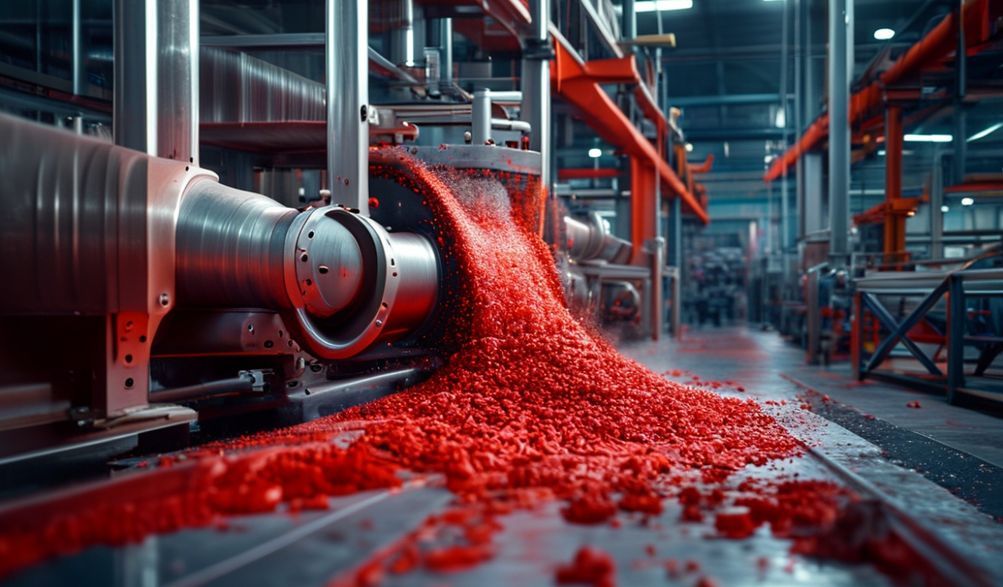
Gid Komplè ou pou Machin Brik Tè ak Faktori FUDA pou Fè Brik
Depi milenè, brik tè kwit te fondasyon sivilizasyon an. Soti nan ansyen ark rive nan gratsyèl modèn, durabilite li yo, mas tèmik li, ak estetik san tan li te pwouve yo pa ka ranplase. Jodi a, demann sa a kontinye, men defi a chanje soti nan fè brik nan fè yo avèk efikasite, konsistans, ak pwofi. Pou konpayi konstriksyon, manifaktirè aspiran, ak espesyalis apwovizyònman, nwayo defi sa a chita nan yon desizyon kritik: chwazi bon machin pou fè brik tè kwit la.
Navige nan mond machin brik yo ka fè w pè. Gen anpil deklarasyon sou gwo pwodiksyon ak pri ki ba, men jwenn yon patnè serye ki kenbe pwomès li sou kalite, dire, ak sipò se kle reyèl pou yon operasyon siksè. Se la kote manifakti etabli tankou faktori FUDA pou fè brik yo vin nan konsiderasyon.
Gid sa a konpile nan analiz endistri, espesifikasyon teknik, ak apèpsou ekselans nan fabrikasyon pou ede w pran yon desizyon ki byen enfòme. Nou pral ale pi lwen pase bwochi pou vann pou bay yon resous konplè ak ekspè. Kit w ap ogmante kapasite yon plant ki deja egziste oswa w ap lanse yon nouvo antrepriz, w ap aprann sou mekanik pwodiksyon brik, valè espesifik machin FUDA ofri, ak faktè enpòtan pou yon envestisman solid.
Konprann Machin pou Fè Brik Tè
Anvan ou evalye nenpòt manifakti, li esansyèl pou ou konprann fondasyon teknoloji a. Yon machin brik tè se plis pase yon prens; li se yon sistèm ki fèt pou transfòme tè kreyon natirèl, plastik an inite bilding ki byen fòme ak solid estriktirèlman.
Kijan yon machin brik tè travay?
Pwosesis ki pi komen pou pwodiksyon brik modèn se ekstrizyon. Men yon deskripsyon etap prensipal yo:
- Manje ak Melanje:Tè kreyon anvan li fin sèk, souvan melanje ak dlo epi pafwa aditif tankou sann volkanik oswa sab, yo mete nan yon melanjè. Sa kreye yon mas omojèn, plastik ki gen konsistans kòrèk pou fòme.
- Ekstrè:Tè a melanje a Lè sa a, yo transpòte nan yon ekstrè. Yon gwo vize (oswa vis) pouse tè a nan yon chanm vakyòm pou retire bul lè—ki enpòtan anpil pou fòs final la—epi fòse li pase nan yon kalib. Kalib sa a detèmine fòm seksyon kwaze brik la (kavo, solid, kle, elatriye).
- Koupe:Kolòn ajil kontinyèl la (oswa "limas") ki soti nan kalib la koupe an inite brik endividyèl. Sa fèt ak fil presizyon oswa yon tab koupe, asire longè brik ki konsistan.
- Pile ak Sechaj:Brik vèt (ki poko kuit) yo otomatikman anpile sou cha founo oswa etajè lè l sèvi avèk anpile oswa bra robotik, pare pou sechaj ak pwosesis kuit ki vin apre nan yon founo.
Yon lòt metòd, souvan pou wòch pave oswa fòm espesyal, sepresyon idwolikkote yo konprese ajil anba gwo presyon nan yon mwazi.
Kalite Machin Brik Tè
Machin yo klase selon nivo otomatizasyon yo ak pwodiksyon yo.
- Machin/Enstalasyon Ti Echèl:Opere prensipalman a men, apwopriye pou pwodiksyon ki ba anpil oswa pwojè atizanal. Pri kapital ki ba men entansite travay ki wo.
- Machin Semi-Otomatik:Yon balans ant otomatizasyon ak entèvansyon manyèl. Yo souvan otomatize ekstrèzyon ak koupe, men yo ka mande manyèlman pou pil. Ideyal pou ti ak mwayen antrepriz (SME) ki ap chèche optimize pwodiksyon ak yon envestisman modere.
- Liy Otomatik Konplete pou Pwodiksyon:Sistèm entegre kote pwosesis la soti nan manje a anpile se otomatize, kontwole pa Kontwolè Lojik Pwogramab (PLC). Ki fèt pou pwodiksyon segondè, konsistan ak minimòm travay. Sa a se chwa pou faktori komèsyal gwo echèl.
Anplis de sa, machin yo fèt pou pwodwi espesifik:
* Machin pou Brik Vid:Kreye brik ak kavite, ki redwi pwa ak itilizasyon materyèl pandan y ap amelyore izolasyon an.
* Machin pou brik solid:Pwodwi brik ki solid, ki gen gwo rezistans pou aplikasyon estriktirèl yo.
* Machin pou fè blòk/Pavye: Typically use hydraulic pressing to create interlocking pavers, landscaping blocks, and curb stones.
Why Choose a FUDA Brick Making Factory Machine?
In a crowded market, a manufacturer’s reputation is built on engineering, reliability, and the tangible quality of the end product. Here’s how a factory like FUDA positions itself to meet these industry demands.
Proven Engineering and Durability
The foundation of any industrial machine is its build. A brick machine operates in a harsh, high-vibration, and dusty environment.
- Konstriksyon Solid: Reputable manufacturers use high-grade steel for critical components like the extruder barrel, auger shafts, and machine frame. This resists wear, deformation, and corrosion over years of operation.
- Jeni Presizyon Key components like gearboxes, bearings, and cutting mechanisms are sourced from trusted suppliers and assembled to tight tolerances. This reduces vibration, noise, and premature failure.
- Compliance & Safety: Adherence to international machinery safety and design standards (like CE marking for export) is a strong indicator of a manufacturer’s commitment to quality and user safety.
Inovasyon ak Entegrasyon Teknoloji
Modern brick making is about precision and control. Leading factories integrate technology to enhance efficiency and product quality.
- Sistèm Kontwòl PLC: In automatic lines, a PLC allows for precise control over extrusion speed, vacuum levels, and cutting sequences. It enables troubleshooting, production data logging, and consistent repeatability.
- Energy-Efficient Drives: Variable Frequency Drives (VFDs) on motors allow the machine to use only the power needed for the specific load, reducing electricity consumption and mechanical stress.
- Advanced Cutting Mechanisms: Servo-driven cutting systems provide exceptional accuracy in brick length, minimizing waste and ensuring every brick meets dimensional standards.
Focus on Output Quality and Consistency
The ultimate test of a machine is the quality of the bricks it produces. A superior machine delivers consistency.
- Dansite Inifòm & Fòs A powerful, stable vacuum system and consistent extrusion pressure ensure the clay column is free of laminations and air pockets. This results in bricks with uniform density, which directly translates to consistent compressive strength—critical for meeting ASTM C62 or equivalent local standards.
- Presizyon Dimansyonèl: Precision-machined dies and accurate cutting systems produce bricks with tight dimensional tolerances. This makes bricklaying faster, reduces mortar use, and improves the aesthetic of the finished wall.
Key Models and Specifications from FUDA
While specific model numbers and specs should always be verified directly with the factory, product lines from a manufacturer like FUDA typically cater to a spectrum of business needs.
High-Volume Automatic Production Lines
These are the flagship systems for establishing a major brick manufacturing facility.
* Sòti:Kapab pwodwi20,000 to 80,000+ standard bricks per 8-hour shift, depending on the model and configuration.
* Otomatik: Fully integrated lines featuring automatic feeders, extruders, multi-wire cutters, robotic stackers, and transfer systems.
* Pouvwa Require significant industrial power supply (e.g., 380V/50Hz or 440V/60Hz) and substantial factory floor space with reinforced foundations.
* Ideal Pou: Large construction firms backward-integrating their supply or established brick manufacturers expanding capacity.
Versatile Semi-Automatic Machines for SMEs
This category offers the best balance for growing businesses.
* Sòti: Typically range from 5,000 to 20,000 bricks per shift. They automate the core forming process but may use manual or semi-auto brick carts and stacking.
* Fleksibilite: Often easier to set up and maintain. They allow operators to change brick types or dies with relative ease.
* Efikasite Pri: Lower initial investment and operational complexity than full lines, while still providing a substantial leap in productivity over manual methods.
* Ideal Pou: Entrepreneurs starting a brick yard, medium-sized plants, or businesses in regions with lower labor costs.
Customizable Solutions for Special Bricks
Beyond standard bricks, demand exists for specialized products.
* Capabilities: A technically adept factory can provide solutions for:
* Perforated bricks (for improved insulation and lighter weight).
* Textured or rustic-faced bricks.
* Special shapes for corners, sills, or decorative purposes.
* Requirement: This involves custom die design, potential adjustments to the extrusion parameters, and sometimes different cutting setups. It highlights a manufacturer’s engineering depth.
Critical Factors Before You Invest
Purchasing a brick machine is a major capital expenditure. A disciplined evaluation framework is essential to protect your investment.
Evalye Bezwen Pwodiksyon Ou
Kòmanse ak yon plan biznis klè.
* Pwodiksyon Obligatwa: Calculate your daily/weekly brick needs based on market demand or internal projects. Don’t just buy the biggest machine; buy the right size for your growth trajectory.
* Kalite brik: What will you primarily produce? Hollow blocks for partitions, solid bricks for load-bearing walls, or pavers for landscaping? This dictates the machine type.
* Matyè Premye Test your clay. Its plasticity, shrinkage, and mineral content will influence machine settings and may require specific feeder or mixer attachments.
Analiz Pri Total Posede
Look far beyond the sticker price.
* Initial Price: The cost of the machine itself.
* Enstalasyon ak Komisyon: Includes foundation work, electrical hookup, and potential on-site technician costs from the supplier.
* Fòmasyon: Are operators and maintenance staff trained by the supplier?
* Antretyen ak Pyès Detache: What is the expected annual maintenance cost? How available and affordable are wear parts like augers, liners, and cutting wires? A manufacturer with a strong parts supply chain is invaluable.
* Konsomasyon Enèji: A more efficient machine may have a higher upfront cost but lower operating expenses for years.
* Sipò Apre Vann This is where trust is earned. What is the warranty period? Is remote (video) support available? How quickly can a technician be dispatched if needed?
Site and Operational Requirements
Ensure your facility is ready.
* Espas: You need space for the machine, raw material storage, green brick drying, and the kiln. Include space for material handling equipment.
* Pouvwa Verify the voltage, phase, and amperage requirements. You may need a transformer or upgraded electrical service.
* Foundation: Industrial machines require a solid, level concrete foundation, often with specific bolt patterns, to operate smoothly and safely.
* Raw Material Handling: Plan for how clay will be delivered, stored, and fed into the machine (e.g., forklifts, conveyor belts).
Maximizing Your Investment with FUDA
Your relationship with the manufacturer shouldn’t end at the point of sale. A successful installation is a partnership.
Installation, Training, and Commissioning
A professional supplier manages this process.
* Expectations: The process should include detailed foundation drawings in advance, supervised installation by factory engineers, thorough operational training for your team, and a production run to commission the machine and ensure it meets agreed-upon output and quality benchmarks.
Routine Maintenance and Care Checklist
Preventive maintenance is the key to uptime.
* Daily: Lubricate all grease points as per manual, check for loose bolts, clean sensors, and inspect the cutting wires.
* Weekly/Monthly: Check wear on the auger and liner, inspect hydraulic fluid levels and filters (if applicable), tighten drive chains.
* Annually: A comprehensive inspection of gearboxes, motors, and bearings. Follow the manufacturer’s scheduled maintenance plan meticulously.
Sourcing Quality Spare Parts and Technical Support
Downtime is lost revenue.
* Genuine Parts: Always use OEM-recommended spare parts. Non-genuine parts may seem cheaper but can cause accelerated wear or machine damage.
* Support Network: Before purchasing, investigate the supplier’s support structure. Do they have regional agents or service centers? What is their typical response time for technical queries? Request contact information for existing customers in a similar region to verify their service experience.
Kesyon yo poze souvan (FAQ)
Q1: What is the average production capacity of a FUDA clay brick machine?
A: Capacity varies dramatically by model. Semi-automatic machines may produce 5,000-20,000 bricks per 8-hour shift, while fully automatic lines can range from 20,000 to over 80,000 bricks per shift. The specific output depends on brick type, clay quality, and machine configuration.
Q2: Can FUDA machines use different types of clay or raw materials?
A: Quality extruder-based machines are designed to handle a range of plastic clays. Many can also process mixes incorporating industrial by-products like fly ash or shale. It is crucial to provide your raw material sample to the factory for testing and machine calibration recommendations.
Q3: What kind of after-sales service and warranty does FUDA offer?
A: This must be confirmed in your purchase agreement. Reputable manufacturers typically offer a standard warranty (e.g., 12 months on major components) against manufacturing defects. Service packages vary but may include remote video support, detailed manuals, and the availability of on-site technician visits.
Q4: How do I choose between a semi-automatic and a fully automatic model?
A: Consider four factors: Bidjè (automatic lines cost significantly more), Labor (automatic reduces labor count but requires skilled technicians), Output Needs (match the machine to your sales forecast), and Long-term Scale (if planning rapid growth, investing in higher automation sooner may be prudent).
Q5: Are FUDA machines suitable for export and operation in my country?
A: Established manufacturers regularly export worldwide. Key checks are: Power Compatibility (machines can be built for 380V/50Hz, 440V/60Hz, etc.), Language & Documentation (manuals should be available in your language), and most importantly, Local Agent Support (having a local representative for parts and service is a major advantage).
Konklizyon
Selecting a clay brick making machine is a decision that will define your production capability, product quality, and profitability for years to come. It requires moving beyond basic specifications to evaluate engineering integrity, technological reliability, and the manufacturer’s commitment to being a true long-term partner. As we’ve explored, factories like FUDA build their reputation on these very pillars: durable construction, precision engineering, and a focus on delivering consistent, high-quality output.
Remember, you’re not just buying a machine; you’re forming a partnership for business growth. The right equipment becomes the reliable heart of your operation.
For the most accurate and current specifications, pricing, and to verify technical support for your region, we recommend contacting the official FUDA brick making factory directly. Request detailed brochures, ask for customer references, and if possible, visit a working installation to see the machines in operation. This guide aimed to equip you with the knowledge to have informed, confident discussions with manufacturers, ensuring your investment builds a solid foundation for success.
<