
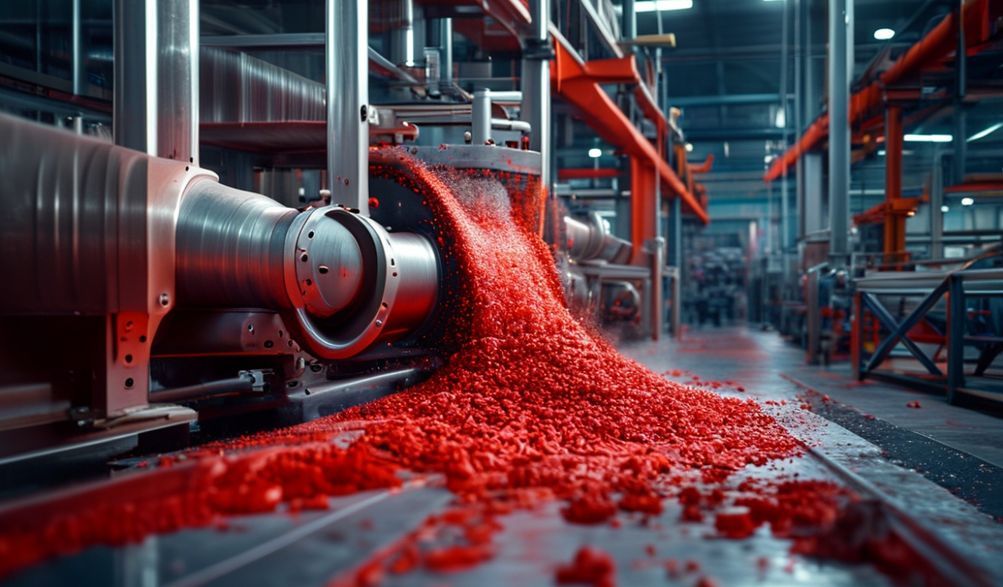
คู่มือฉบับสมบูรณ์สำหรับเครื่องผลิตอิฐดินเผาและโรงงานอิฐฟูด้า
เป็นเวลาหลายพันปีที่อิฐดินเผาได้เป็นรากฐานของอารยธรรม ตั้งแต่ซุ้มประตูโบราณจนถึงตึกระฟ้าสมัยใหม่ ความทนทาน การกักเก็บความร้อน และสุนทรียภาพเหนือกาลเวลาของมันได้พิสูจน์แล้วว่าไม่มีอะไรทดแทนได้ ในปัจจุบัน ความต้องการนี้ยังคงมีอยู่ แต่ความท้าทายได้เปลี่ยนจากการผลิตอิฐไปสู่การผลิตอย่างมีประสิทธิภาพ สม่ำเสมอ และทำกำไรได้ สำหรับบริษัทก่อสร้าง ผู้ผลิตที่มุ่งมั่น และผู้เชี่ยวชาญด้านการจัดซื้อ หัวใจของความท้าทายนี้อยู่ที่การตัดสินใจที่สำคัญประการเดียว: การเลือกเครื่องทำอิฐดินเผาที่เหมาะสม
การเดินทางในโลกของเครื่องจักรอิฐอาจเป็นเรื่องที่น่าหวาดหวั่น ข้ออ้างเรื่องผลผลิตสูงและต้นทุนต่ำมีอยู่ทั่วไป แต่การหาพันธมิตรที่เชื่อถือได้ซึ่งสามารถส่งมอบตามคำมั่นสัญญาด้านคุณภาพ ความทนทาน และการสนับสนุนนั้นคือกุญแจสำคัญที่แท้จริงสู่การดำเนินงานที่ประสบความสำเร็จ นี่คือจุดที่ผู้ผลิตที่มีชื่อเสียงอย่างโรงงานผลิตอิฐฟูดาเข้ามามีบทบาท
คู่มือนี้รวบรวมจากการวิเคราะห์อุตสาหกรรม ข้อมูลจำเพาะทางเทคนิค และความเข้าใจเชิงลึกเกี่ยวกับความเป็นเลิศด้านการผลิต เพื่อช่วยให้คุณตัดสินใจได้อย่างรอบรู้ เราจะก้าวข้ามโบรชัวร์การขายไปสู่การเป็นแหล่งข้อมูลเชิงผู้เชี่ยวชาญที่ครอบคลุม ไม่ว่าคุณจะขยายโรงงานเดิมหรือเริ่มธุรกิจใหม่ คุณจะได้เรียนรู้เกี่ยวกับกลไกการผลิตอิฐ ข้อเสนอคุณค่าเฉพาะของเครื่องจักร FUDA และปัจจัยสำคัญสำหรับการลงทุนที่มั่นคง
ทำความเข้าใจเครื่องทำอิฐดินเผา
ก่อนจะประเมินผู้ผลิตใดๆ สิ่งสำคัญคือต้องเข้าใจพื้นฐานของเทคโนโลยี เครื่องผลิตอิฐดินเผาไม่ใช่แค่เครื่องอัดเท่านั้น แต่เป็นระบบที่ออกแบบมาเพื่อเปลี่ยนดินดิบที่มีความเหนียวให้กลายเป็นหน่วยก่อสร้างที่มีรูปทรงสมบูรณ์และแข็งแรงทางโครงสร้าง
เครื่องจักรผลิตอิฐดินเหนียวทำงานอย่างไร?
กระบวนการที่พบบ่อยที่สุดสำหรับการผลิตอิฐสมัยใหม่คือการอัดรีด นี่คือรายละเอียดของขั้นตอนหลัก:
- การให้อาหารและการผสมดินดิบซึ่งมักผสมน้ำและบางครั้งก็เติมสารผสมเช่นเถ้าลอยหรือทรายลงในเครื่องผสม สิ่งนี้ทำให้เกิดมวลเนื้อเดียวกันที่มีความเหนียวและความหนืดที่เหมาะสมสำหรับการขึ้นรูป
- การอัดรีดจากนั้นดินเหนียวผสมจะถูกส่งเข้าเครื่องอัดรีด โดยสกรู (หรือเกลียว) ที่มีกำลังสูงจะดันดินเหนียวผ่านห้องสุญญากาศเพื่อกำจัดฟองอากาศ ซึ่งมีความสำคัญต่อความแข็งแรงสุดท้าย จากนั้นจึงบังคับให้มันผ่านแม่พิมพ์ แม่พิมพ์นี้จะกำหนดรูปร่างหน้าตัดของอิฐ (แบบกลวง แบบตัน แบบมีลอน ฯลฯ)
- ตัด:เสาดินเหนียวต่อเนื่อง (หรือ "ก้อนดิน") ที่ออกจากแม่พิมพ์จะถูกตัดเป็นอิฐแต่ละหน่วย ทำได้ด้วยลวดตัดที่แม่นยำหรือโต๊ะตัด เพื่อให้แน่ใจว่าความยาวของอิฐมีความสม่ำเสมอ
- การซ้อนและทำให้แห้งอิฐสีเขียว (ที่ยังไม่ได้เผา) จะถูกวางซ้อนกันลงบนรถเข็นเตาเผาหรือชั้นวางโดยอัตโนมัติโดยใช้เครื่องซ้อนหรือแขนกล พร้อมสำหรับกระบวนการอบแห้งและการเผาในเตาเผาต่อไป
วิธีการหนึ่งที่ใช้กันบ่อยสำหรับแผ่นปูพื้นหรือรูปทรงพิเศษคือการอัดไฮดรอลิกดินเหนียวถูกอัดแน่นภายใต้ความดันสูงในแม่พิมพ์
ประเภทของเครื่องผลิตอิฐดินเผา
เครื่องจักรถูกจัดประเภทตามระดับการทำงานอัตโนมัติและผลผลิต
- เครื่องจักรขนาดเล็ก/ใช้งานด้วยมือทำงานด้วยมือเป็นหลัก เหมาะสำหรับการผลิตปริมาณน้อยมากหรือโครงการหัตถกรรม ต้นทุนเงินทุนต่ำแต่ใช้แรงงานเข้มข้น
- เครื่องจักรกึ่งอัตโนมัติ:การผสมผสานระหว่างระบบอัตโนมัติและการแทรกแซงด้วยมือ พวกเขามักจะทำให้กระบวนการอัดรีดและการตัดเป็นระบบอัตโนมัติ แต่ยังอาจต้องการการจัดการด้วยมือสำหรับการจัดเรียงซ้อน เหมาะสำหรับวิสาหกิจขนาดกลางและขนาดย่อม (SMEs) ที่ต้องการเพิ่มประสิทธิภาพการผลิตด้วยการลงทุนปานกลาง
- สายการผลิตแบบอัตโนมัติเต็มรูปแบบ: Integrated systems where the process from feeding to stacking is automated, controlled by Programmable Logic Controllers (PLCs). Designed for high-volume, consistent output with minimal labor. This is the choice for large-scale commercial factories.
Furthermore, machines are designed for specific products:
* Hollow Brick Machines: Create bricks with cavities, reducing weight and material use while improving insulation.
* Solid Brick Machines: Produce dense, high-strength bricks for structural applications.
* Paver/Block Making Machines: Typically use hydraulic pressing to create interlocking pavers, landscaping blocks, and curb stones.
Why Choose a FUDA Brick Making Factory Machine?
In a crowded market, a manufacturer’s reputation is built on engineering, reliability, and the tangible quality of the end product. Here’s how a factory like FUDA positions itself to meet these industry demands.
Proven Engineering and Durability
The foundation of any industrial machine is its build. A brick machine operates in a harsh, high-vibration, and dusty environment.
- การก่อสร้างที่แข็งแรงทนทาน Reputable manufacturers use high-grade steel for critical components like the extruder barrel, auger shafts, and machine frame. This resists wear, deformation, and corrosion over years of operation.
- วิศวกรรมแม่นยำ: Key components like gearboxes, bearings, and cutting mechanisms are sourced from trusted suppliers and assembled to tight tolerances. This reduces vibration, noise, and premature failure.
- การปฏิบัติตามกฎระเบียบและความปลอดภัย Adherence to international machinery safety and design standards (like CE marking for export) is a strong indicator of a manufacturer’s commitment to quality and user safety.
นวัตกรรมและการบูรณาการเทคโนโลยี
Modern brick making is about precision and control. Leading factories integrate technology to enhance efficiency and product quality.
- ระบบควบคุมด้วยพีแอลซี In automatic lines, a PLC allows for precise control over extrusion speed, vacuum levels, and cutting sequences. It enables troubleshooting, production data logging, and consistent repeatability.
- Energy-Efficient Drives: Variable Frequency Drives (VFDs) on motors allow the machine to use only the power needed for the specific load, reducing electricity consumption and mechanical stress.
- Advanced Cutting Mechanisms: Servo-driven cutting systems provide exceptional accuracy in brick length, minimizing waste and ensuring every brick meets dimensional standards.
Focus on Output Quality and Consistency
The ultimate test of a machine is the quality of the bricks it produces. A superior machine delivers consistency.
- ความหนาแน่นและความแข็งแรงสม่ำเสมอ A powerful, stable vacuum system and consistent extrusion pressure ensure the clay column is free of laminations and air pockets. This results in bricks with uniform density, which directly translates to consistent compressive strength—critical for meeting ASTM C62 or equivalent local standards.
- ความแม่นยำเชิงมิติ Precision-machined dies and accurate cutting systems produce bricks with tight dimensional tolerances. This makes bricklaying faster, reduces mortar use, and improves the aesthetic of the finished wall.
Key Models and Specifications from FUDA
While specific model numbers and specs should always be verified directly with the factory, product lines from a manufacturer like FUDA typically cater to a spectrum of business needs.
High-Volume Automatic Production Lines
These are the flagship systems for establishing a major brick manufacturing facility.
* เอาท์พุตสามารถผลิตได้20,000 to 80,000+ standard bricks per 8-hour shift, depending on the model and configuration.
* อัตโนมัติ Fully integrated lines featuring automatic feeders, extruders, multi-wire cutters, robotic stackers, and transfer systems.
* อำนาจ Require significant industrial power supply (e.g., 380V/50Hz or 440V/60Hz) and substantial factory floor space with reinforced foundations.
* เหมาะสำหรับ: Large construction firms backward-integrating their supply or established brick manufacturers expanding capacity.
Versatile Semi-Automatic Machines for SMEs
This category offers the best balance for growing businesses.
* เอาท์พุต Typically range from 5,000 to 20,000 bricks per shift. They automate the core forming process but may use manual or semi-auto brick carts and stacking.
* ความยืดหยุ่น Often easier to set up and maintain. They allow operators to change brick types or dies with relative ease.
* ความคุ้มค่า Lower initial investment and operational complexity than full lines, while still providing a substantial leap in productivity over manual methods.
* เหมาะสำหรับ: Entrepreneurs starting a brick yard, medium-sized plants, or businesses in regions with lower labor costs.
Customizable Solutions for Special Bricks
Beyond standard bricks, demand exists for specialized products.
* Capabilities: A technically adept factory can provide solutions for:
* Perforated bricks (for improved insulation and lighter weight).
* Textured or rustic-faced bricks.
* Special shapes for corners, sills, or decorative purposes.
* Requirement: This involves custom die design, potential adjustments to the extrusion parameters, and sometimes different cutting setups. It highlights a manufacturer’s engineering depth.
Critical Factors Before You Invest
Purchasing a brick machine is a major capital expenditure. A disciplined evaluation framework is essential to protect your investment.
ประเมินความต้องการในการผลิตของคุณ
เริ่มต้นด้วยแผนธุรกิจที่ชัดเจน
* ผลลัพธ์ที่ต้องการ: Calculate your daily/weekly brick needs based on market demand or internal projects. Don’t just buy the biggest machine; buy the right size for your growth trajectory.
* ประเภทอิฐ What will you primarily produce? Hollow blocks for partitions, solid bricks for load-bearing walls, or pavers for landscaping? This dictates the machine type.
* วัตถุดิบ Test your clay. Its plasticity, shrinkage, and mineral content will influence machine settings and may require specific feeder or mixer attachments.
การวิเคราะห์ต้นทุนรวมในการเป็นเจ้าของ
Look far beyond the sticker price.
* Initial Price: The cost of the machine itself.
* การติดตั้งและการทดสอบระบบ Includes foundation work, electrical hookup, and potential on-site technician costs from the supplier.
* การฝึกอบรม Are operators and maintenance staff trained by the supplier?
* การบำรุงรักษาและอะไหล่ What is the expected annual maintenance cost? How available and affordable are wear parts like augers, liners, and cutting wires? A manufacturer with a strong parts supply chain is invaluable.
* การใช้พลังงาน A more efficient machine may have a higher upfront cost but lower operating expenses for years.
* การสนับสนุนหลังการขาย: This is where trust is earned. What is the warranty period? Is remote (video) support available? How quickly can a technician be dispatched if needed?
Site and Operational Requirements
Ensure your facility is ready.
* อวกาศ You need space for the machine, raw material storage, green brick drying, and the kiln. Include space for material handling equipment.
* อำนาจ Verify the voltage, phase, and amperage requirements. You may need a transformer or upgraded electrical service.
* Foundation: Industrial machines require a solid, level concrete foundation, often with specific bolt patterns, to operate smoothly and safely.
* Raw Material Handling: Plan for how clay will be delivered, stored, and fed into the machine (e.g., forklifts, conveyor belts).
Maximizing Your Investment with FUDA
Your relationship with the manufacturer shouldn’t end at the point of sale. A successful installation is a partnership.
Installation, Training, and Commissioning
A professional supplier manages this process.
* Expectations: The process should include detailed foundation drawings in advance, supervised installation by factory engineers, thorough operational training for your team, and a production run to commission the machine and ensure it meets agreed-upon output and quality benchmarks.
Routine Maintenance and Care Checklist
Preventive maintenance is the key to uptime.
* Daily: Lubricate all grease points as per manual, check for loose bolts, clean sensors, and inspect the cutting wires.
* Weekly/Monthly: Check wear on the auger and liner, inspect hydraulic fluid levels and filters (if applicable), tighten drive chains.
* Annually: A comprehensive inspection of gearboxes, motors, and bearings. Follow the manufacturer’s scheduled maintenance plan meticulously.
Sourcing Quality Spare Parts and Technical Support
Downtime is lost revenue.
* Genuine Parts: Always use OEM-recommended spare parts. Non-genuine parts may seem cheaper but can cause accelerated wear or machine damage.
* Support Network: Before purchasing, investigate the supplier’s support structure. Do they have regional agents or service centers? What is their typical response time for technical queries? Request contact information for existing customers in a similar region to verify their service experience.
คำถามที่พบบ่อย (FAQ)
Q1: What is the average production capacity of a FUDA clay brick machine?
ก Capacity varies dramatically by model. Semi-automatic machines may produce 5,000-20,000 bricks per 8-hour shift, while fully automatic lines can range from 20,000 to over 80,000 bricks per shift. The specific output depends on brick type, clay quality, and machine configuration.
Q2: Can FUDA machines use different types of clay or raw materials?
ก Quality extruder-based machines are designed to handle a range of plastic clays. Many can also process mixes incorporating industrial by-products like fly ash or shale. It is crucial to provide your raw material sample to the factory for testing and machine calibration recommendations.
Q3: What kind of after-sales service and warranty does FUDA offer?
ก This must be confirmed in your purchase agreement. Reputable manufacturers typically offer a standard warranty (e.g., 12 months on major components) against manufacturing defects. Service packages vary but may include remote video support, detailed manuals, and the availability of on-site technician visits.
Q4: How do I choose between a semi-automatic and a fully automatic model?
ก Consider four factors: งบประมาณ (automatic lines cost significantly more), Labor (automatic reduces labor count but requires skilled technicians), Output Needs (match the machine to your sales forecast), and Long-term Scale (if planning rapid growth, investing in higher automation sooner may be prudent).
Q5: Are FUDA machines suitable for export and operation in my country?
ก Established manufacturers regularly export worldwide. Key checks are: Power Compatibility (machines can be built for 380V/50Hz, 440V/60Hz, etc.), Language & Documentation (manuals should be available in your language), and most importantly, Local Agent Support (having a local representative for parts and service is a major advantage).
สรุป
Selecting a clay brick making machine is a decision that will define your production capability, product quality, and profitability for years to come. It requires moving beyond basic specifications to evaluate engineering integrity, technological reliability, and the manufacturer’s commitment to being a true long-term partner. As we’ve explored, factories like FUDA build their reputation on these very pillars: durable construction, precision engineering, and a focus on delivering consistent, high-quality output.
Remember, you’re not just buying a machine; you’re forming a partnership for business growth. The right equipment becomes the reliable heart of your operation.
For the most accurate and current specifications, pricing, and to verify technical support for your region, we recommend contacting the official FUDA brick making factory directly. Request detailed brochures, ask for customer references, and if possible, visit a working installation to see the machines in operation. This guide aimed to equip you with the knowledge to have informed, confident discussions with manufacturers, ensuring your investment builds a solid foundation for success.
<