
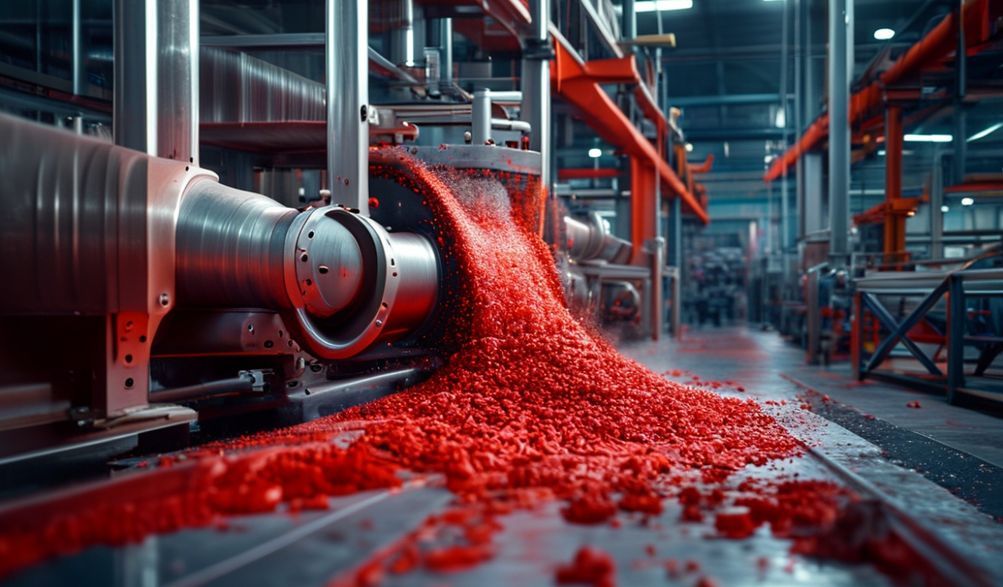
Ang Iyong Komprehensibong Gabay sa Makina ng Clay Brick at Pabrika ng Paggawa ng Brick ng FUDA
Sa loob ng libu-libong taon, ang ladrilyong luwad ang naging pundasyon ng sibilisasyon. Mula sa sinaunang mga arko hanggang sa makabagong mga gusaling tukudlangit, ang tibay, kapasidad sa pagpapanatili ng init, at walang-kamalat-malating estetika nito ay napatunayang hindi kayang palitan. Sa kasalukuyan, nananatili ang pangangailangang ito, ngunit ang hamon ay lumipat mula sa paggawa ng mga ladrilyo tungo sa paggawa ng mga ito nang mahusay, tuloy-tuloy, at kumikita. Para sa mga kumpanyang konstruksyon, nagsisimulang mga tagagawa, at mga espesyalista sa pagbili, ang sentro ng hamong ito ay nakasalalay sa isang kritikal na desisyon: ang pagpili ng tamang makina ng paggawa ng ladrilyong luwad.
Ang paglalakbay sa mundo ng makinarya para sa ladrilyo ay maaaring nakakalito. Maraming nag-aangkin ng mataas na produksyon at mababang gastos, ngunit ang paghahanap ng isang maaasahang kasosyo na tumutupad sa mga pangako ng kalidad, tibay, at suporta ang tunay na susi sa isang matagumpay na operasyon. Dito pumapasok ang mga nakatatag na tagagawa tulad ng FUDA brick making factory.
Ang gabay na ito ay pinagsama-sama mula sa pagsusuri ng industriya, teknikal na mga detalye, at mga pananaw sa kahusayan sa pagmamanupaktura upang matulungan kang makagawa ng isang maalam na desisyon. Lilipat tayo nang lampas sa mga brochure ng pagbebenta upang magbigay ng isang komprehensibo at dalubhasang sanggunian. Maging ikaw ay nagpapalawak ng isang umiiral na planta o naglulunsad ng isang bagong negosyo, matututuhan mo ang mga mekanismo ng paggawa ng ladrilyo, ang tiyak na halagang iniaalok ng makinaryang FUDA, at ang mga kritikal na salik para sa isang matatag na pamumuhunan.
Pag-unawa sa Mga Makina ng Paggawa ng Clay Brick
Bago suriin ang anumang tagagawa, mahalagang maunawaan ang mga pangunahing kaalaman sa teknolohiya. Ang isang makina ng ladrilyo ay higit pa sa isang pindutin; ito ay isang sistema na idinisenyo upang gawing perpektong hugis at matibay na yunit ng gusali ang hilaw at plastik na luad.
Paano Gumagana ang Makina ng Paggawa ng Ladrilyo?
Ang pinakakaraniwang proseso para sa modernong paggawa ng ladrilyo ay ang ekstrusyon. Narito ang isang paglalahad ng mga pangunahing yugto:
- Pagpapakain at Paghahalo:Ang hilaw na luwad, na karaniwang hinahaloan ng tubig at kung minsan ay mga additive tulad ng fly ash o buhangin, ay ipinapasok sa isang panghalo. Lumilikha ito ng isang homogenous, plastik na masa na may tamang konsistensya para sa paghubog.
- Pagpupuwersa:Ang pinaghalong luwad ay dinadala papasok sa isang extruder. Isang malakas na auger (o tornilyo) ang nagtutulak sa luwad sa pamamagitan ng isang vacuum chamber upang maalis ang mga air pocket—na napakahalaga para sa panghuling tibay—at pagkatapos ay pinipilit itong dumaan sa isang die. Ang die na ito ang nagtatakda ng hugis ng cross-section ng ladrilyo (hollow, solid, may-key, atbp.).
- Pagpuputol:Ang tuluy-tuloy na haligi ng luad (o "slug") na lumalabas sa hulmahan ay pinuputol sa mga indibidwal na yunit ng ladrilyo. Ginagawa ito gamit ang mga tumpak na alambre o isang cutting table, tinitiyak ang pare-parehong haba ng ladrilyo.
- Pagpapatong at Pagpapatuyo:Ang mga berdeng (hindi pa nasusunog) na ladrilyo ay awtomatikong inilalagay sa mga kariton o istante ng hurno gamit ang mga stacker o robotic arm, handa na para sa proseso ng pagpapatuyo at kasunod na pagsusunog sa isang hurno.
Ang isang alternatibong paraan, kadalasan para sa mga bato sa paglalatag o mga espesyal na hugis, ay angpagpindot gamit ang haydrolikokung saan ang luwad ay pinipisan sa ilalim ng mataas na presyon sa isang molde.
Mga Uri ng Makina sa Paggawa ng Ladrilyo
Ang mga makina ay inuuri ayon sa kanilang antas ng awtomasyon at produksyon.
- Manu-manong/Maliit na Sukat na Makinarya:Pinapatakbo pangunahin sa pamamagitan ng kamay, angkop para sa napakababang dami ng produksyon o mga proyektong artisanal. Mababa ang gastos sa puhunan ngunit mataas ang lakas-paggawa.
- Semi-Automatikong Makina:Isang balanse ng automation at manual na interbensyon. Karaniwan nilang ino-automate ang pagpiga at pagputol ngunit maaaring mangailangan ng manual na paghawak para sa pagtatambak. Akma para sa maliliit hanggang katamtamang laki ng mga negosyo na nagnanais i-optimize ang produksyon sa katamtamang puhunan.
- Ganap na Awomatikong Mga Linya ng Produksyon:Ang mga sistemang pinagsama kung saan ang proseso mula sa pagpapakain hanggang sa pagtatambak ay awtomatiko, kinokontrol ng mga Programmable Logic Controller (PLC). Dinisenyo para sa malakihang produksyon, pare-parehong output na may kaunting pangangailangan sa manggagawa. Ito ang pinipili para sa malalaking komersyal na pabrika.
Bukod dito, ang mga makina ay dinisenyo para sa mga partikular na produkto:
* Mga Makina ng Hollow Brick:Gumawa ng mga ladrilyo na may mga lukab, upang mabawasan ang timbang at paggamit ng materyales habang pinapabuti ang pagkakabukod.
* Makina ng Solidong Briks:Gumawa ng siksik, mataas ang tibay na mga ladrilyo para sa mga aplikasyong pang-estruktura.
* Mga Makina ng Paggawa ng Paver/Bloke: Typically use hydraulic pressing to create interlocking pavers, landscaping blocks, and curb stones.
Why Choose a FUDA Brick Making Factory Machine?
In a crowded market, a manufacturer’s reputation is built on engineering, reliability, and the tangible quality of the end product. Here’s how a factory like FUDA positions itself to meet these industry demands.
Proven Engineering and Durability
The foundation of any industrial machine is its build. A brick machine operates in a harsh, high-vibration, and dusty environment.
- Matibay na Konstruksyon: Reputable manufacturers use high-grade steel for critical components like the extruder barrel, auger shafts, and machine frame. This resists wear, deformation, and corrosion over years of operation.
- Precision Engineering: Key components like gearboxes, bearings, and cutting mechanisms are sourced from trusted suppliers and assembled to tight tolerances. This reduces vibration, noise, and premature failure.
- Compliance & Safety: Adherence to international machinery safety and design standards (like CE marking for export) is a strong indicator of a manufacturer’s commitment to quality and user safety.
Pagbabago at Pagsasama ng Teknolohiya
Modern brick making is about precision and control. Leading factories integrate technology to enhance efficiency and product quality.
- Sistema ng Kontrol ng PLC: In automatic lines, a PLC allows for precise control over extrusion speed, vacuum levels, and cutting sequences. It enables troubleshooting, production data logging, and consistent repeatability.
- Energy-Efficient Drives: Variable Frequency Drives (VFDs) on motors allow the machine to use only the power needed for the specific load, reducing electricity consumption and mechanical stress.
- Advanced Cutting Mechanisms: Servo-driven cutting systems provide exceptional accuracy in brick length, minimizing waste and ensuring every brick meets dimensional standards.
Focus on Output Quality and Consistency
The ultimate test of a machine is the quality of the bricks it produces. A superior machine delivers consistency.
- Uniform Density & Strength: A powerful, stable vacuum system and consistent extrusion pressure ensure the clay column is free of laminations and air pockets. This results in bricks with uniform density, which directly translates to consistent compressive strength—critical for meeting ASTM C62 or equivalent local standards.
- Katumpakan ng Dimensiyon: Precision-machined dies and accurate cutting systems produce bricks with tight dimensional tolerances. This makes bricklaying faster, reduces mortar use, and improves the aesthetic of the finished wall.
Key Models and Specifications from FUDA
While specific model numbers and specs should always be verified directly with the factory, product lines from a manufacturer like FUDA typically cater to a spectrum of business needs.
High-Volume Automatic Production Lines
These are the flagship systems for establishing a major brick manufacturing facility.
* Output:May kakayahang makagawa ng20,000 to 80,000+ standard bricks per 8-hour shift, depending on the model and configuration.
* Automasyon: Fully integrated lines featuring automatic feeders, extruders, multi-wire cutters, robotic stackers, and transfer systems.
* Kapangyarihan: Require significant industrial power supply (e.g., 380V/50Hz or 440V/60Hz) and substantial factory floor space with reinforced foundations.
* Angkop Para Sa: Large construction firms backward-integrating their supply or established brick manufacturers expanding capacity.
Versatile Semi-Automatic Machines for SMEs
This category offers the best balance for growing businesses.
* Output: Typically range from 5,000 to 20,000 bricks per shift. They automate the core forming process but may use manual or semi-auto brick carts and stacking.
* Kakayahang Umangkop: Often easier to set up and maintain. They allow operators to change brick types or dies with relative ease.
* Pagiging Epektibo sa Gastos: Lower initial investment and operational complexity than full lines, while still providing a substantial leap in productivity over manual methods.
* Angkop Para Sa: Entrepreneurs starting a brick yard, medium-sized plants, or businesses in regions with lower labor costs.
Customizable Solutions for Special Bricks
Beyond standard bricks, demand exists for specialized products.
* Capabilities: A technically adept factory can provide solutions for:
* Perforated bricks (for improved insulation and lighter weight).
* Textured or rustic-faced bricks.
* Special shapes for corners, sills, or decorative purposes.
* Requirement: This involves custom die design, potential adjustments to the extrusion parameters, and sometimes different cutting setups. It highlights a manufacturer’s engineering depth.
Critical Factors Before You Invest
Purchasing a brick machine is a major capital expenditure. A disciplined evaluation framework is essential to protect your investment.
Pagsusuri sa Iyong Pangangailangan sa Produksyon
Start with a clear business plan.
* Required Output: Calculate your daily/weekly brick needs based on market demand or internal projects. Don’t just buy the biggest machine; buy the right size for your growth trajectory.
* Uri ng Briks What will you primarily produce? Hollow blocks for partitions, solid bricks for load-bearing walls, or pavers for landscaping? This dictates the machine type.
* Hilaw na Materyal: Test your clay. Its plasticity, shrinkage, and mineral content will influence machine settings and may require specific feeder or mixer attachments.
Pagsusuri ng Kabuuang Gastos sa Pagmamay-ari
Look far beyond the sticker price.
* Initial Price: The cost of the machine itself.
* Pagkakabit at Pagkakomisyon: Includes foundation work, electrical hookup, and potential on-site technician costs from the supplier.
* Pagsasanay: Are operators and maintenance staff trained by the supplier?
* Maintenance & Spare Parts: What is the expected annual maintenance cost? How available and affordable are wear parts like augers, liners, and cutting wires? A manufacturer with a strong parts supply chain is invaluable.
* Pagkonsumo ng Enerhiya: A more efficient machine may have a higher upfront cost but lower operating expenses for years.
* Suporta Pagkatapos ng Benta: This is where trust is earned. What is the warranty period? Is remote (video) support available? How quickly can a technician be dispatched if needed?
Site and Operational Requirements
Ensure your facility is ready.
* Kosmos: You need space for the machine, raw material storage, green brick drying, and the kiln. Include space for material handling equipment.
* Kapangyarihan: Verify the voltage, phase, and amperage requirements. You may need a transformer or upgraded electrical service.
* Foundation: Industrial machines require a solid, level concrete foundation, often with specific bolt patterns, to operate smoothly and safely.
* Raw Material Handling: Plan for how clay will be delivered, stored, and fed into the machine (e.g., forklifts, conveyor belts).
Maximizing Your Investment with FUDA
Your relationship with the manufacturer shouldn’t end at the point of sale. A successful installation is a partnership.
Installation, Training, and Commissioning
A professional supplier manages this process.
* Expectations: The process should include detailed foundation drawings in advance, supervised installation by factory engineers, thorough operational training for your team, and a production run to commission the machine and ensure it meets agreed-upon output and quality benchmarks.
Routine Maintenance and Care Checklist
Preventive maintenance is the key to uptime.
* Daily: Lubricate all grease points as per manual, check for loose bolts, clean sensors, and inspect the cutting wires.
* Weekly/Monthly: Check wear on the auger and liner, inspect hydraulic fluid levels and filters (if applicable), tighten drive chains.
* Annually: A comprehensive inspection of gearboxes, motors, and bearings. Follow the manufacturer’s scheduled maintenance plan meticulously.
Sourcing Quality Spare Parts and Technical Support
Downtime is lost revenue.
* Genuine Parts: Always use OEM-recommended spare parts. Non-genuine parts may seem cheaper but can cause accelerated wear or machine damage.
* Support Network: Before purchasing, investigate the supplier’s support structure. Do they have regional agents or service centers? What is their typical response time for technical queries? Request contact information for existing customers in a similar region to verify their service experience.
Mga Madalas Itanong (FAQ)
Q1: What is the average production capacity of a FUDA clay brick machine?
Isalin ang teksto sa Filipino. I-output LAMANG ang isinalin na teksto. Capacity varies dramatically by model. Semi-automatic machines may produce 5,000-20,000 bricks per 8-hour shift, while fully automatic lines can range from 20,000 to over 80,000 bricks per shift. The specific output depends on brick type, clay quality, and machine configuration.
Q2: Can FUDA machines use different types of clay or raw materials?
Isalin ang teksto sa Filipino. I-output LAMANG ang isinalin na teksto. Quality extruder-based machines are designed to handle a range of plastic clays. Many can also process mixes incorporating industrial by-products like fly ash or shale. It is crucial to provide your raw material sample to the factory for testing and machine calibration recommendations.
Q3: What kind of after-sales service and warranty does FUDA offer?
Isalin ang teksto sa Filipino. I-output LAMANG ang isinalin na teksto. This must be confirmed in your purchase agreement. Reputable manufacturers typically offer a standard warranty (e.g., 12 months on major components) against manufacturing defects. Service packages vary but may include remote video support, detailed manuals, and the availability of on-site technician visits.
Q4: How do I choose between a semi-automatic and a fully automatic model?
Isalin ang teksto sa Filipino. I-output LAMANG ang isinalin na teksto. Consider four factors: Badyet (automatic lines cost significantly more), Labor (automatic reduces labor count but requires skilled technicians), Output Needs (match the machine to your sales forecast), and Long-term Scale (if planning rapid growth, investing in higher automation sooner may be prudent).
Q5: Are FUDA machines suitable for export and operation in my country?
Isalin ang teksto sa Filipino. I-output LAMANG ang isinalin na teksto. Established manufacturers regularly export worldwide. Key checks are: Power Compatibility (machines can be built for 380V/50Hz, 440V/60Hz, etc.), Language & Documentation (manuals should be available in your language), and most importantly, Local Agent Support (having a local representative for parts and service is a major advantage).
Konklusyon
Selecting a clay brick making machine is a decision that will define your production capability, product quality, and profitability for years to come. It requires moving beyond basic specifications to evaluate engineering integrity, technological reliability, and the manufacturer’s commitment to being a true long-term partner. As we’ve explored, factories like FUDA build their reputation on these very pillars: durable construction, precision engineering, and a focus on delivering consistent, high-quality output.
Remember, you’re not just buying a machine; you’re forming a partnership for business growth. The right equipment becomes the reliable heart of your operation.
For the most accurate and current specifications, pricing, and to verify technical support for your region, we recommend contacting the official FUDA brick making factory directly. Request detailed brochures, ask for customer references, and if possible, visit a working installation to see the machines in operation. This guide aimed to equip you with the knowledge to have informed, confident discussions with manufacturers, ensuring your investment builds a solid foundation for success.
<